Paysage avec deux nymphes et un serpent — History & Analysis
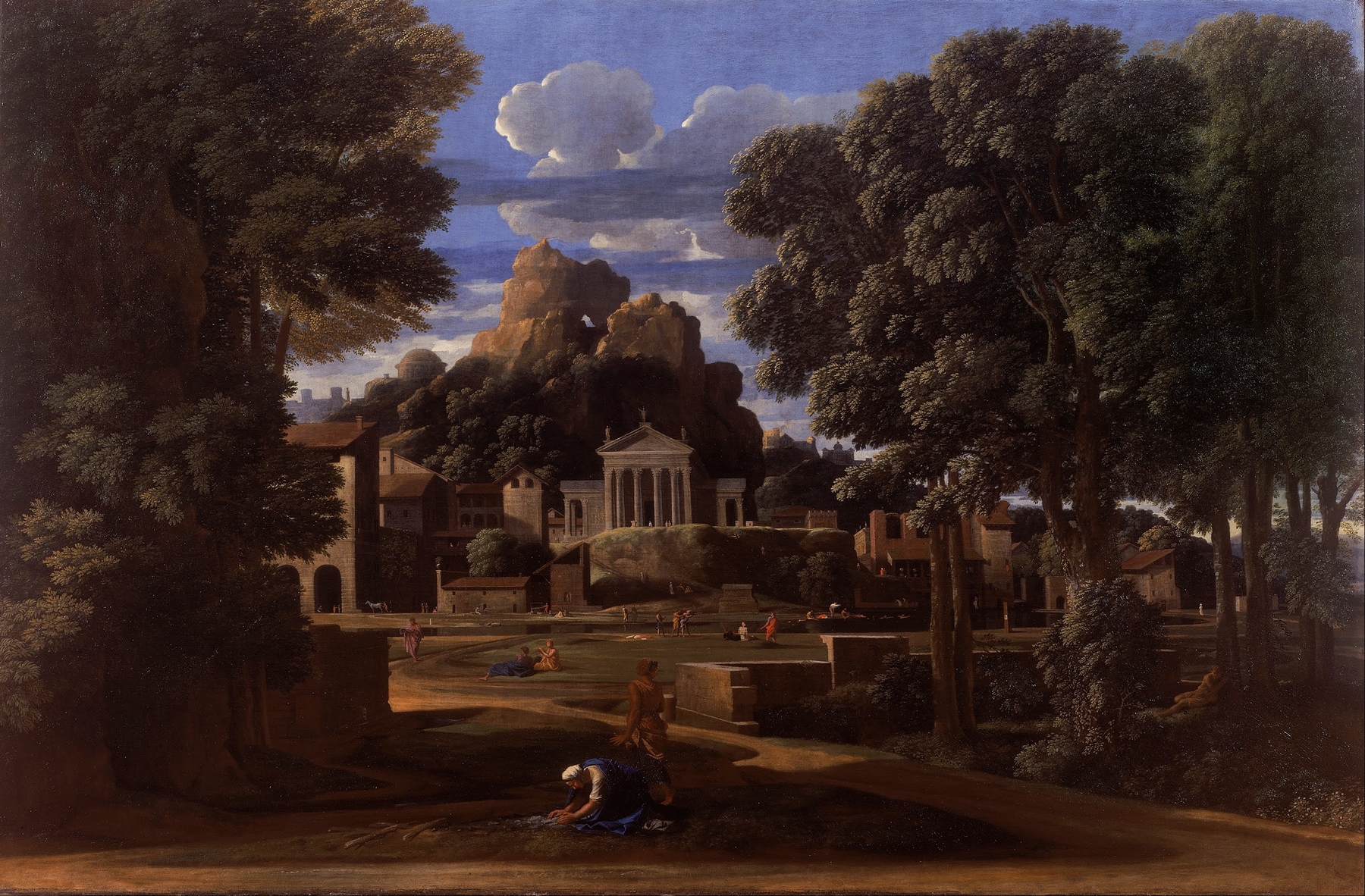
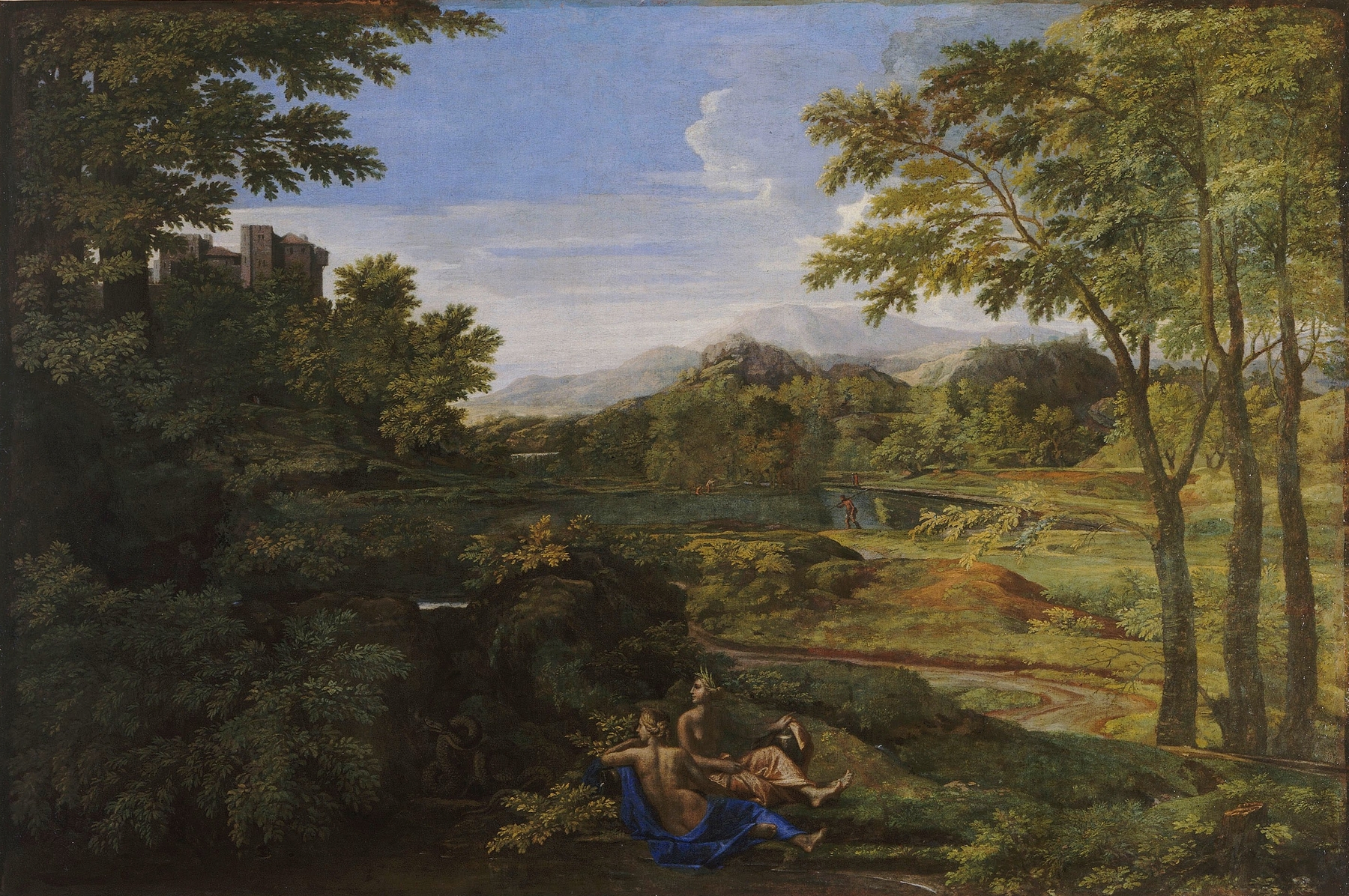
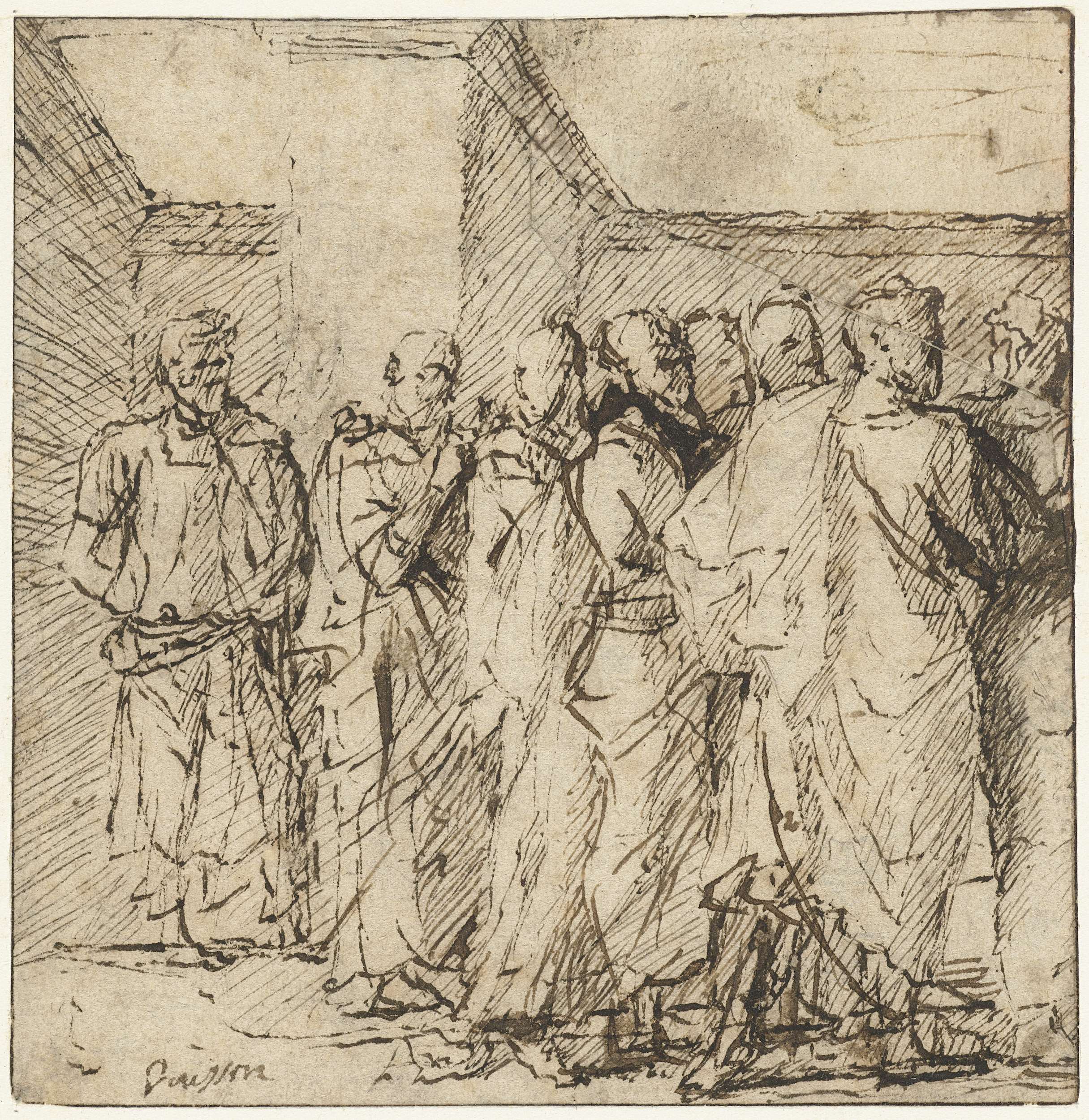
Is this a mirror — or a memory? In Paysage avec deux nymphes et un serpent, the viewer is drawn into a serene yet layered world, where the past and the present blur together in a tranquil tableau of nature and myth. Look to the left at the elegant figures of the nymphs, draped in flowing garments that seem to echo the soft curves of the landscape. Their graceful poses and delicate expressions invite contemplation, while the verdant hues of green and the shimmering blues of the water evoke a sense of peace.
Notice how the light cascades gently through the trees, creating dappled patterns that dance across the canvas, highlighting the nymphs' serene beauty and the lurking presence of the serpent positioned ominously nearby. The contrast between the nymphs' ethereal innocence and the serpent's sinister presence creates a tension that resonates throughout the piece. This duality speaks to the complexities of desire and danger, capturing a poignant moment of nostalgia for an age where mythology intertwines with reality.
The idyllic setting serves as a reflection on the passage of time, where the innocence of youth is ever threatened by the harshness of existence, making one ponder the fleeting nature of beauty itself. Completed around 1659, this work emerged during a period of personal turmoil for Poussin, who was grappling with the death of his brother while striving for artistic perfection in a world that was rapidly shifting towards Baroque exuberance. Working in Rome, he sought to solidify his unique style, blending classical ideals with emotional depth, which would leave a lasting impact on the art world.