Landscape with Saint John on Patmos — History & Analysis
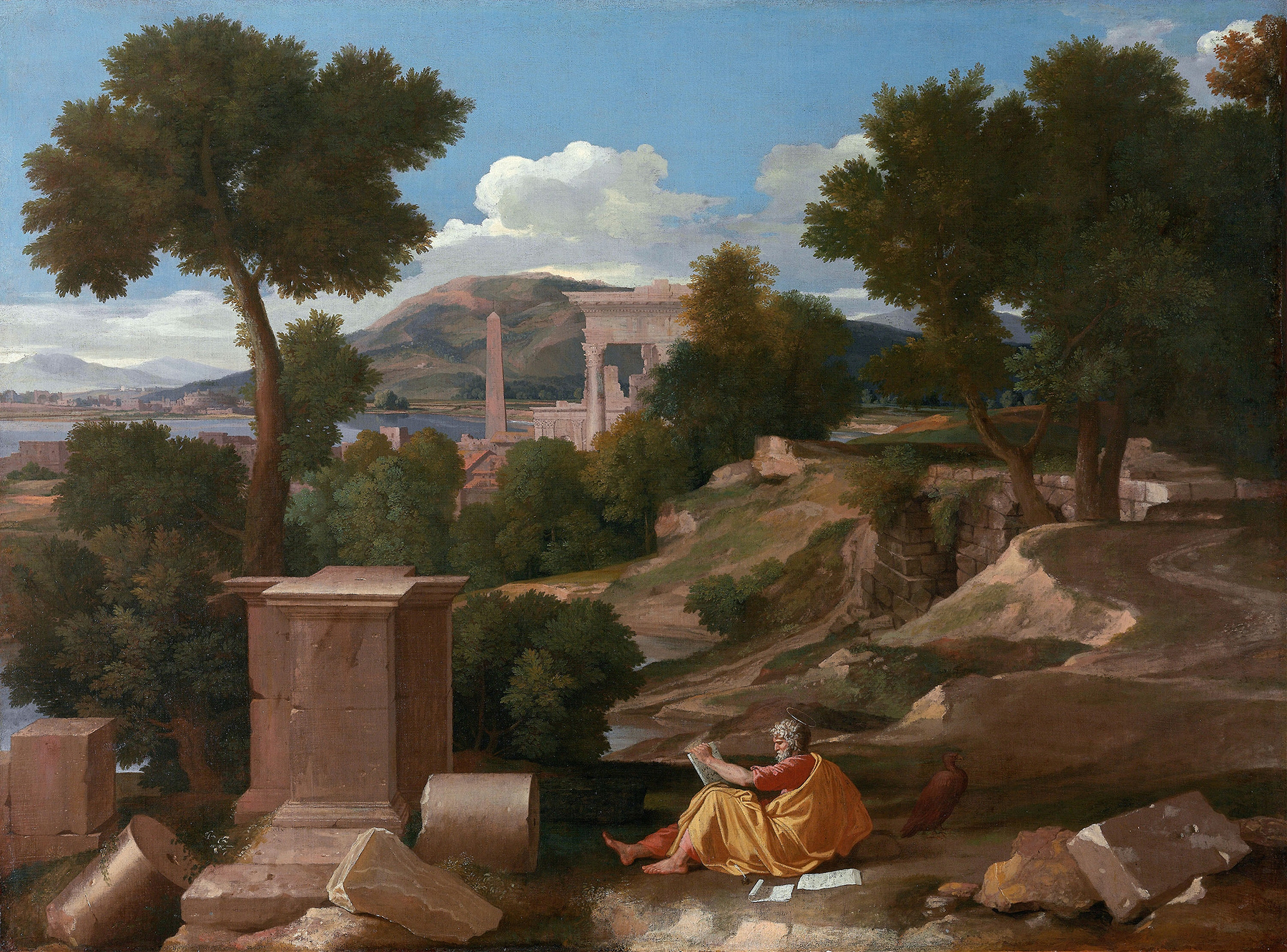
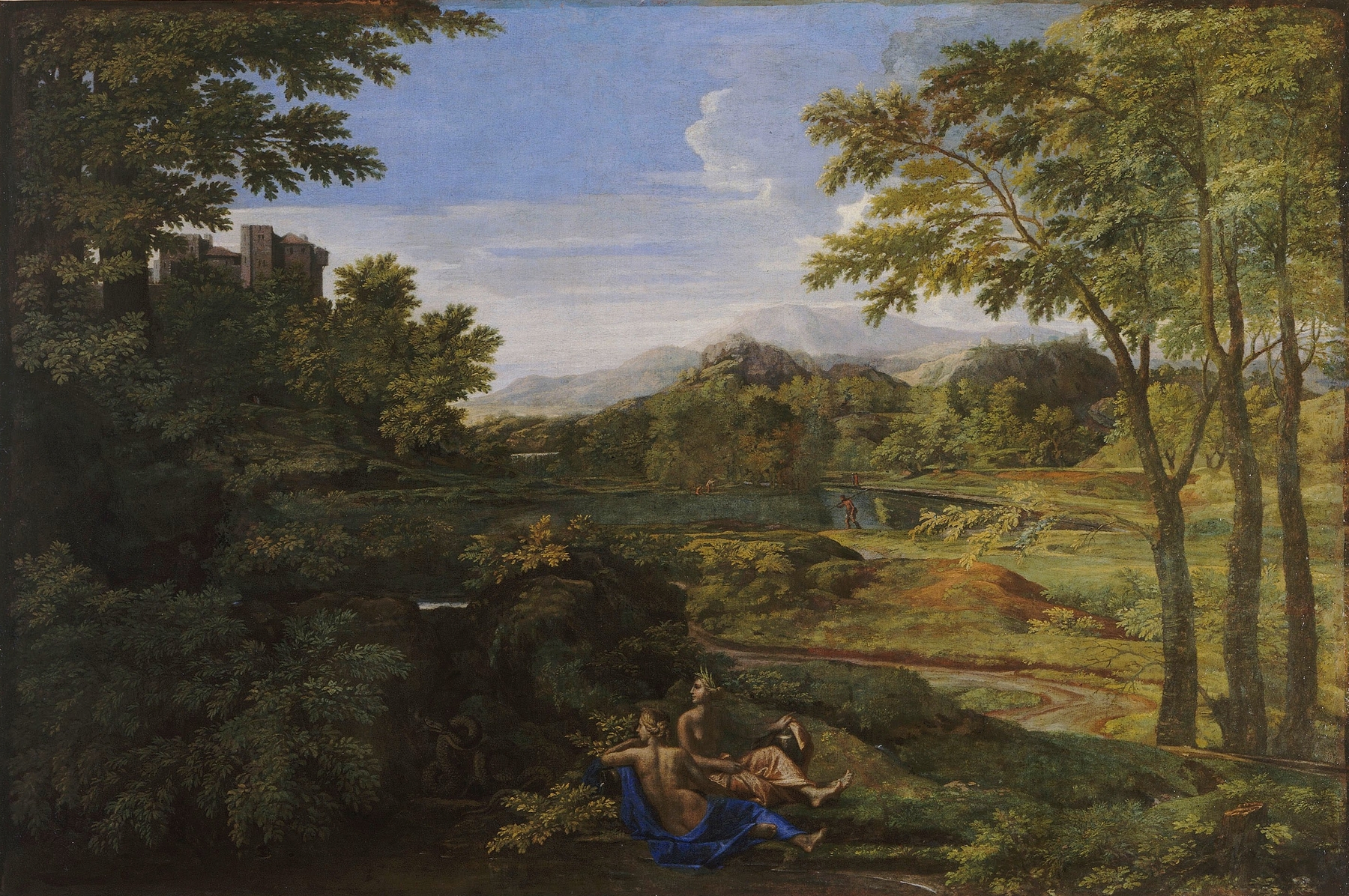
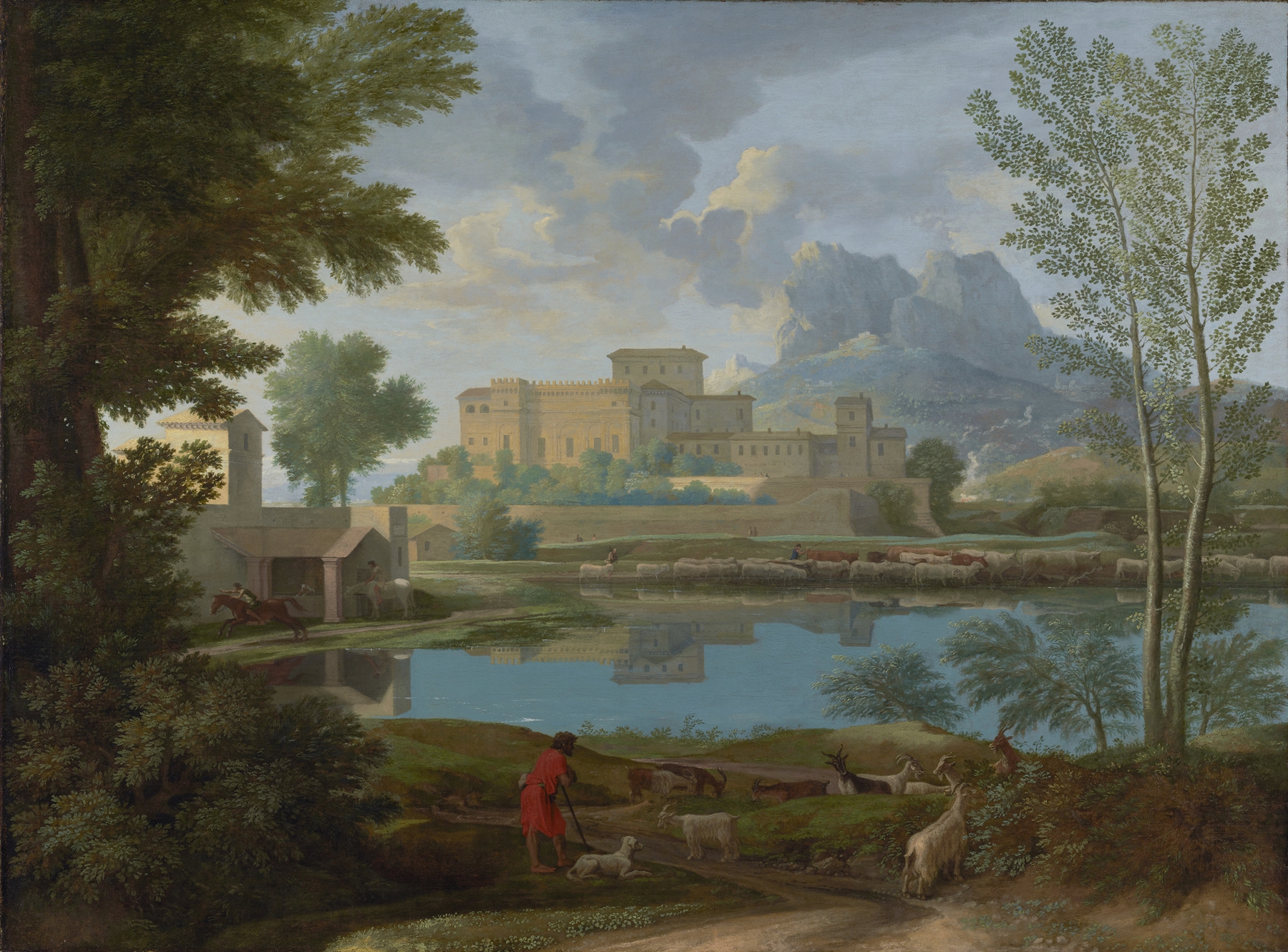
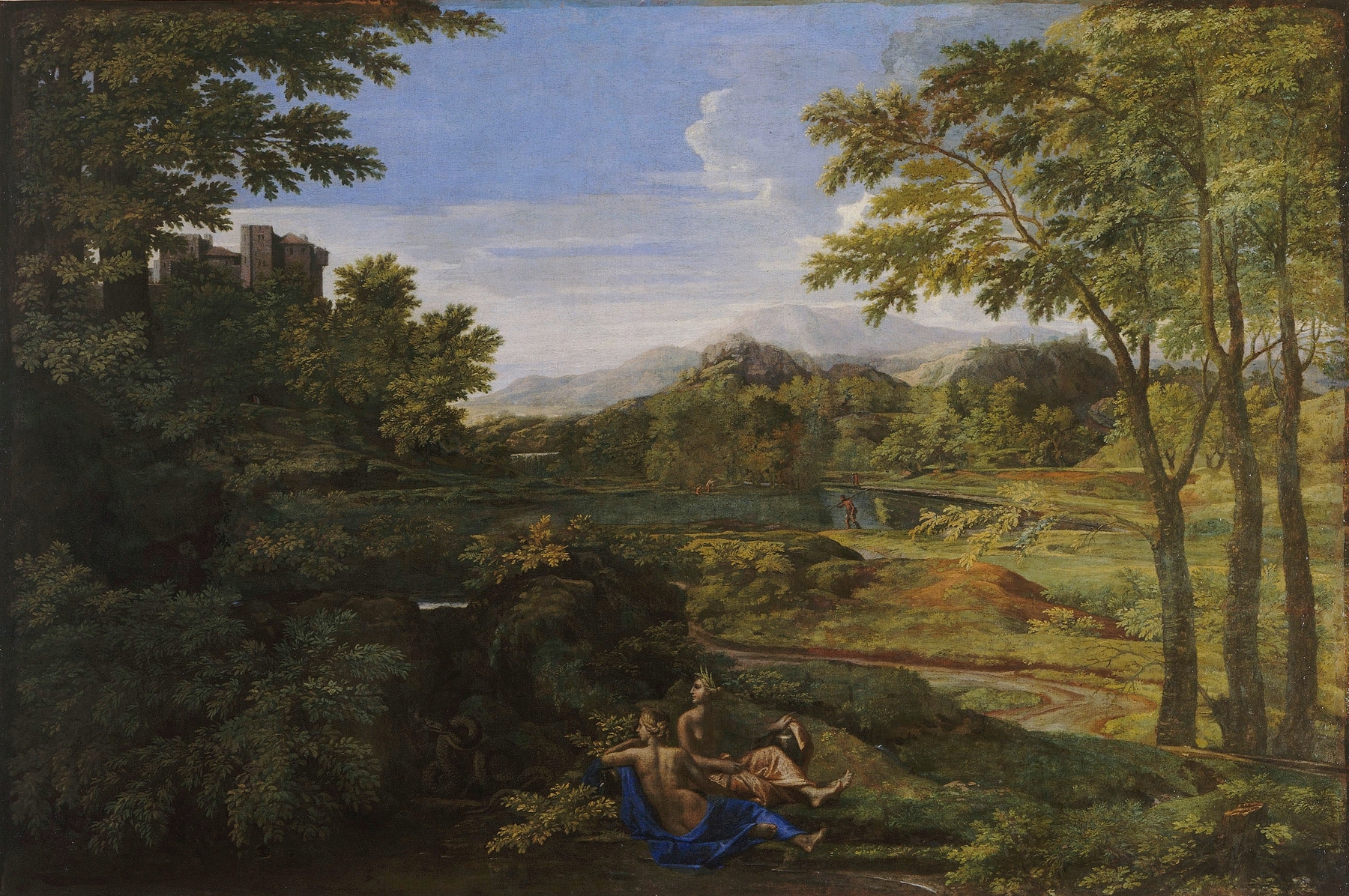
“The canvas doesn’t lie — it simply waits.” In the stillness of Landscape with Saint John on Patmos, truth emerges gently from a lush, verdant reality that unfolds before our eyes. Each stroke, each color whispering the essence of a moment suspended in time, beckons us to explore its depths. Look to the foreground where Saint John pens his revelations, bathed in soft light that seems to spill from the heavens above. The sky, an ethereal blend of blues and whites, frames him against a backdrop of rugged cliffs and rolling hills. Notice how the warm greens of the trees contrast against the cool tones of the water, creating a harmonious balance that draws the viewer’s gaze to the solitary figure immersed in contemplation.
The meticulous attention to detail in the foliage and rocks reveals Poussin’s command of nature, grounding the spirituality of the scene in tangible form. Hidden within the serene landscape lies a tapestry of meanings. The rugged terrain around the saint symbolizes the trials of isolation faced during his exile. The gentle waves lapping at the shore can be seen as a metaphor for the ebb and flow of divine inspiration.
In the distance, a subtle play of light and shadow suggests the tension between earthly existence and divine revelation, inviting the viewer to reflect on their own search for truth amid life’s chaos. Painted in 1640, during a period of great artistic evolution in France, the work reflects Poussin’s deepening engagement with classical themes and the interplay of nature and spirituality. At this time, he was in Rome, engaged with the principles of ideal beauty and order, navigating the artistic currents of the Baroque while laying the groundwork for the emerging Neoclassical style. This painting stands as a testament to his mastery, encapsulating a moment where faith intertwines with the natural world.