A Man Playing a Harp with other Figures beside a Lake — History & Analysis
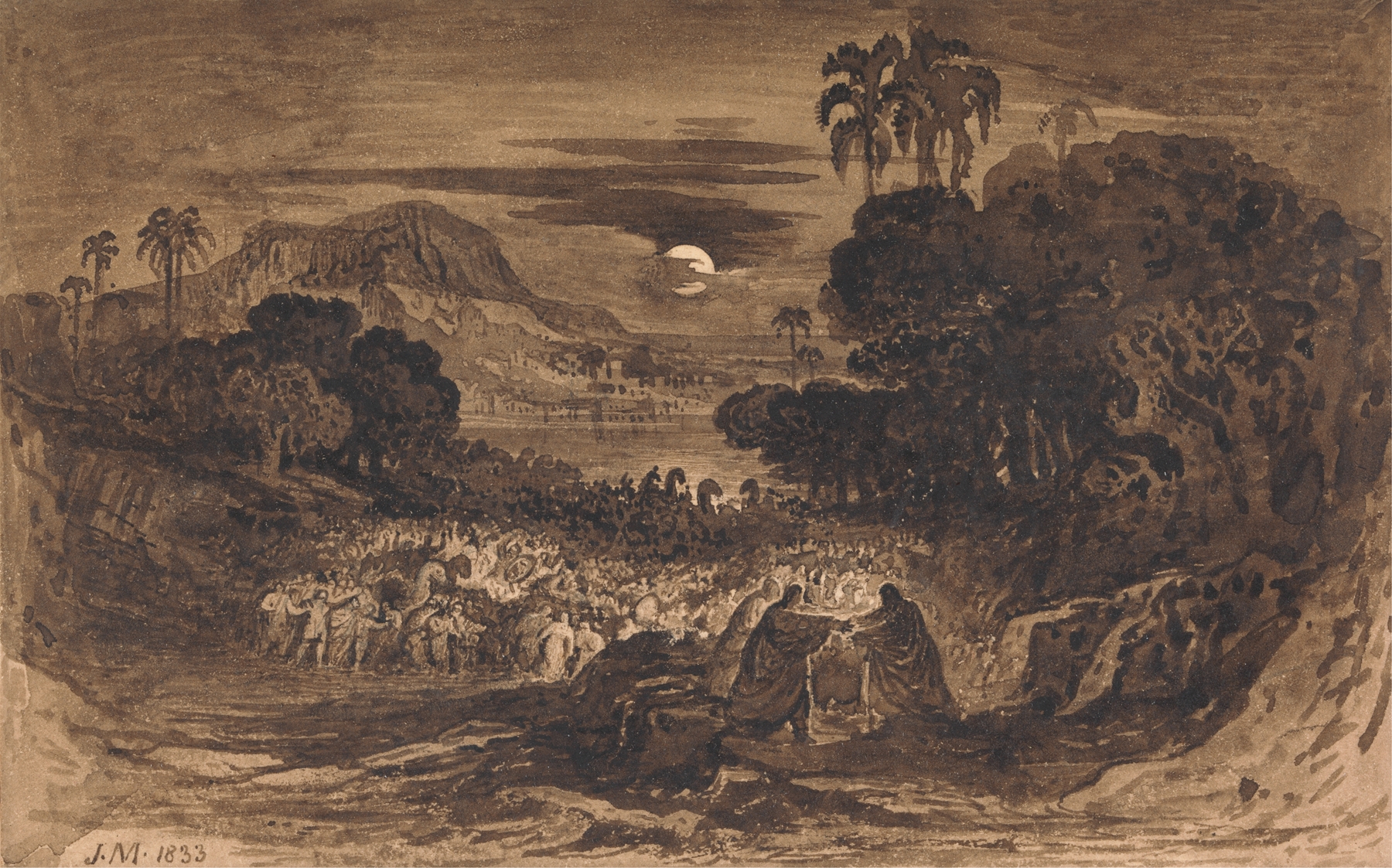
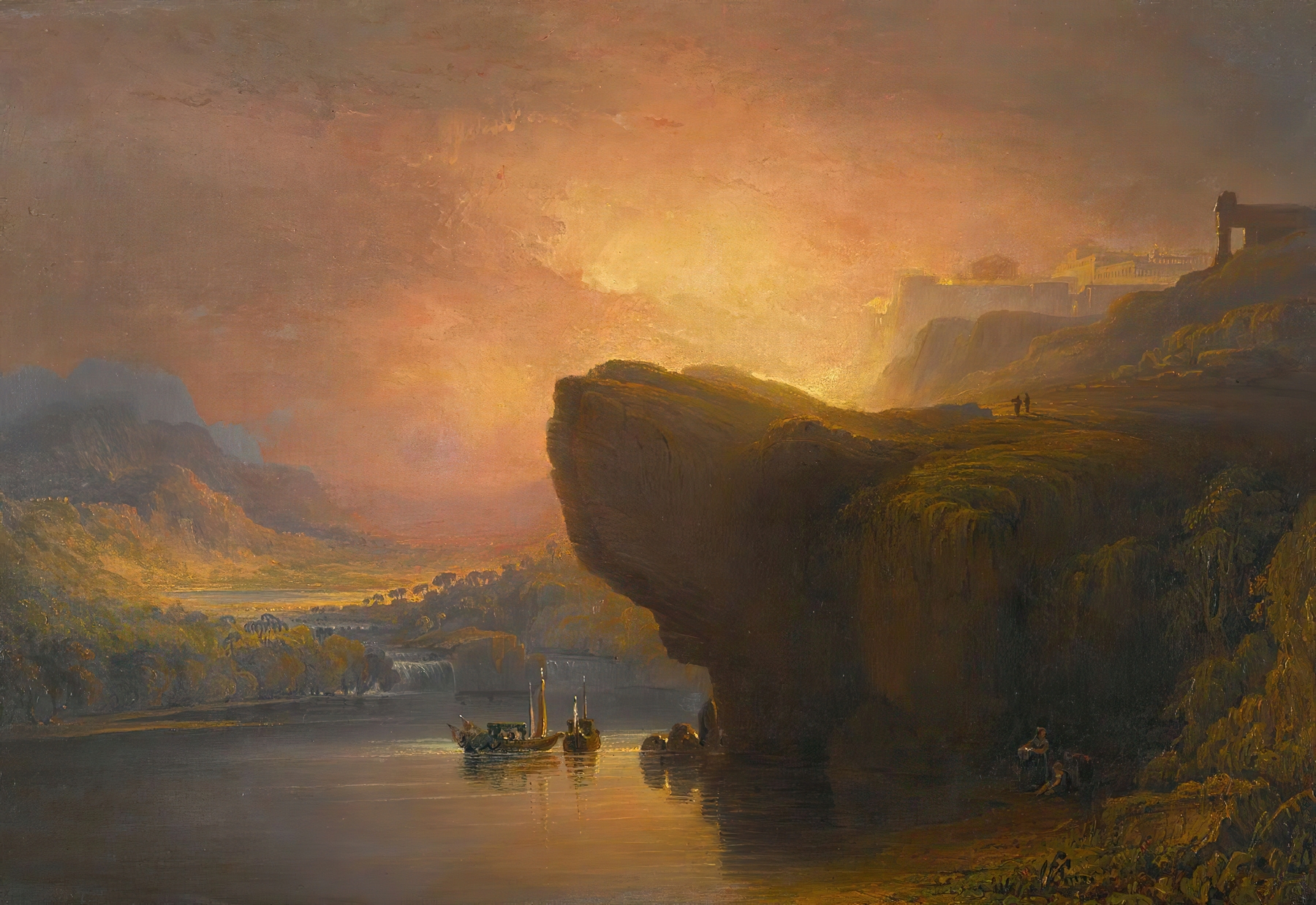
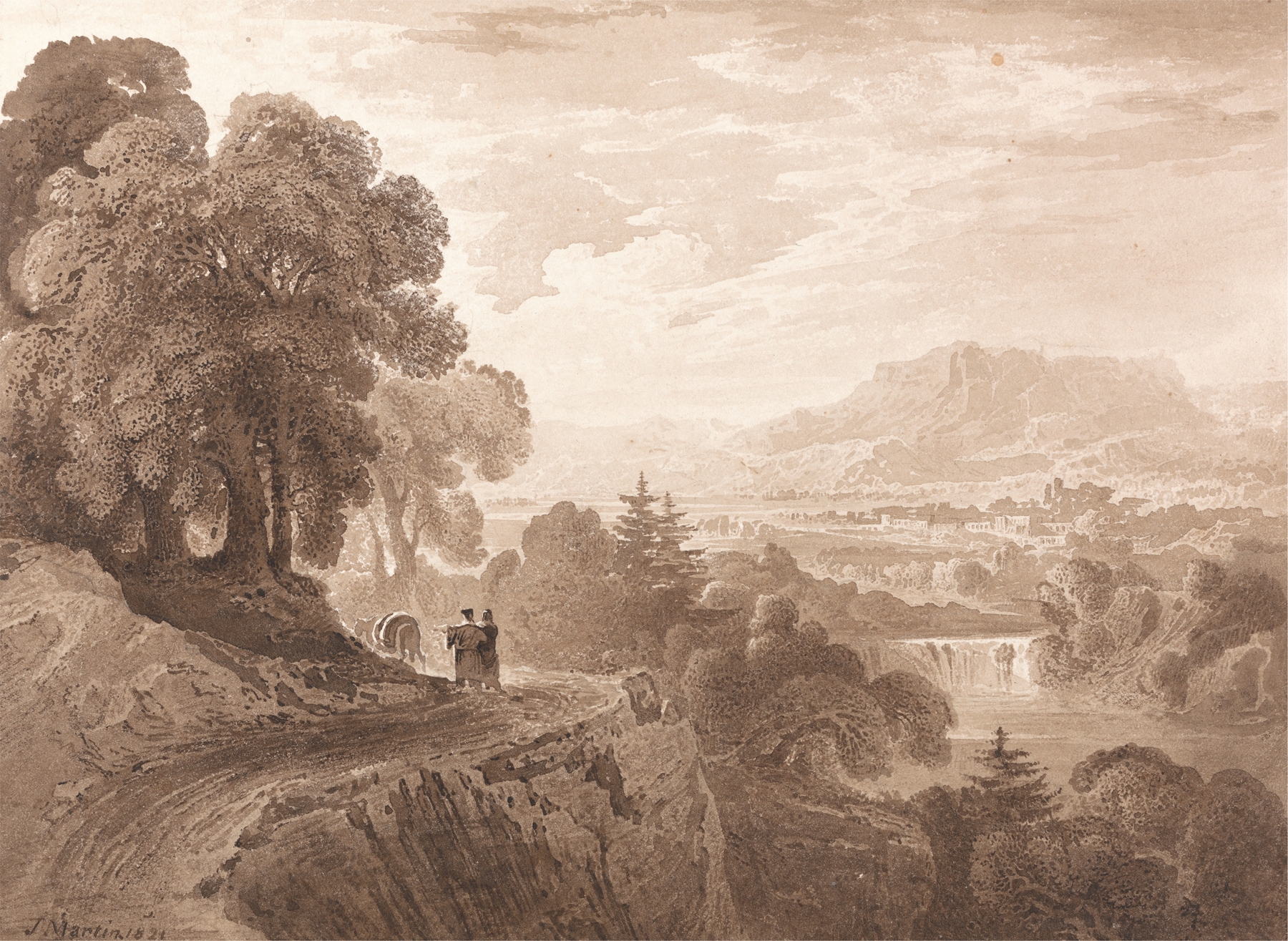
Is this a mirror — or a memory? The wistful harmonies of grief intertwine with the serene landscape, casting a reflective aura over the figures gathered by the water’s edge. Focus on the central figure, a man cradling his harp, its wooden body glowing softly under the ambient light. His posture leans slightly forward, as if the strings of his instrument are whispering secrets to the serene lake.
Notice how the delicate ripples in the water mirror not only his image but also the muted expressions of the figures beside him, each one caught in their own contemplative reverie, their colors rich yet subdued. The gathering speaks volumes of emotional tension, as the bright hues of the man's attire contrast sharply with the muted tones of the surrounding figures, hinting at an inner dialogue of joy and sorrow. The lake, a symbol of reflection, serves as a boundary between the buoyancy of music and the heaviness of despair, evoking a shared experience of loss. The ethereal light that envelops the scene adds to this complexity, suggesting hope intertwined with melancholy.
In 1820, John Martin was navigating the artistic landscape of Romanticism, a movement that emphasized emotion and the sublime. At this juncture, he was exploring themes of human experience within the natural world, responding to the tumultuous social changes of his time. His focus on dramatic narratives and profound emotions in works like this one reflects both personal trials and a wider artistic conversation, capturing the essence of longing and connection amidst beauty and reflection.