A Moonlit Scene with a Winding River — History & Analysis
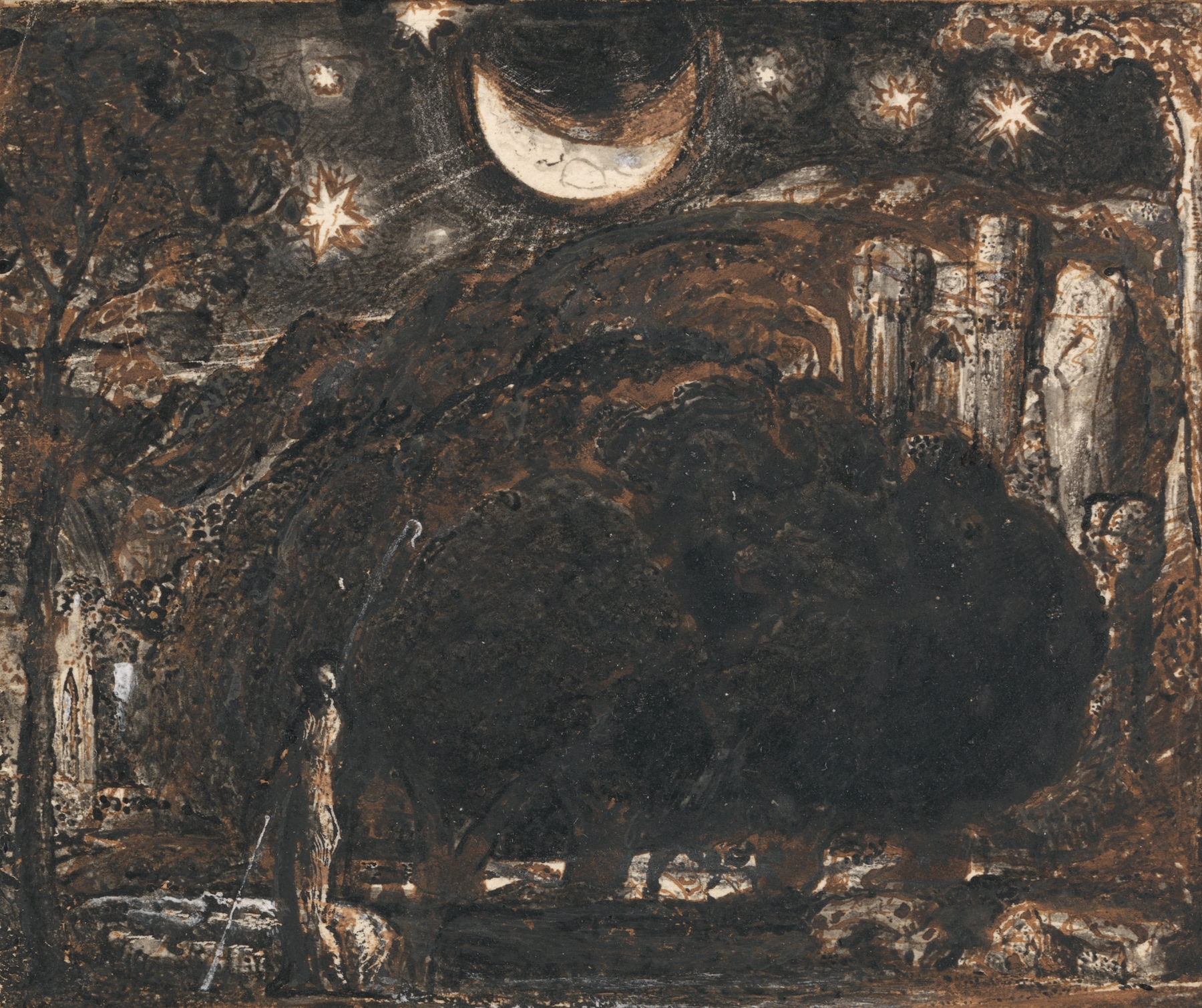
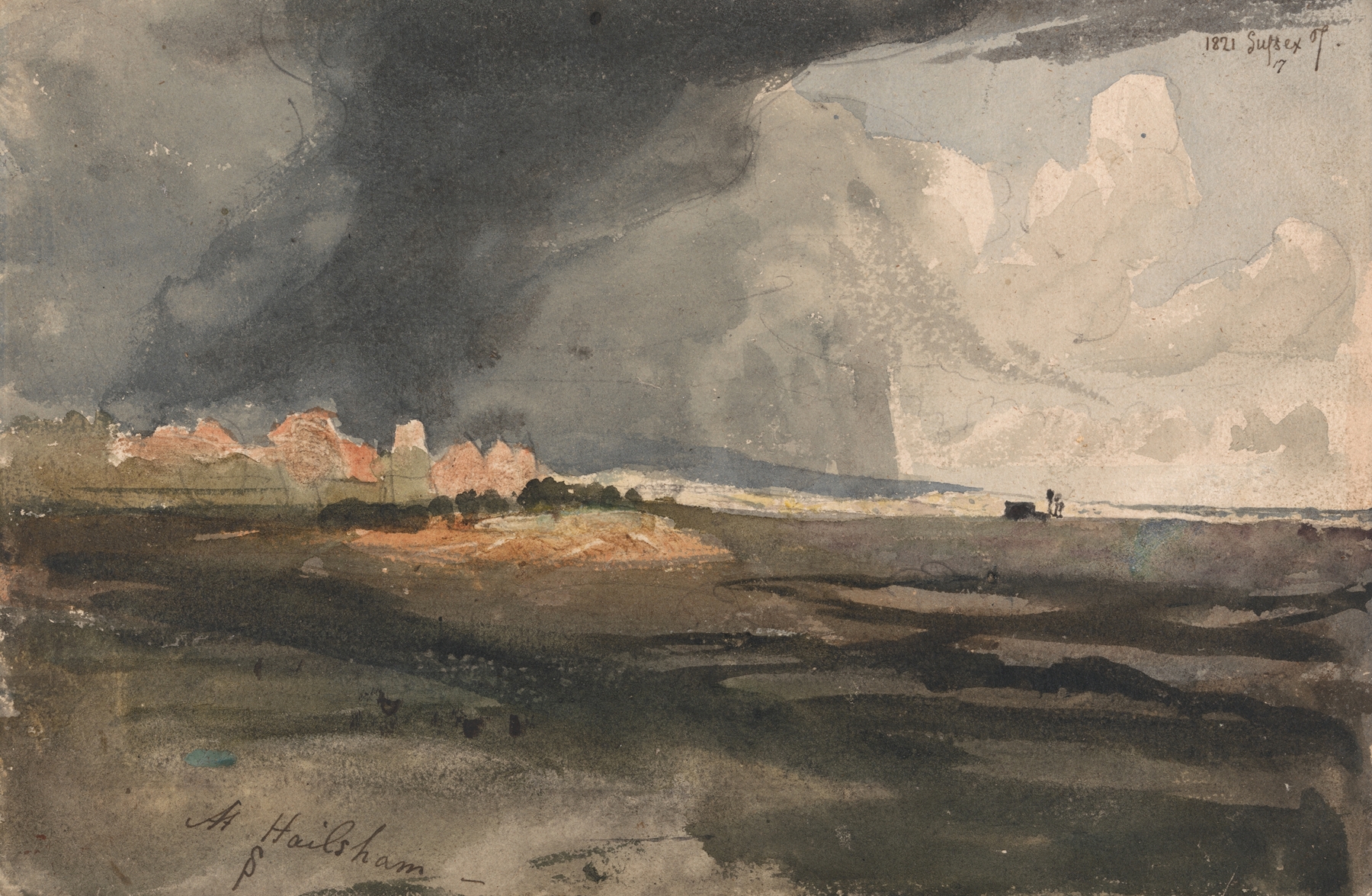
“Art reveals the soul when the world turns away.” In stillness, where the echo of humanity softens, the essence of loneliness emerges, inviting contemplation and connection. Focus on the gentle curves of the winding river at the center of the composition, drawing your gaze through the meandering water that reflects the silvery moonlight. Notice how the luminescence dances upon the surface, guiding the eye toward the shadowy banks where trees stand like sentinels. The muted palette, heavy with deep blues and soft grays, envelops the scene in a tranquil yet haunting atmosphere, establishing a dialogue between nature and the human spirit.
In the serene landscape, contrasts abound: the ethereal light of the moon juxtaposed against the darkness of the embracing night, and the solitude of the river’s banks set against the vastness of the sky. Small details, such as the wisps of clouds drifting lazily overhead, whisper of dreams that evade reach, amplifying the sensation of yearning. This composition evokes introspection, a reminder of the quieter moments where loneliness speaks the loudest, and the soul finds its voice in reflection.
Samuel Palmer painted this piece during the early 19th century, a time when he sought solace in the picturesque English countryside. Living in a period marked by industrial change, he turned to art as a means to escape, capturing the ephemeral beauty of nature. His work resonates with the Romantic ideals of the era, emphasizing emotion and individual experience, and A Moonlit Scene with a Winding River emerges as a poignant expression of that search for connection amidst solitude.