A River Landscape — History & Analysis
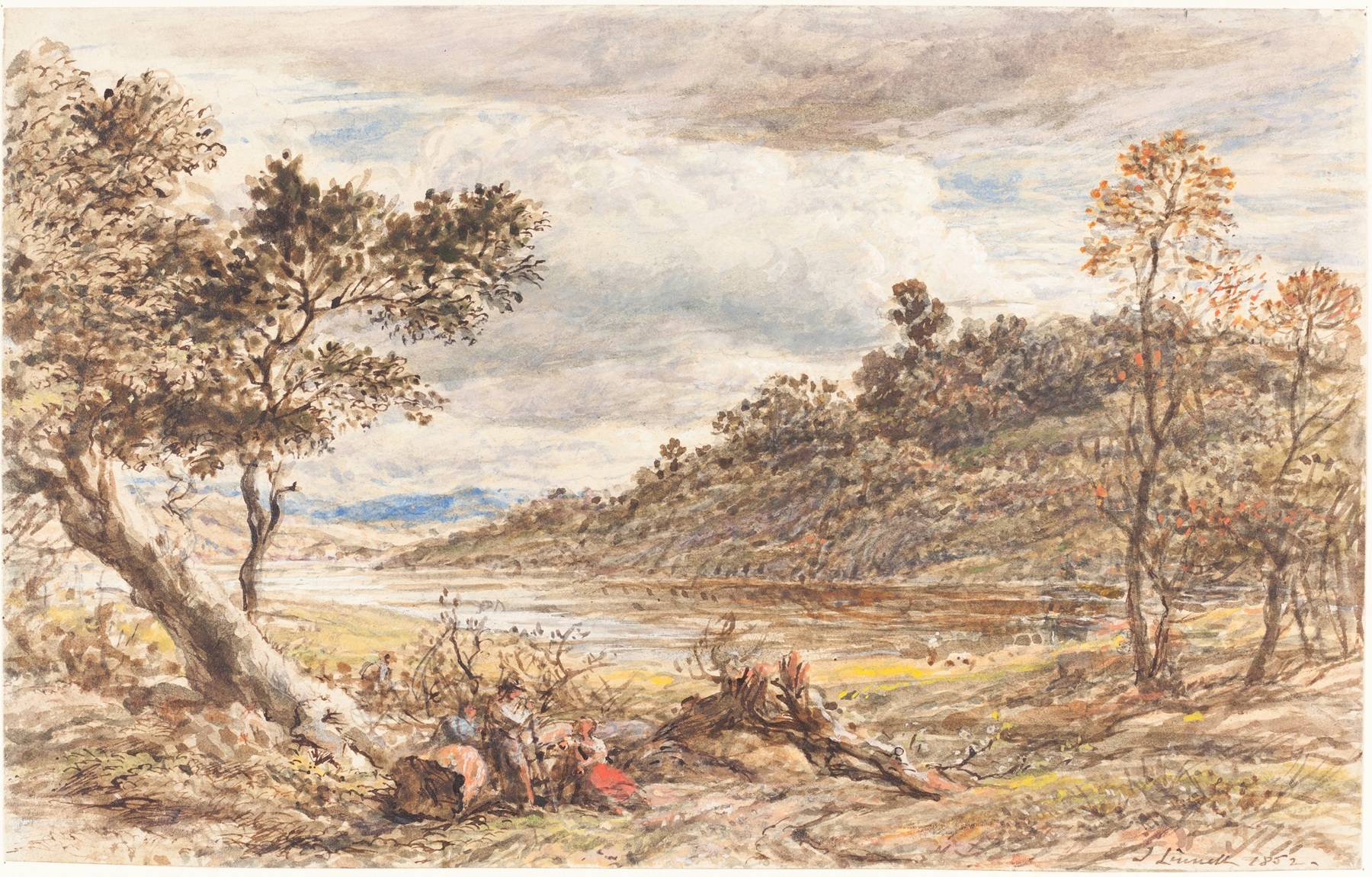
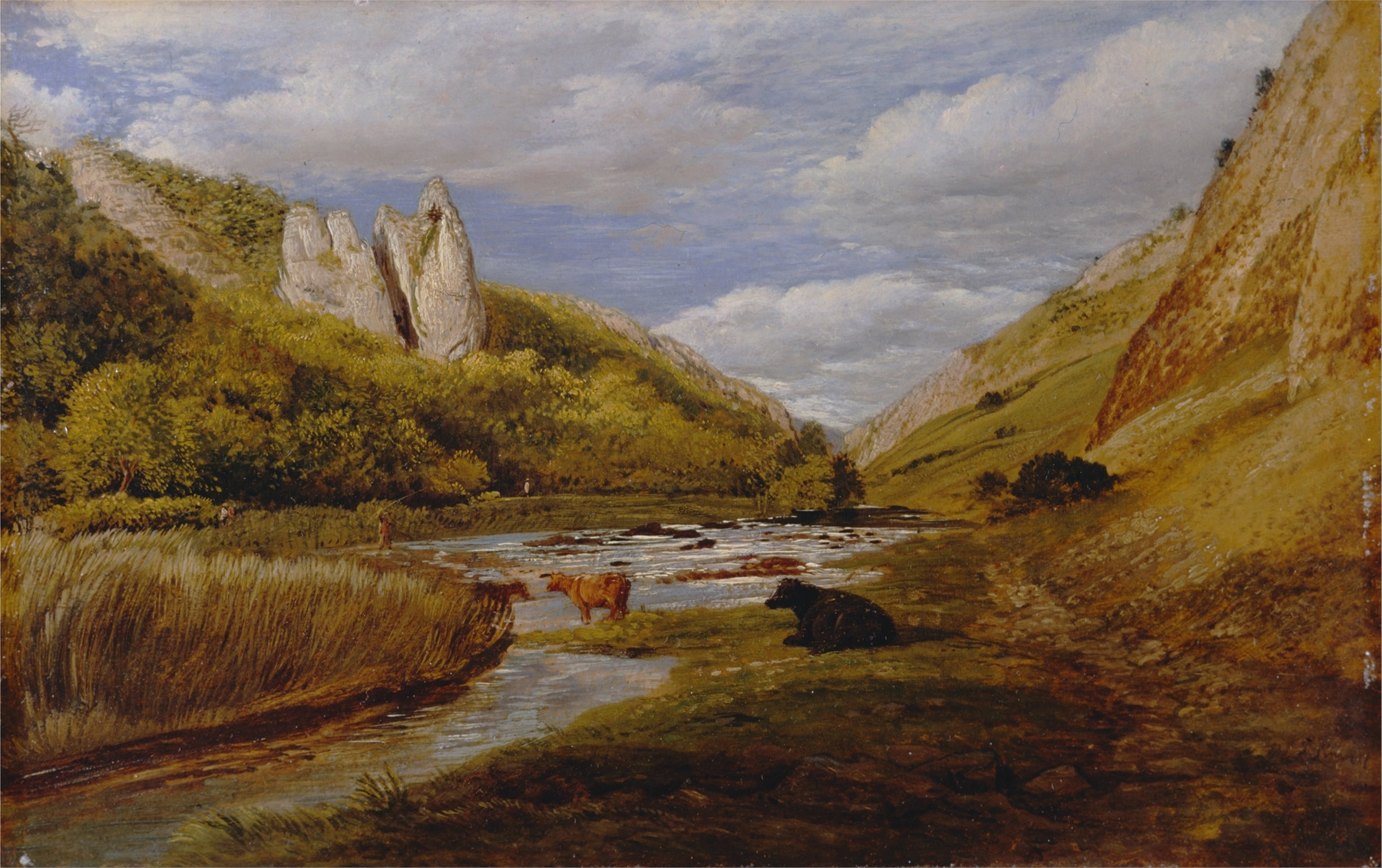
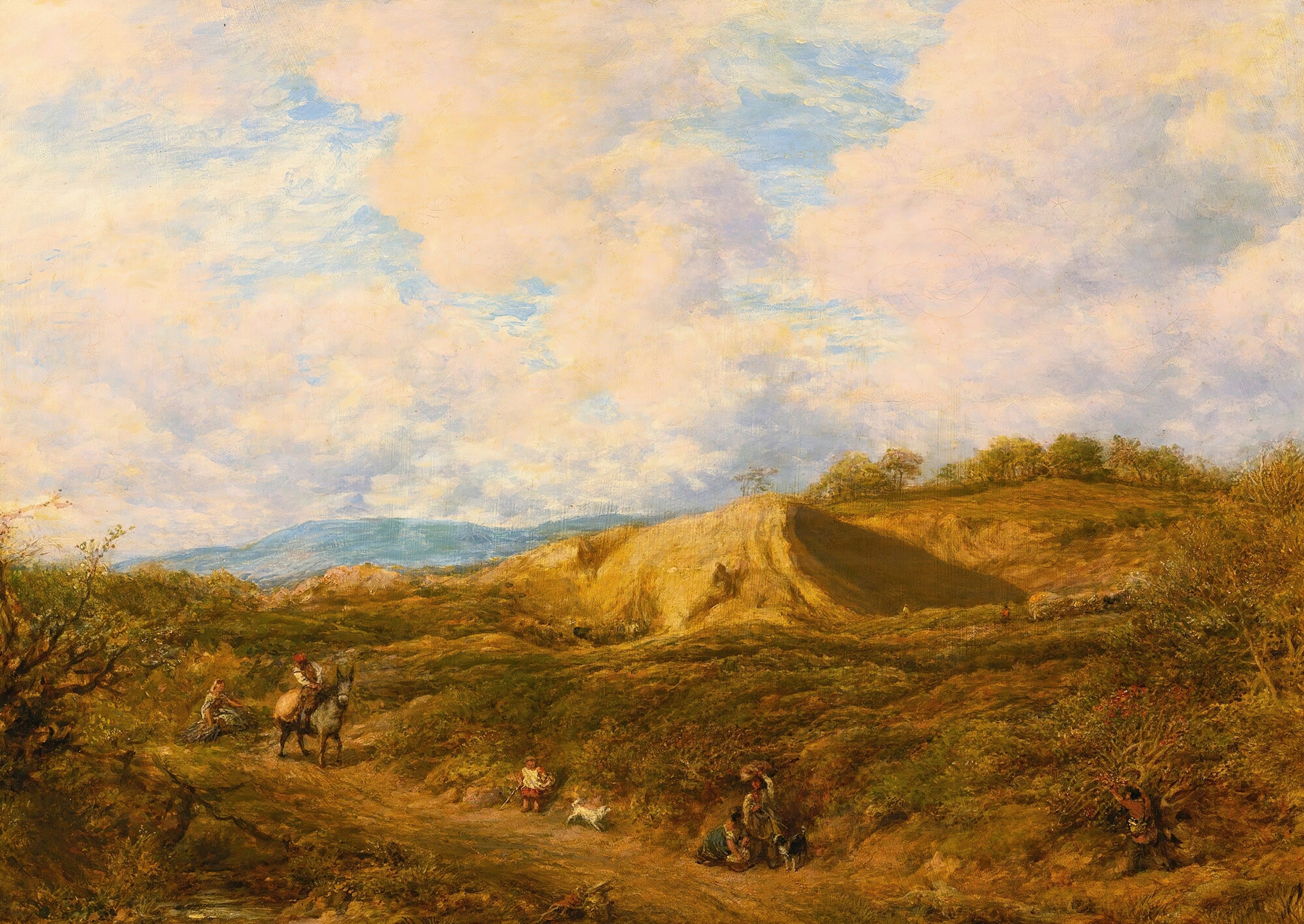
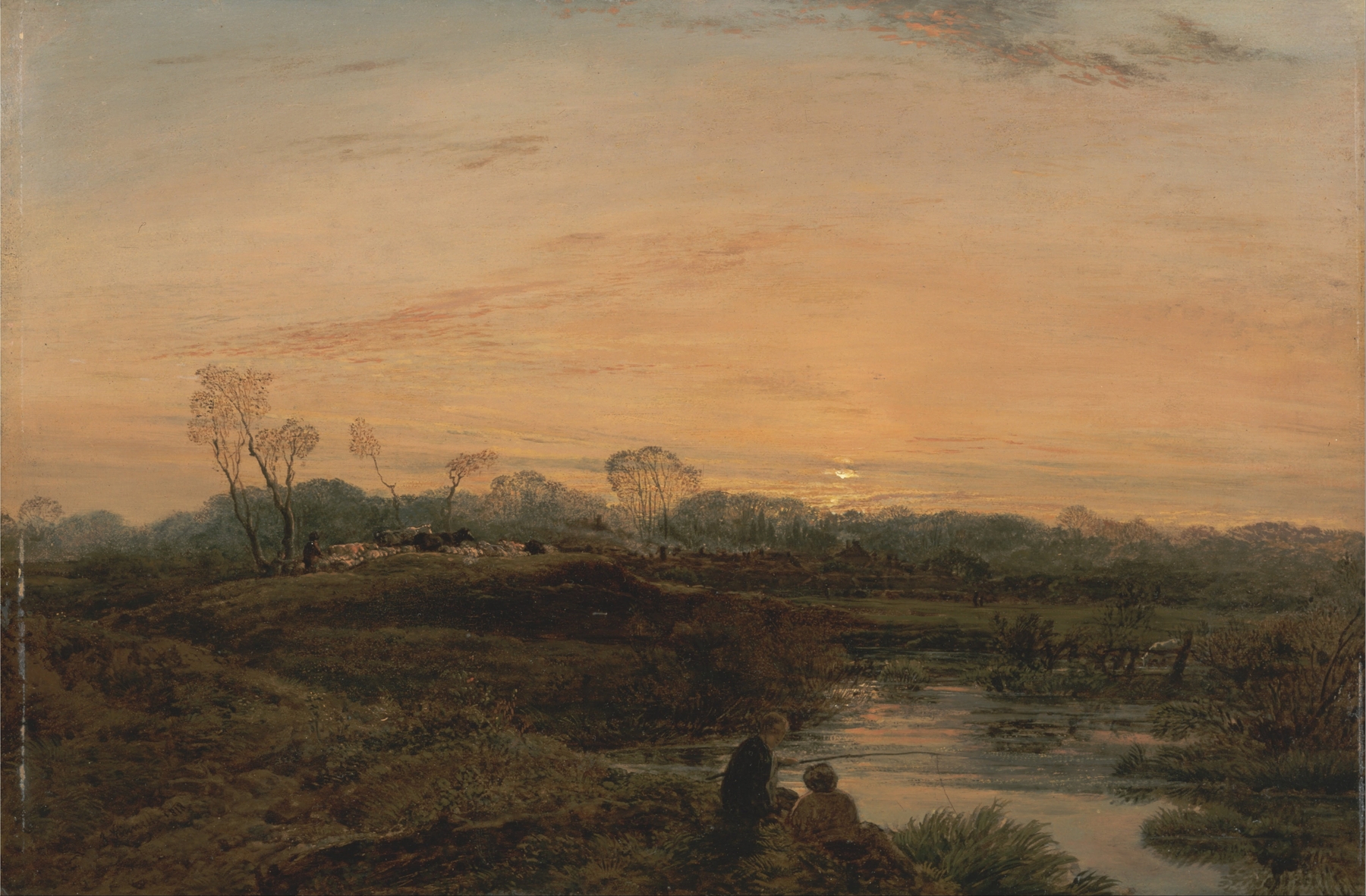
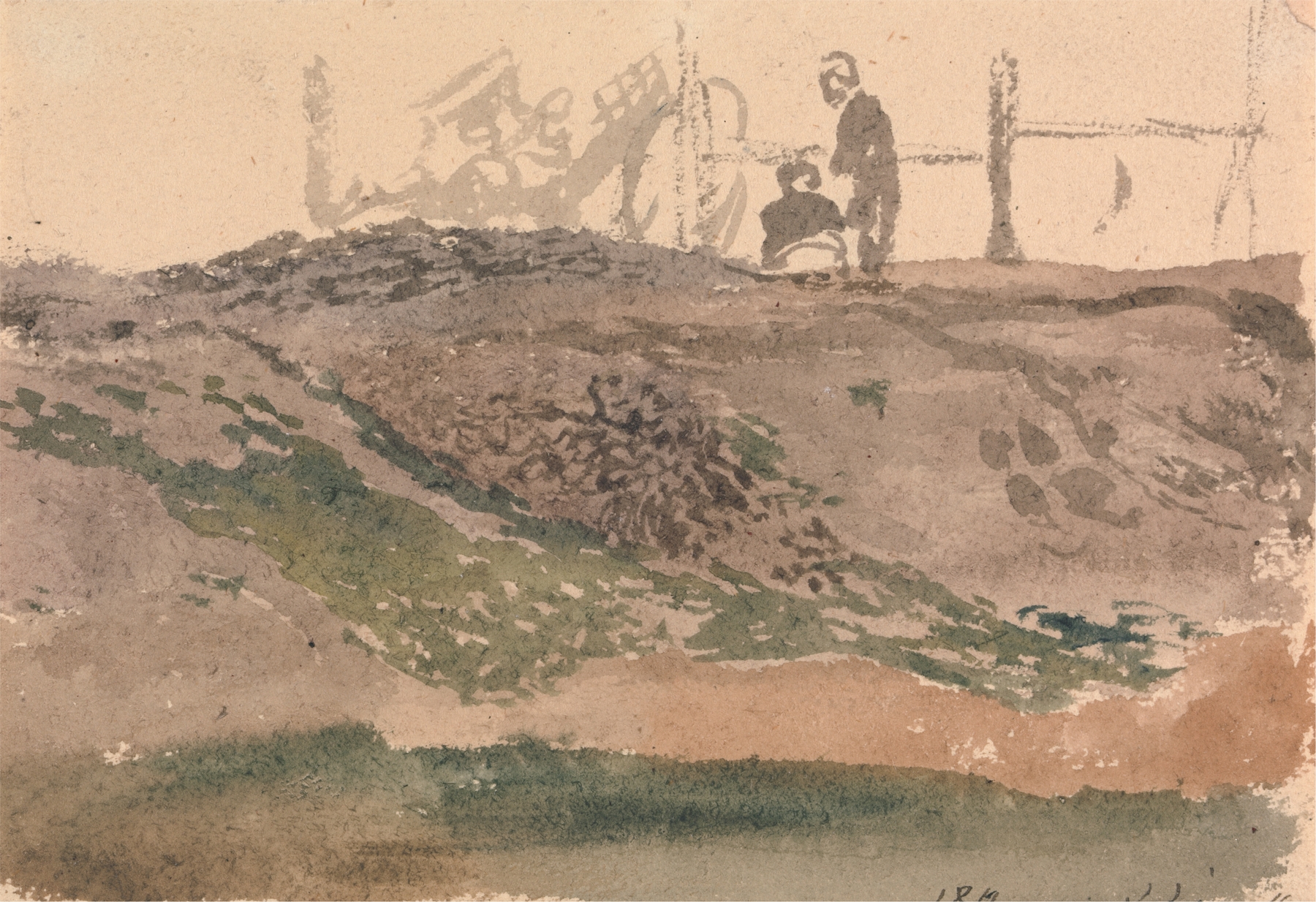
Is this a mirror — or a memory? In John Linnell's A River Landscape, the boundaries between reality and reverie dissolve, inviting the viewer to ponder the madness of nature's beauty and the chaos of the human mind. Look to the center where a shimmering river slices through the canvas, its surface a delicate interplay of blues and greens that reflect the surrounding foliage. Notice how the light dances on the water, creating an ethereal glow that draws your eye deeper into the scene.
The trees, with their rich, textured bark and vibrant leaves, frame the landscape almost like guardians of a secret world, while the distant hills suggest an infinite horizon waiting to be explored. Amidst the tranquility, a subtle tension lingers. The juxtaposition of the serene river and the wild, untamed vegetation hints at a deeper emotional undercurrent, perhaps the chaotic nature of memory itself. The winding path along the riverbank beckons, while the shadows lurking in the brush suggest something unresolved, a flicker of madness that lurks just beneath the idyllic surface, echoing the complexity of human experience.
In 1860, Linnell painted this piece during a time when the Pre-Raphaelite movement was flourishing in England, marking a transition in artistic expression that favored realism and emotional depth. He was deeply influenced by the English countryside and the Romantic ideals of nature, aiming to capture its essence while grappling with personal challenges. This painting encapsulates not only a moment in time but also a reflection on the artist’s own journey through the tumultuous landscape of his mind.