Redhill Common, Surrey — History & Analysis
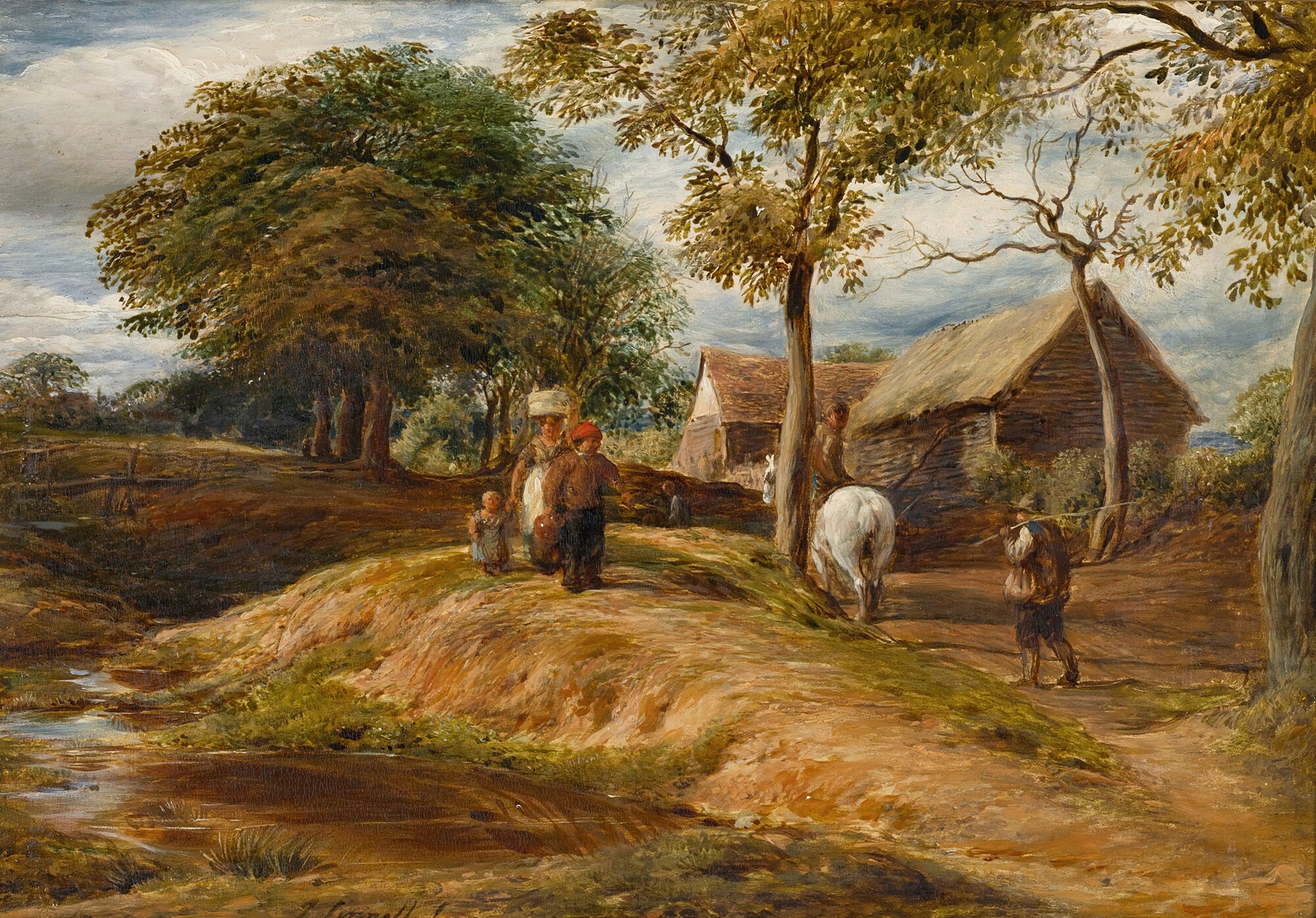
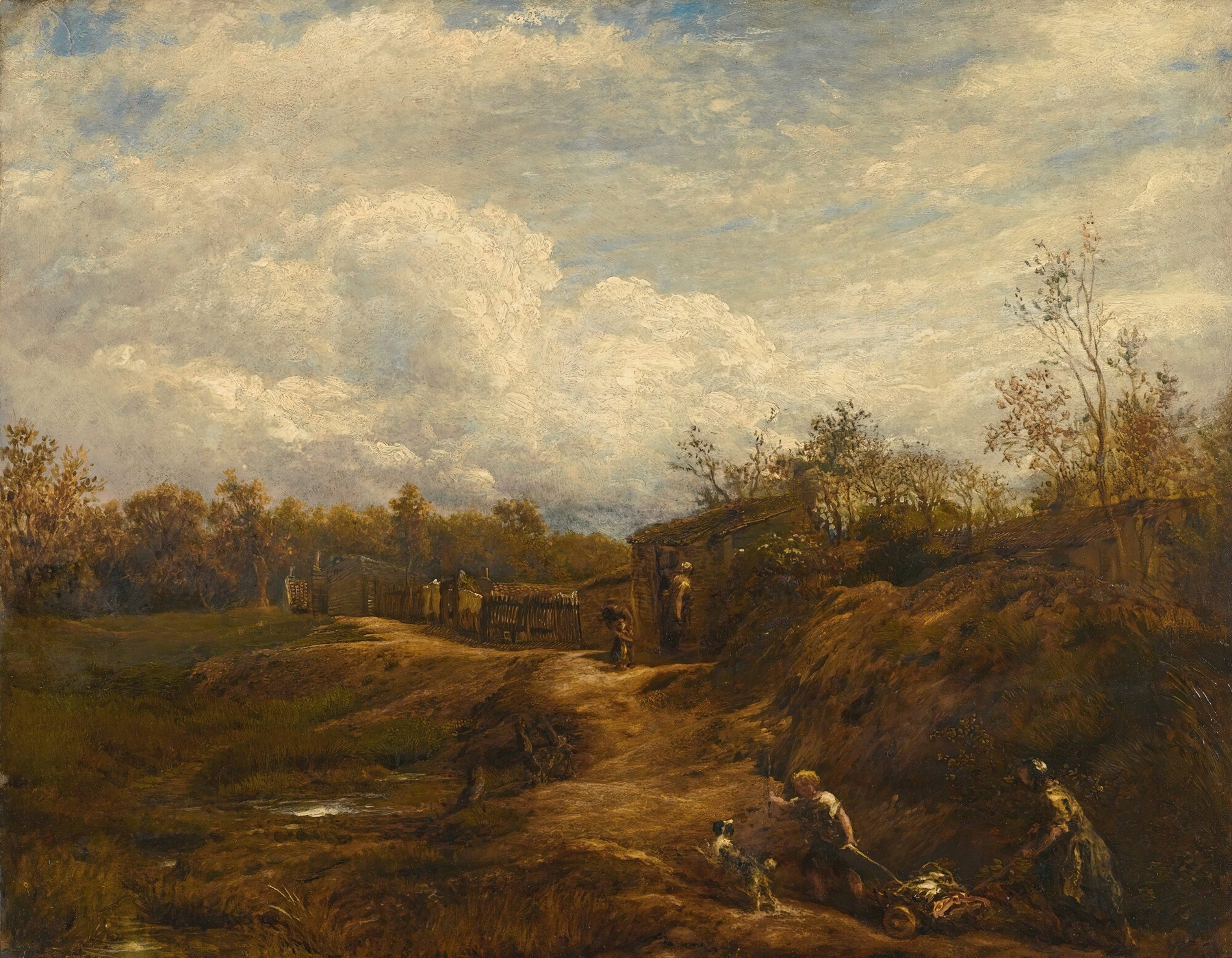
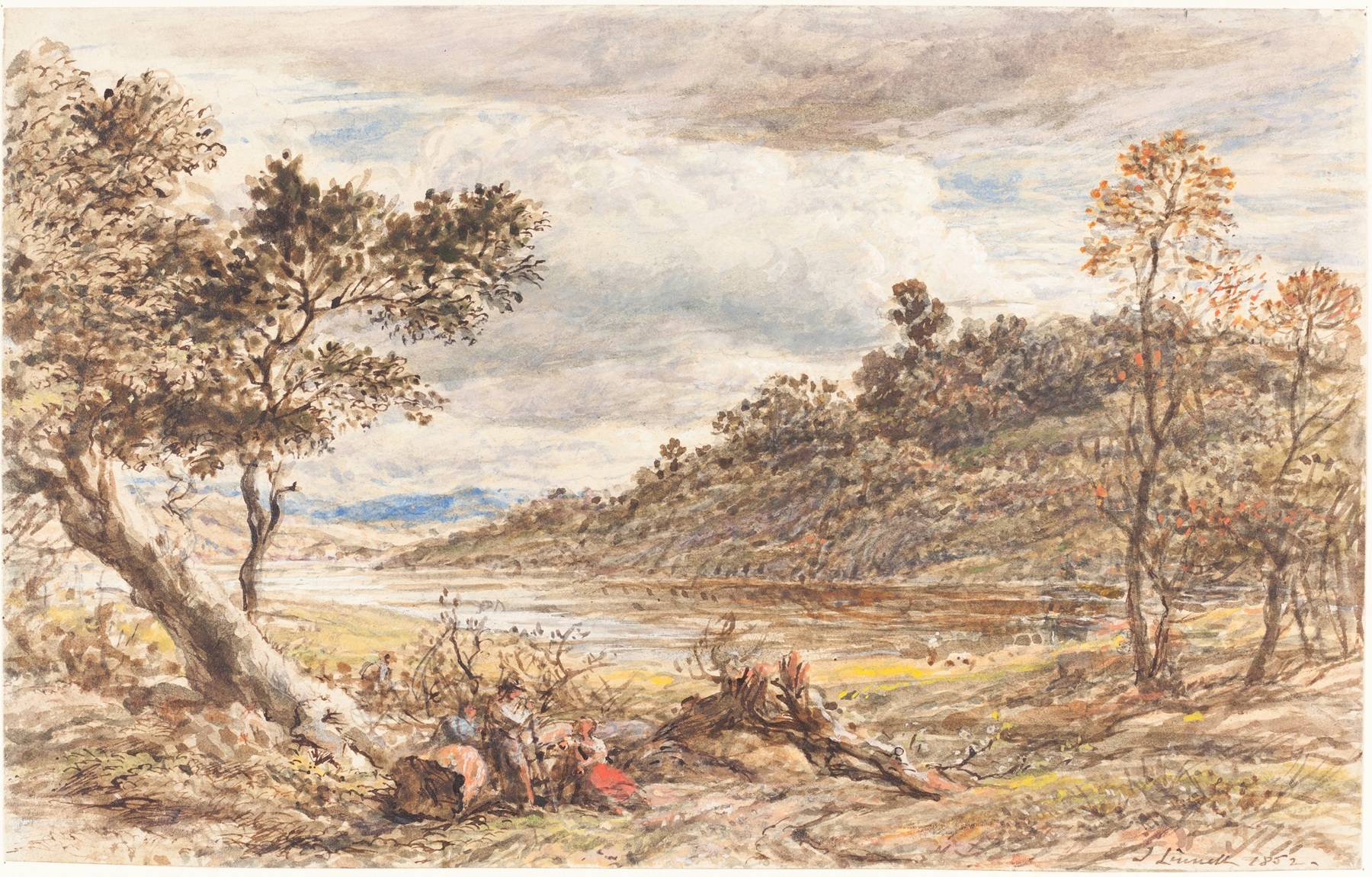
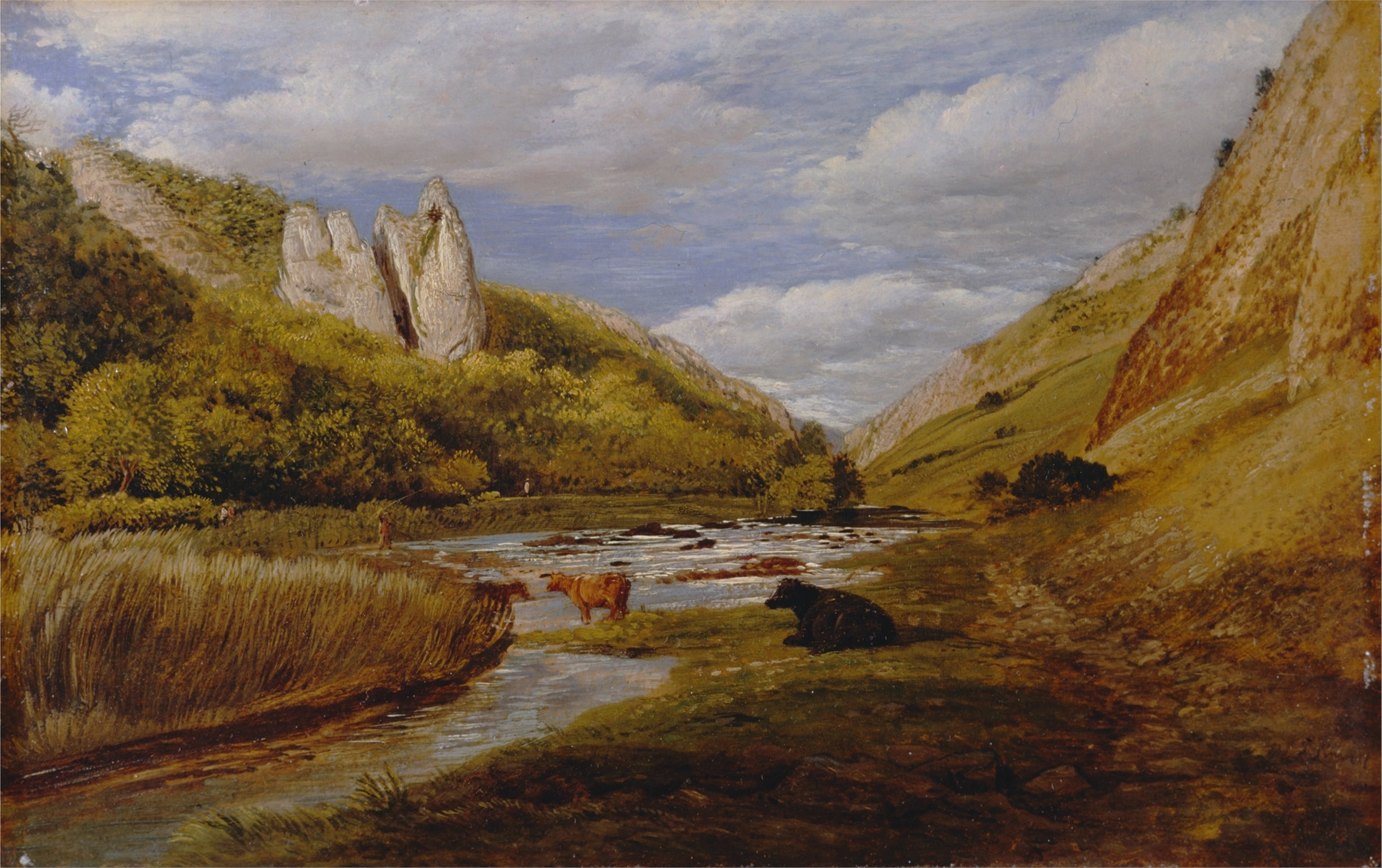
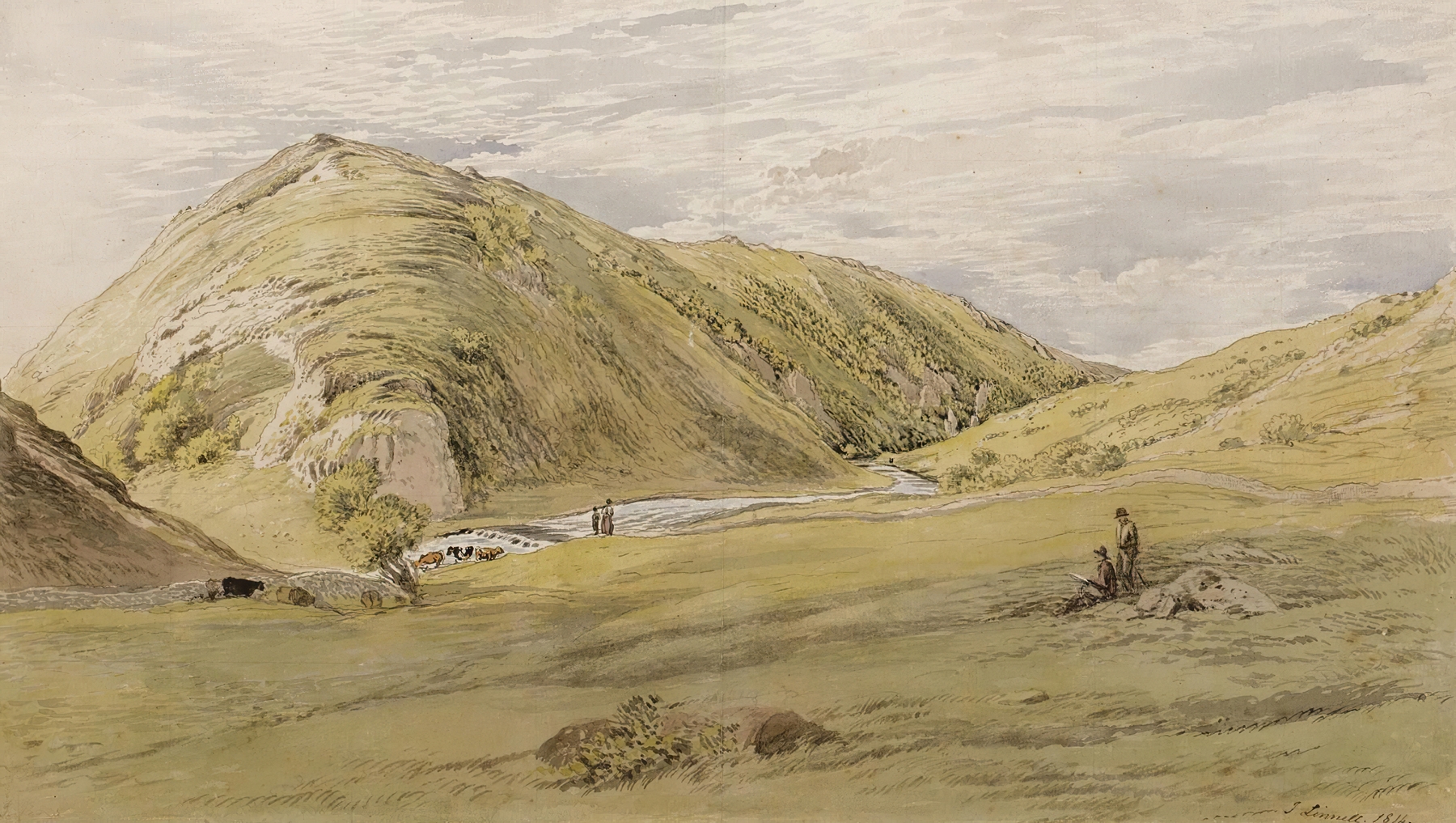
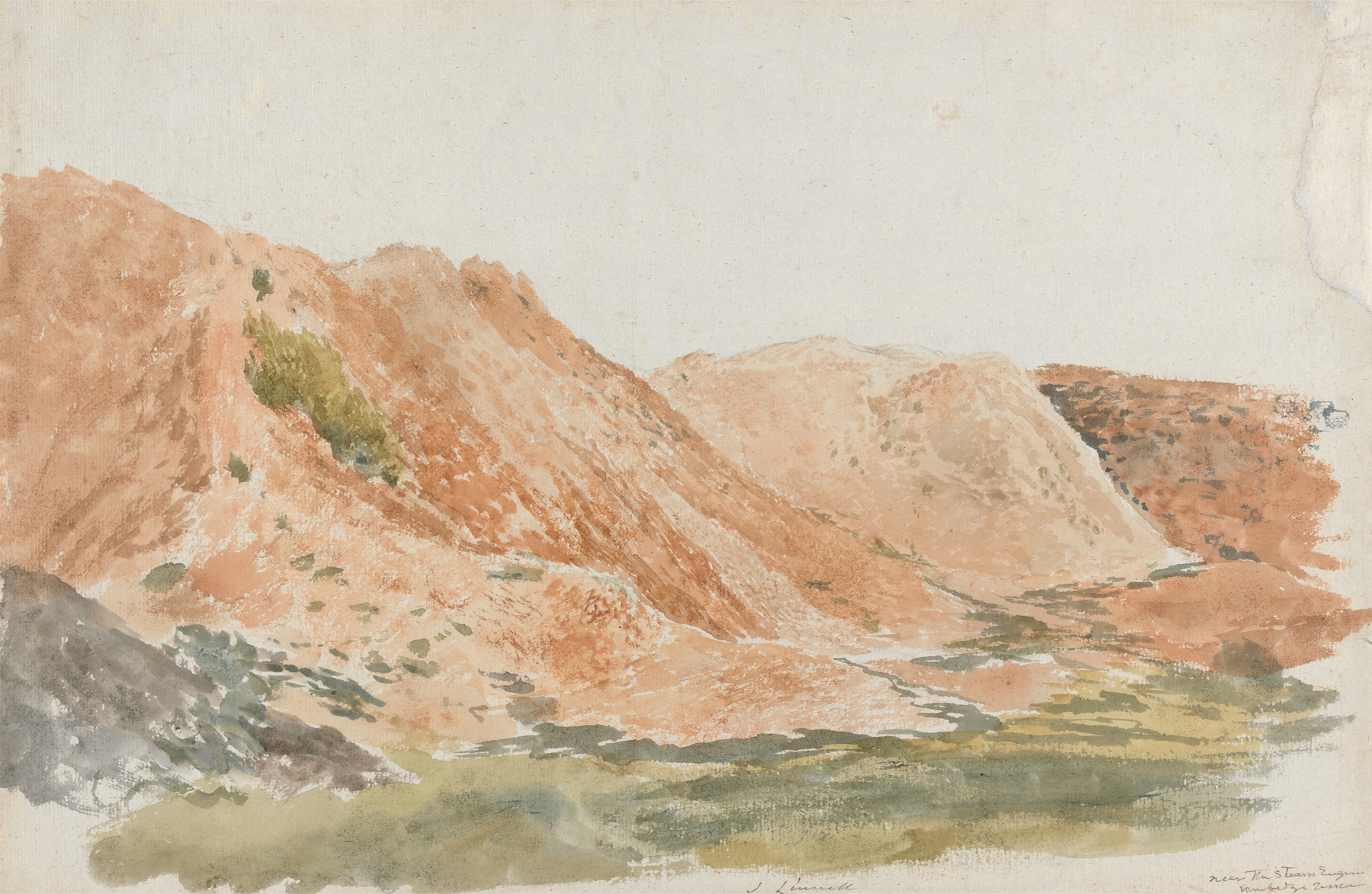
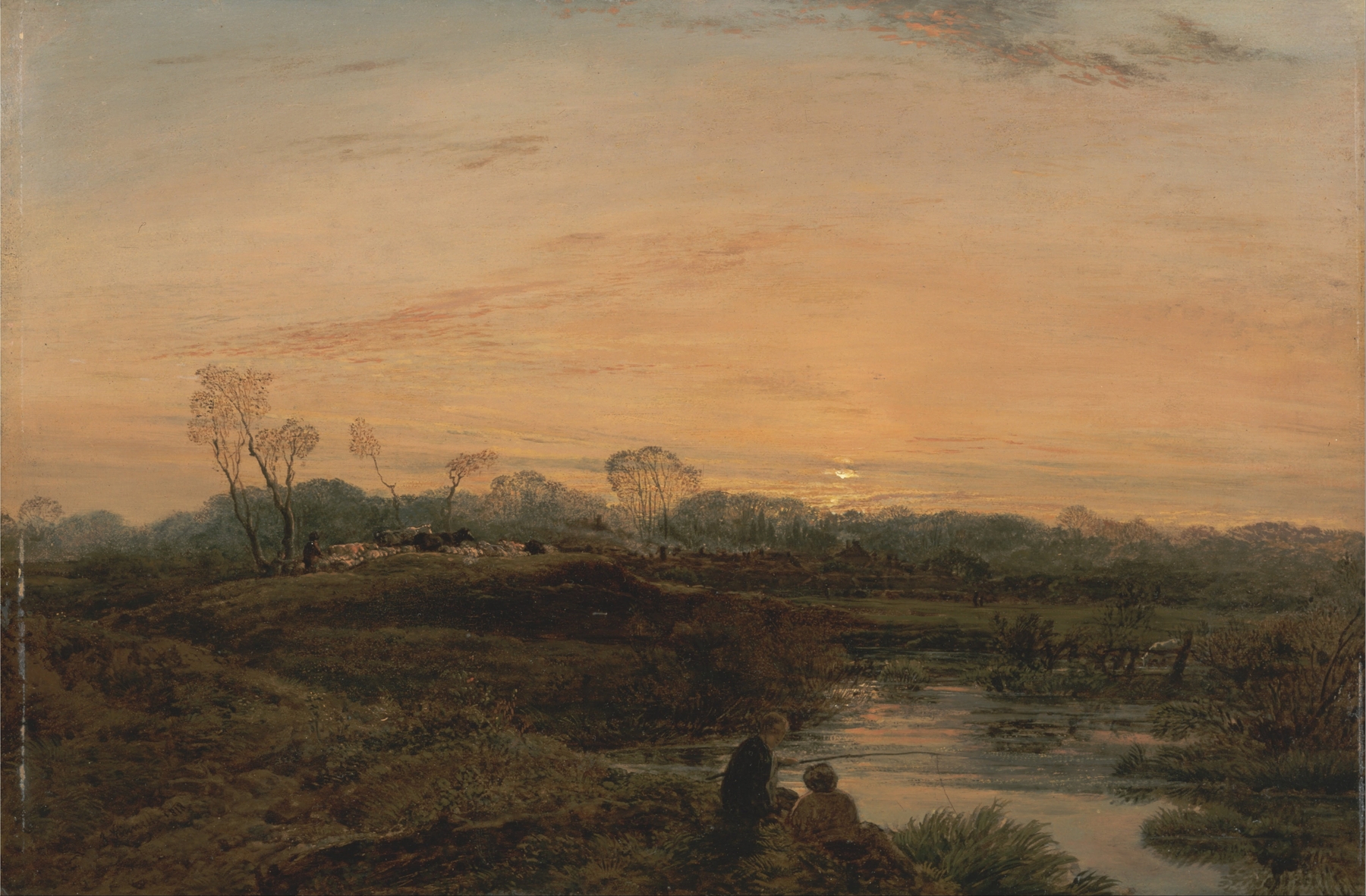
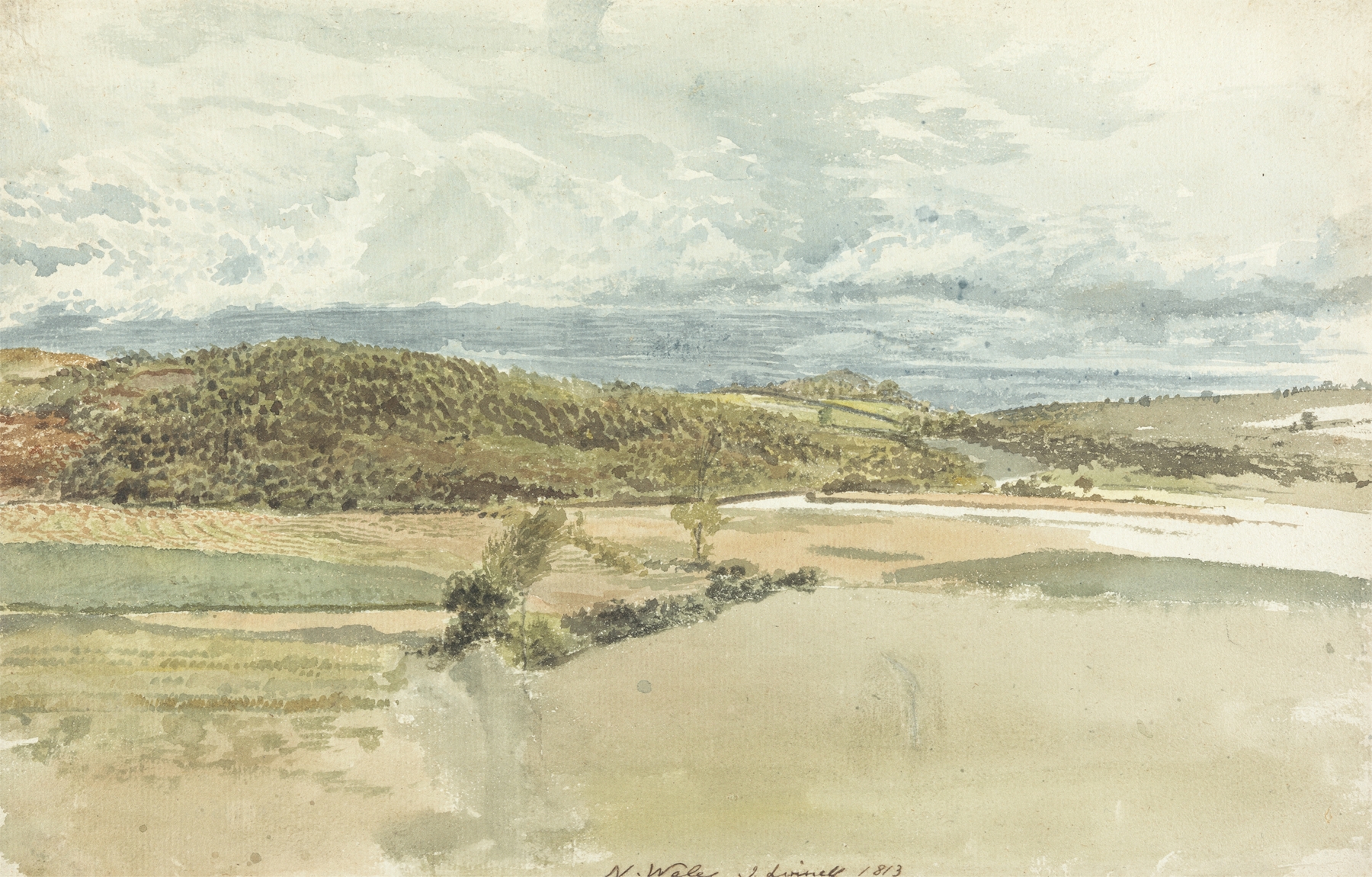
“Art reveals the soul when the world turns away.” In a moment of stillness, nature whispers its secrets, inviting us to awaken to the beauty hidden within the ordinary. Notice how your gaze is drawn to the gentle undulations of the landscape, where soft greens and earthy browns harmonize in a tranquil embrace. The rolling hills are punctuated by a serene sky that transitions from the warmth of dawn to the coolness of midday, with light spilling gracefully across the scene, illuminating the rich textures of the foliage. The careful strokes convey a sense of movement, as if the trees themselves are breathing, their leaves rustling in a soft breeze.
In this work, the contrast between light and shadow serves as a metaphor for awakening and reflection. The vibrant foreground speaks to life's vitality, while the more muted background hints at the passage of time and the ephemeral nature of existence. The solitary figure peering into the distance suggests introspection, posing questions about the relationship between the individual and the vastness of the world. This interplay reveals a deeper emotional tension, as the viewer is invited to consider their own place within this expansive landscape.
Created in 1874, this piece reflects John Linnell’s dedication to capturing the English countryside amidst a time of rapid industrialization. At this point in his life, the artist was immersed in the Pre-Raphaelite movement’s ideals, seeking to evoke a sense of harmony with nature while critiquing the encroaching urban landscape. Linnell's work serves as a poignant reminder of the enduring beauty that can be found in the natural world, even as it faces the challenges of change.