An English Landscape — History & Analysis
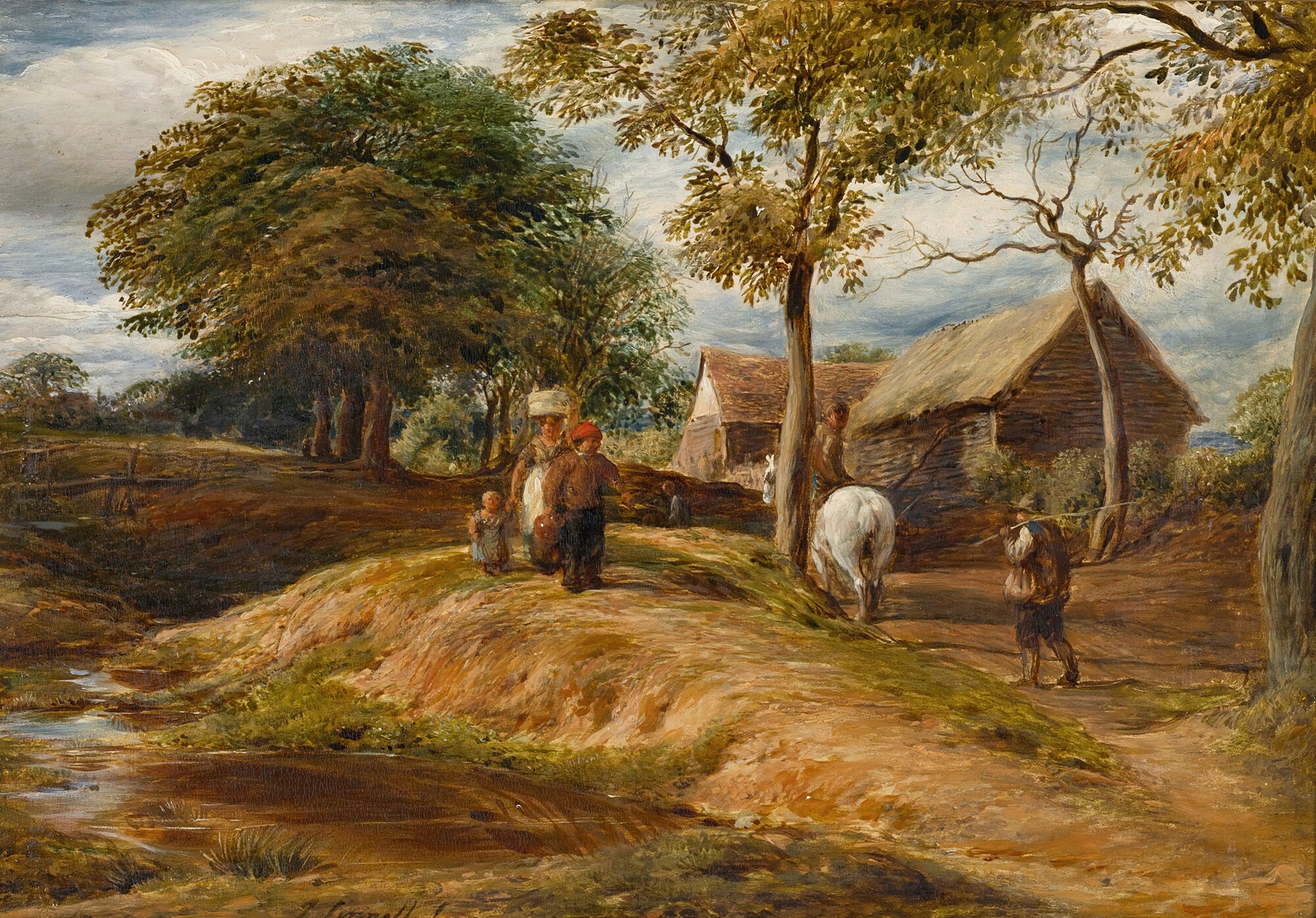
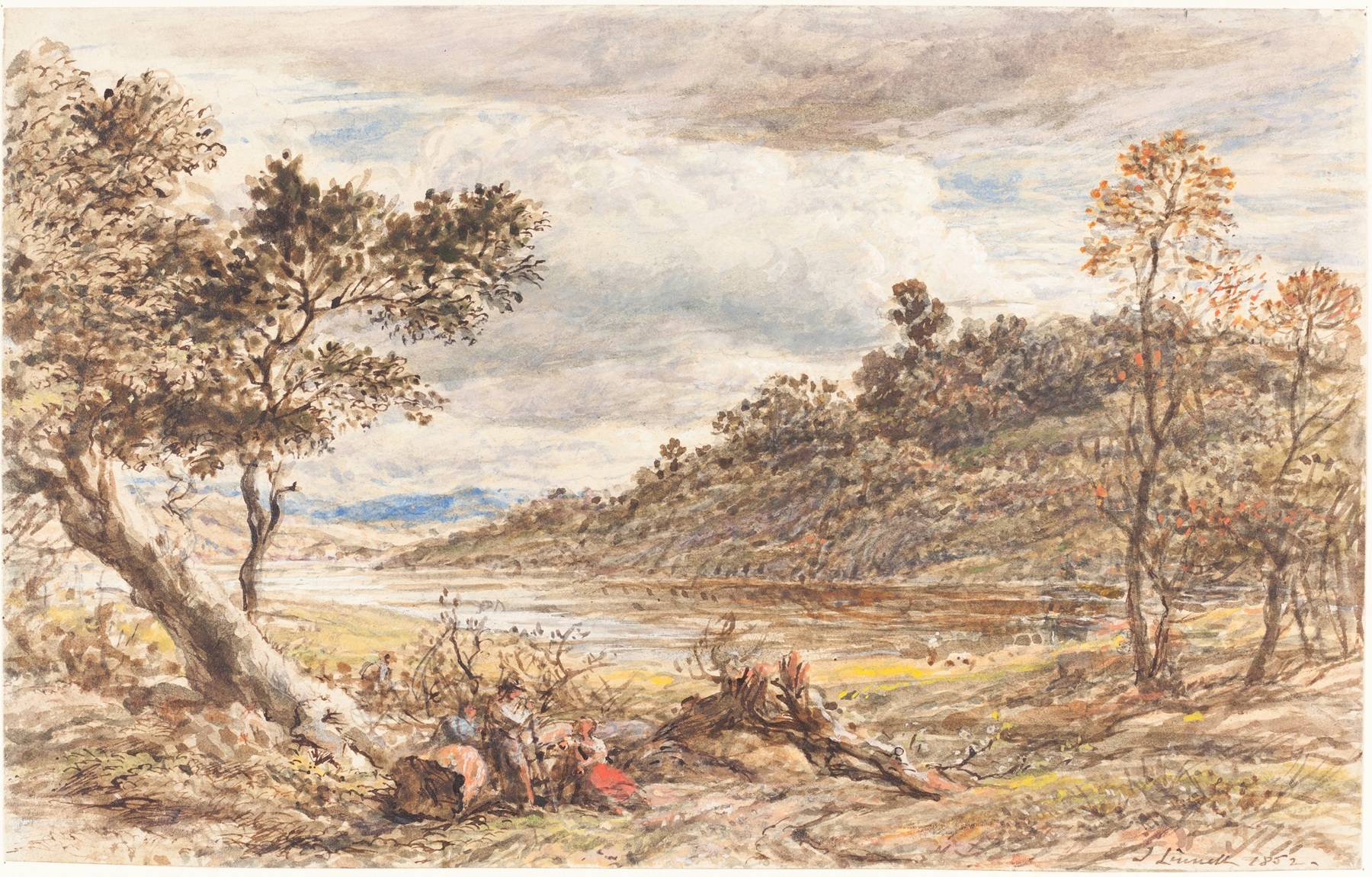
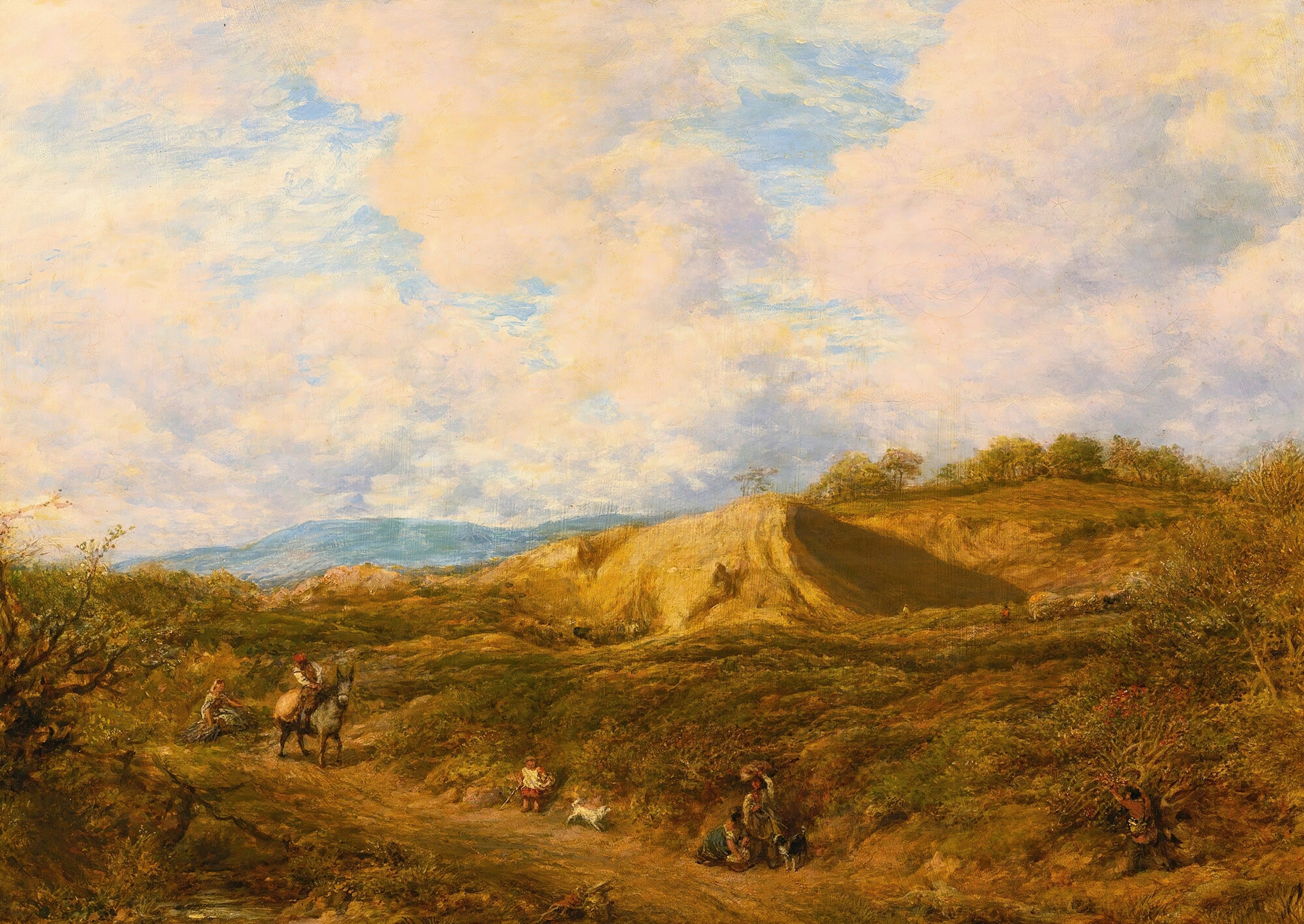
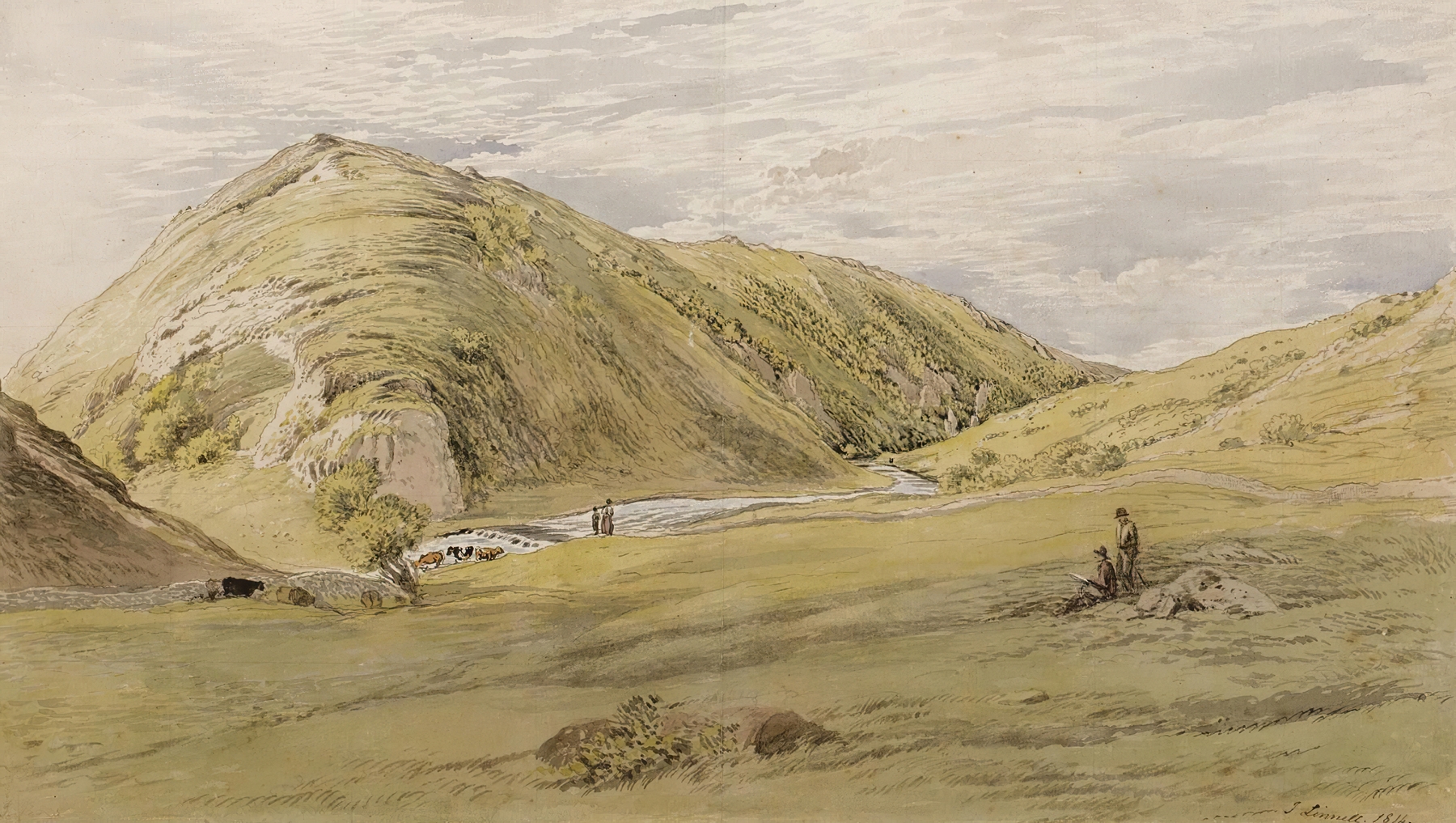
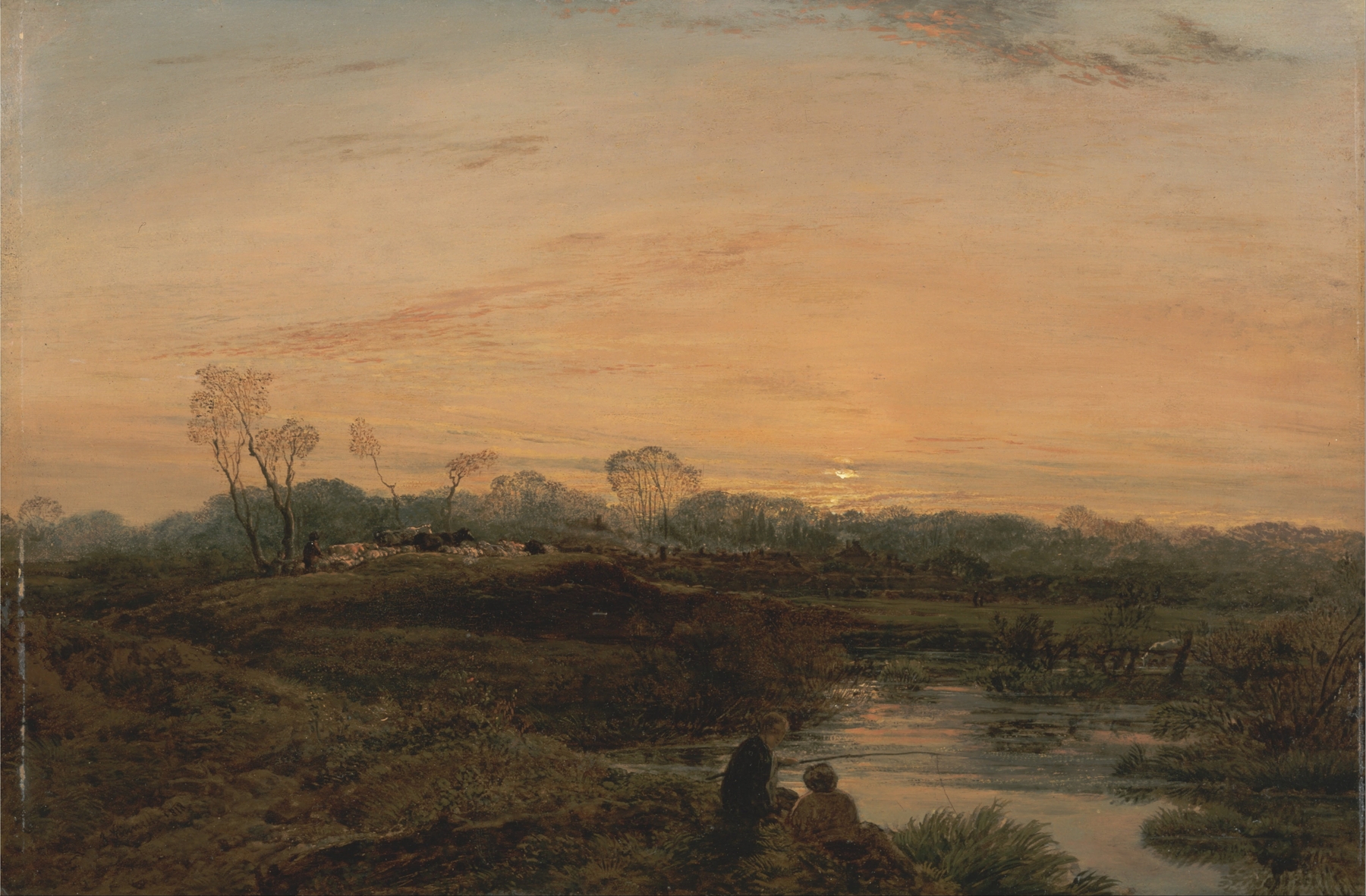
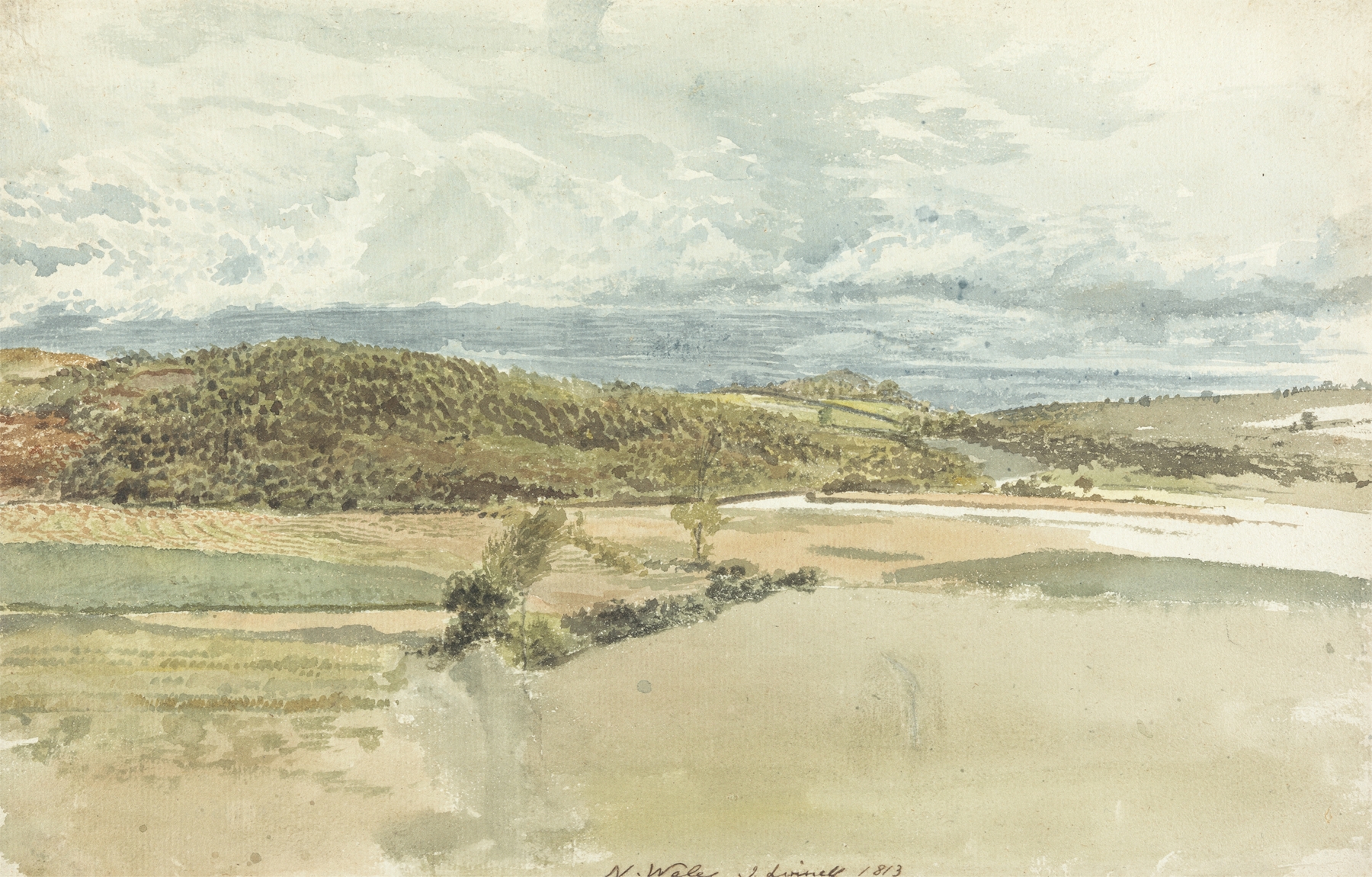
“Every silence here is a confession.” In the stillness of nature, where the fleeting moments of ecstatic beauty linger, a landscape unfolds that speaks with a profound whisper. It is a canvas that invites the viewer to lean in, to listen closely, and to uncover the secrets held within its serene expanse. Look to the center of the painting, where a gentle river weaves through lush meadows, glistening like a silver thread against the rich greens and browns. Notice how the light filters through the clouds, illuminating patches of wildflowers that seem to dance in the breeze. The composition draws your eye along the water's course, leading you to the distant hills that rise softly into the sky.
Each brushstroke feels deliberate, yet fluid, capturing the essence of a moment suspended in time. Beneath this idyllic scene lies a tension between serenity and the ecstasy of nature’s vibrancy. The contrasting elements of light and shadow evoke a sense of mystery, hinting at stories untold. The wildflowers, while beautiful, also symbolize the ephemeral nature of joy—reminders that bliss is fleeting and must be cherished.
The gentle flow of water mirrors the passage of time, inviting reflection on life’s cyclical rhythms. In the era when this piece was created, the artist found himself deeply rooted in the English countryside, likely around the mid-19th century. This period was marked by a growing appreciation for the natural world, aligning with the Romantic movement’s ideals. As Linnell painted, the world was undergoing significant change, and his work reflected a longing for harmony and a connection to the landscapes that surrounded him.