The Sand Pits, Hampstead Heath — History & Analysis
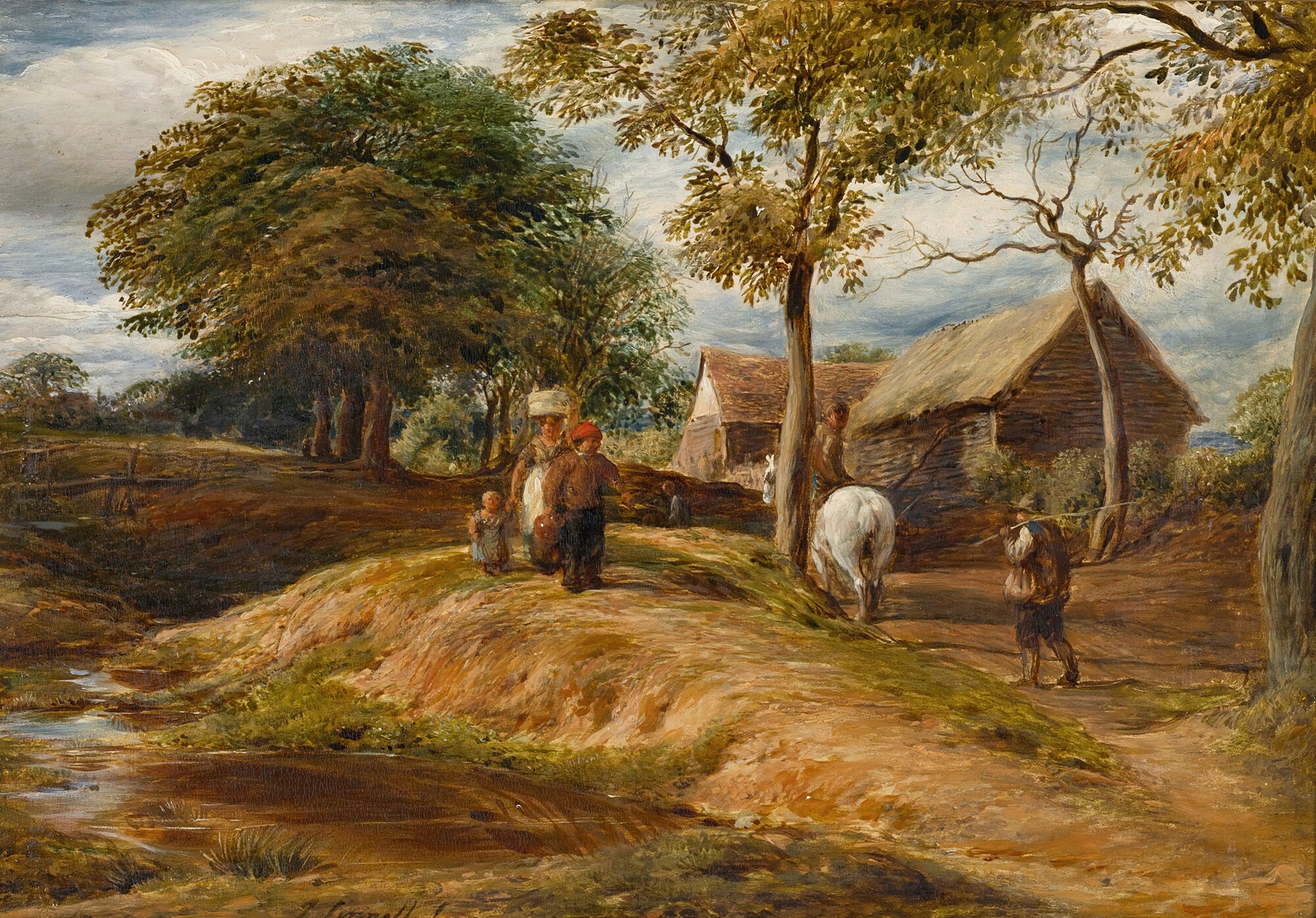
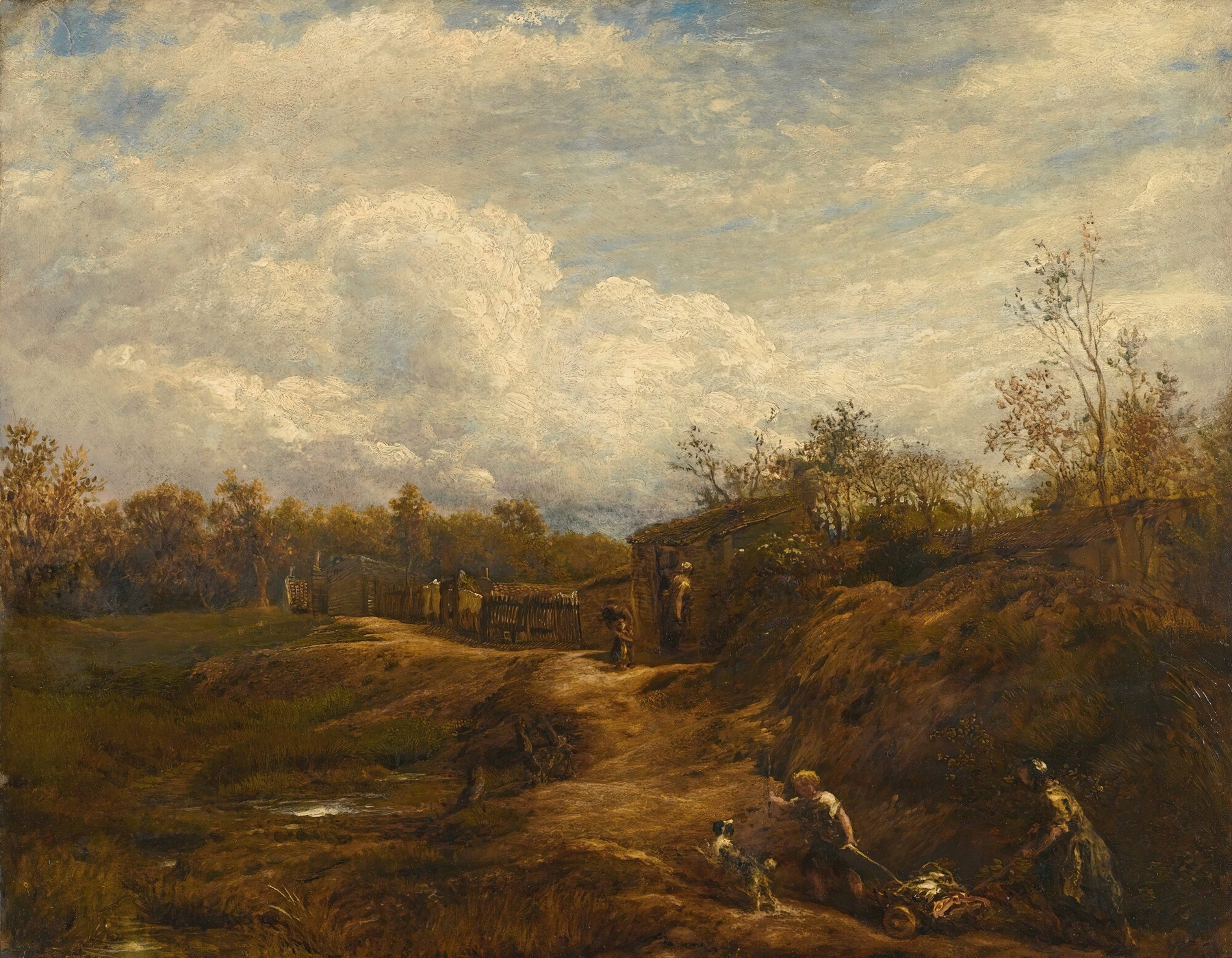
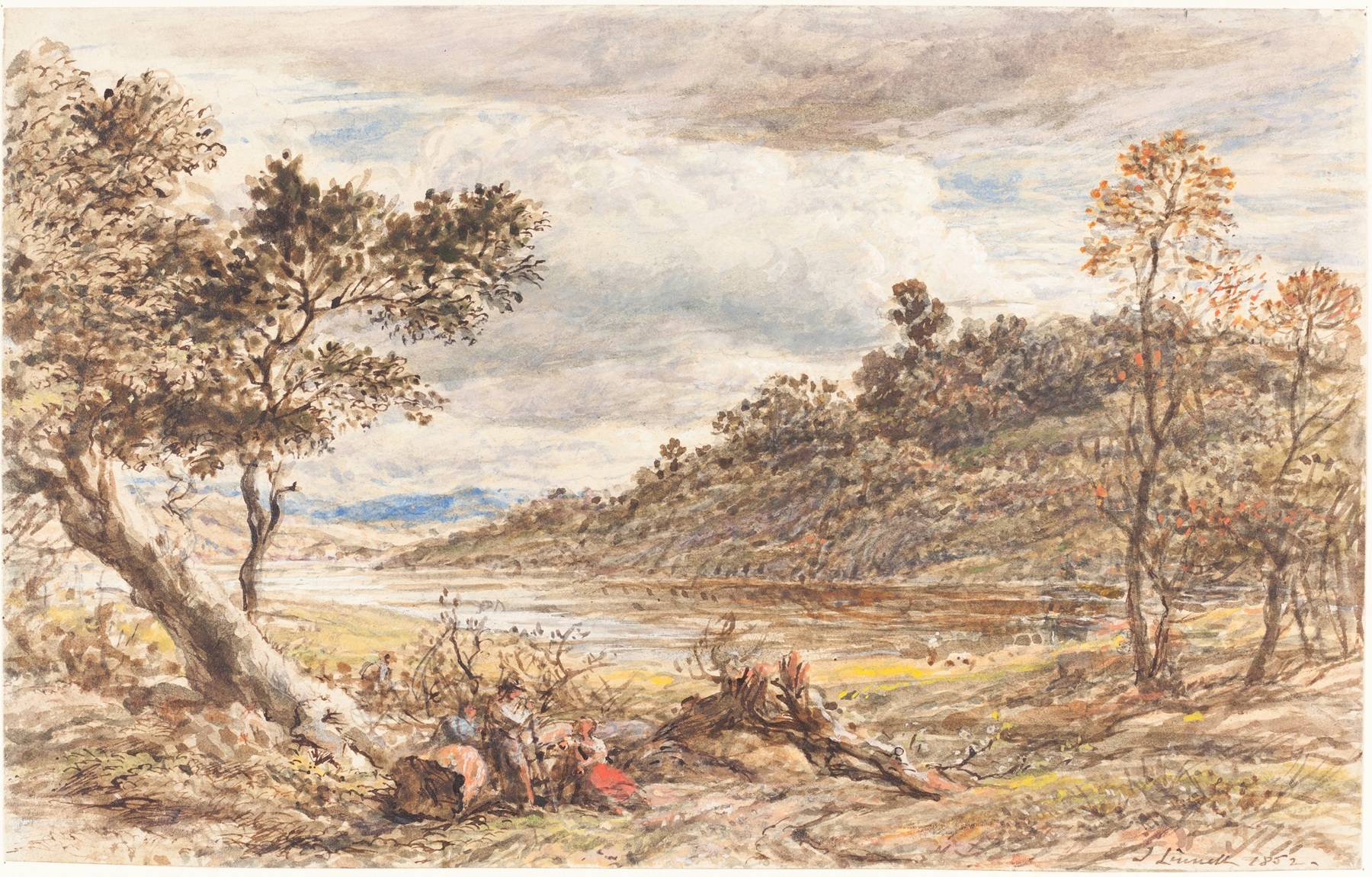
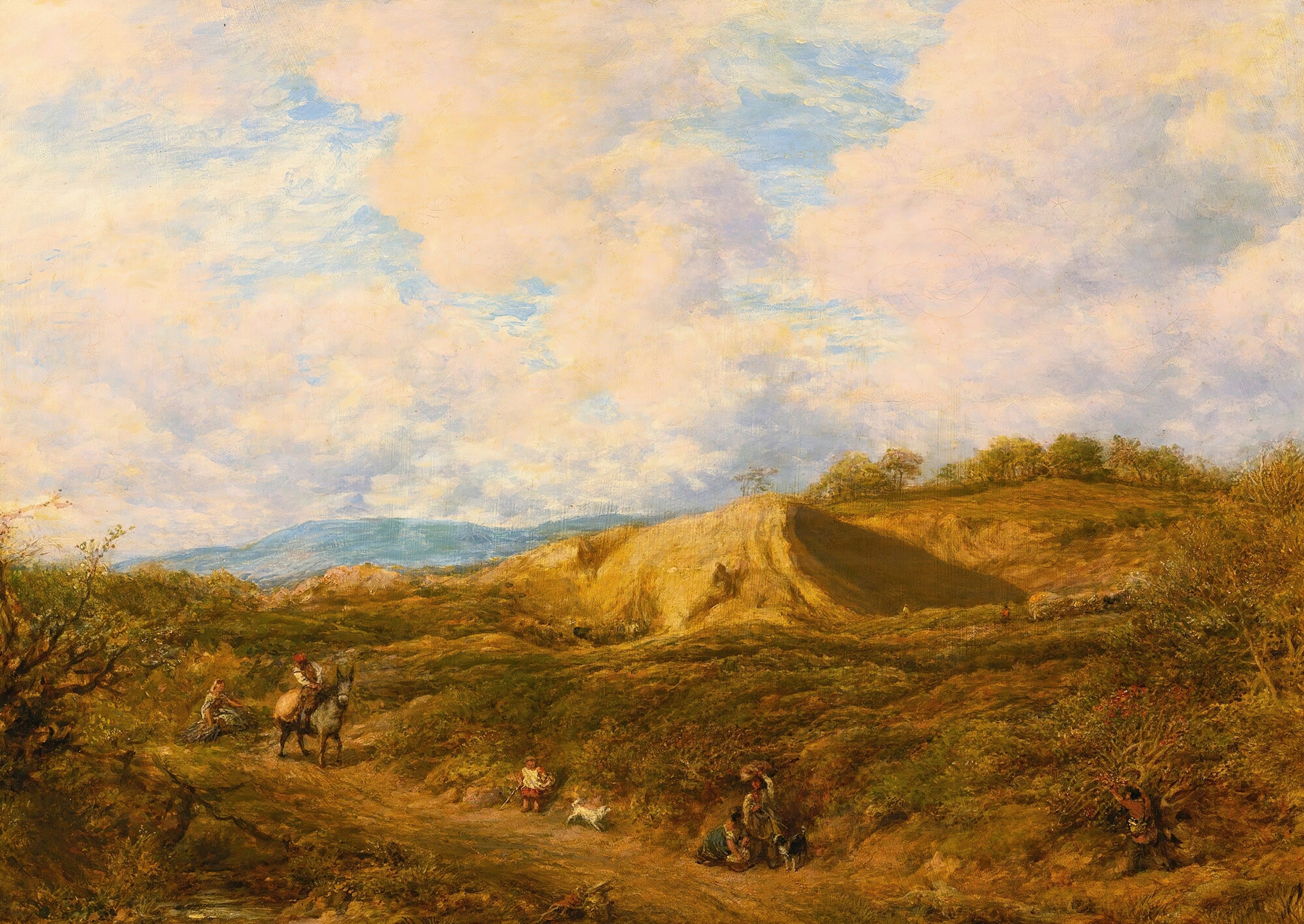
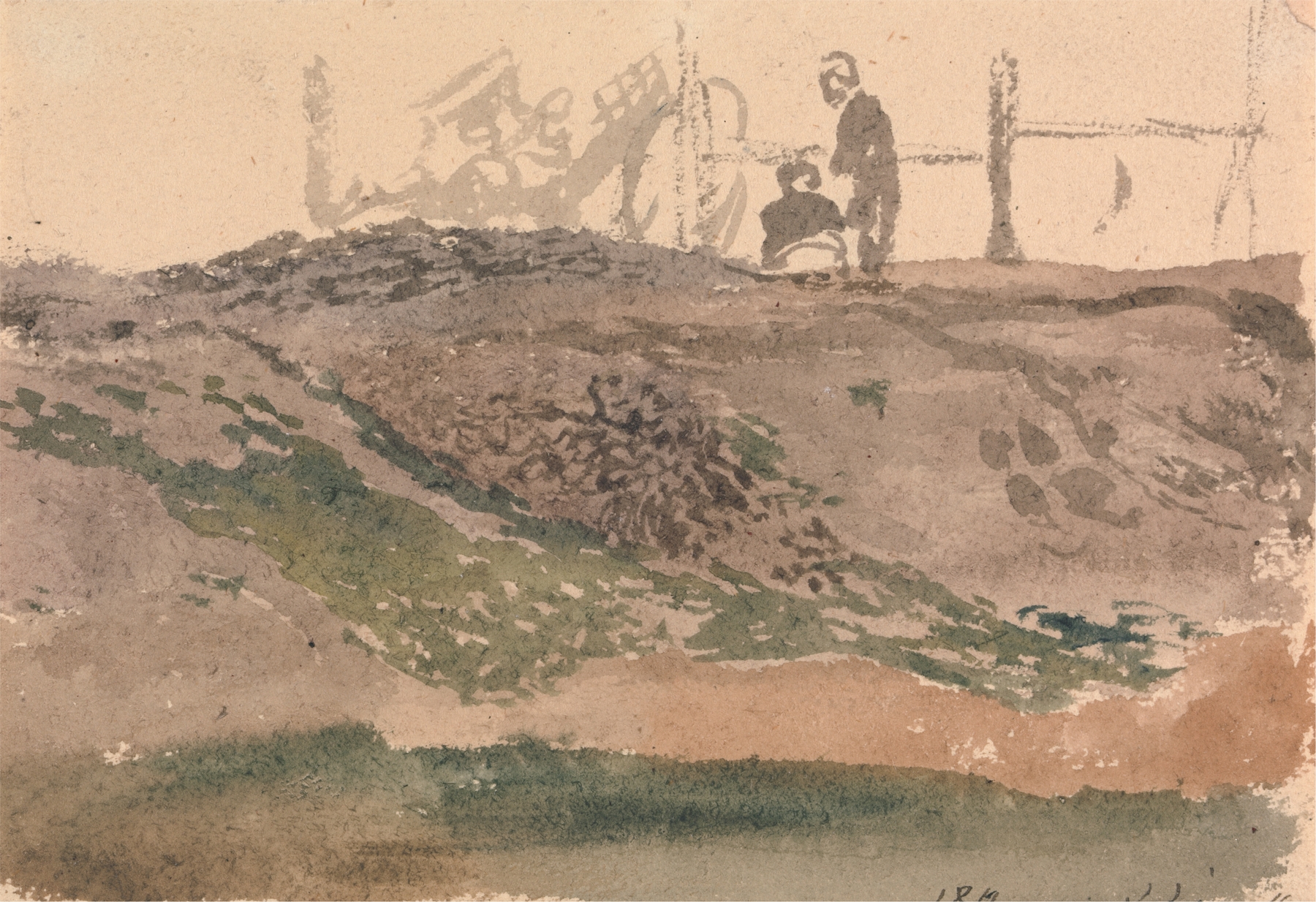
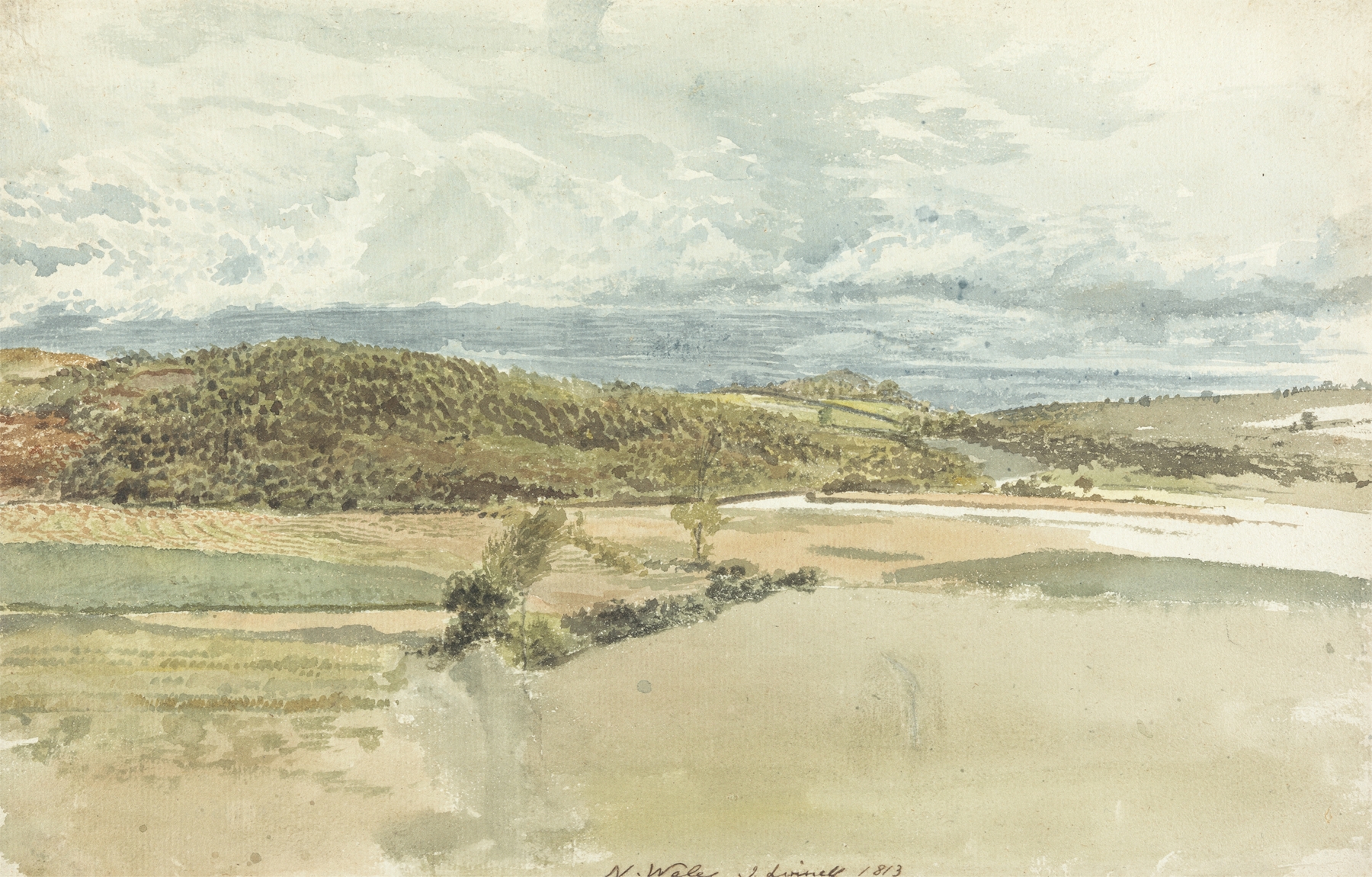
When did color learn to lie? In the depths of nature’s embrace, the hues of earth and sky weave a narrative that dances between truth and illusion, revealing layers of movement in stillness. Focus your gaze on the vivid contrast between the warm ochres of the sand pits and the cool greens of the surrounding foliage. Notice how the brushwork pulsates with energy, each stroke echoing the gentle sway of the grasses and the play of light filtering through the trees.
The composition draws you in, creating a sense of depth and inviting you to explore the undulating landscape, where every shadow tells a story of life beneath the surface. As you delve deeper, consider the emotional tension present in the harmonious chaos of nature; the juxtaposition of the tranquil scene and the subtle hints of activity—a bird in flight, a rustle in the bushes. This delicate balance suggests a world alive with motion, even as the viewer stands still. The warm light bathing the scene speaks to the fleeting nature of time, urging us to reflect on what lies beneath the beauty of these sand pits, perhaps hinting at the passage of seasons or the whispers of history entombed in the earth.
In 1834, John Linnell painted this work during a period marked by a burgeoning appreciation for the English landscape. Residing in Hampstead, he was part of a circle that included influential figures like Samuel Palmer, who were grappling with the intersection of Romanticism and realism. This painting not only reflects Linnell's personal vision but also embodies a cultural moment, as artists began to explore natural themes with greater emotional depth and introspection.