Entrance To Dovedale From Ashbourne, Derbyshire — History & Analysis
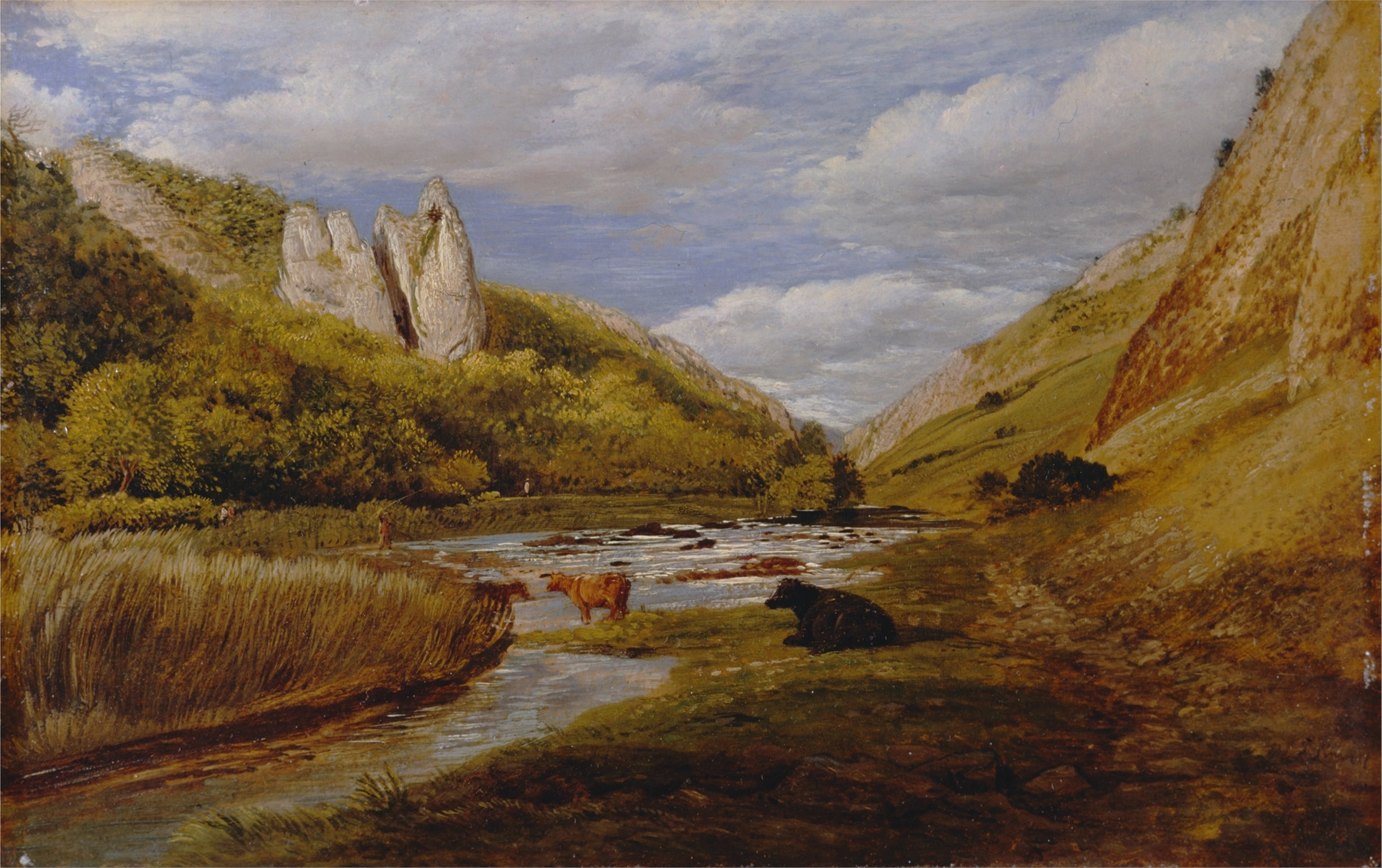
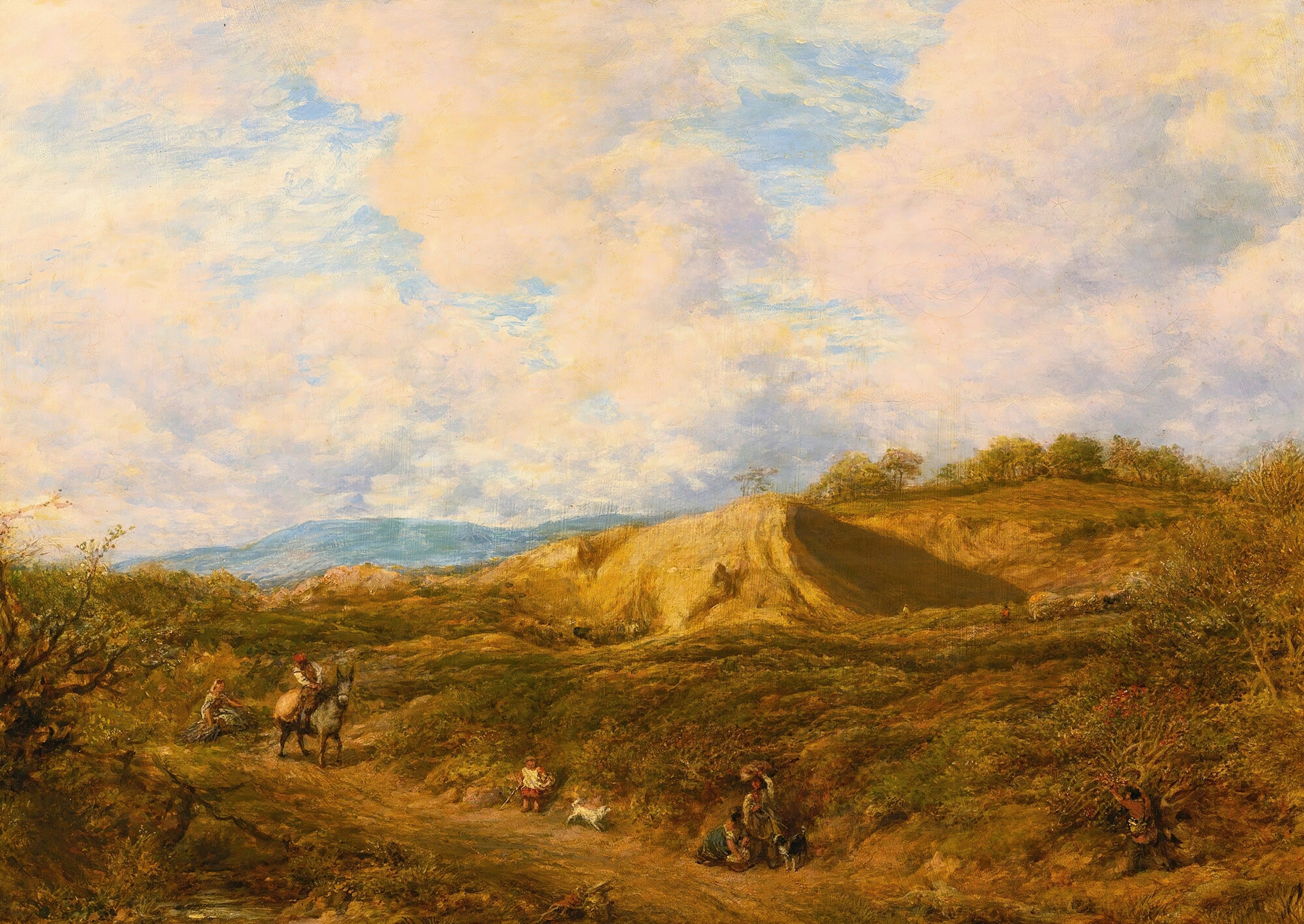
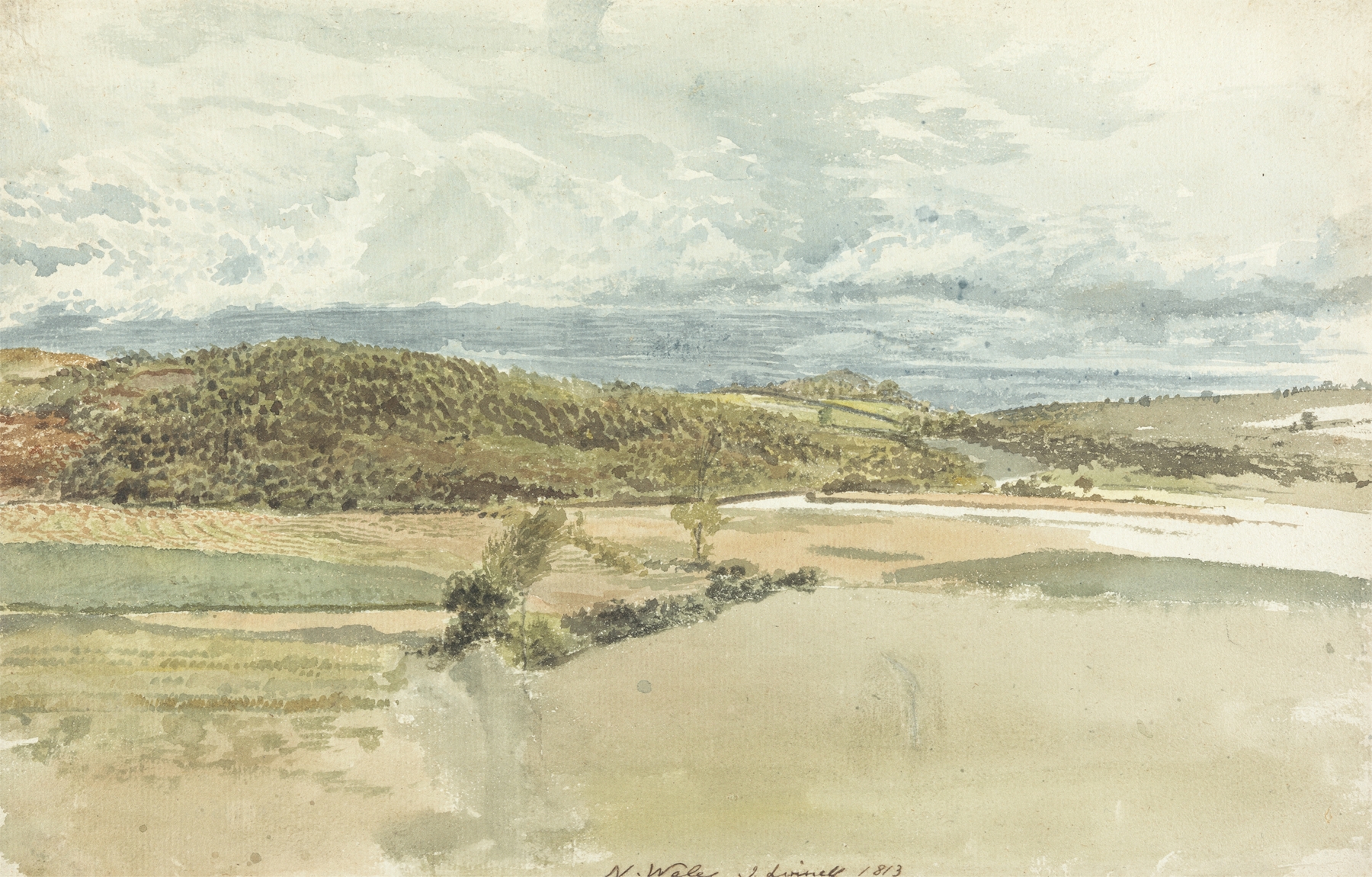
Could beauty survive in a century of chaos? In a world teetering on the brink of upheaval, nature stands as a resolute bastion of tranquility amid turmoil. Look to the foreground where the lush greenery unfurls like a soft carpet, inviting the viewer into the depths of the landscape. The vibrant hues of green intermingle with the gentle browns of the earth, while the twisting path leads the eye toward the distant hills. Notice how the light dances upon the foliage, casting dappled shadows that breathe life into the scene.
Each brushstroke conveys a sense of harmony that balances the verdancy against the sky's soft blues and whites. The composition draws you deeper into the serene yet dynamic embrace of nature. Hidden within this idyllic setting is a juxtaposition between the solace of the landscape and the tumult of human experience. The winding path symbolizes life's journey, offering both choices and uncertainties, while the gentle slope of the hills reflects nature’s steadfastness amid inevitable change.
The subtle presence of the distant figures illustrates humanity's smallness in relation to the grandeur of the environment, evoking a profound sense of connection yet separation from the natural world. In 1814, while creating this piece, John Linnell was emerging as a prominent figure in English landscape painting. During this period, he was deeply influenced by the Romantic movement, focusing on the emotional resonance of nature and its restorative qualities. As Europe grappled with political changes and industrialization, Linnell sought to capture the untouched beauty of the countryside, which served as a counterpoint to the chaos enveloping society.