In Dovedale — History & Analysis
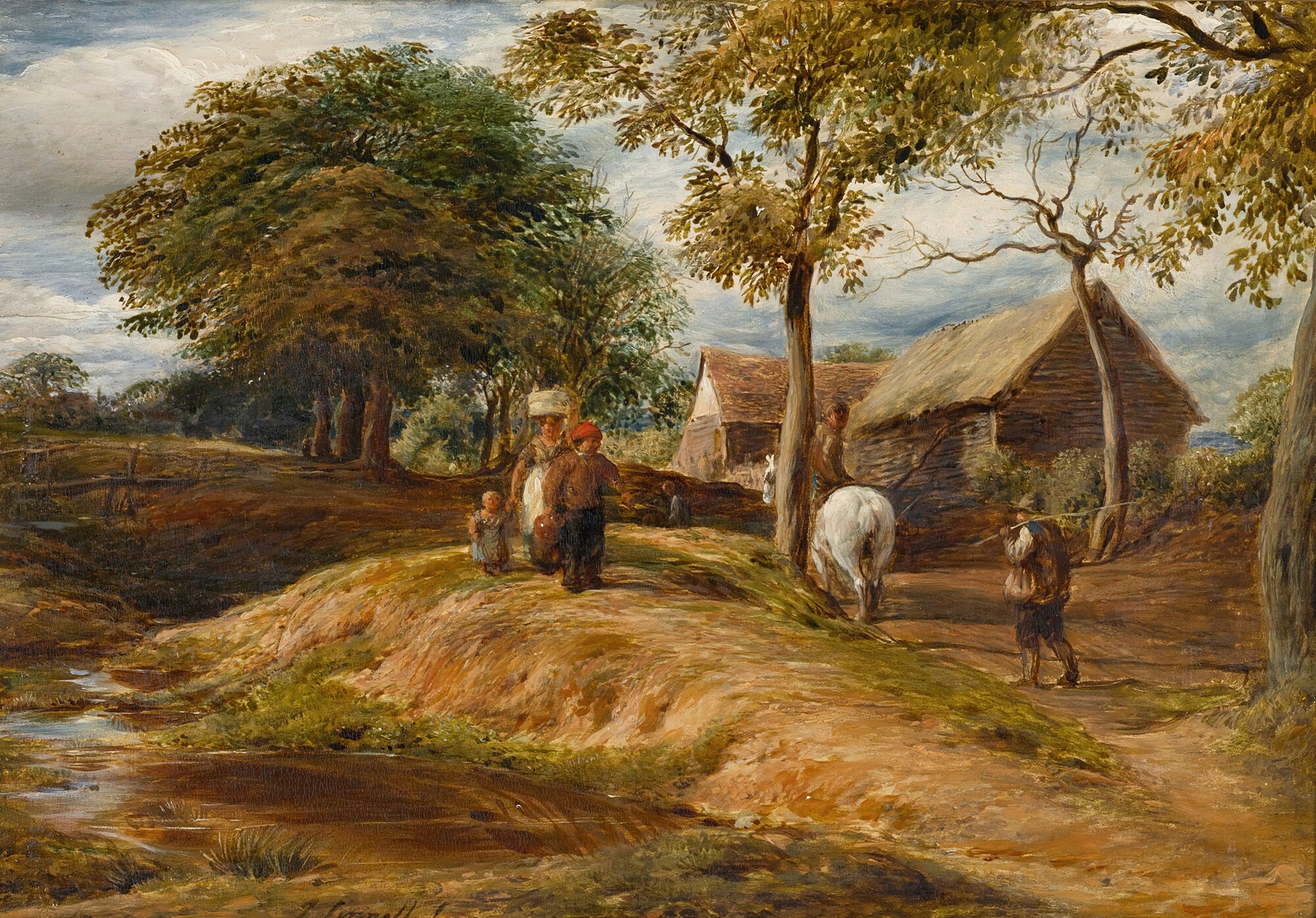
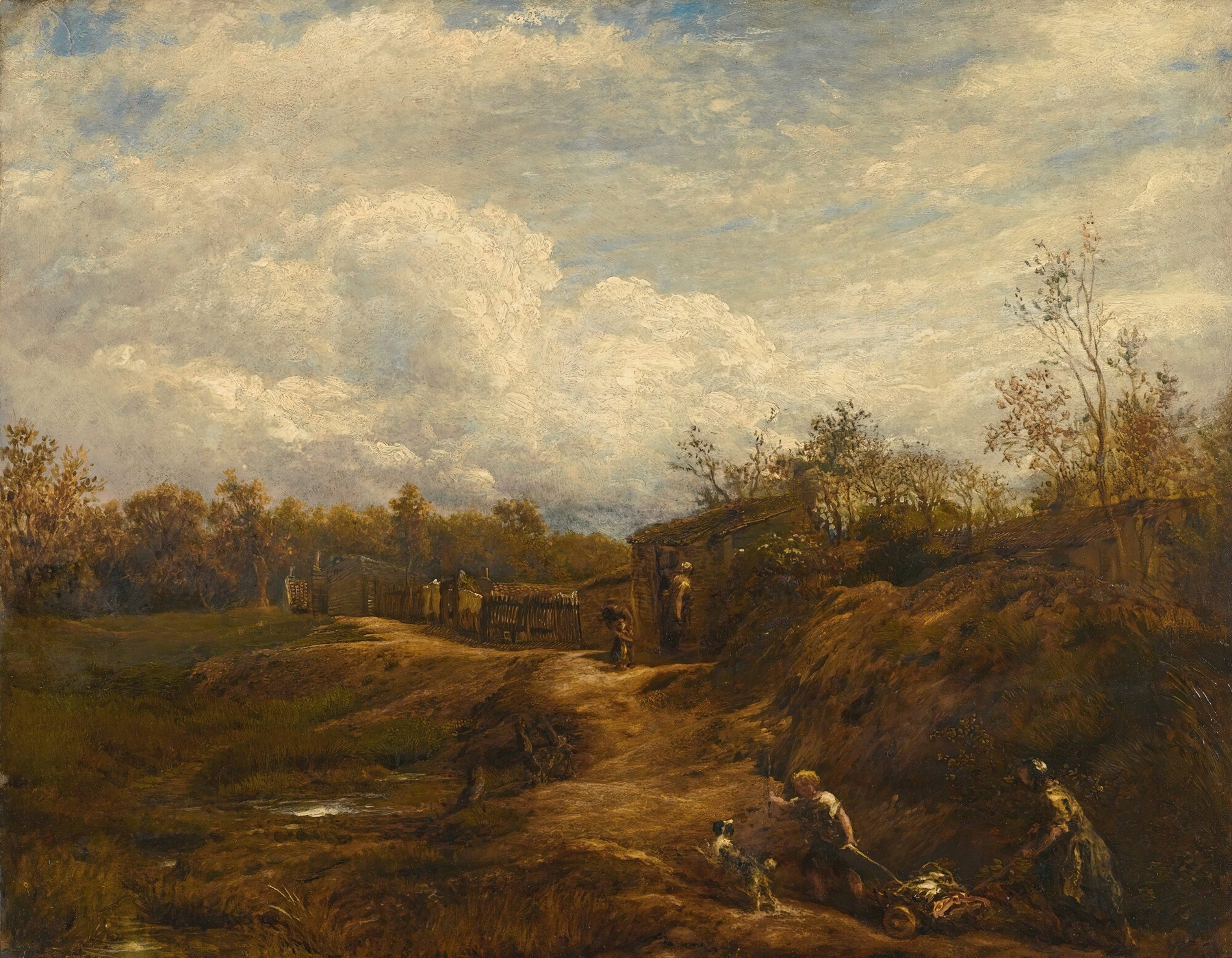
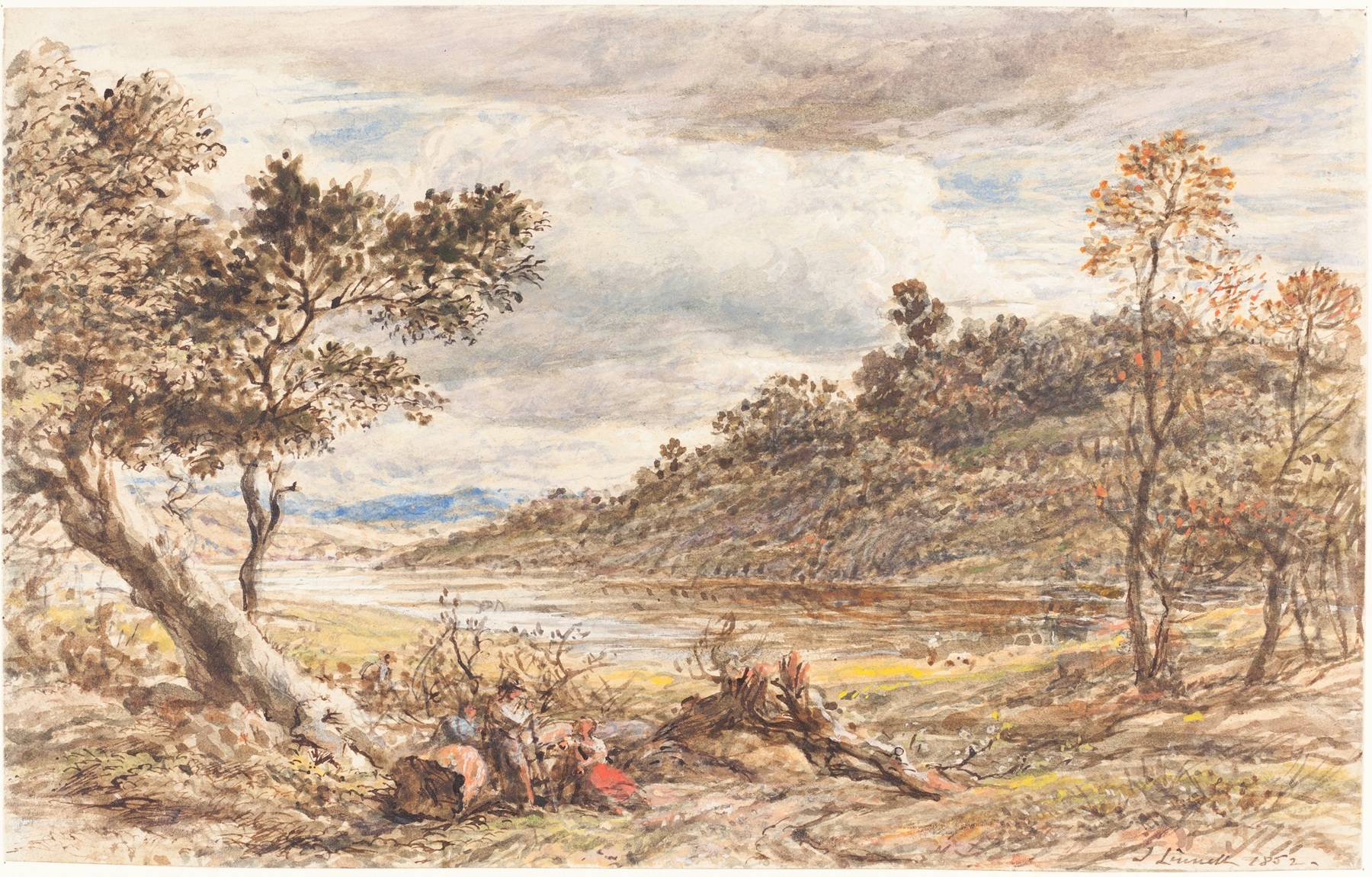
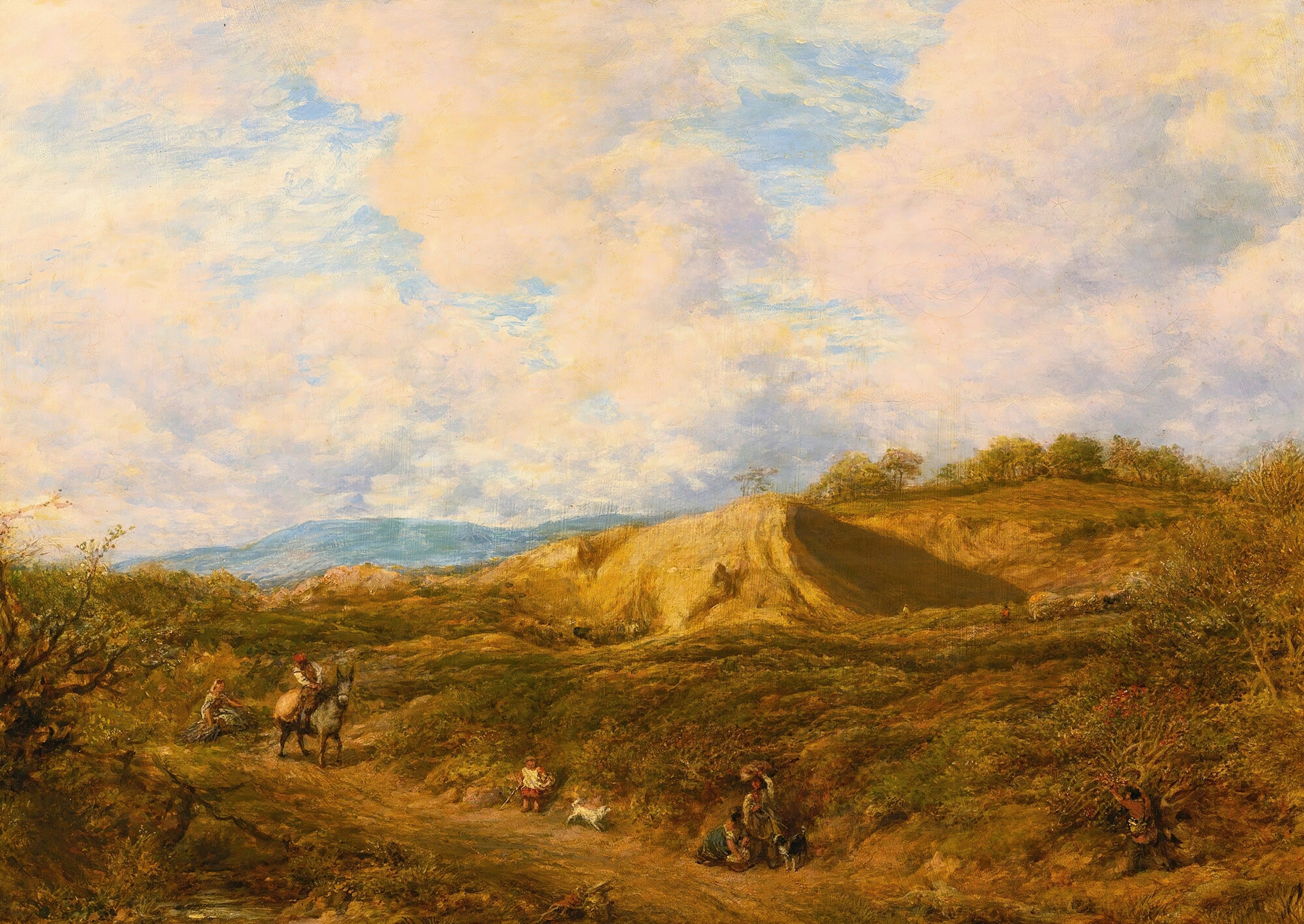
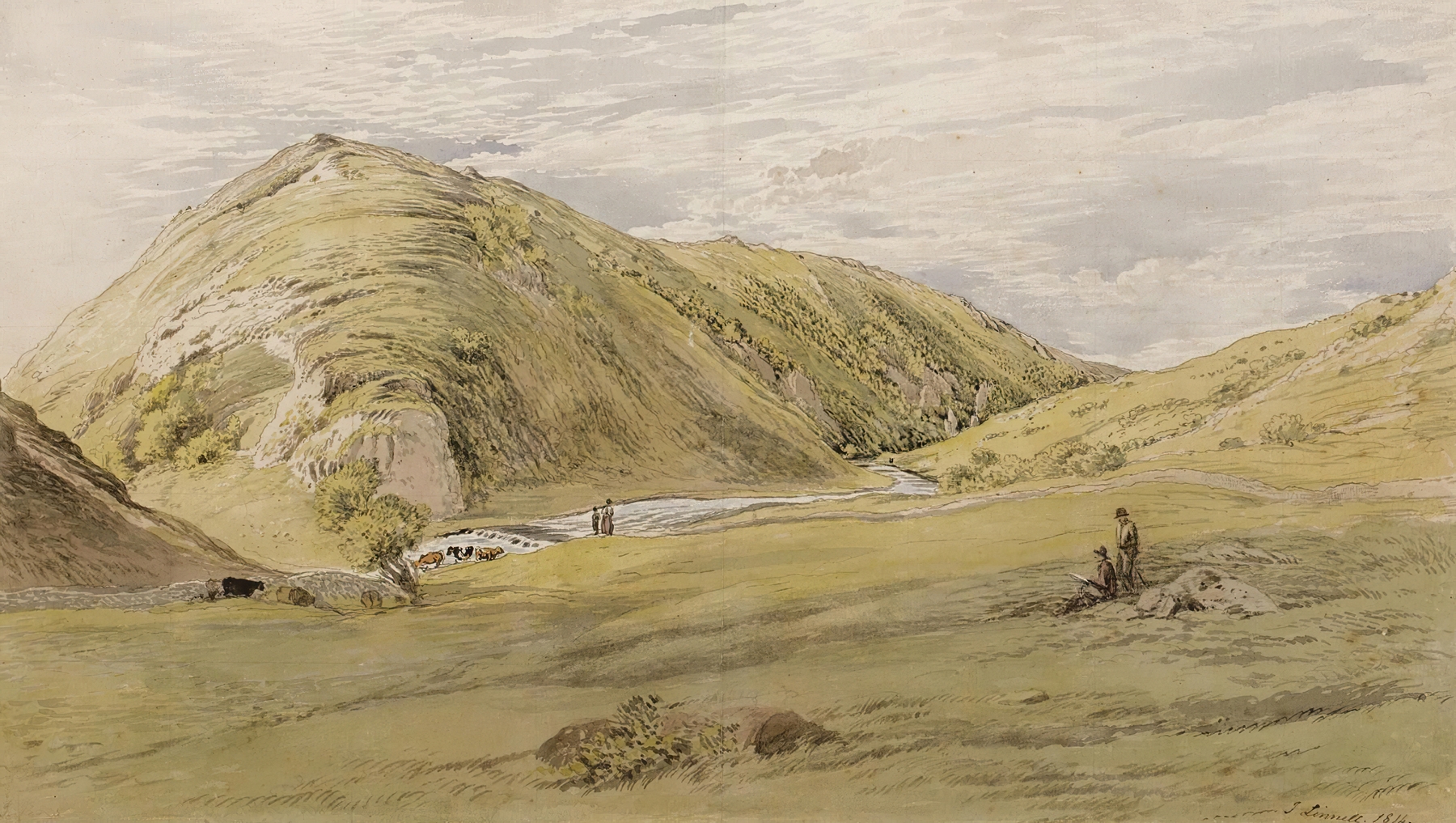
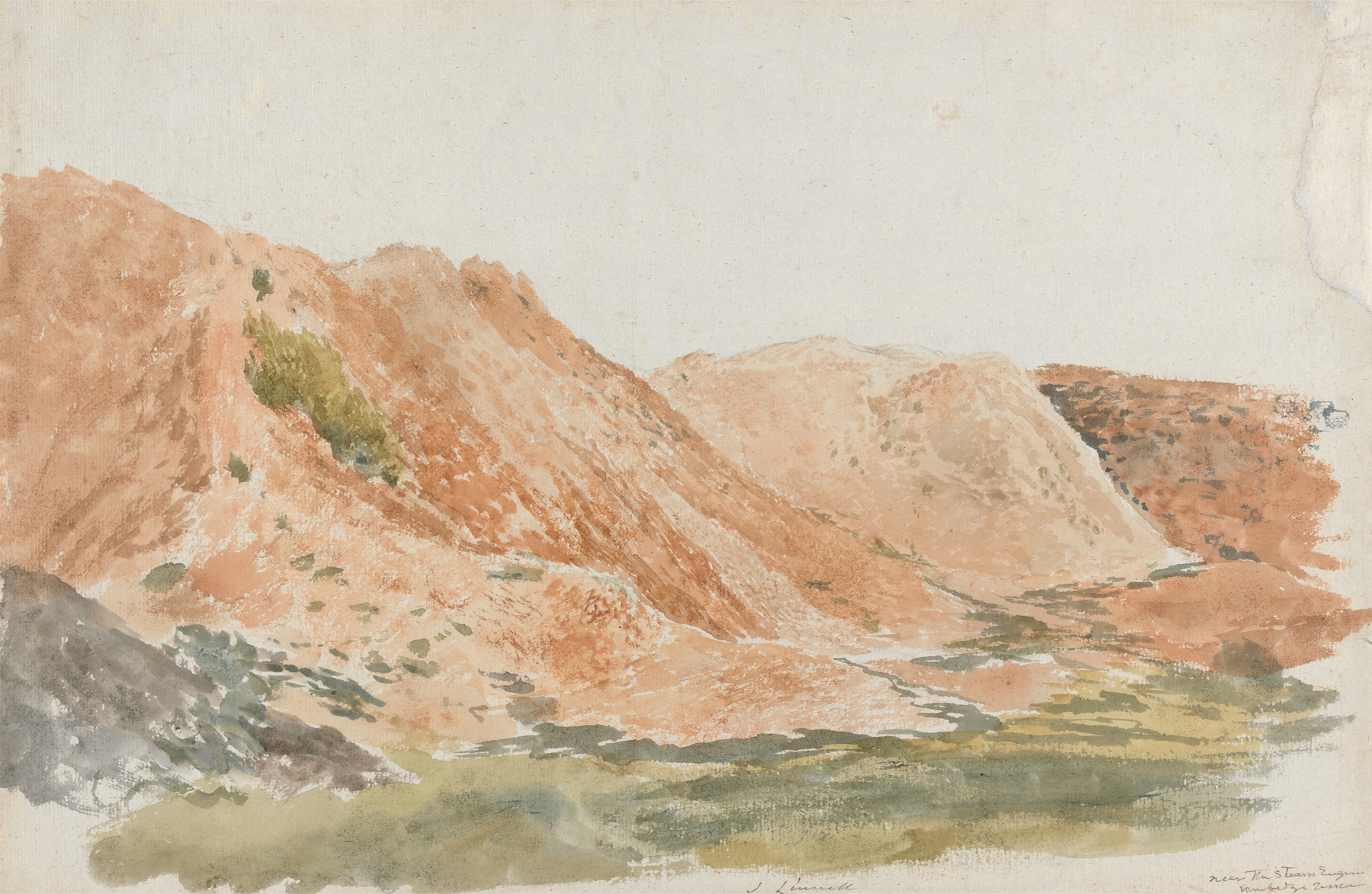
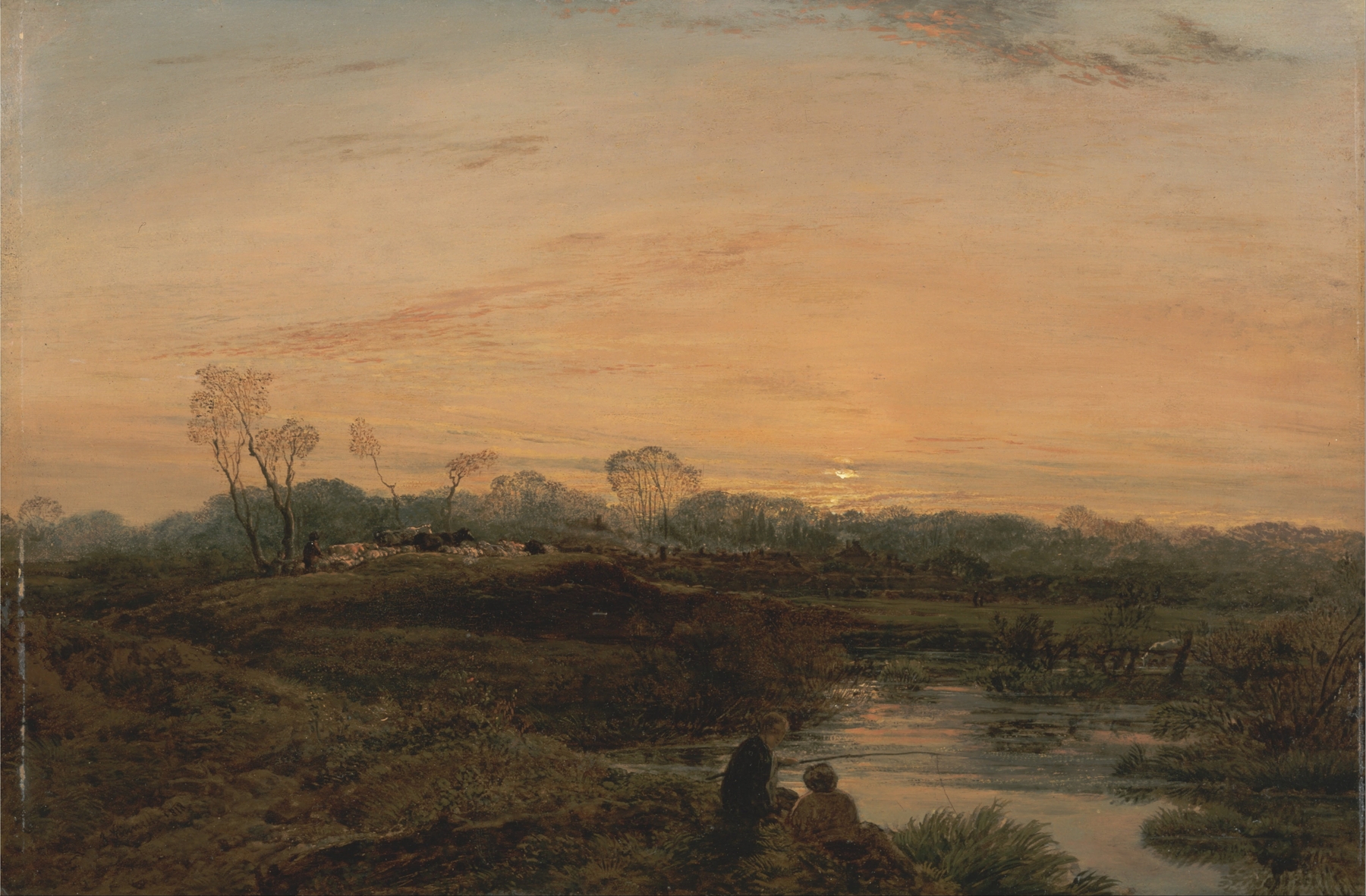
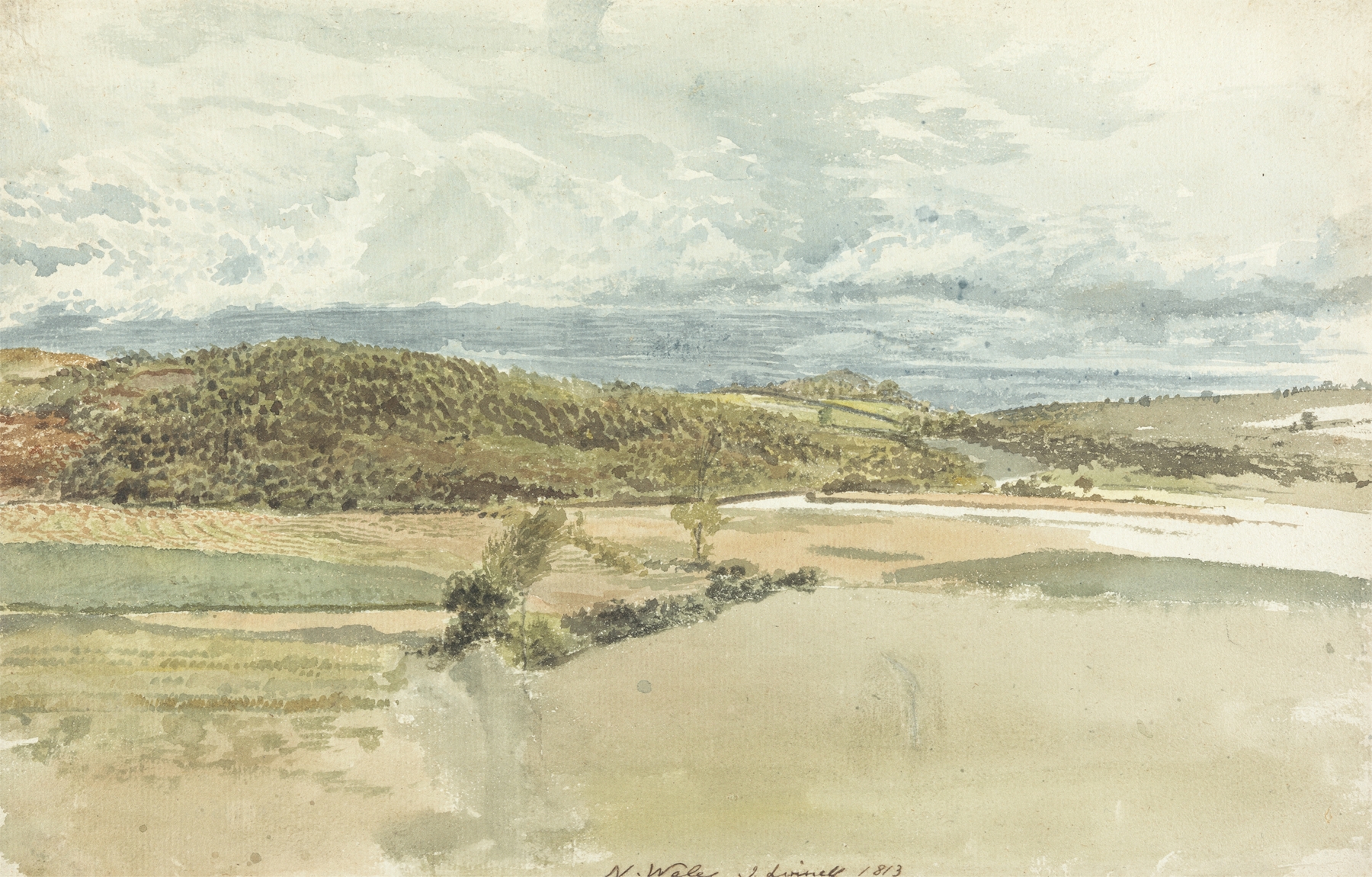
What if beauty was never meant to be finished? In the haunting embrace of nature’s splendor and stillness, a world breathes, waiting for rebirth. Look to the left, where soft greens and earthy browns anchor the composition, creating a serene landscape that invites you to wander. The gentle arch of the hills frames a delicate river, its calm surface reflecting the gentle hues of a twilight sky. Notice how the light plays upon the water, hinting at the promise of new beginnings, as shadows weave in and out of the foliage, creating a rhythm of presence and absence.
The brushwork is meticulous yet fluid, each stroke breathing life into the scene, while the palette whispers of harmony and tranquility. Within the serene beauty lies an emotional tension—the juxtaposition of stillness against the inevitability of change. The trees stand as silent witnesses to the cycles of life, their gnarled branches suggesting resilience and the passage of time. The river, a symbol of continuity, flows unperturbed, urging one to consider the transient nature of existence.
These elements converge to evoke feelings of solace and reflection, encapsulating the intricate dance between permanence and impermanence. Created between 1814 and 1815, this work emerged during a time when Linnell was deeply engaged with the Romantic movement, which celebrated the sublime beauty of the natural world. Living in London, he found inspiration in the pastoral landscapes of England as a counterbalance to the industrial changes sweeping across the nation. This period marked Linnell's growth as an artist, as he sought to capture not just the surface of nature but its profound emotional depths.