Evening, Bayswater — History & Analysis
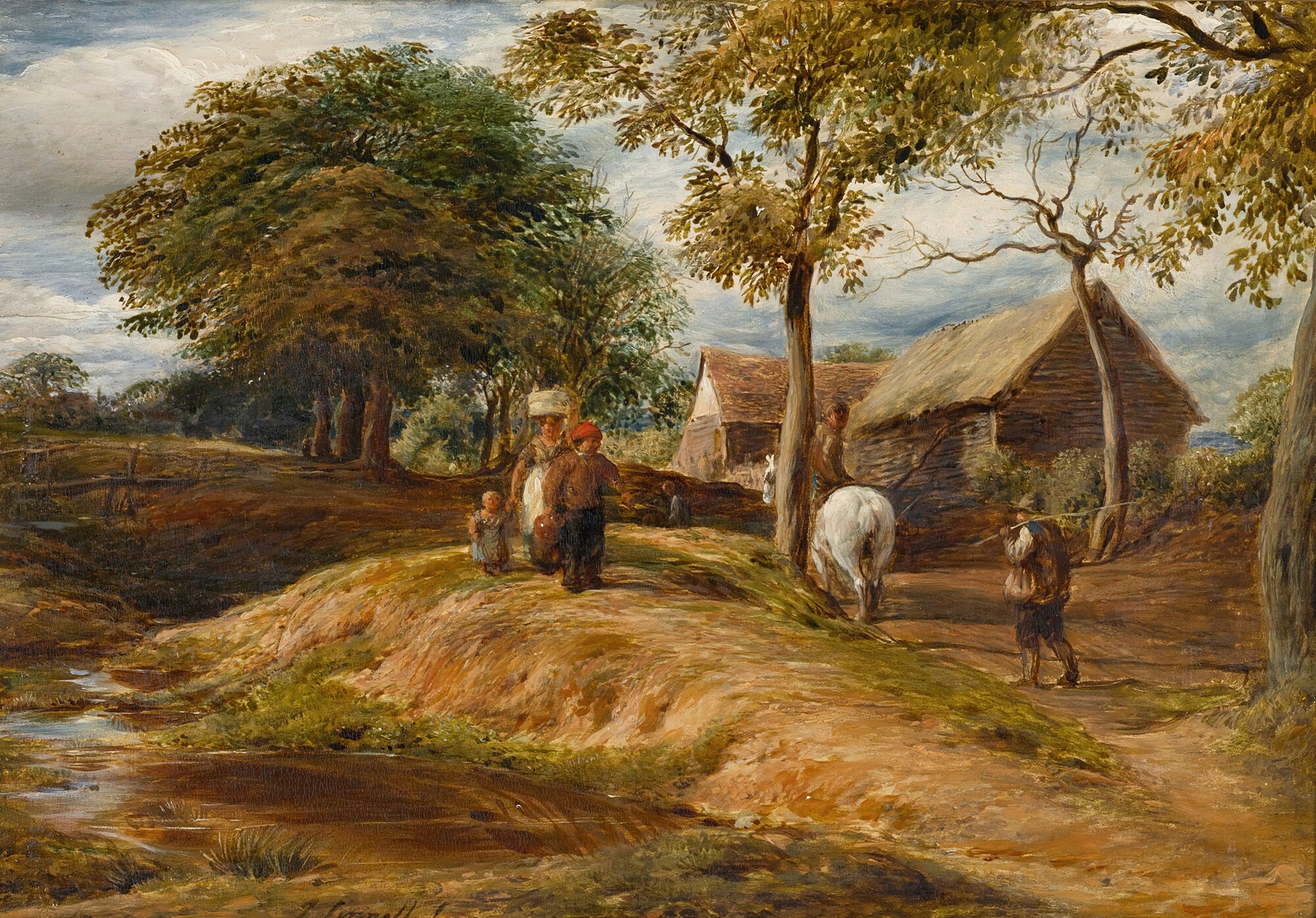
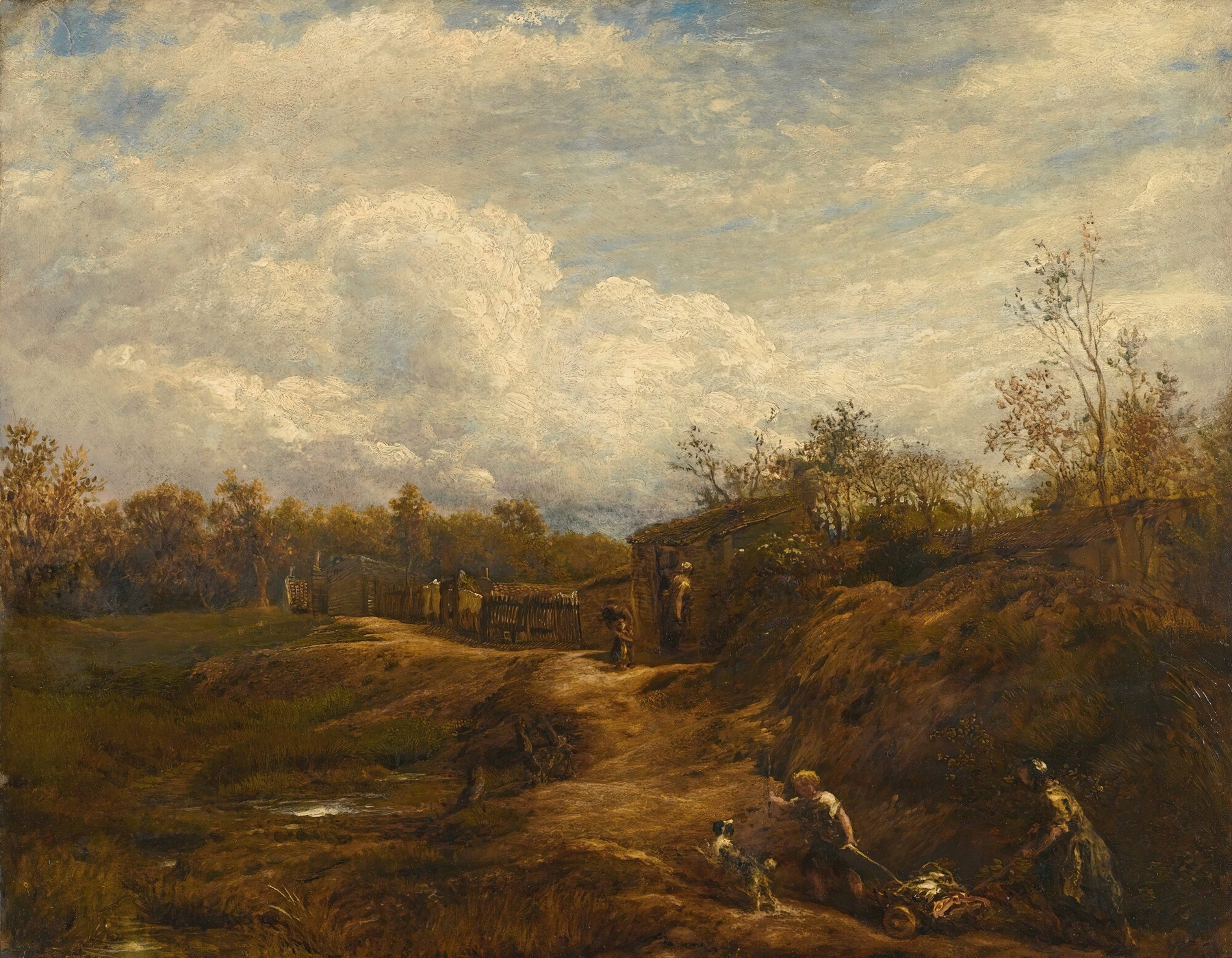
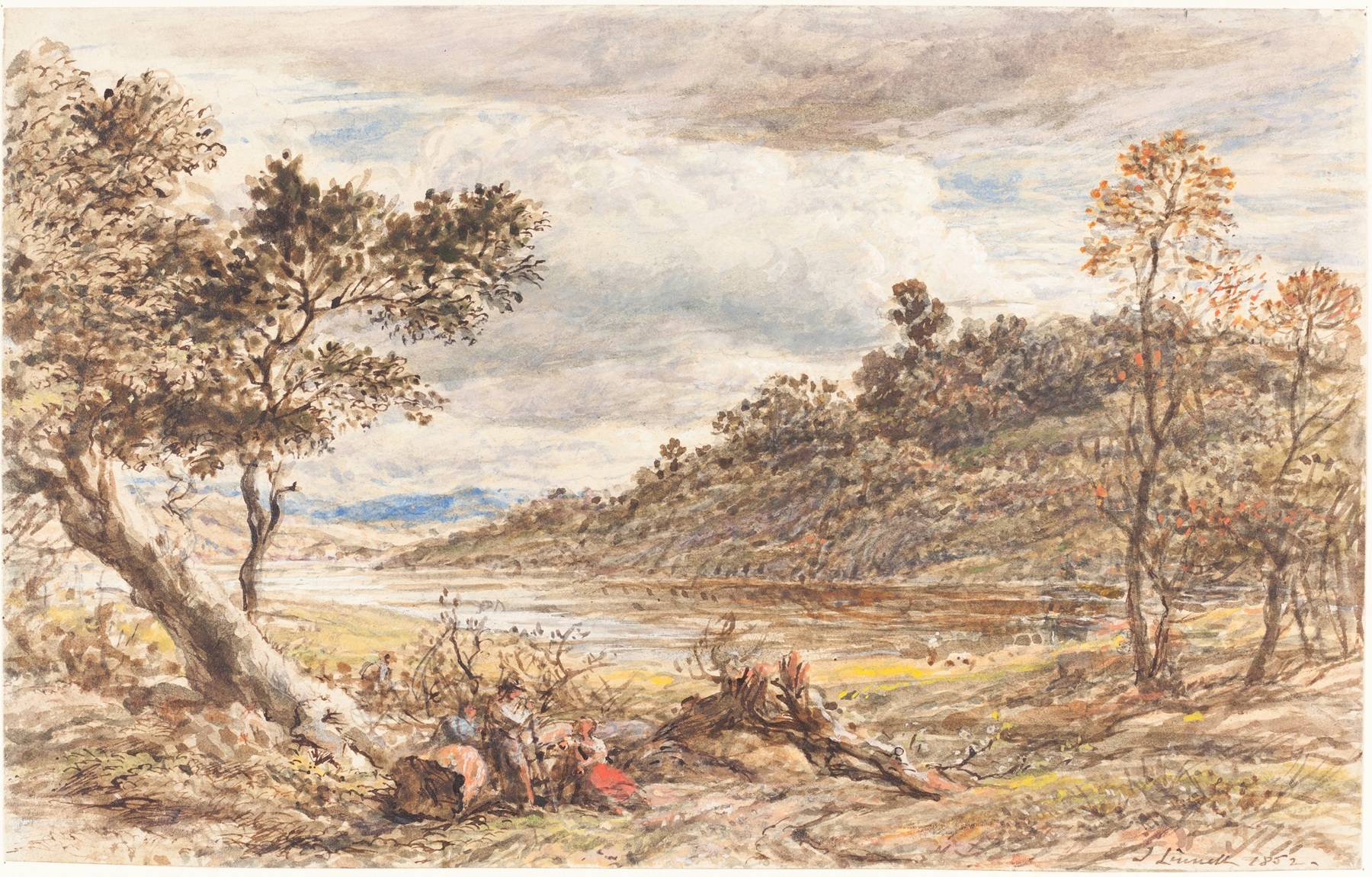
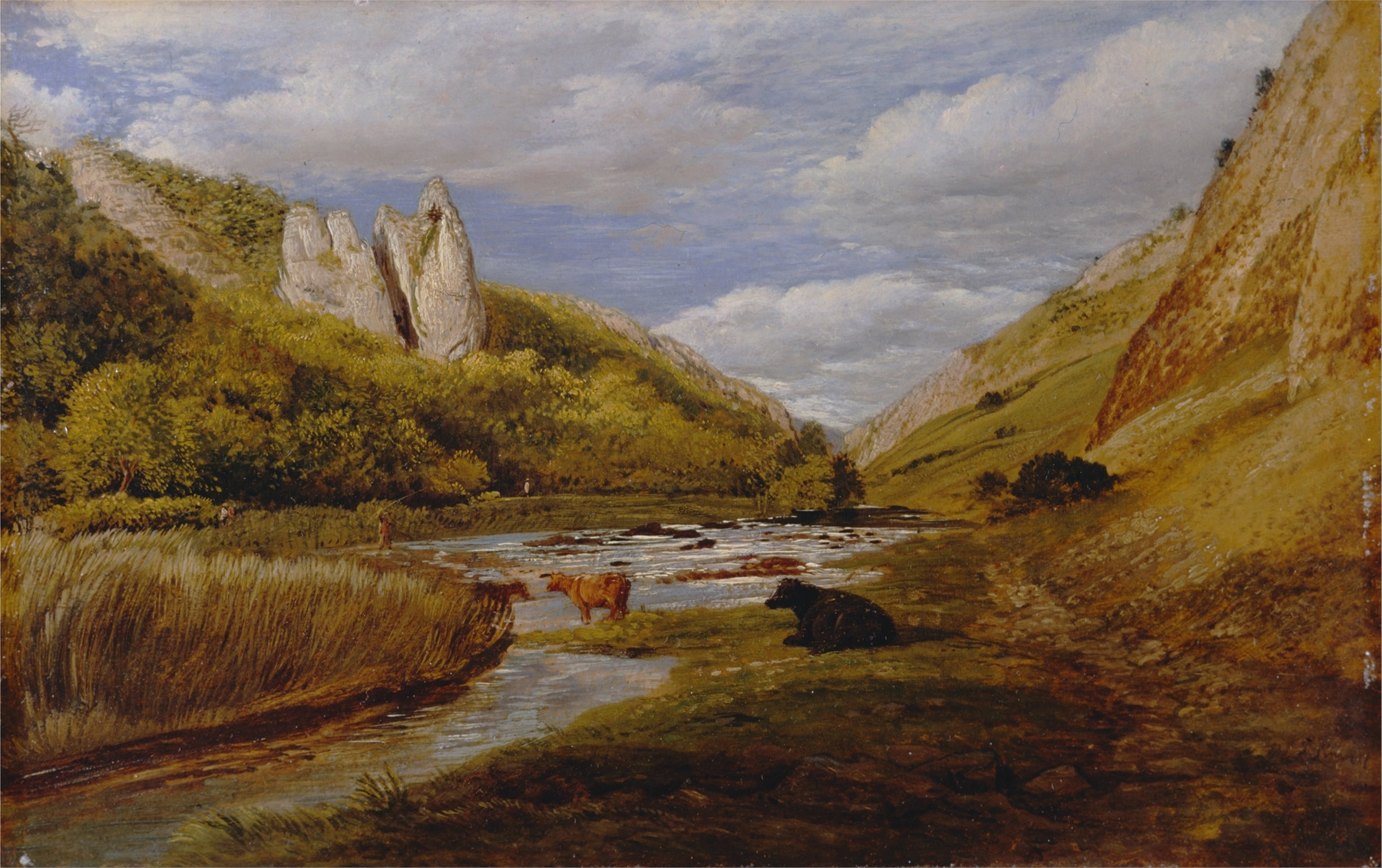
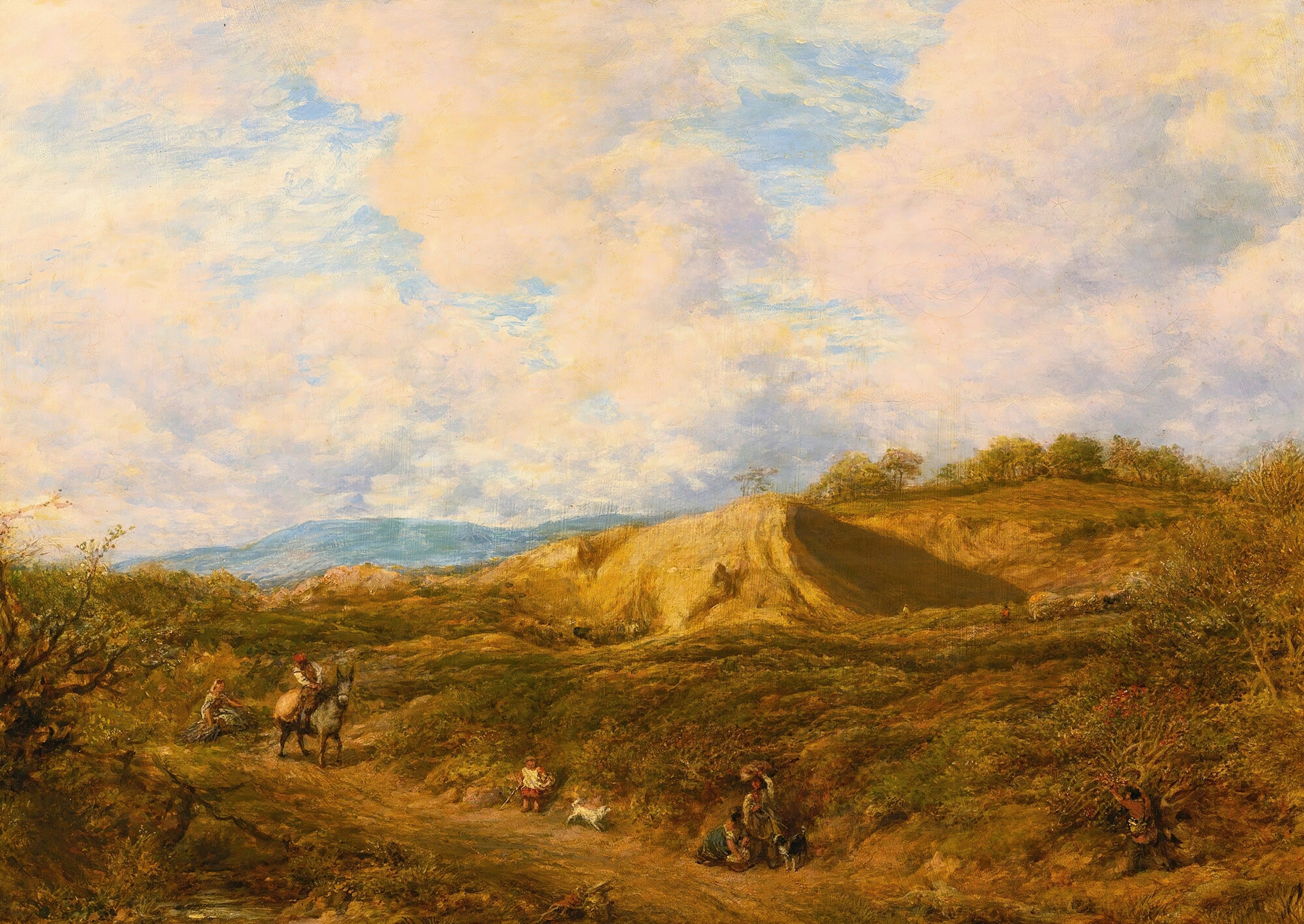
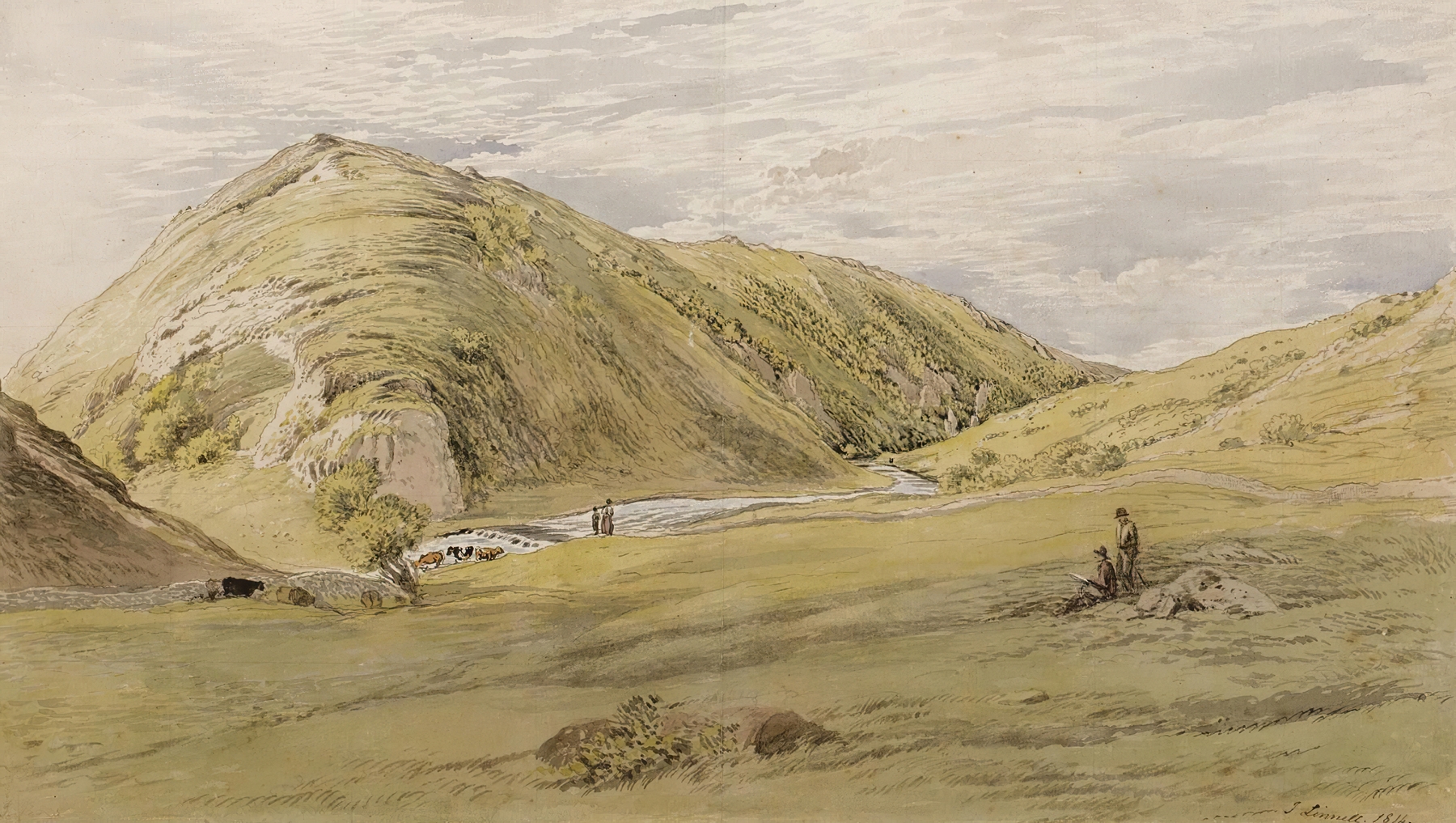
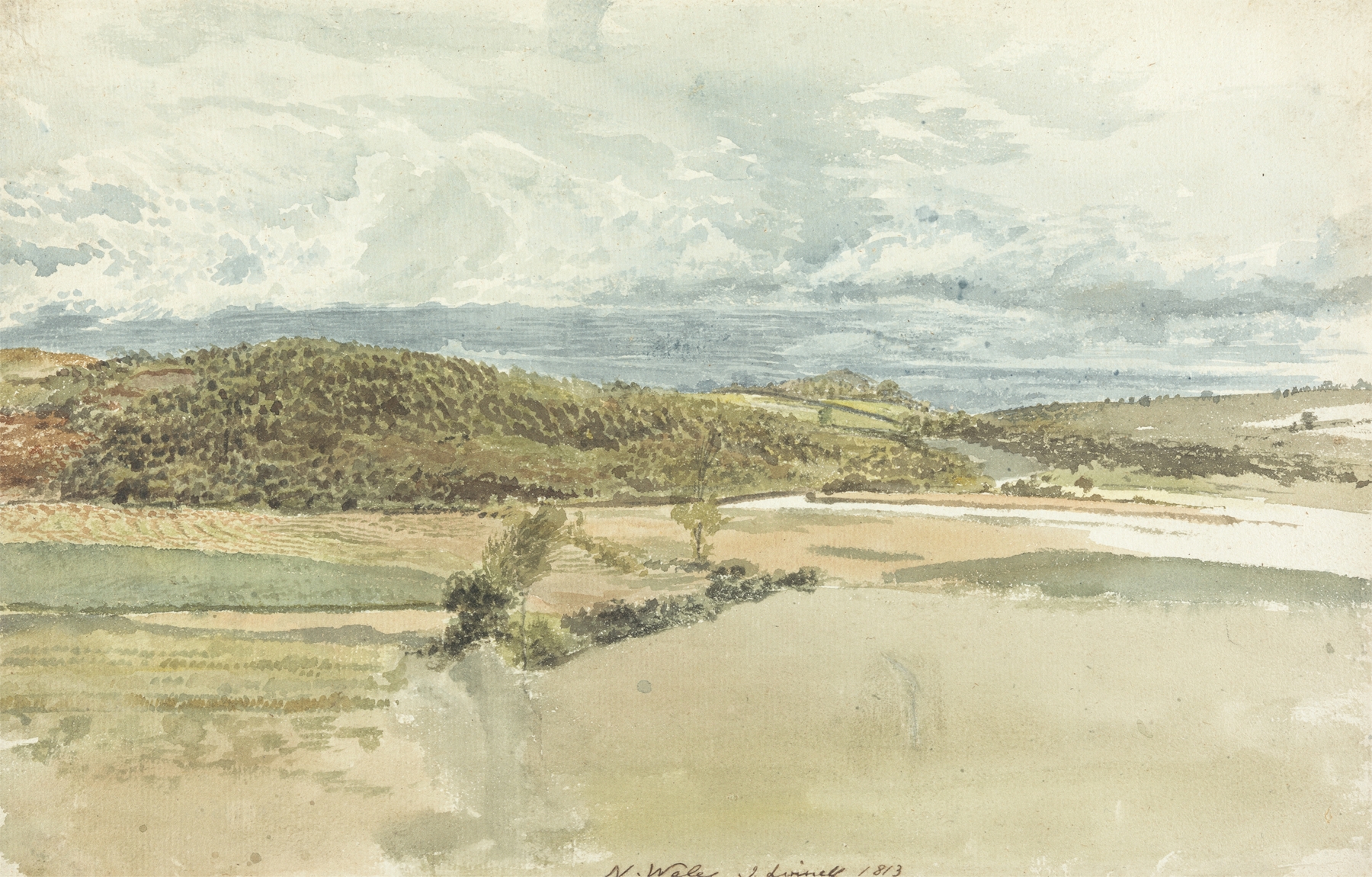
Could beauty survive in a century of chaos? In Evening, Bayswater, the answer unfolds, revealing a serene landscape that whispers of rebirth amid the tumultuous tides of history. Look to the right at the softly illuminated horizon, where twilight dances upon the gentle ripples of the water. The palette is a harmonious blend of lush greens and warm golden hues, while the fading sunlight coaxes the details of the trees to life. Notice how the brushstrokes are both deliberate and expressive, conjuring a sense of calm that invites viewers to linger.
The composition draws the eye towards a distant boat, its silhouette a striking contrast against the glowing backdrop, suggesting stories yet untold. Delve deeper into the painting, and you’ll find the emotional tensions that underlie this tranquil scene. The juxtaposition of the serene waters against the encroaching night encapsulates a moment of transition, embodying both the end of a day and the promise of renewal. The scattered clouds mirror the complexities of life, hinting at the uncertainties that lie ahead while still celebrating the beauty of the present moment.
Each detail, from the grazing cattle to the distant cityscape, becomes a testament to resilience amidst change. In 1818, John Linnell was painting during a period marked by significant social upheaval and artistic transition. Living in England, he was influenced by the Romantic movement, which emphasized emotion and nature as a response to the industrial age. This artwork not only reflects his dedication to capturing the essence of the natural world but also mirrors the larger quest for beauty and meaning during a time of chaos and uncertainty.