Quarries near Ironbridge (Earthworks, Cambridge Terrace) — History & Analysis
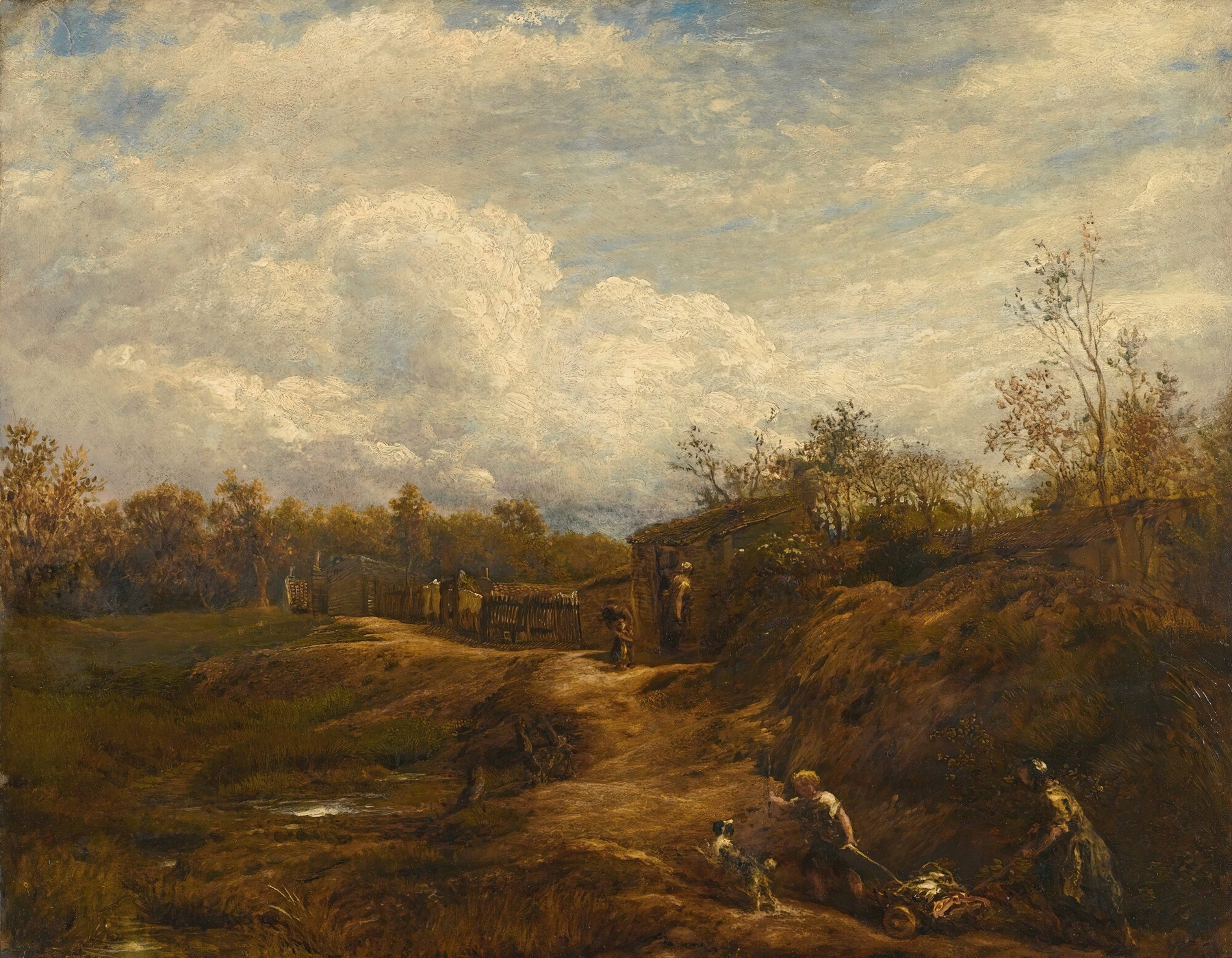
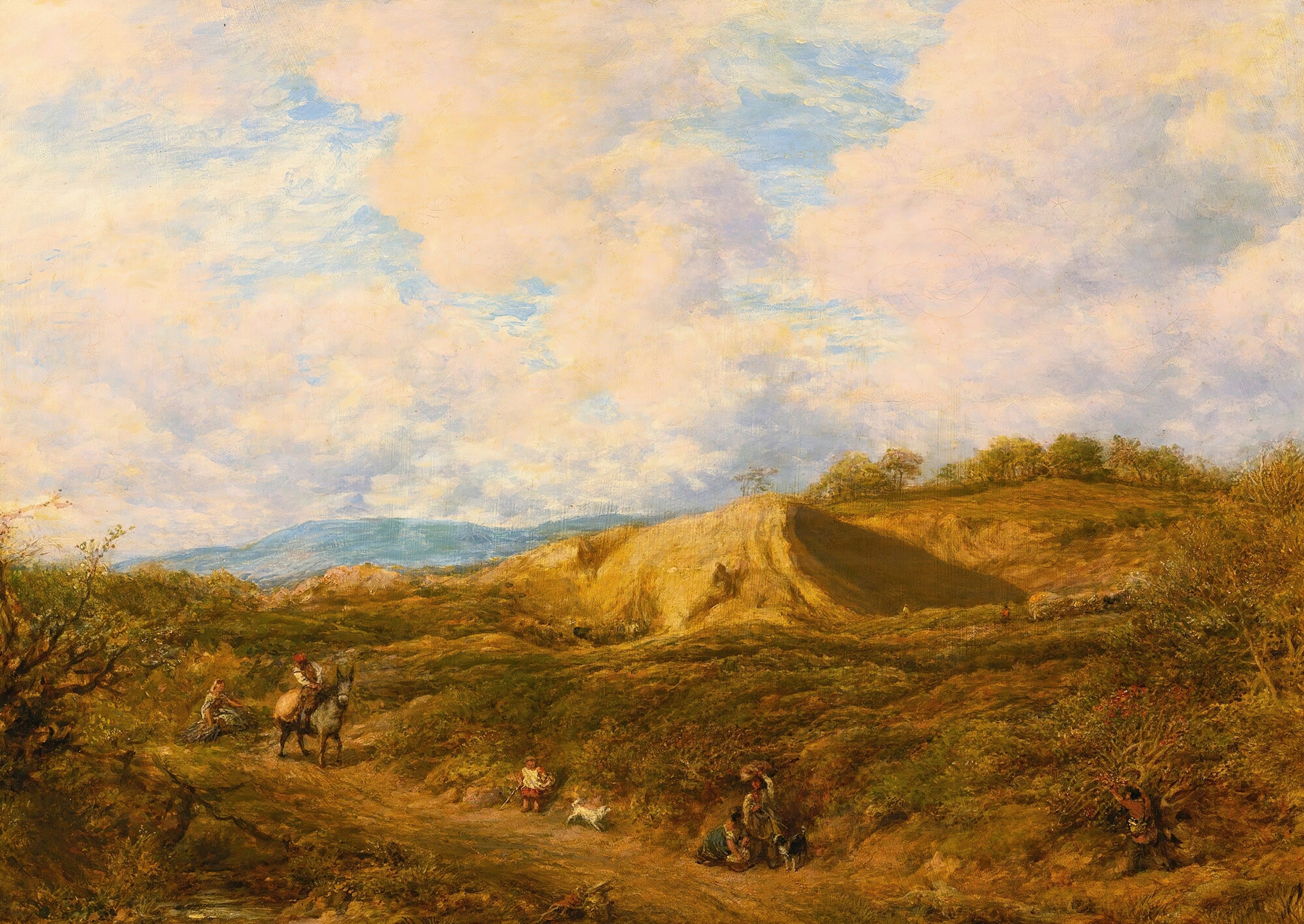
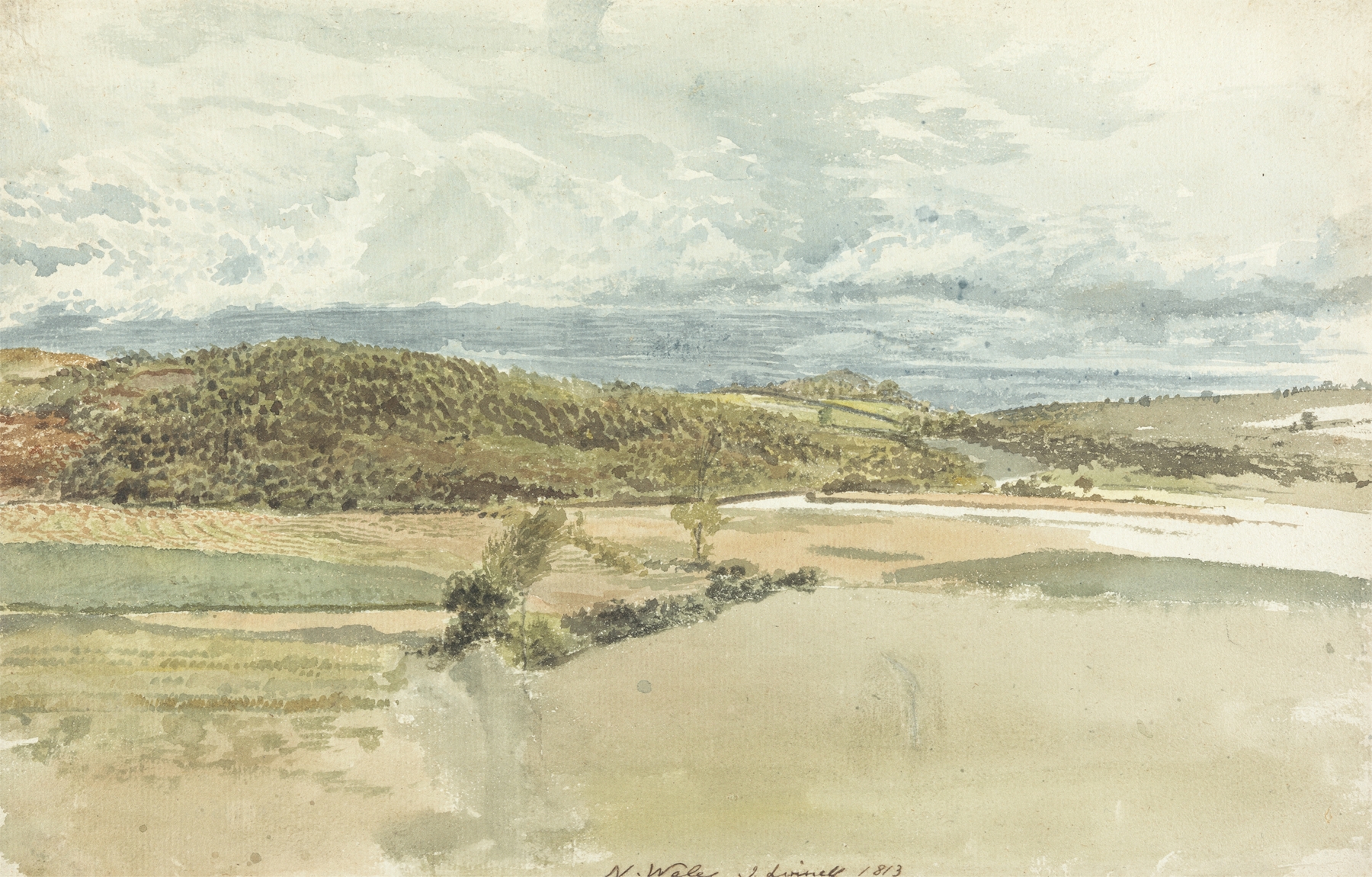
Who listens when art speaks of silence? In Quarries near Ironbridge, the echo of faith lingers within the stones and shadows, inviting contemplation of both creation and desolation. Look to the foreground where the rugged terrain meets the sharp angles of the quarry. The textured brushstrokes convey a palpable sense of earthiness, while the muted color palette emphasizes the somber reality of the scene.
Notice how light trickles through the clouds, illuminating patches of the rugged landscape—a reminder of nature’s resilience amidst human intervention. In the distance, the soft blues of the sky contrast with the browns and grays of the quarry, creating a harmonious balance that draws the eye throughout the canvas. This artwork encapsulates the tension between humanity and nature, revealing the struggle for faith in the unseen. The quarry represents not only the physical extraction of resources but also a deeper metaphor for the search for meaning in a seemingly barren landscape.
The silence of the scene speaks volumes, reflecting the weight of labor and the hope for regeneration—a visual dialogue between destruction and resurrection. In 1816, John Linnell was working in England during a period of artistic transition, exploring themes of industrialization alongside the sublime beauty of nature. This painting emerged during a time when Romanticism was gaining momentum, as artists sought to express the profound impact of nature on human experience. Linnell, surrounded by a vibrant artistic community, was influenced by the changing world, melding realism with a spiritual quest for connection and understanding.