Figures on a Bank, Kensington Gravel Pits — History & Analysis
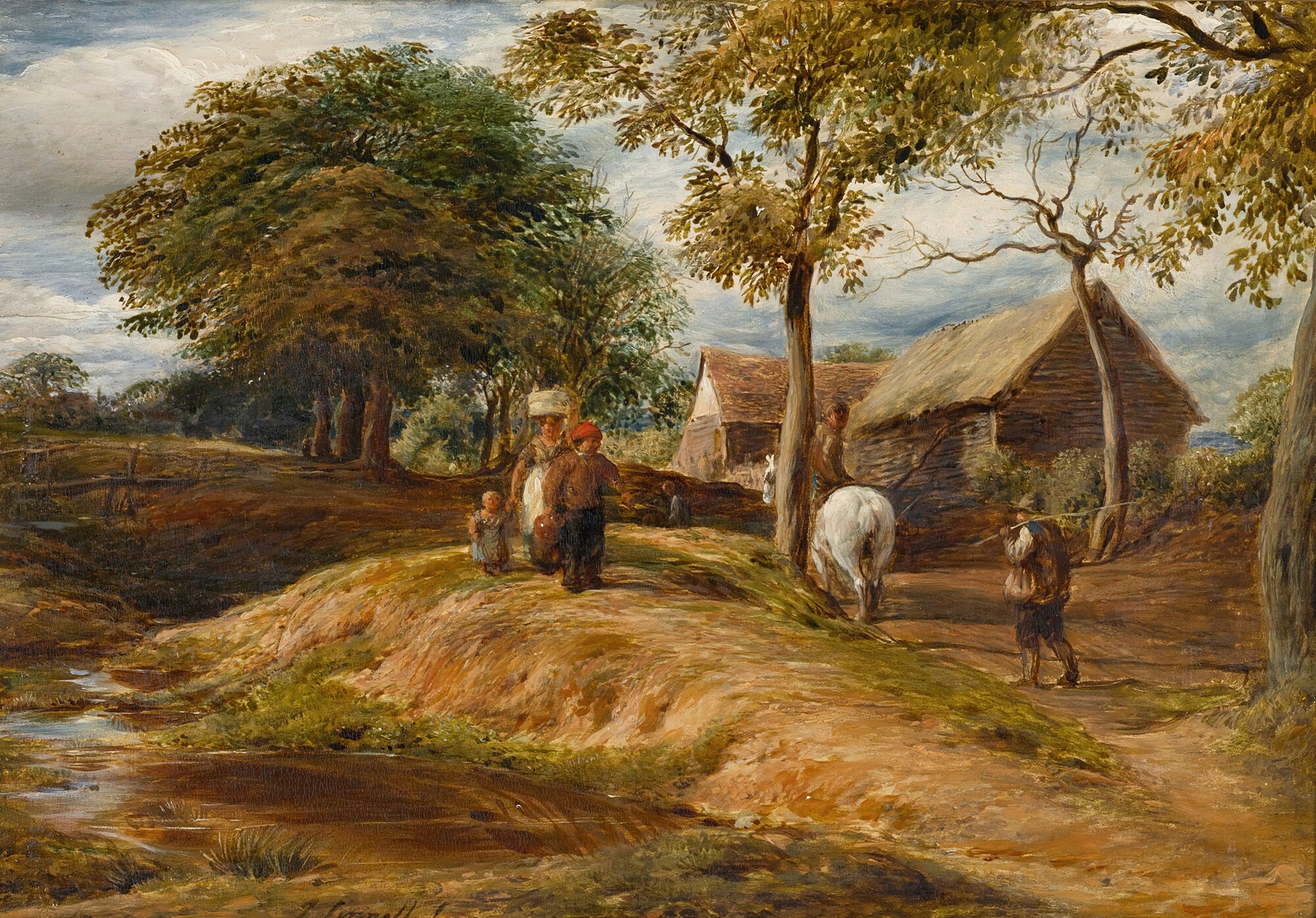
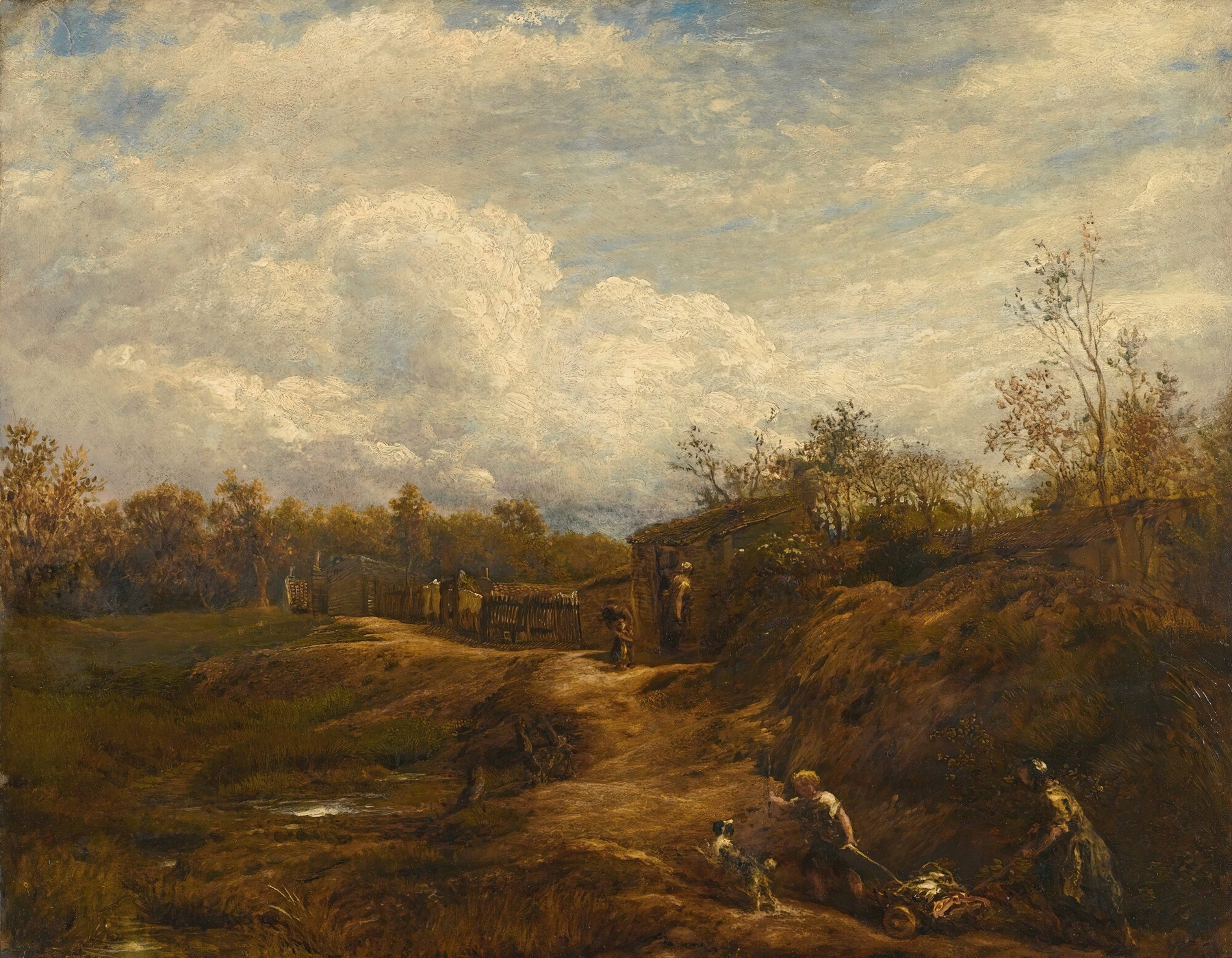
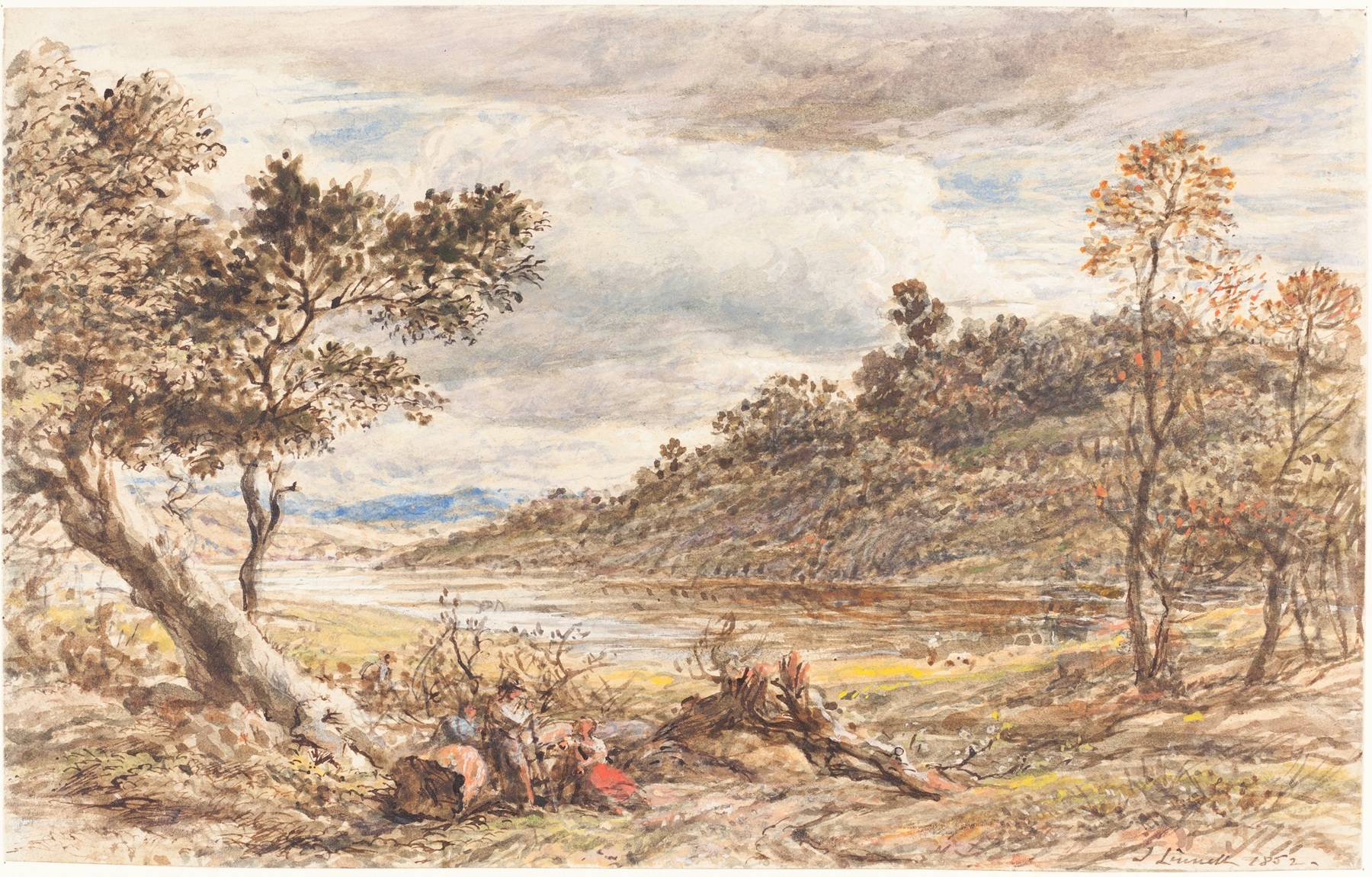
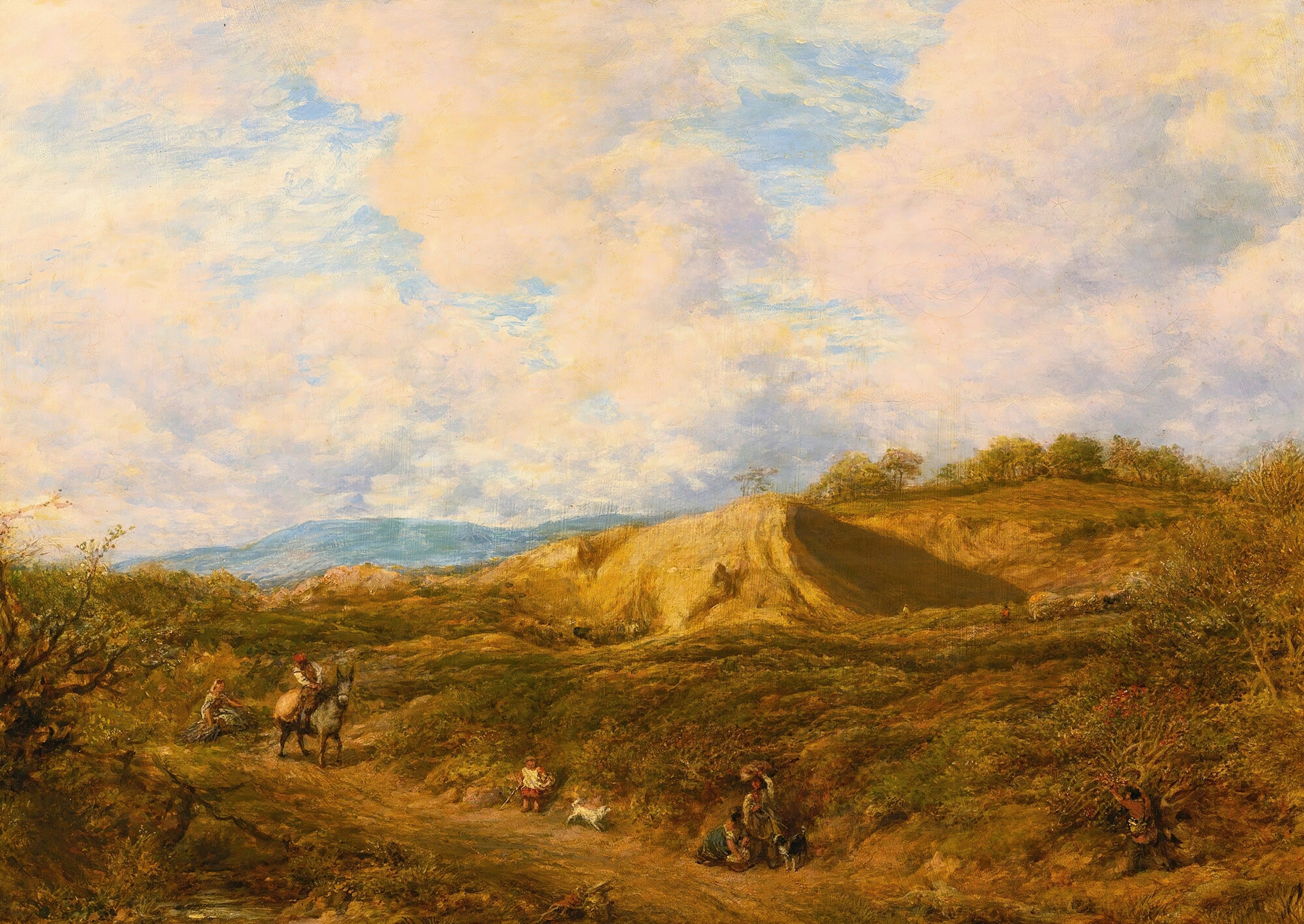
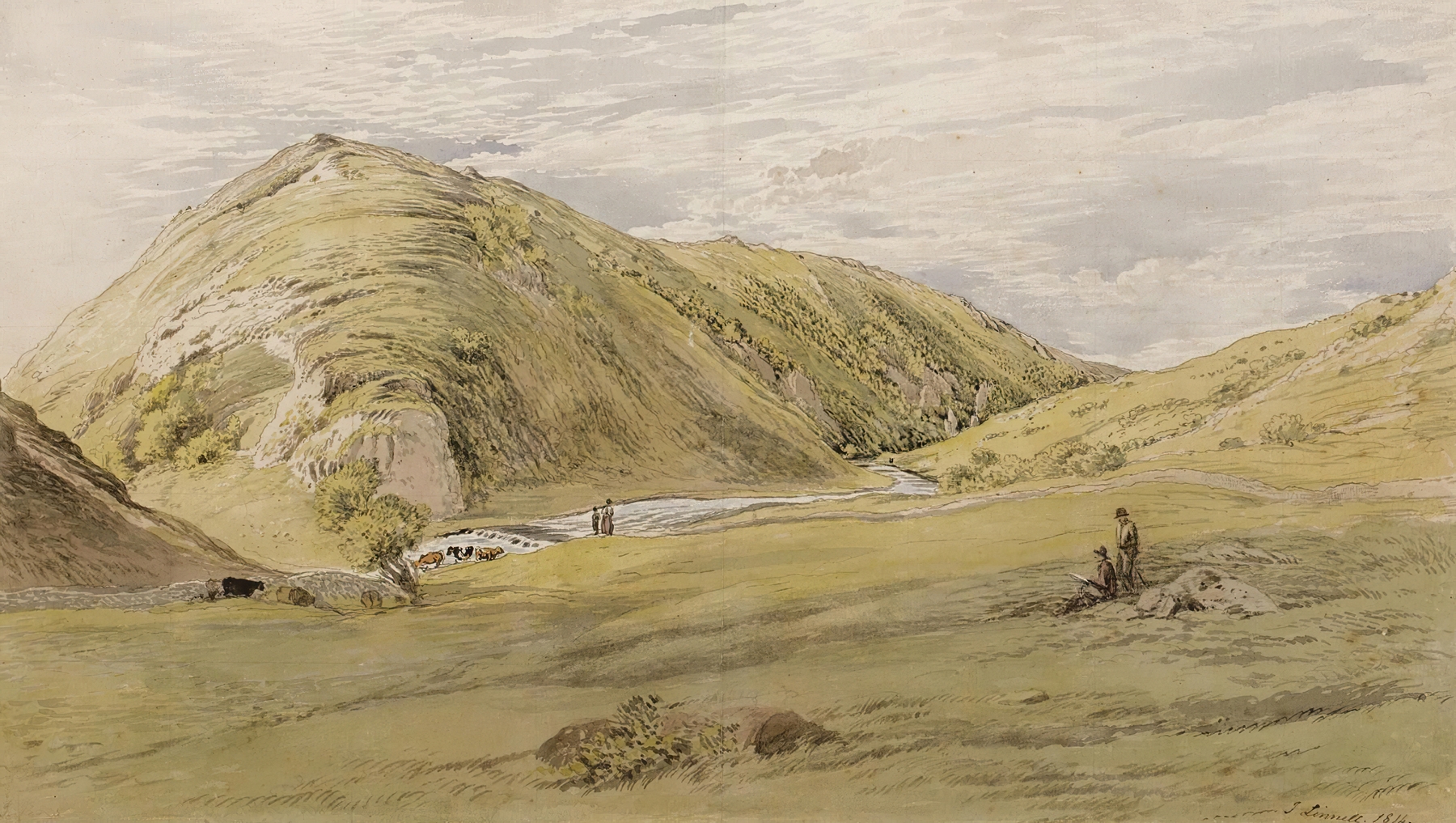
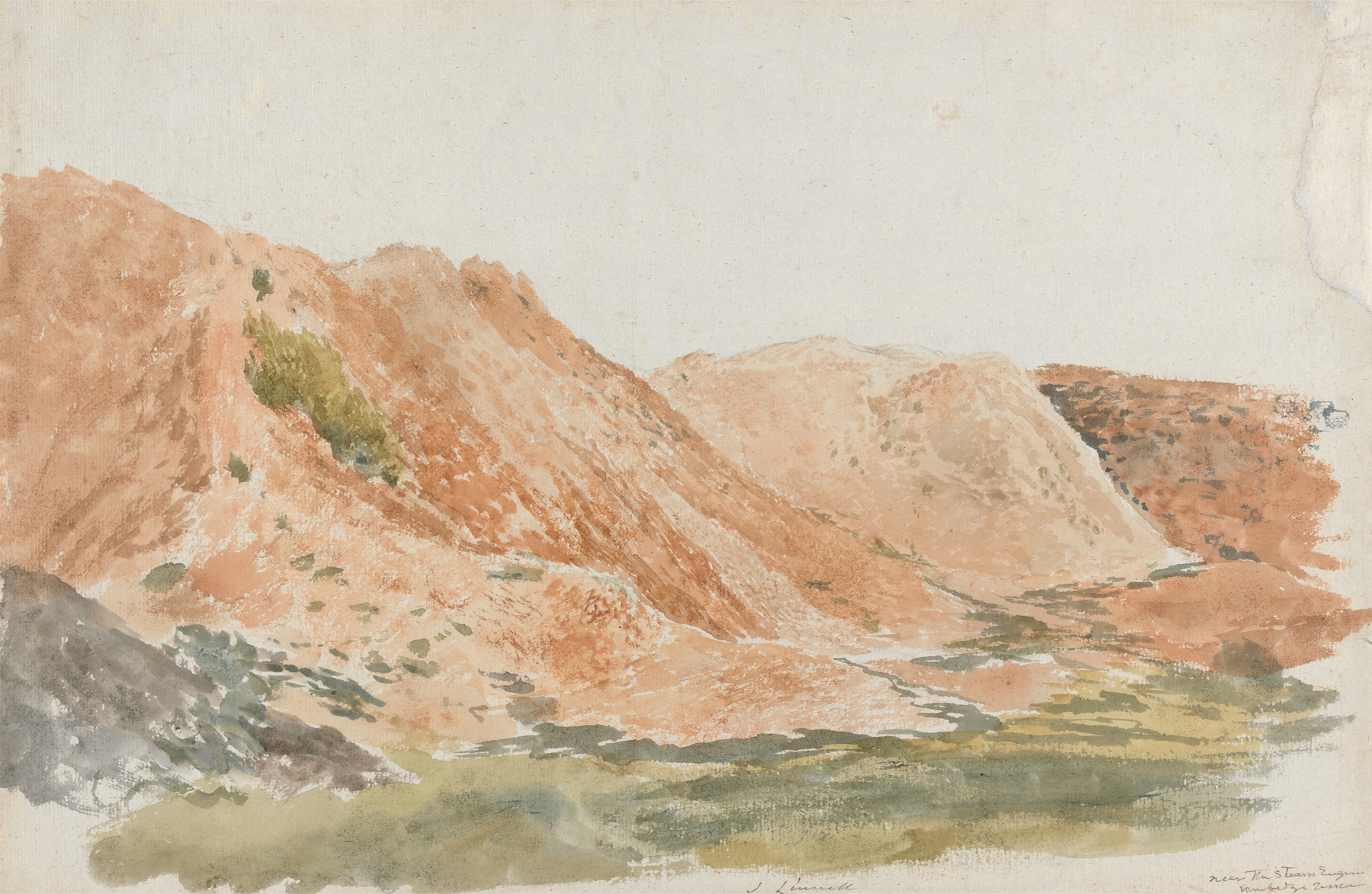
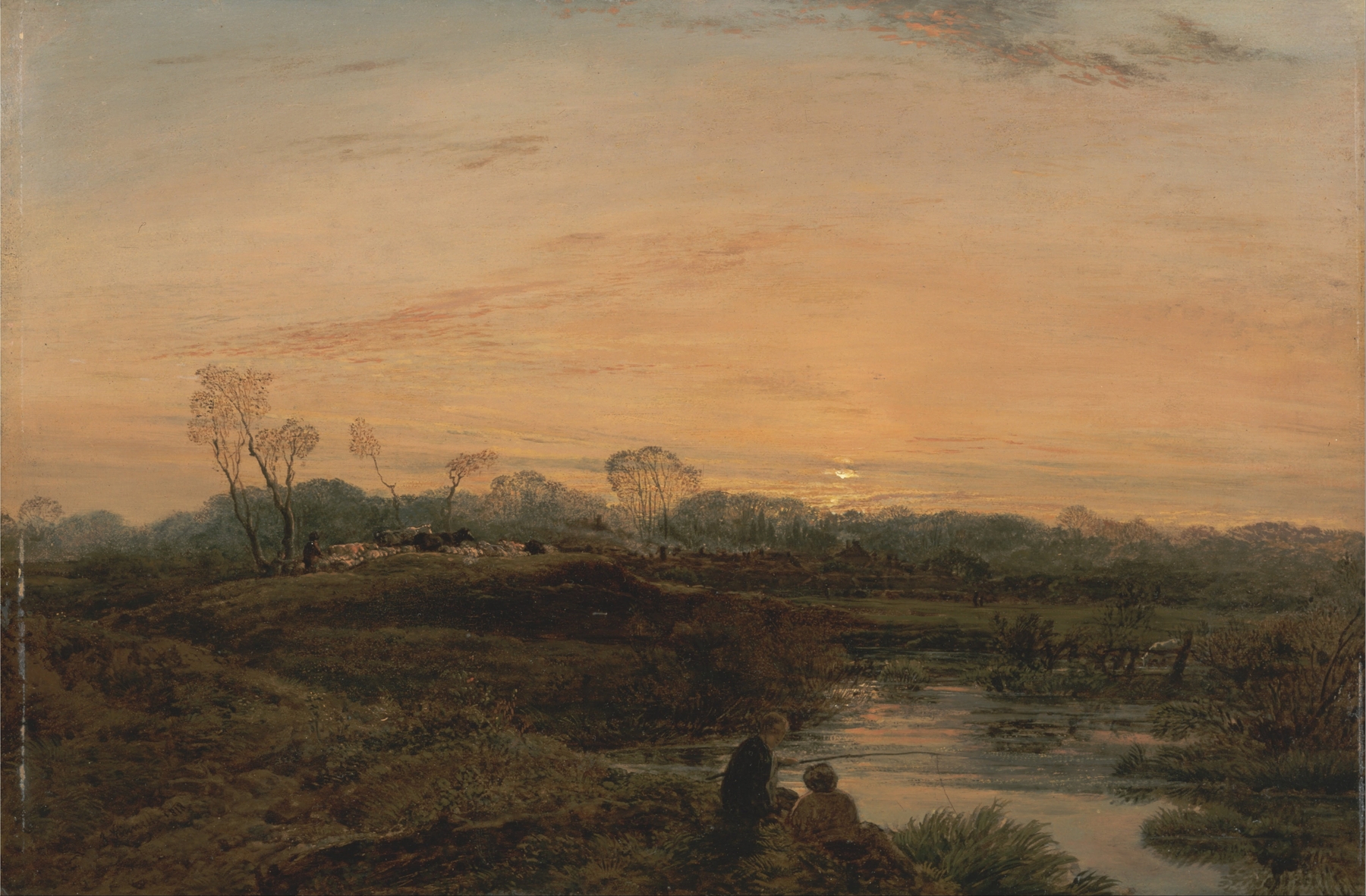
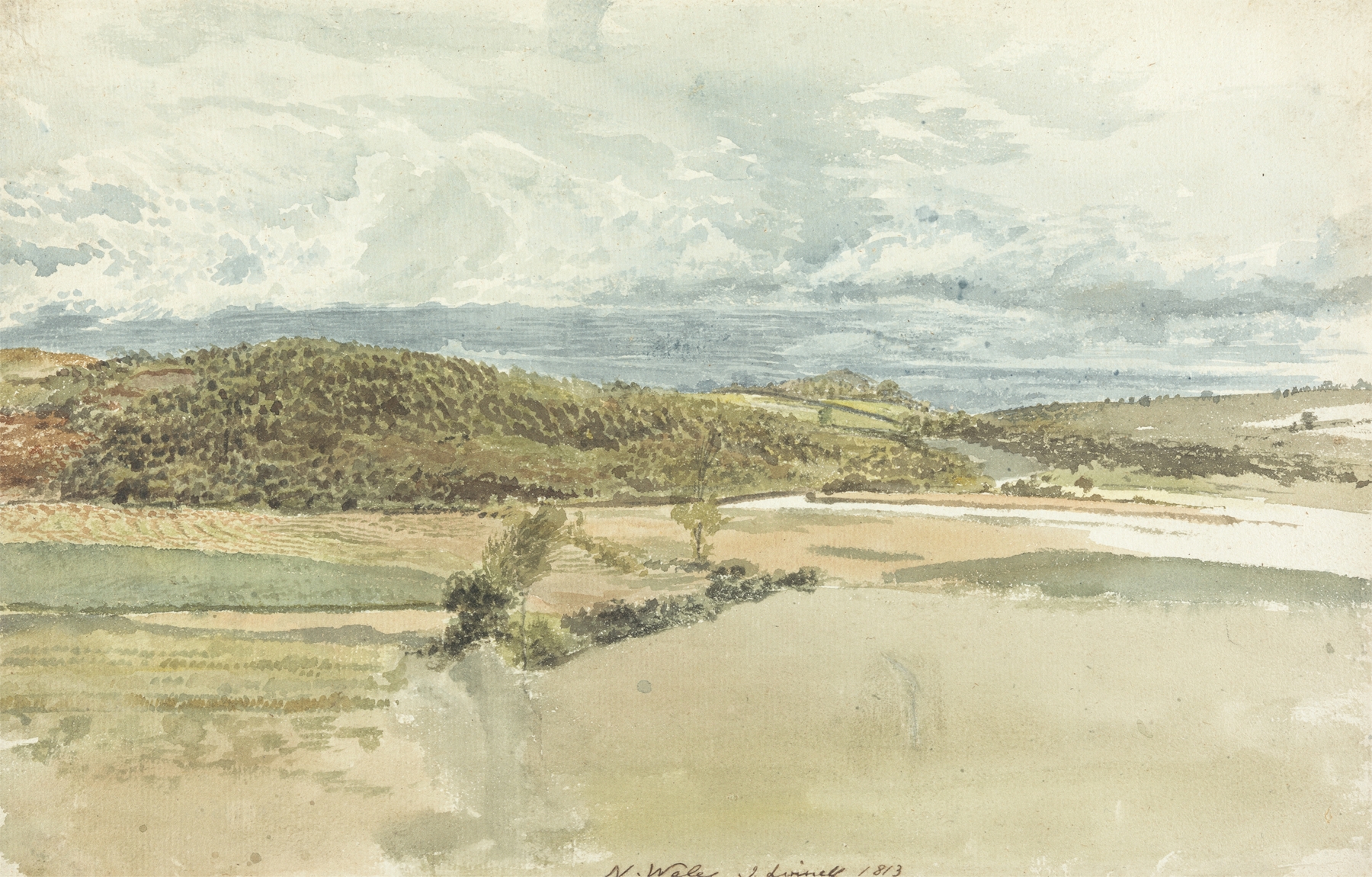
What secret hides in the quiet of the canvas? The stillness of Figures on a Bank, Kensington Gravel Pits invites us to explore deeper, revealing layers of faith and introspection beneath its serene exterior. Look to the left, where two figures stand by the water's edge, their silhouettes softened by a gentle haze. The muted palette of greens and browns envelops the scene, while the interplay of light and shadow creates a sense of tranquility. Notice how the rippling water reflects the lush landscape, drawing your eyes toward the horizon, where the sky's pastel hues blend seamlessly with the earth.
The careful composition hints at an intimate moment between nature and humanity, inviting contemplation. As you delve into the details, consider the emotional tension between the figures and their surroundings. The juxtaposition of human presence against the expansive natural world suggests a search for meaning amid life's transience. Here, faith can be interpreted in the quiet connection between the two figures—perhaps a shared hope or unspoken bond that transcends the ordinary.
The serenity of the moment stands in contrast to the ever-flowing passage of time, capturing the delicate balance of existence. John Linnell created this piece in 1812 during a period marked by personal and artistic evolution. Living in London, he was part of a circle that included prominent artists like Samuel Palmer, who emphasized the beauty of nature and spirituality in their work. This painting reflects the Romantic era’s fascination with the natural world, embodying Linnell’s commitment to portraying scenes that inspire both reverence and reflection.