A Valley in Burgundy (Une Vallée en Bourgogne) — History & Analysis
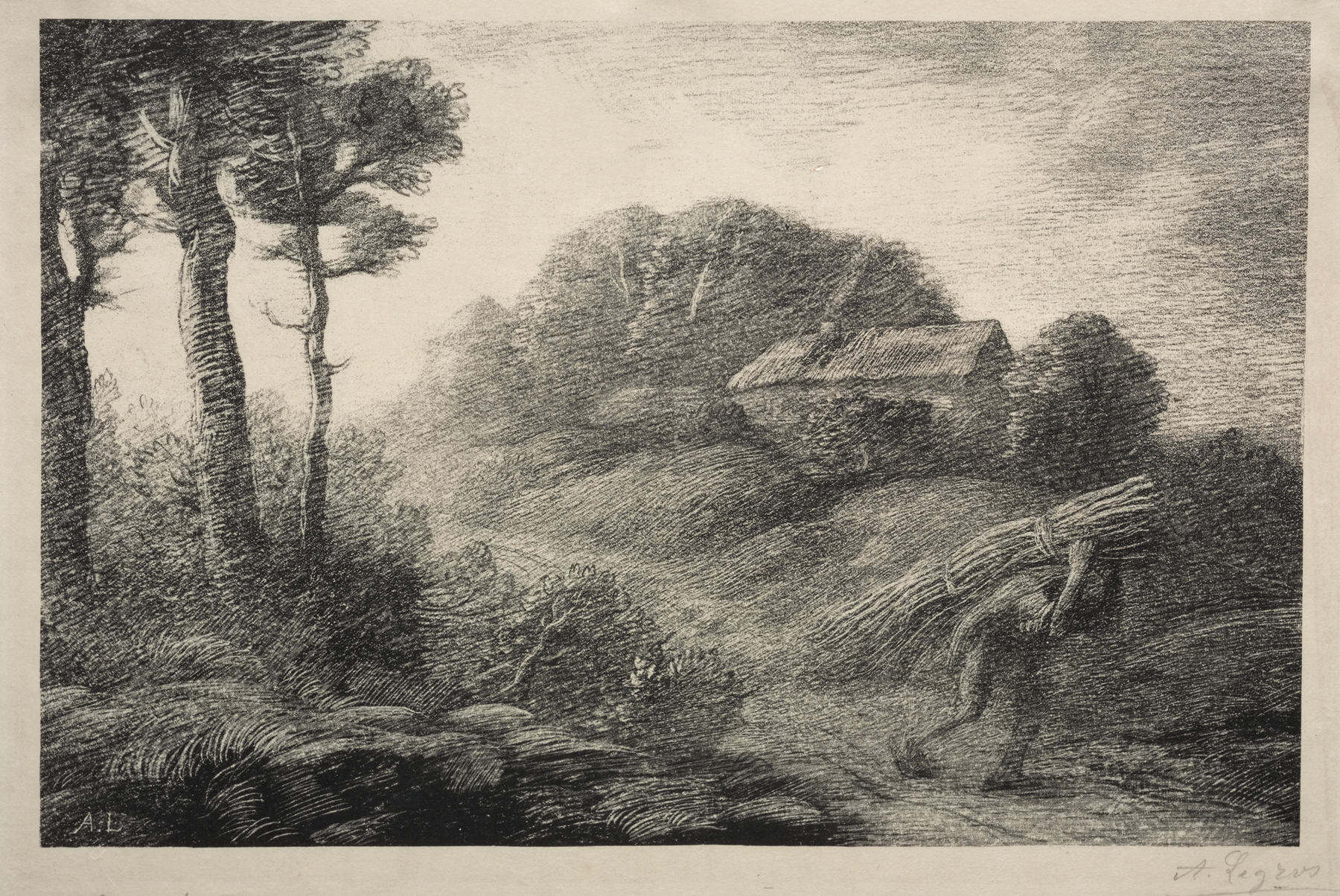
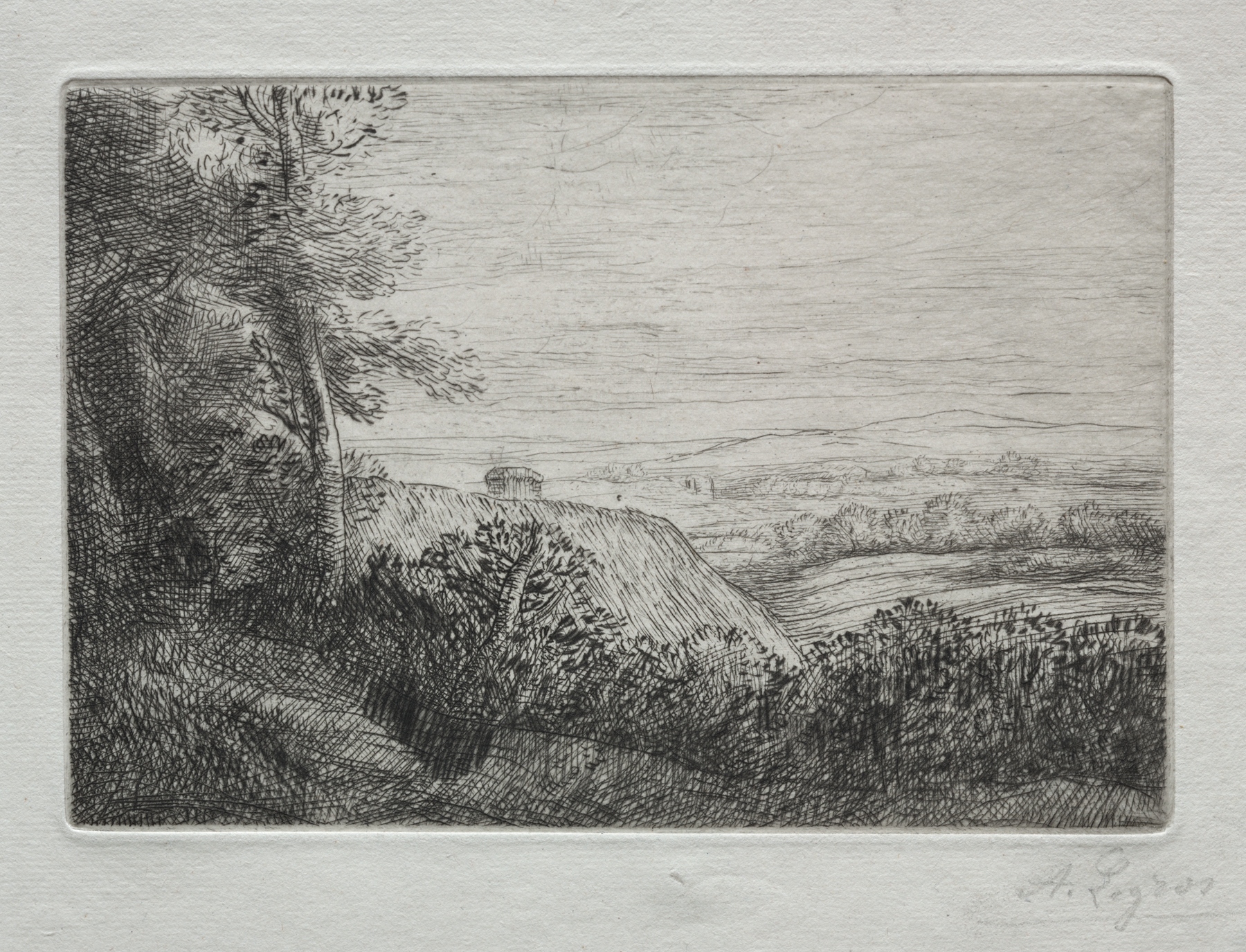
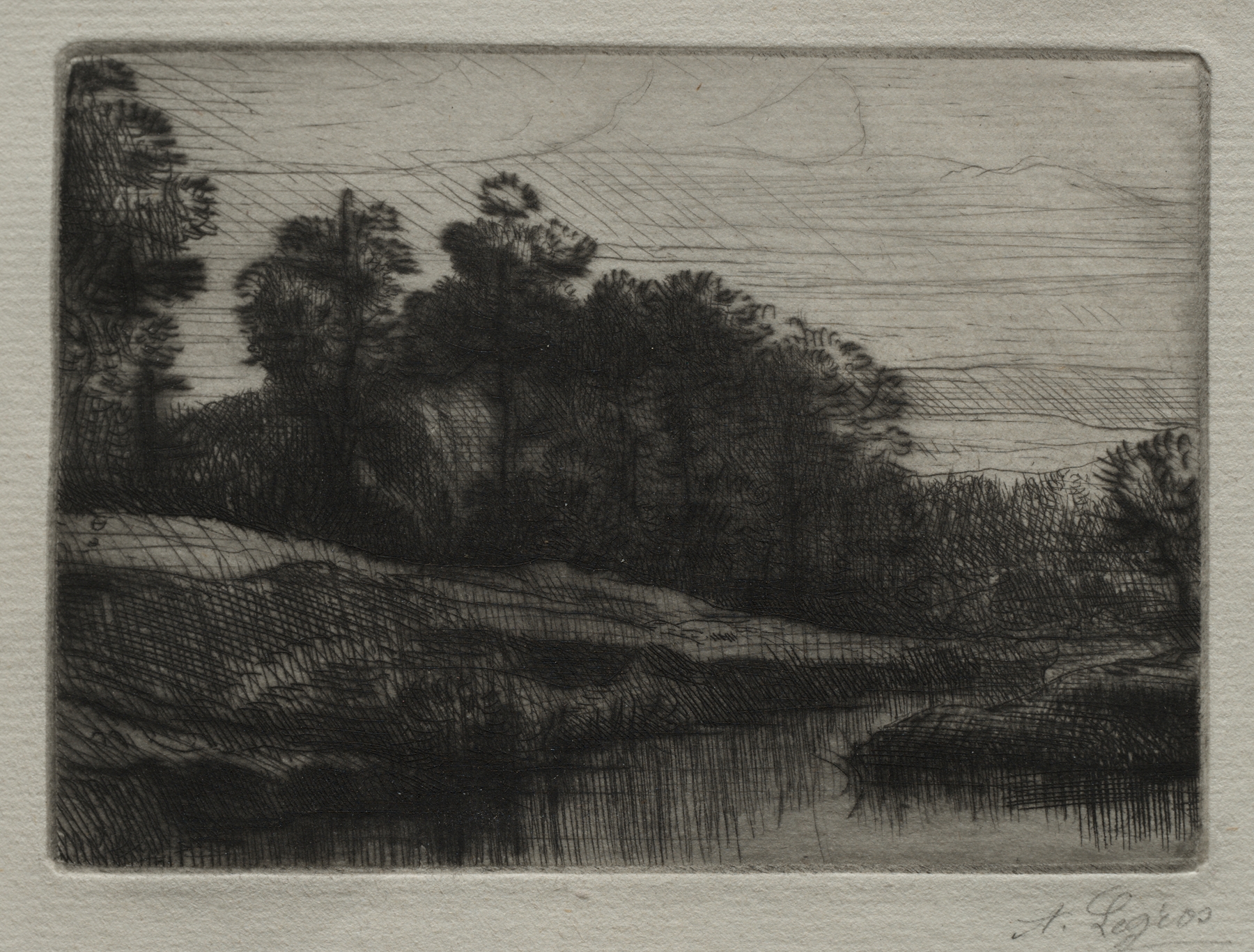
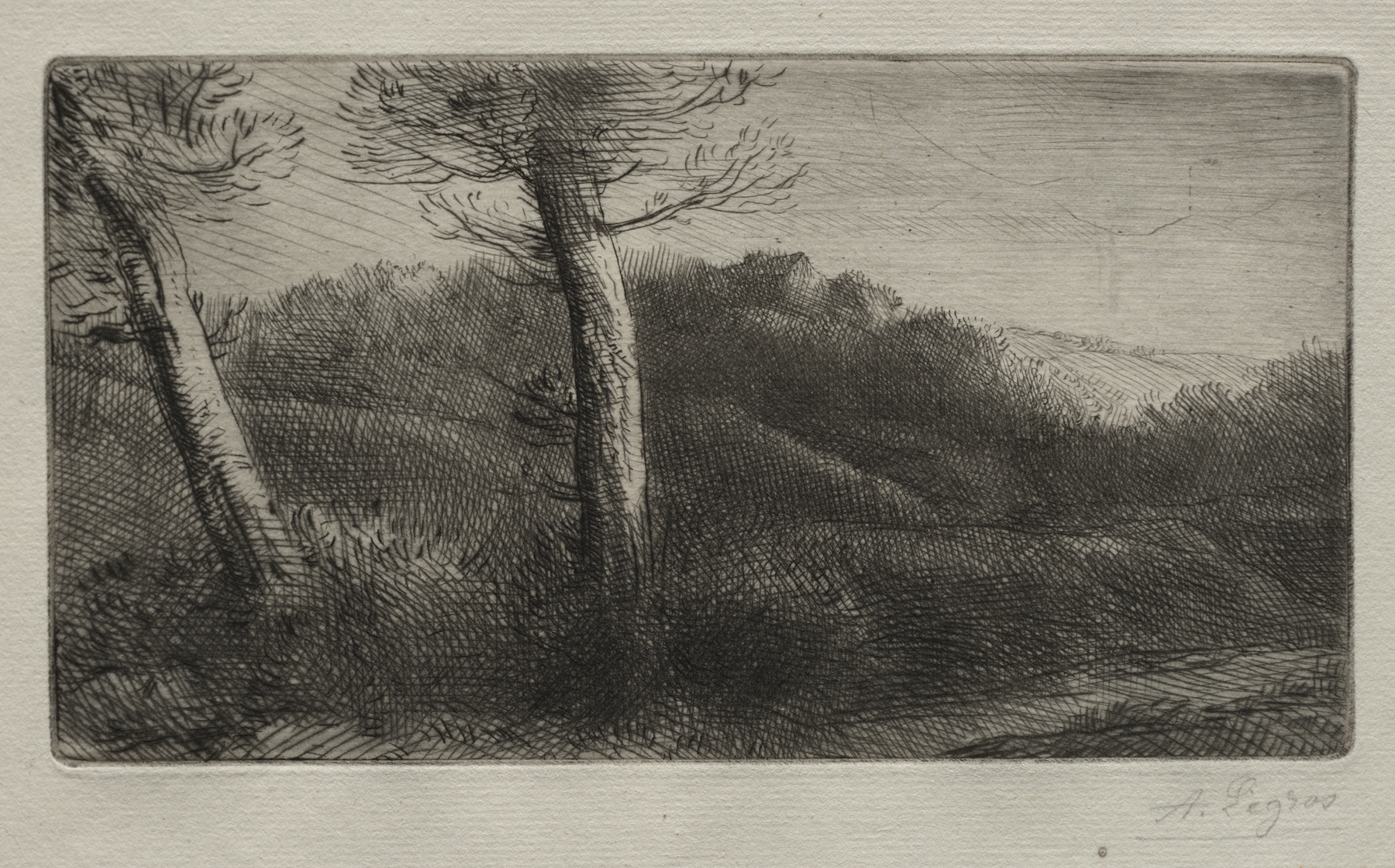
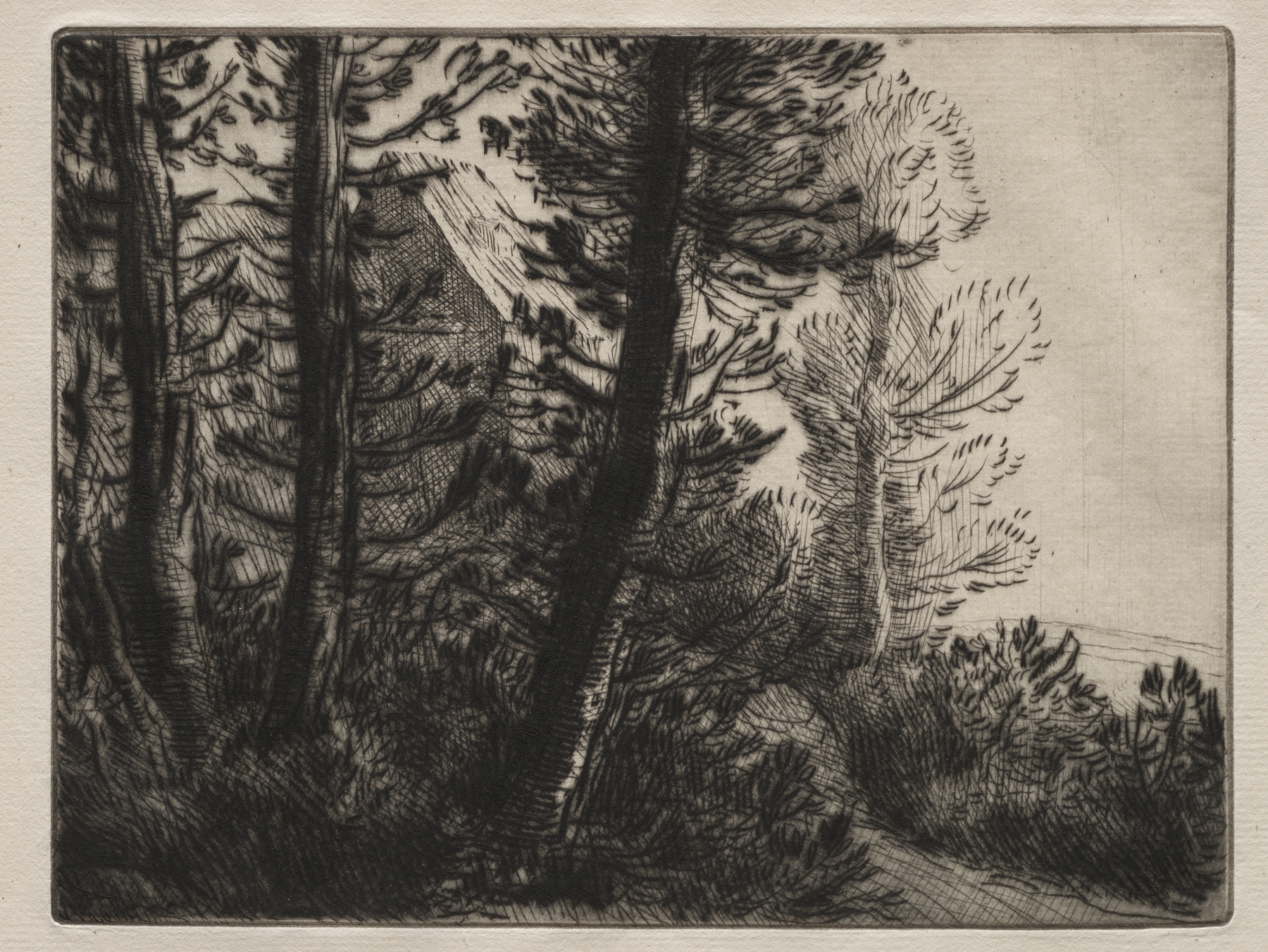
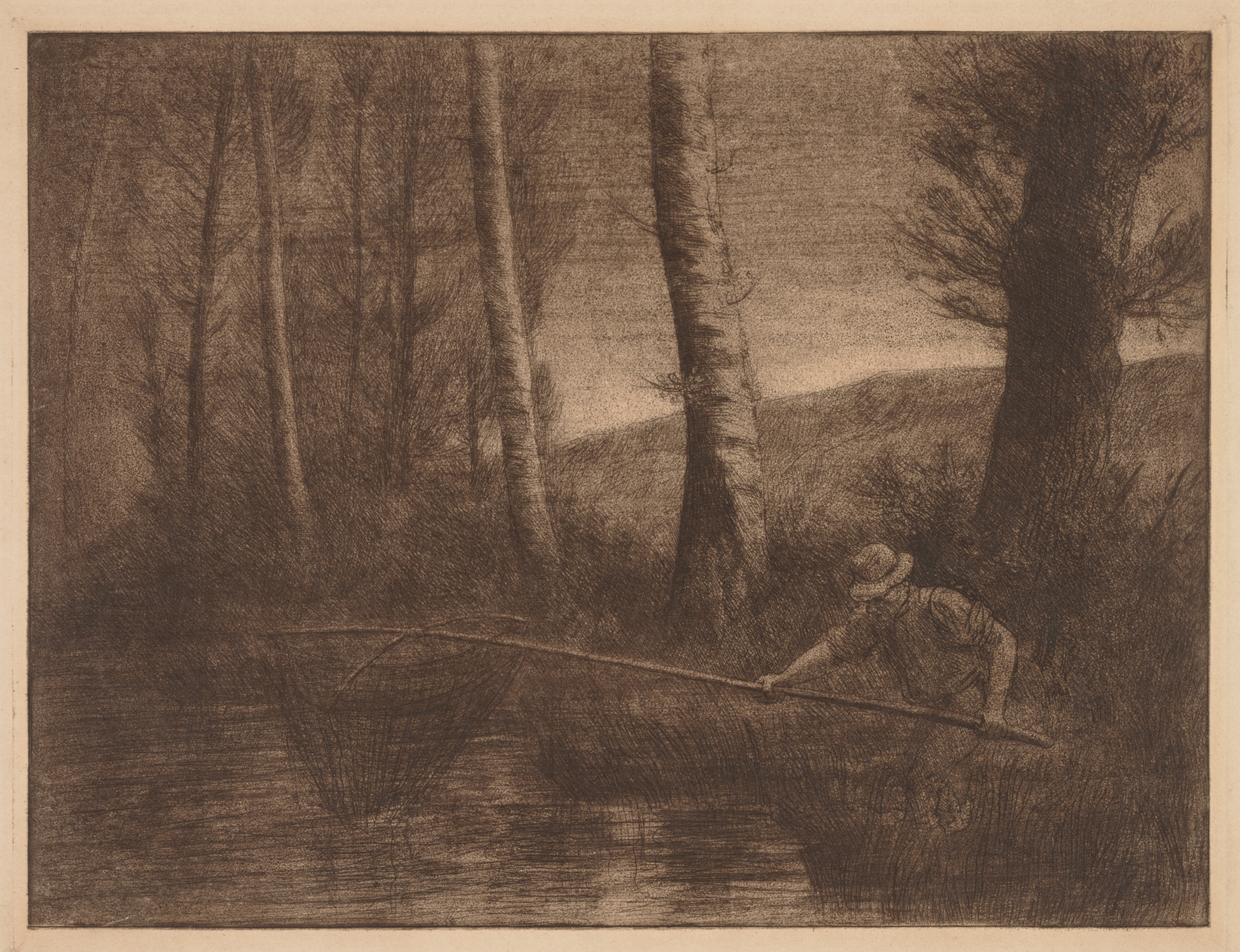
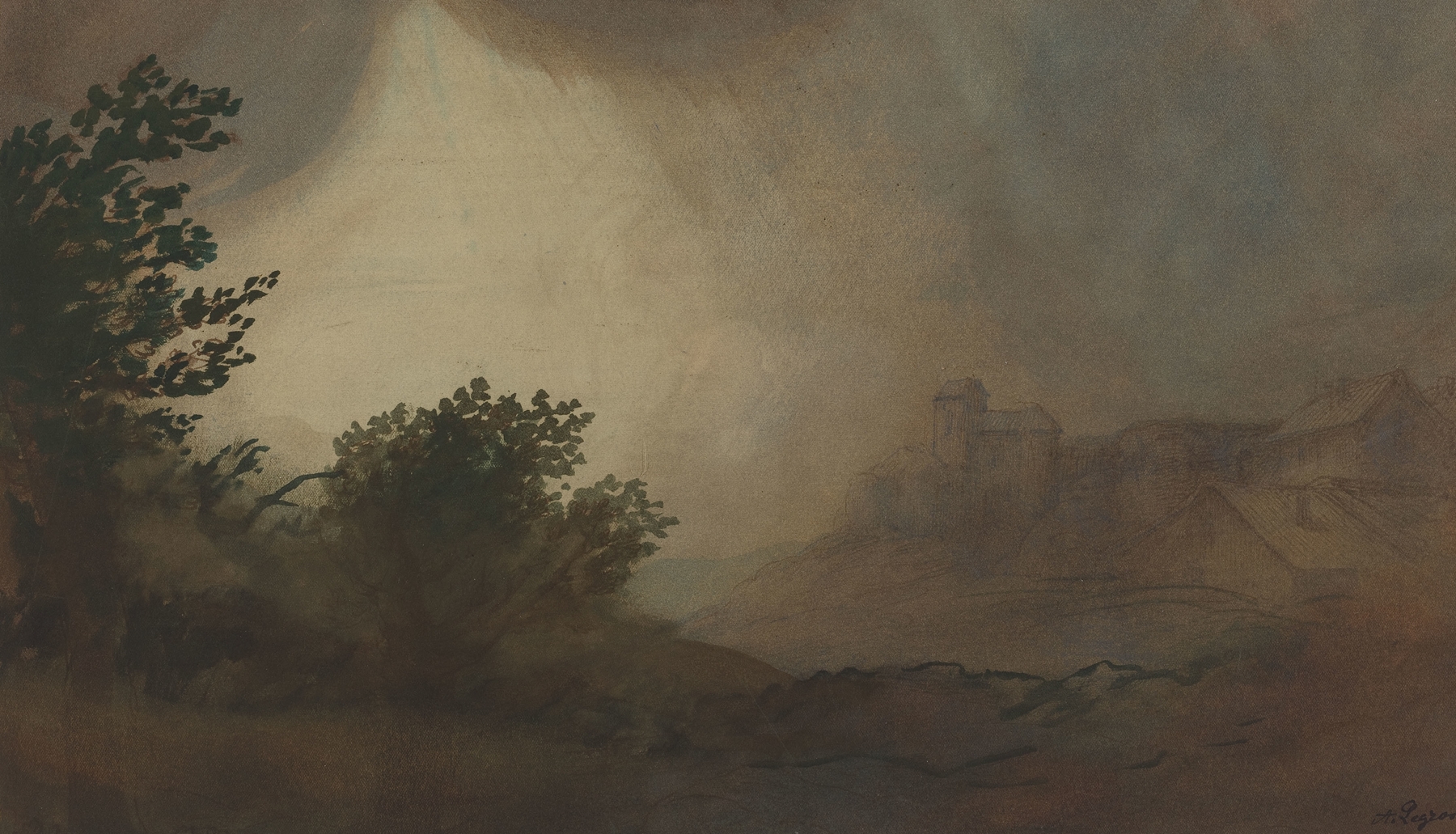
Is this a mirror — or a memory? In A Valley in Burgundy, the landscape unfurls like a thought half-remembered, beckoning us to question the clarity of what we see. The painter captures a moment suspended in time, one that dances on the edge of reality and the fleeting madness of recollection. Look to the foreground, where gentle curves of earth meet dappled greens and soft yellows, guiding your gaze deeper into the scene.
Notice how the light spills lazily across the rolling hills, creating a dreamlike quality that softens the edges of the trees and shadows. The muted palette invites contemplation, as if each brushstroke is a whisper of nostalgia, drawing the eye forth to explore the hidden nuances of the valley. Yet, the emotional tension lies not just in the tranquility of the landscape but in its ambiguity. The juxtaposition of natural beauty against the undercurrent of madness can be felt in the swirling clouds above; they seem to threaten a storm, hinting at chaos lurking beneath the serene façade.
In the distance, the vague outlines of cottages may evoke human presence, yet they are rendered indistinct, blurring the line between reality and imagined memory. In the later years of his life, Alphonse Legros painted A Valley in Burgundy between 1857 and 1911, during a time when he navigated the complexities of art movements and the turmoil of personal experiences. Living in France, he was influenced by the evolving artistic conversations around him, particularly in the realms of realism and symbolism. This period reflected not only a shift in his career but also in the societal landscape, where the impacts of industrialization and modernity began to permeate the consciousness of artists and their work.