Above the Clouds — History & Analysis
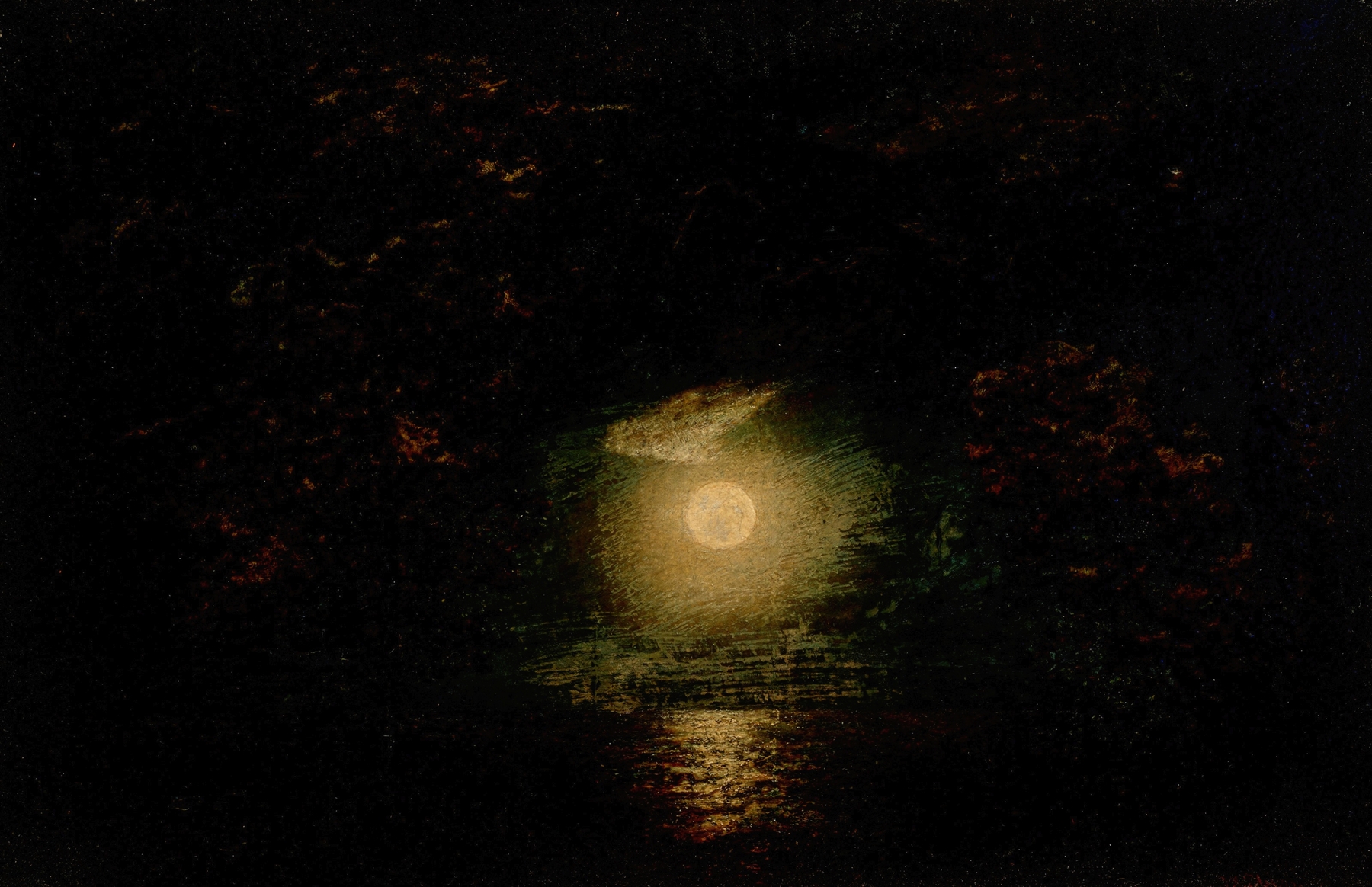
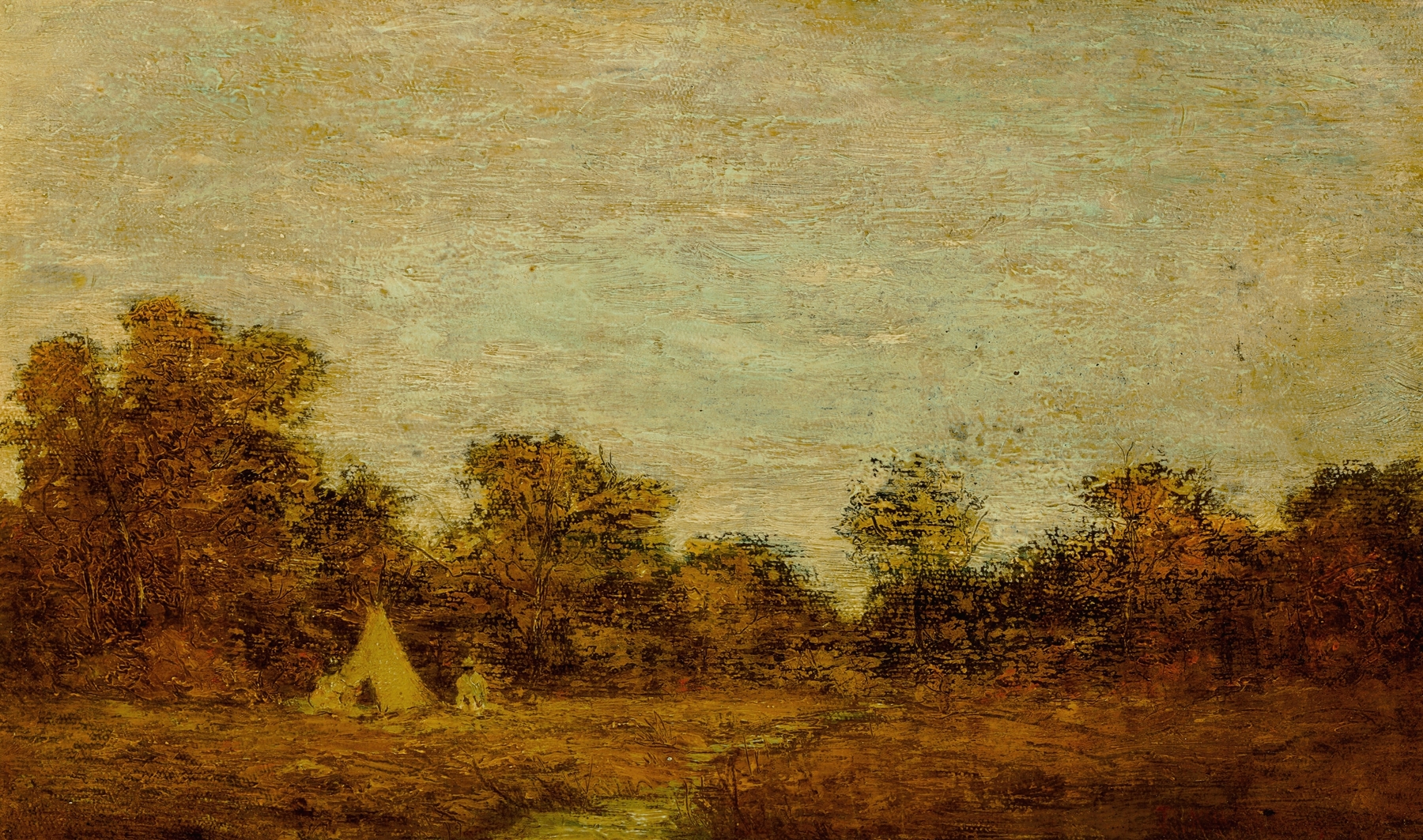
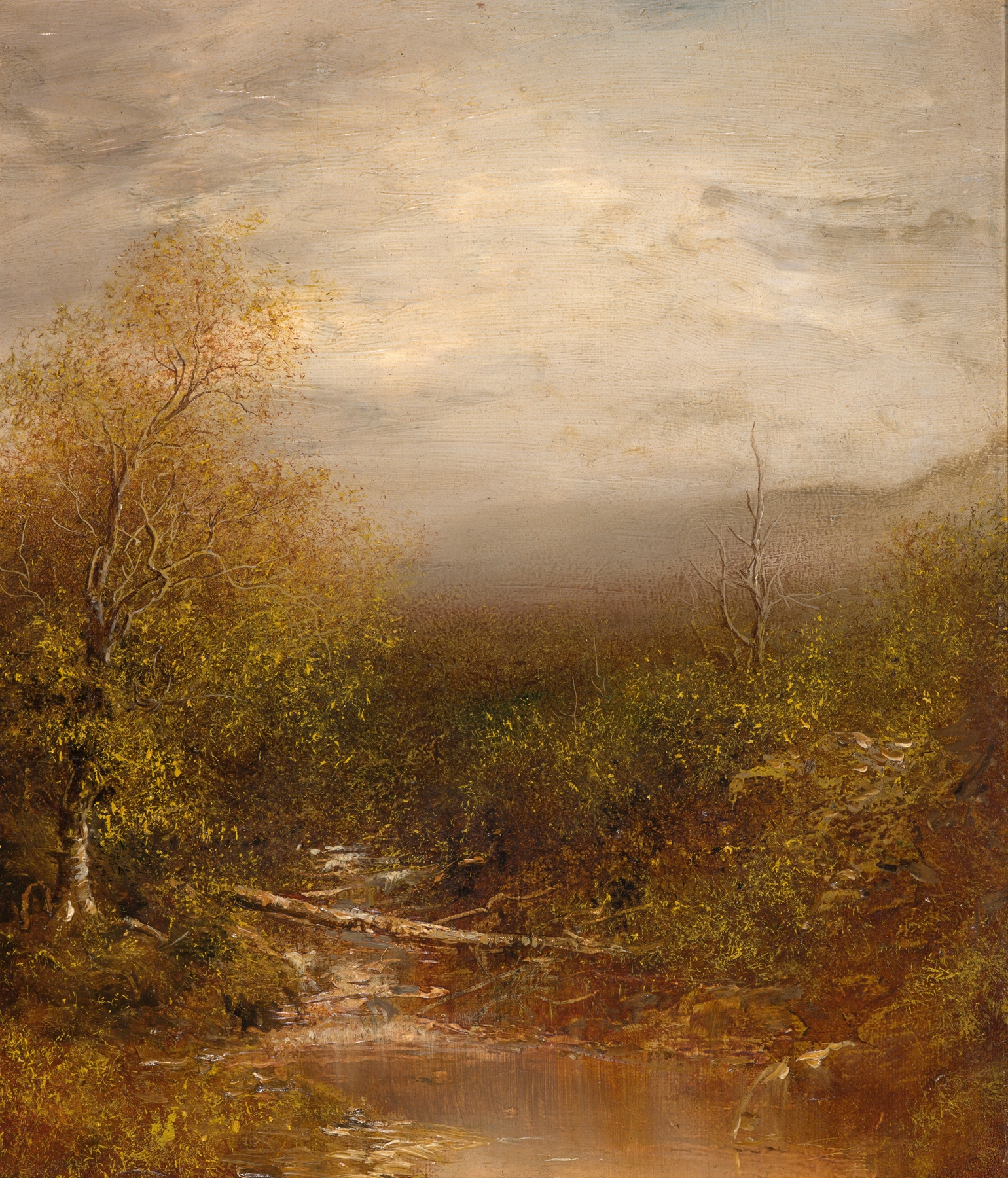
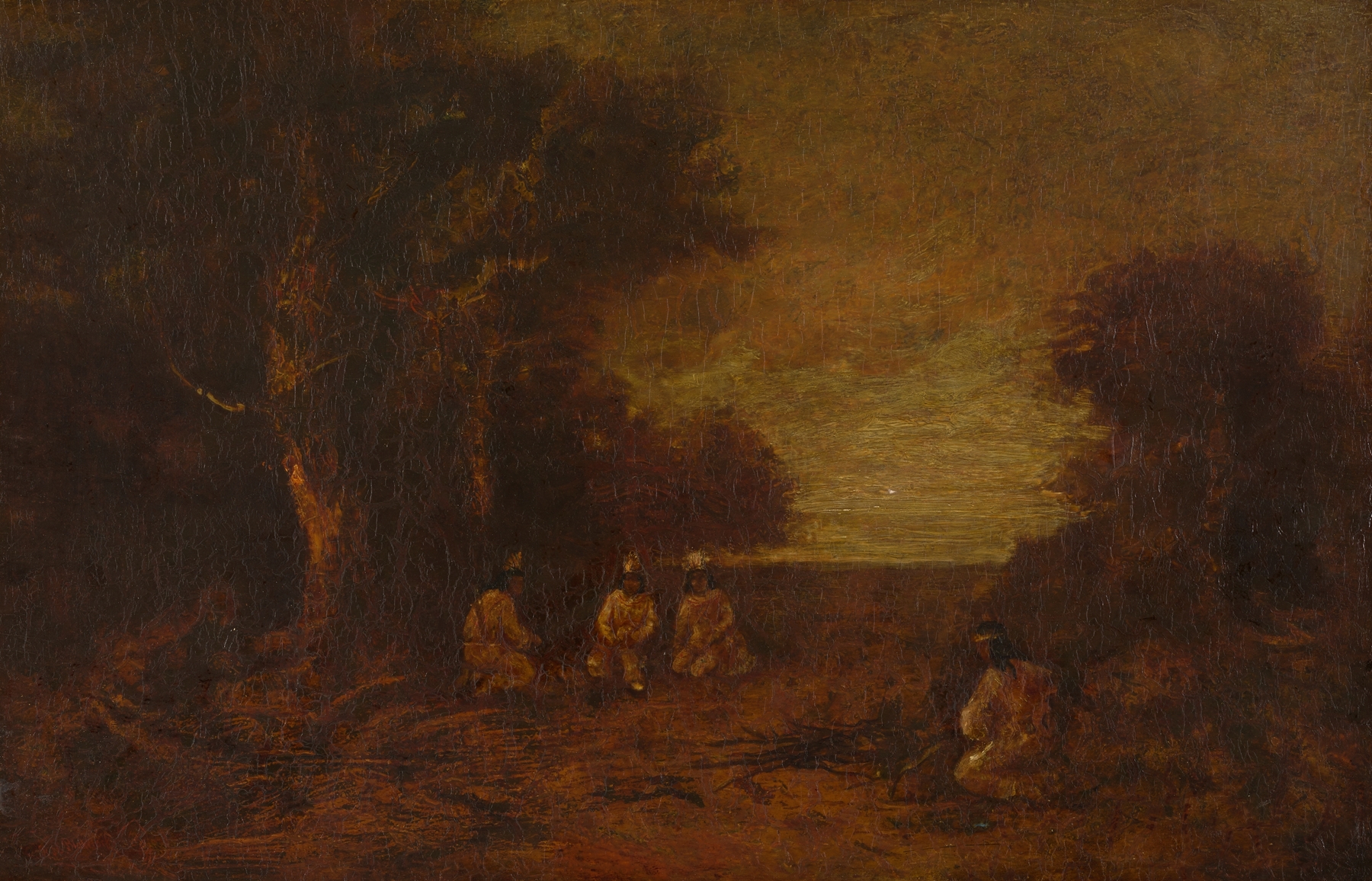
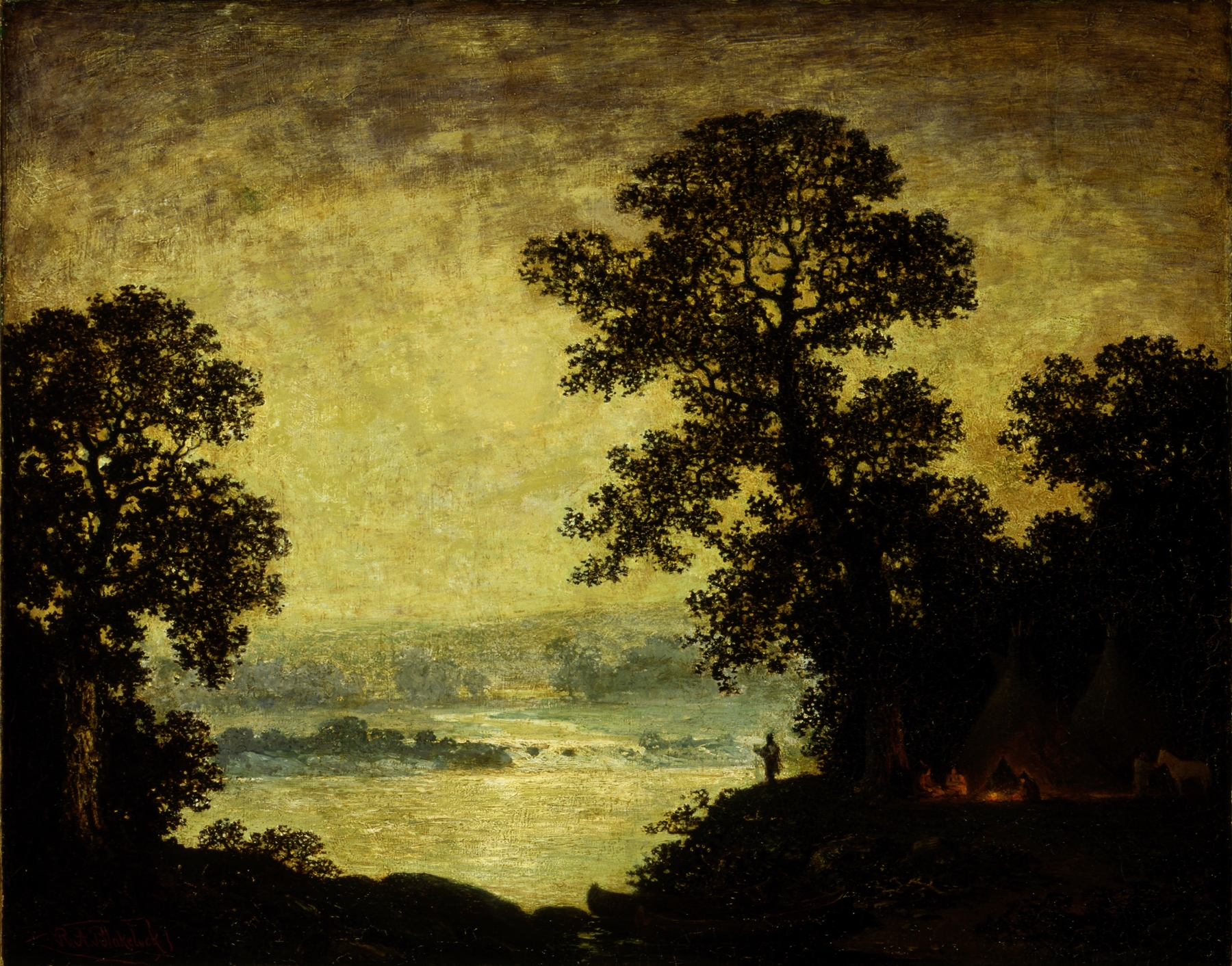
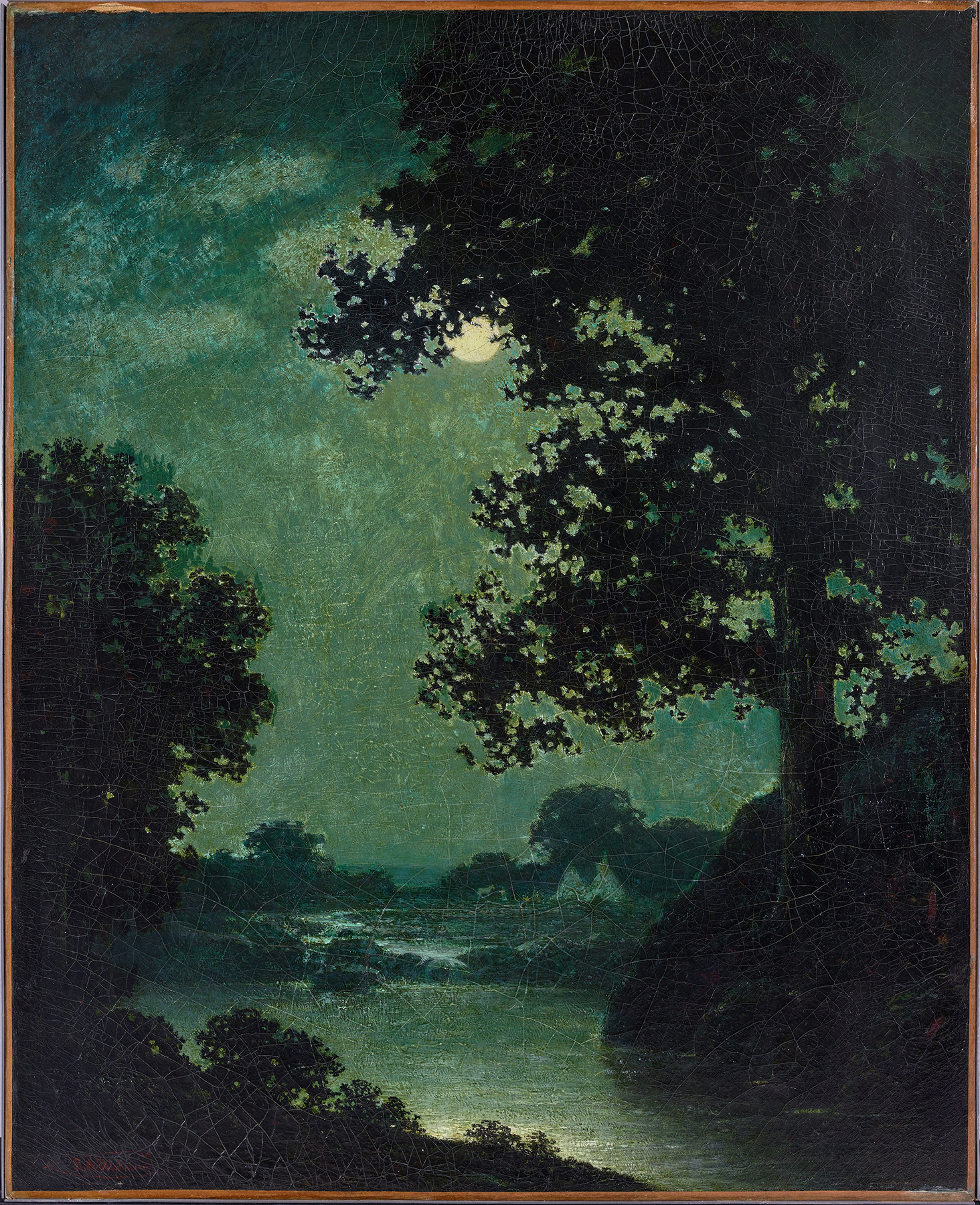
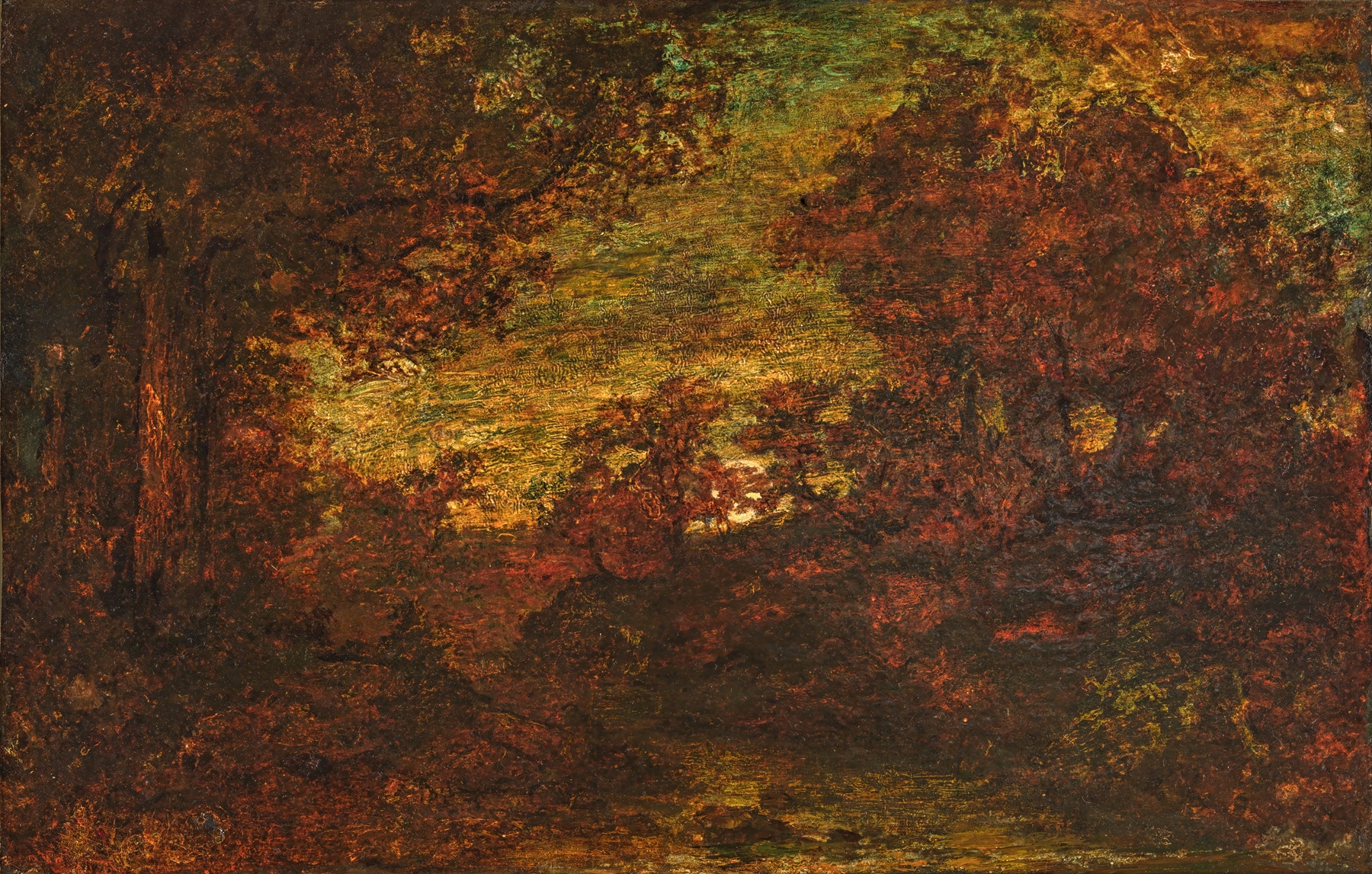
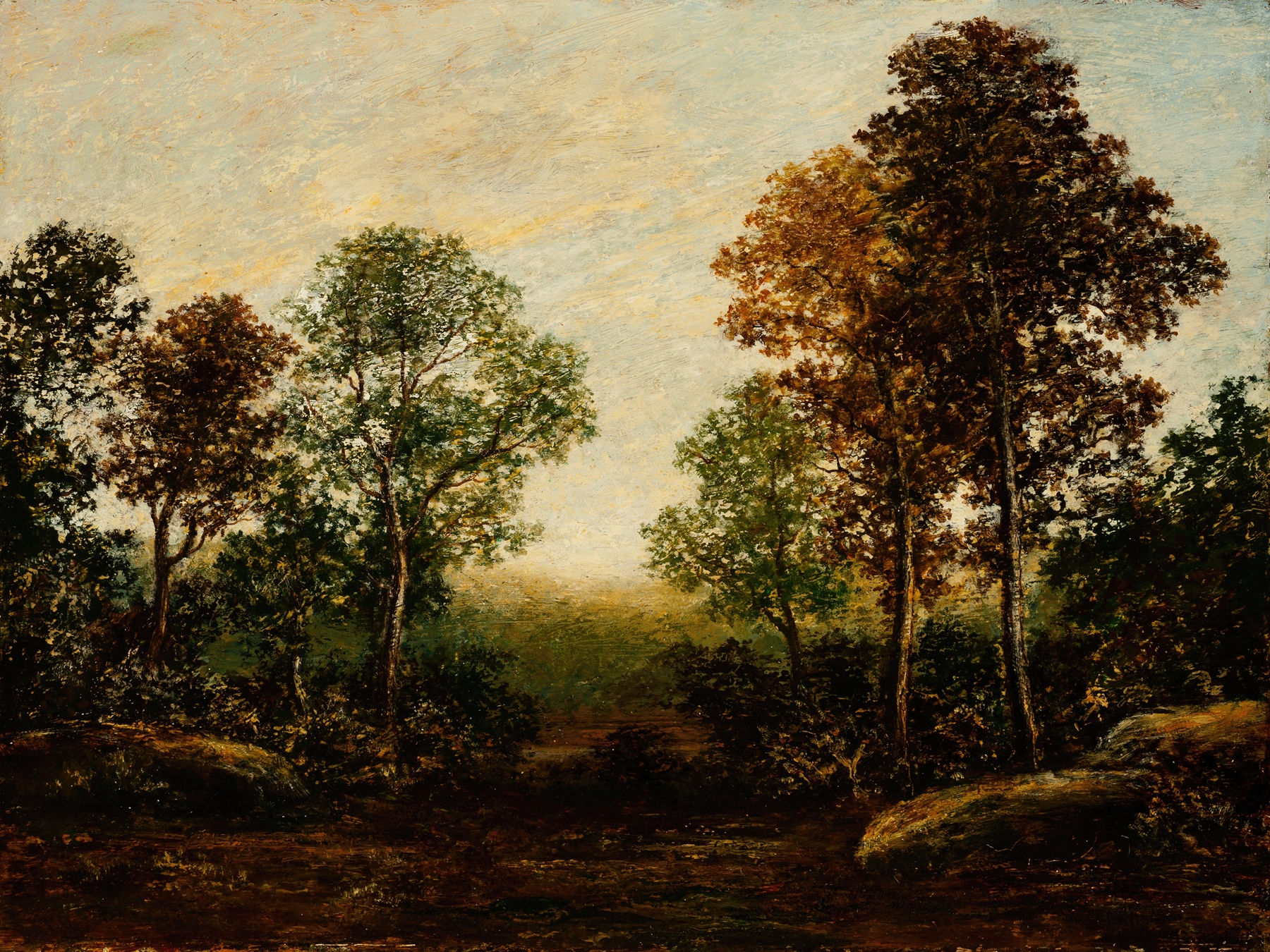
“Under the brush, chaos becomes grace.” In Above the Clouds, a delicate interplay of light and shadow encapsulates the fragility of our existence. The painting invites us to contemplate the ethereal beauty that lies just beyond the reach of our daily lives, where the mundane transforms into the sublime. Look to the center of the canvas, where soft clouds billow against the vast expanse of a pale blue sky. The gentle gradients of white and cream radiate warmth, hinting at a fleeting moment just before dawn. Notice how the brushwork creates a serene yet dynamic sense of movement, as if the clouds are alive, shifting and swirling with an almost breath-like rhythm.
The subtle use of cool colors at the edges contrasts with the warm tones at the heart, enriching the sense of depth and inviting exploration. The tension between light and dark plays out not only across the sky but also within the clouds themselves, suggesting both a fleeting beauty and an impending change. Each stroke embodies fragility, evoking the transience of nature and life. This delicate balance mirrors our own struggles, encapsulating a moment of serenity amid the chaos of existence.
The layers of paint, thick in some areas yet thin in others, reflect the artist's intent to capture the impermanence of beauty, reminding us that clarity often emerges from complexity. Ralph Albert Blakelock created Above the Clouds between 1875 and 1878, during a period of personal hardship and artistic exploration. Living in New York, he was influenced by the Romantic movement's emphasis on nature's emotional power. Amidst a burgeoning art scene that struggled with industrial changes, Blakelock turned to the serenity of landscapes, seeking solace and spiritual reflection in the natural world.