Afterglow — History & Analysis
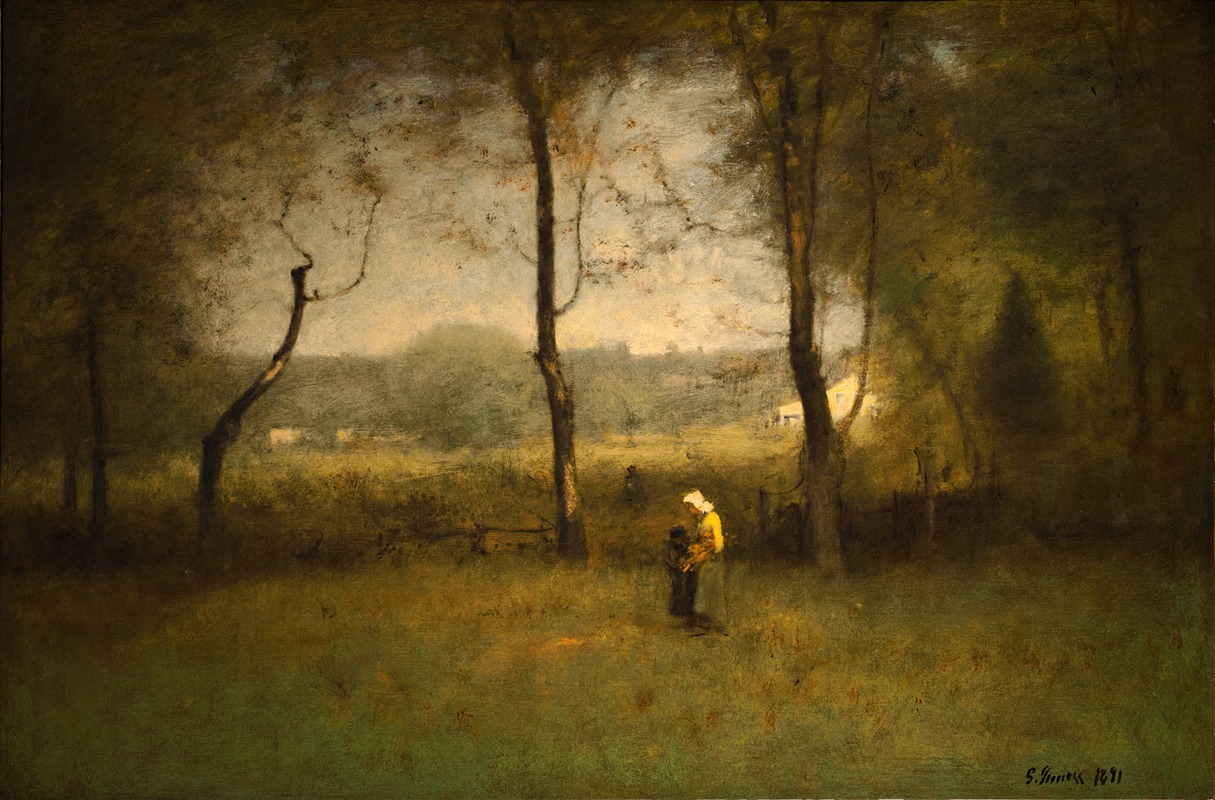
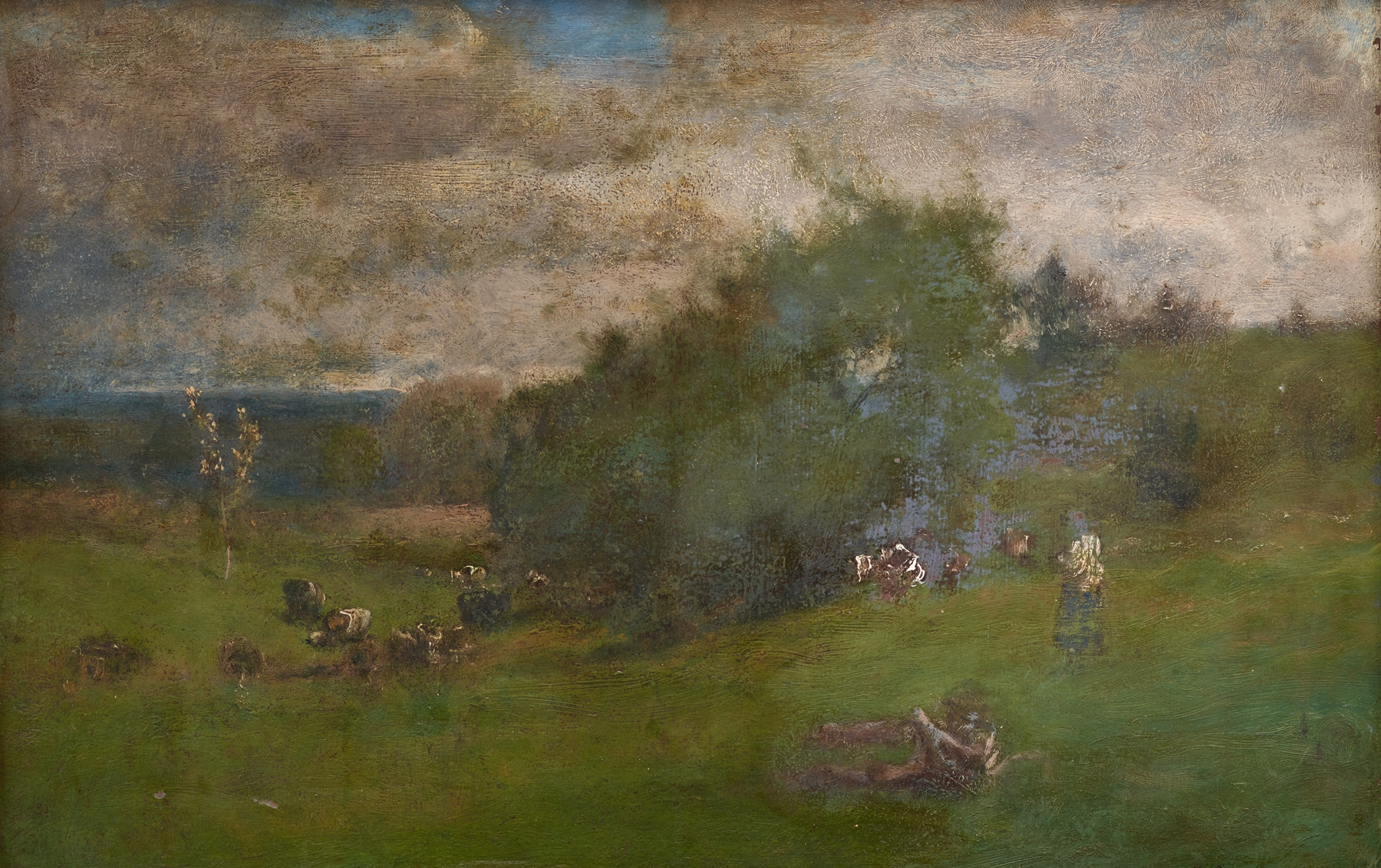
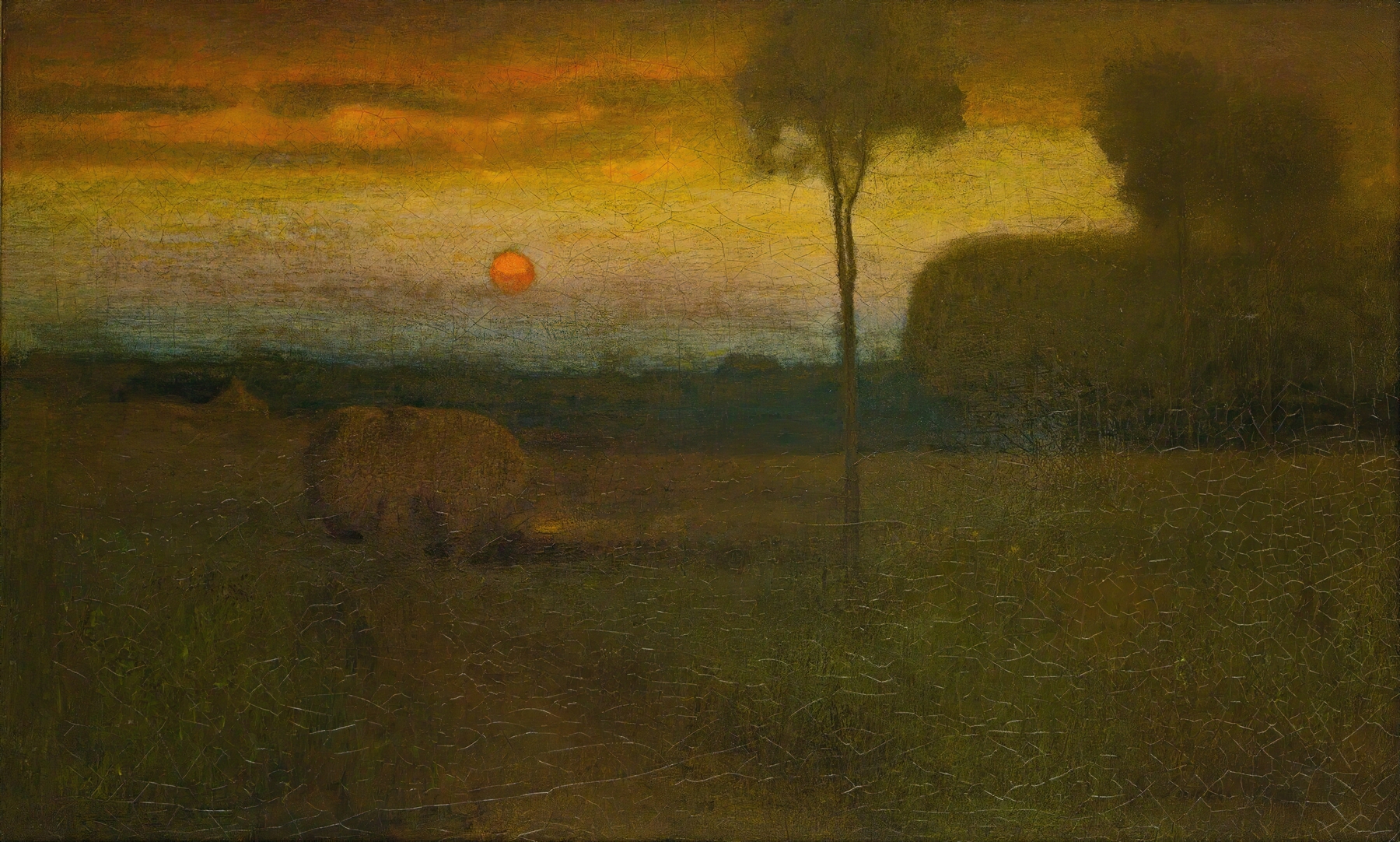
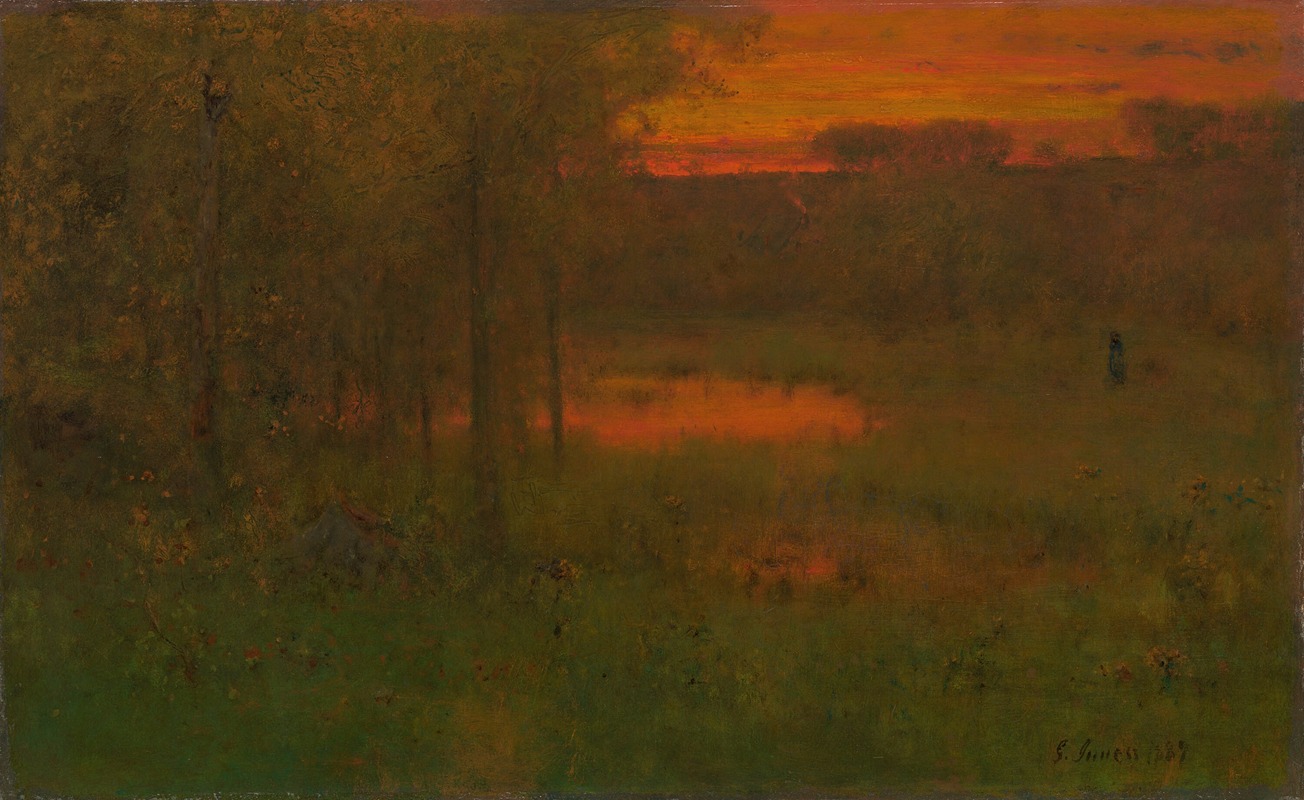
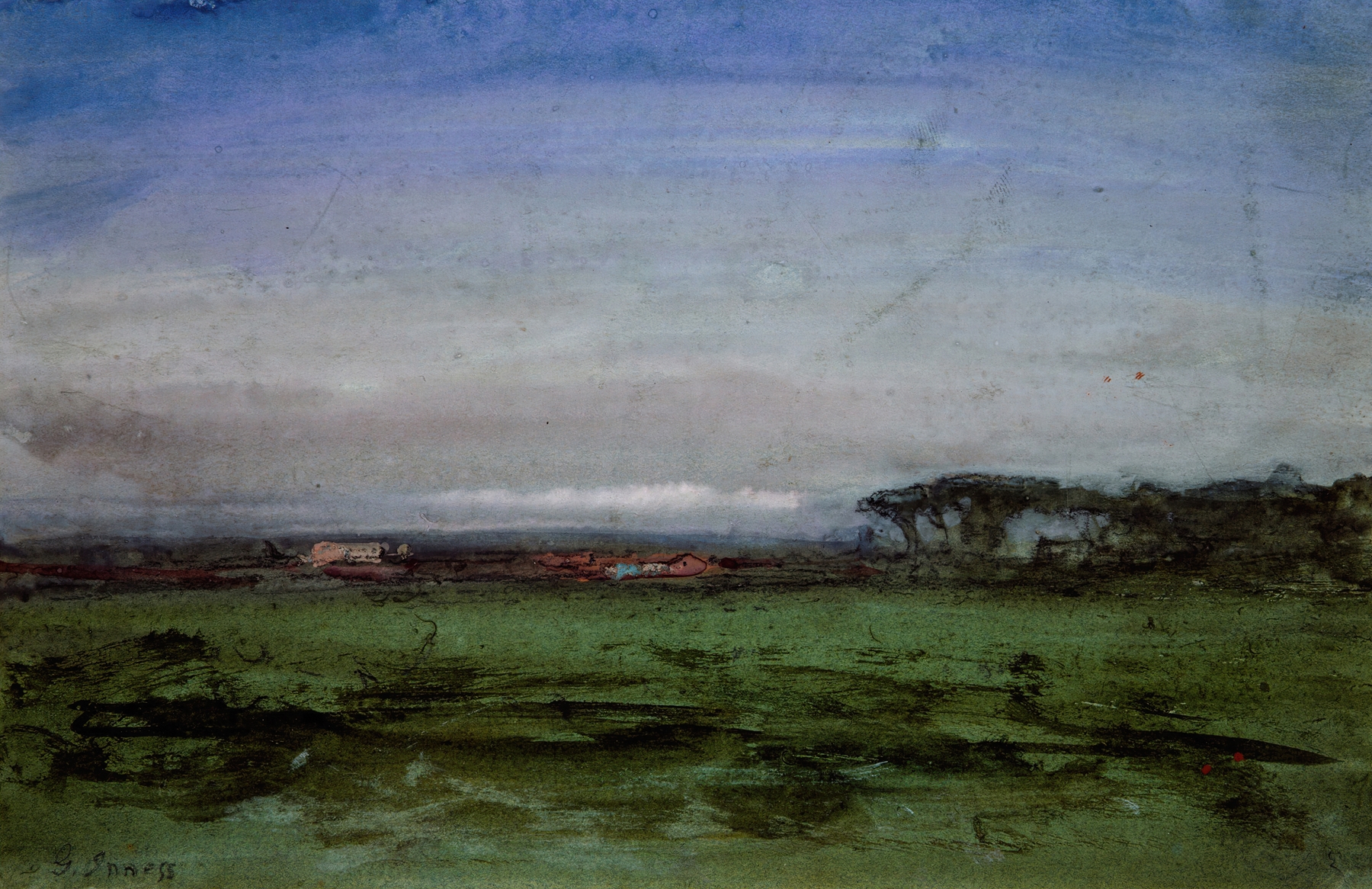
When did color learn to lie? Silence often speaks louder than sound, and in this artwork, tranquility envelops the viewer like a soft embrace. Focus on the gentle hues that wash over the landscape, where soft oranges and pinks blend seamlessly into earthy greens. The sky, a delicate gradient, draws your eyes upward, inviting you to explore the horizon where shadows stretch and mingle with light. Notice how the brush strokes suggest movement within the calm; the grass sways slightly in a breeze that you cannot hear, yet feel in your bones.
The composition creates a serene balance, emphasizing the interplay of nature and light, rendering a moment that feels both fleeting and eternal. Delve deeper into the emotional contrasts embedded in the scene. The vibrant afterglow speaks of warmth and comfort, yet beneath it lies a profound stillness that evokes contemplation. The silhouettes of trees stand sentinel, accentuating the solitude that accompanies twilight. There’s an unspoken narrative here, a reminder of the beauty that exists in quiet moments—where time bends and reflection flourishes.
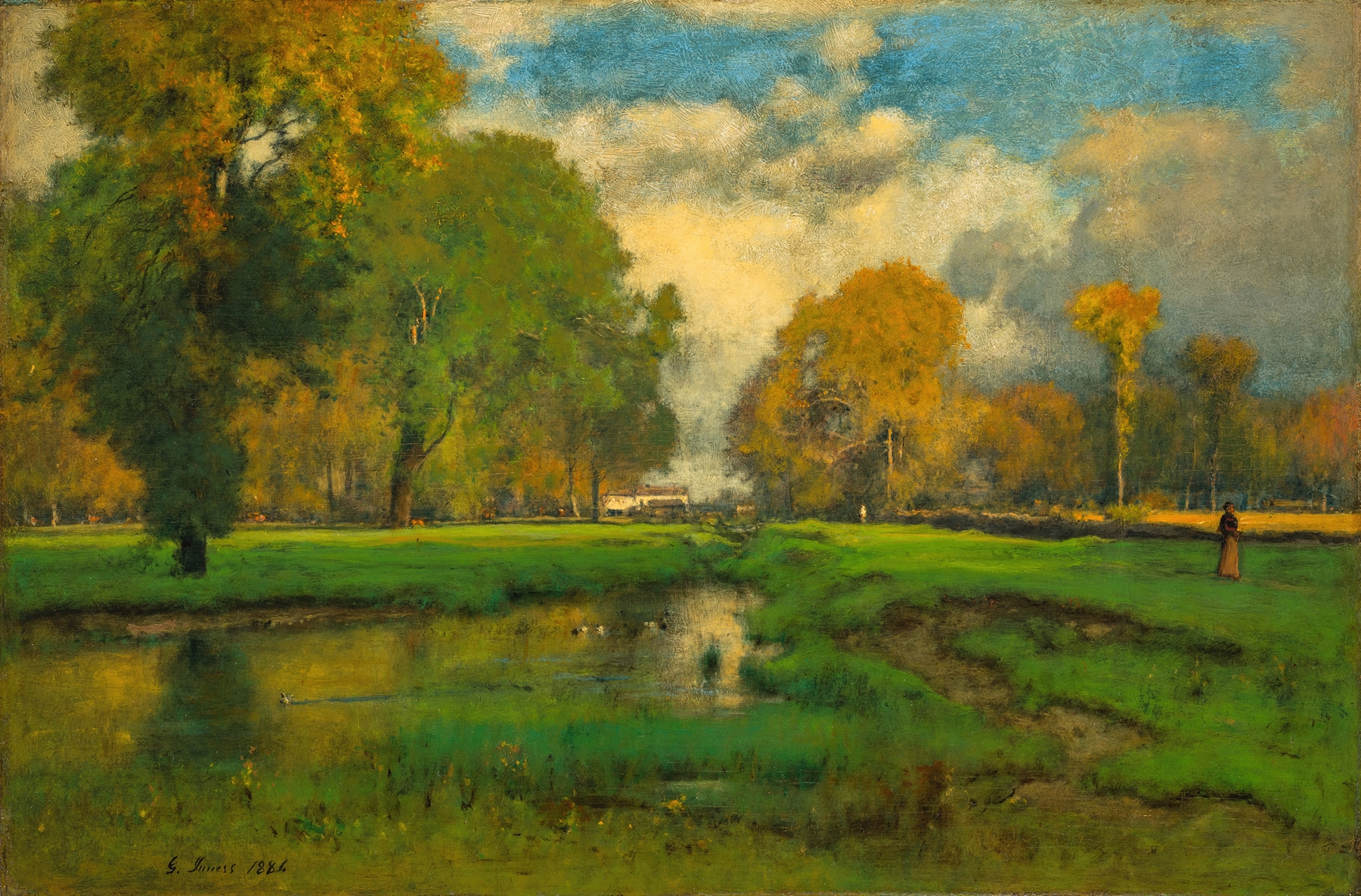
Each element harmonizes to create a poignant dialogue between presence and absence, urging the viewer to pause and engage with their own thoughts. In 1893, the artist was immersed in a period of personal exploration and philosophical inquiry, painting at his home in New Jersey. This was a time when Inness sought to capture the essence of the American landscape, reflecting both his spiritual beliefs and the burgeoning impressionist movement. The world around him was evolving, yet he chose to focus on the serene subtleties of nature, merging observation with imagination in works like this.