Harvest Scene in the Delaware Valley — History & Analysis
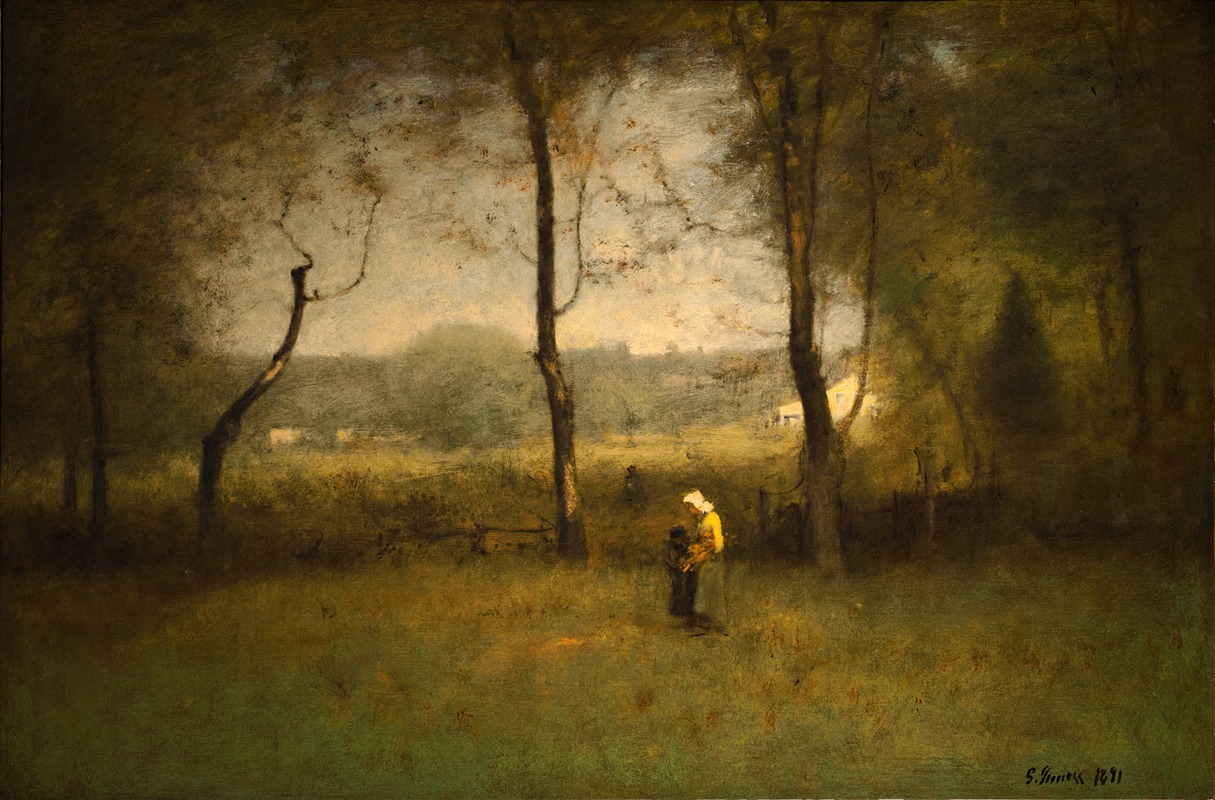
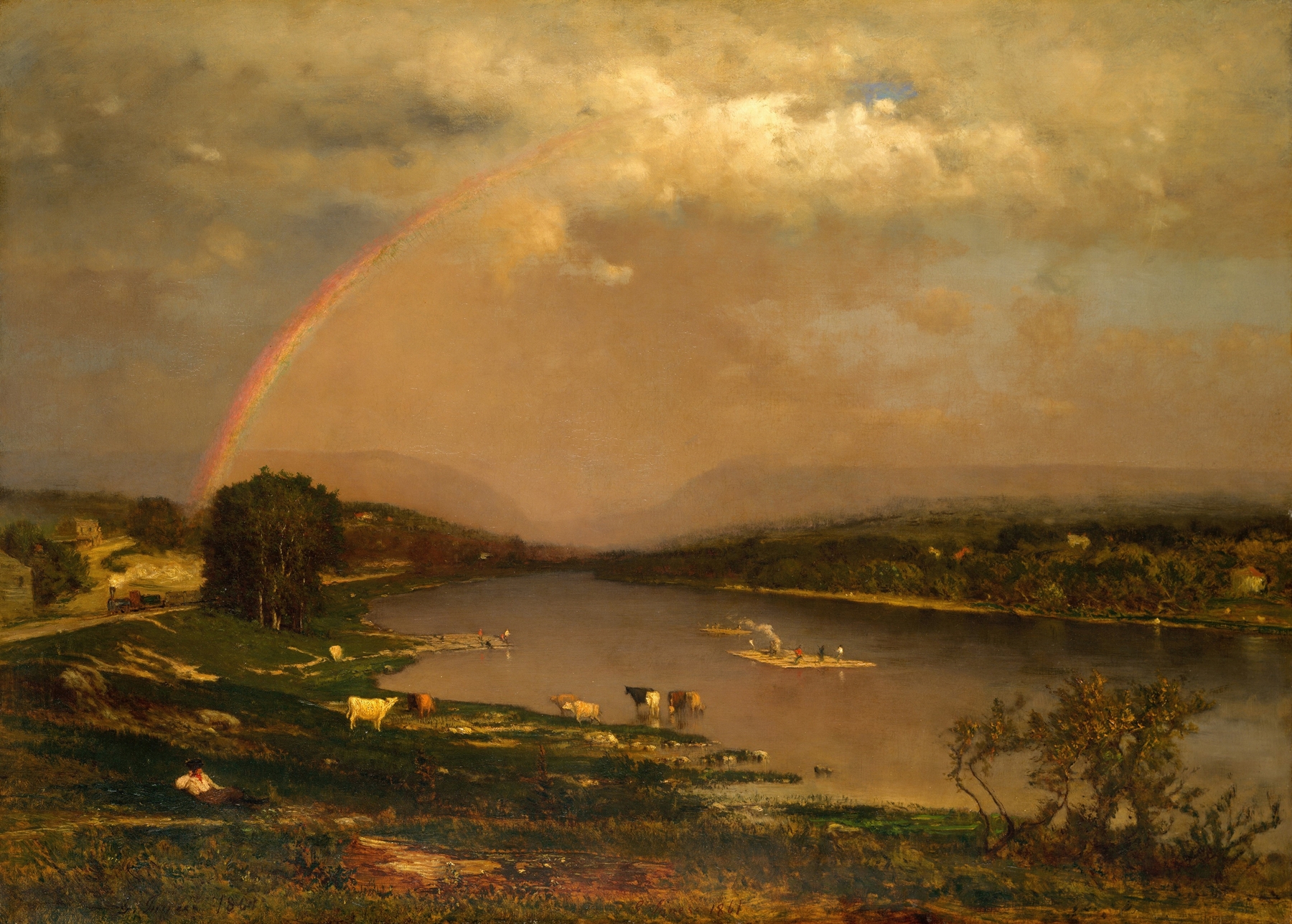
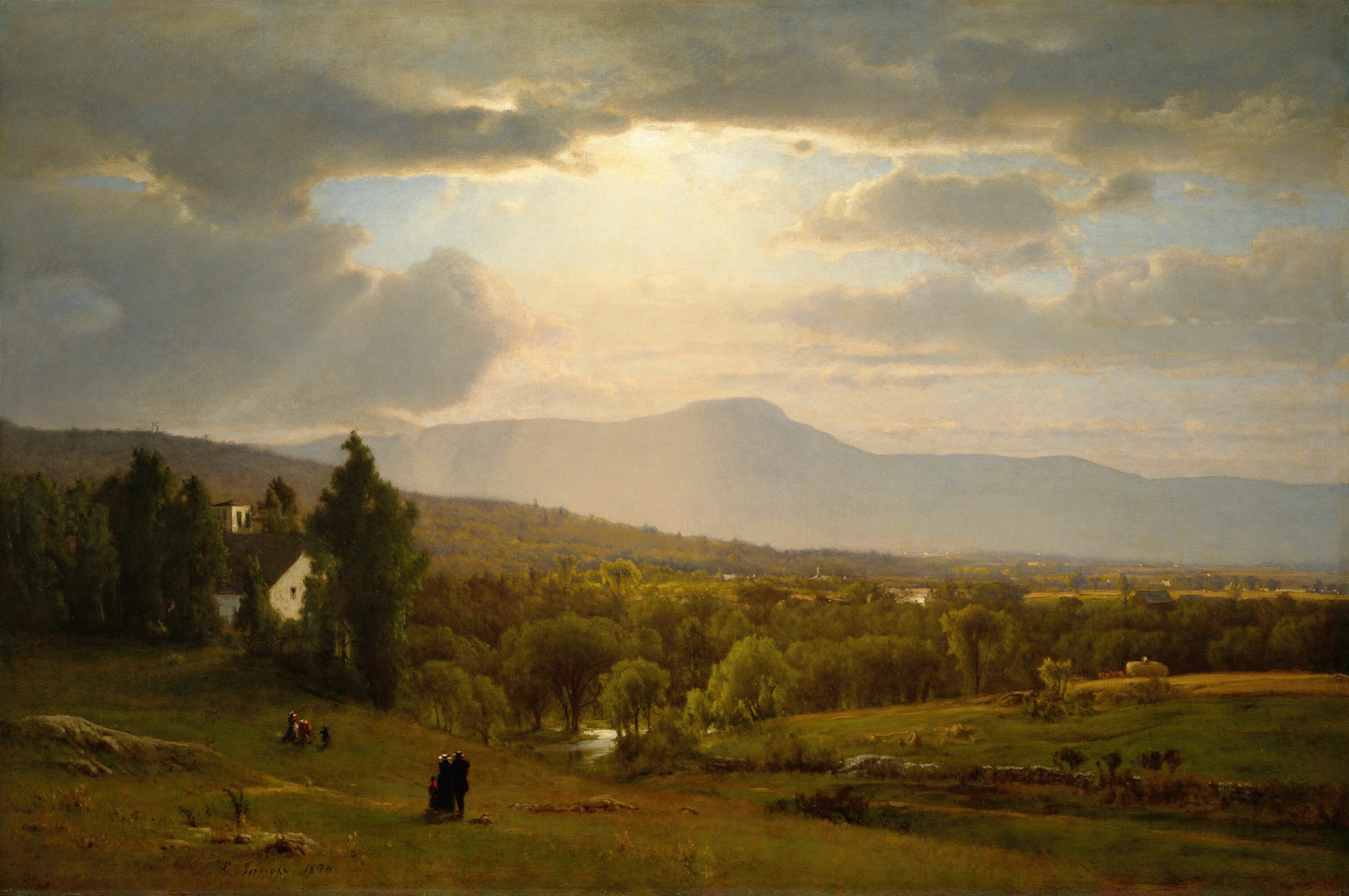
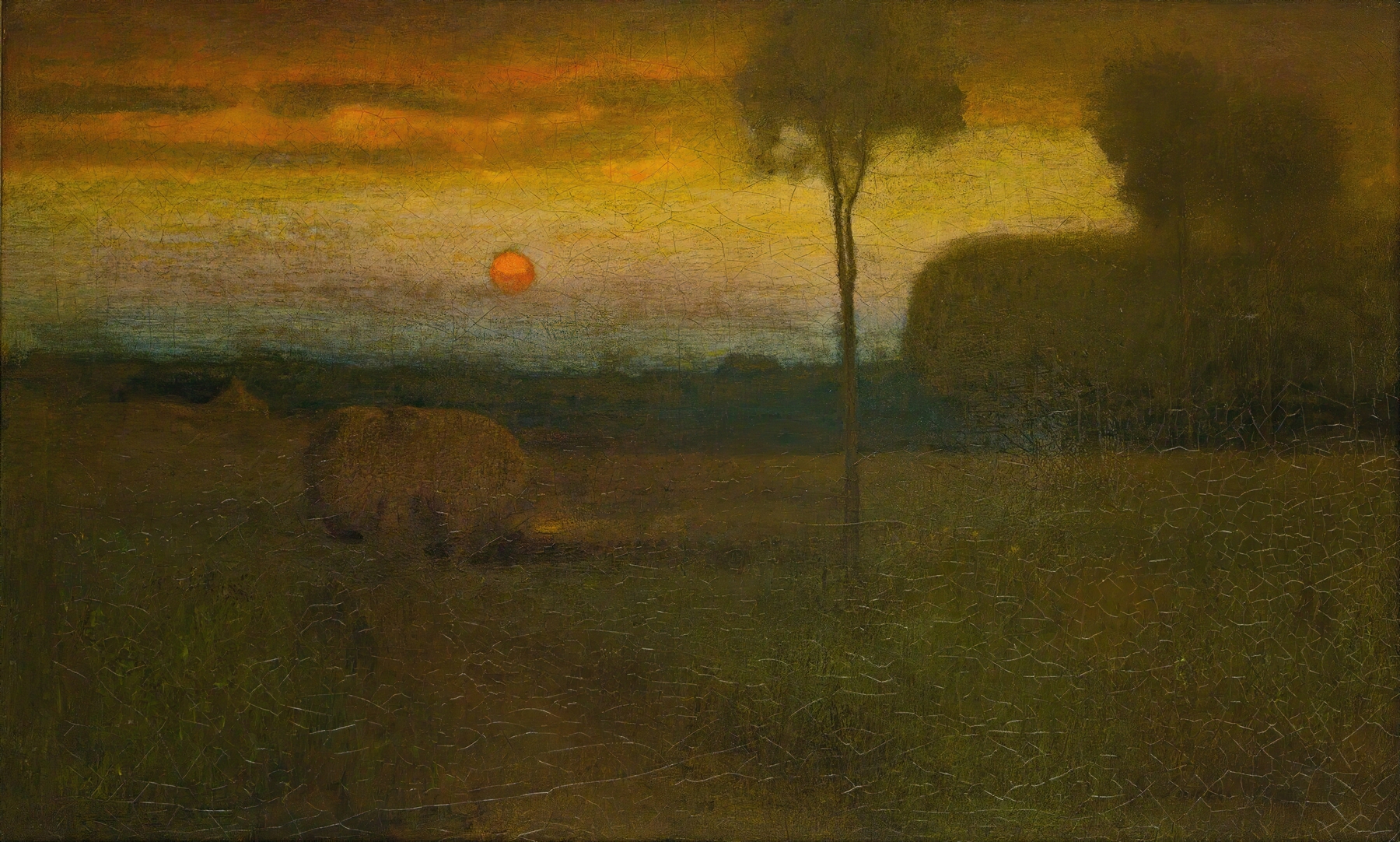
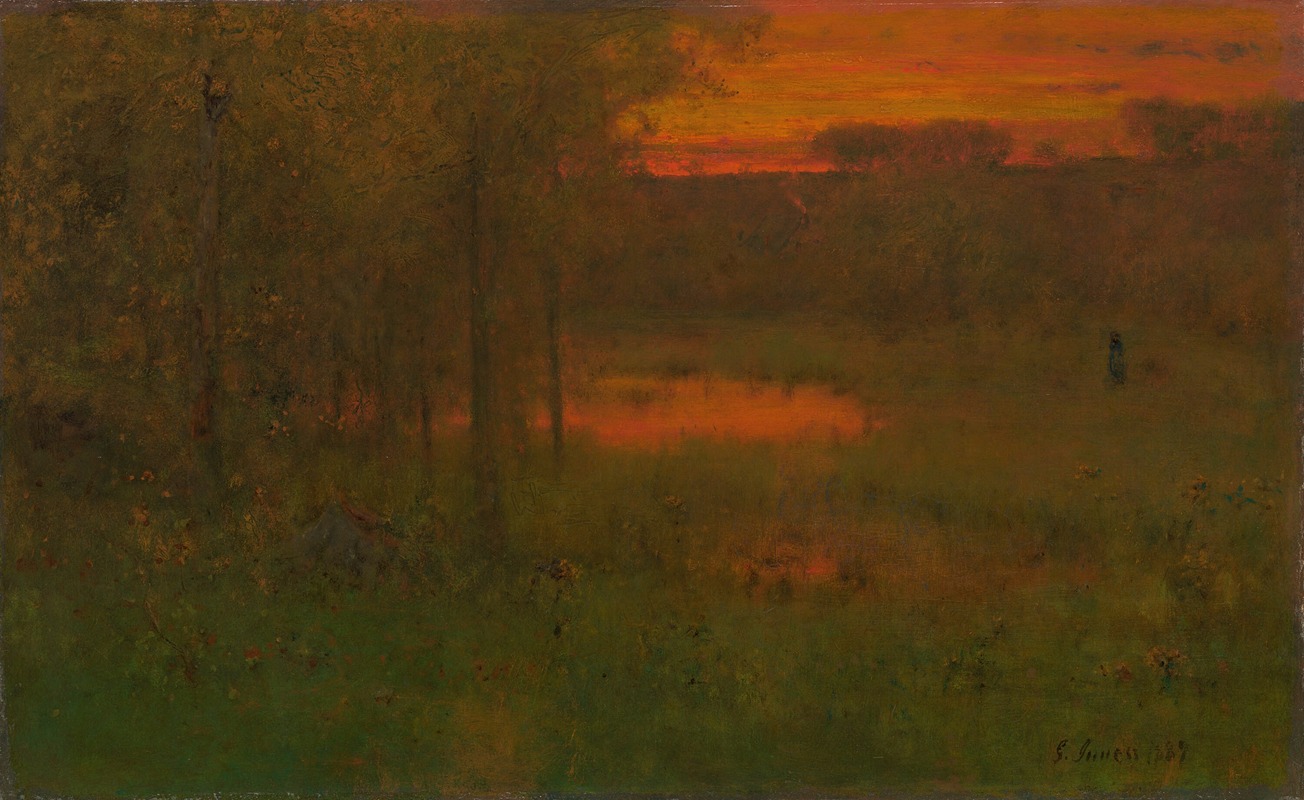
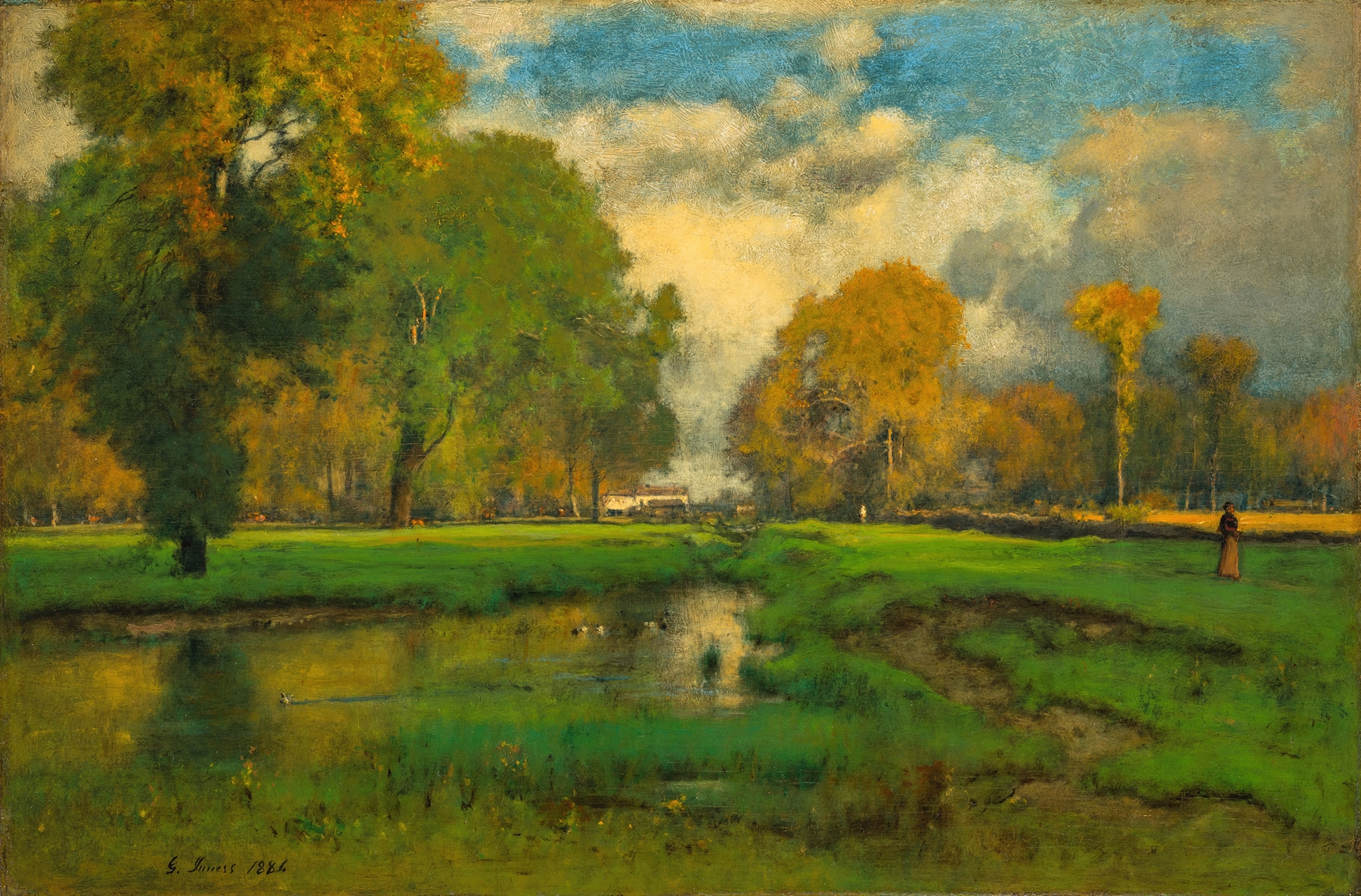
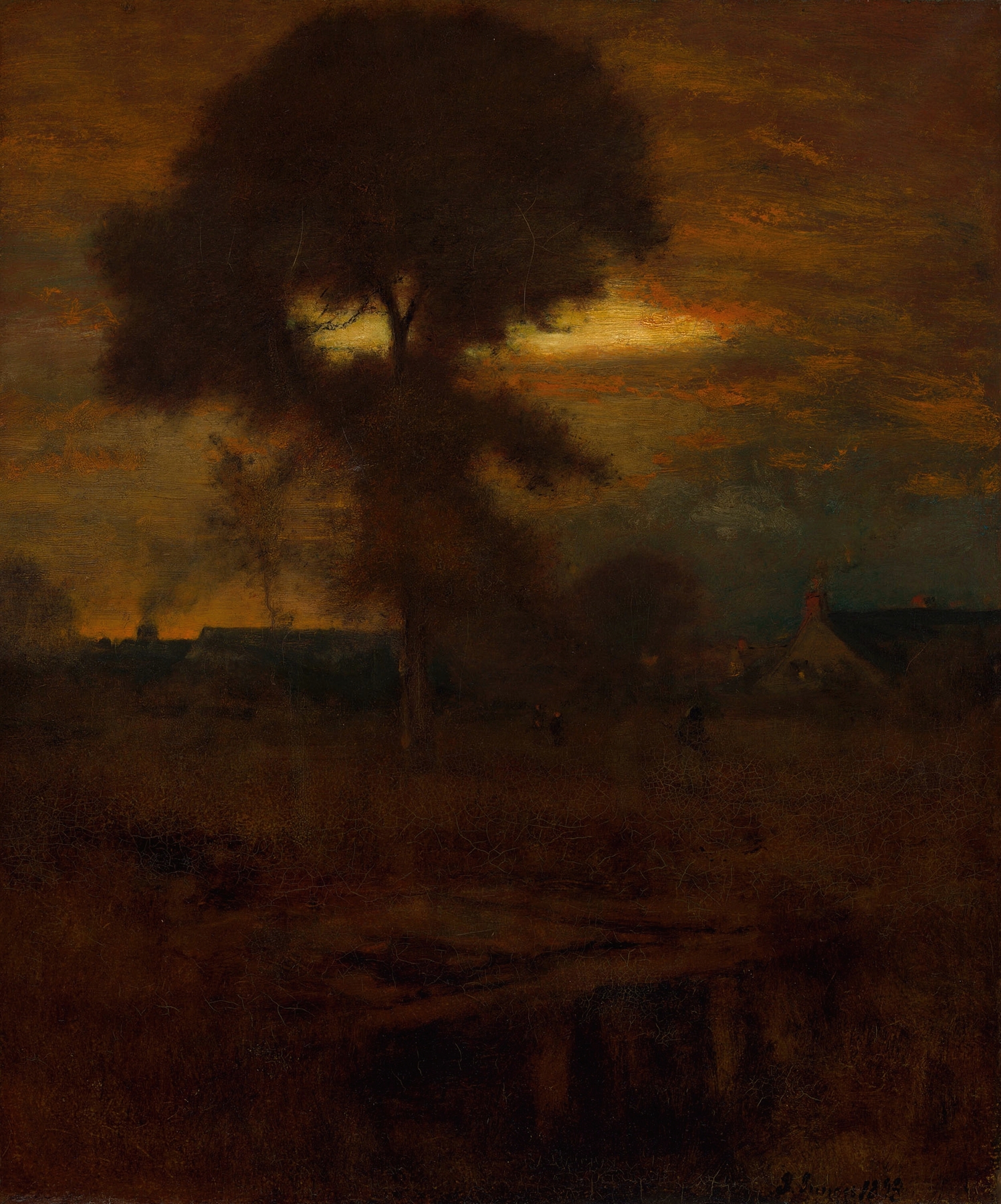
“Every brushstroke is a heartbeat remembered.” In the quiet solitude of a harvest, where nature's bounty mingles with the echoes of labor, one can sense a deep yearning for connection—between land, memory, and the human spirit. Look to the left at the rich, golden fields, where crops bend gently under the weight of their ripeness, the brushstrokes pulsating with the warmth of late afternoon light. Notice how the horizon softly meets the sky, a blend of pastel hues that encourage a sense of tranquility, inviting the eye to explore the entire canvas.
The figures, small yet purposeful, are gracefully positioned within the landscape, embodying the rhythm of the earth as they gather the harvest—a harmonious dance of human effort within nature's embrace. Delve deeper into the work, and you might find a tension between the toil of the laborers and the serene beauty of the natural world surrounding them. Each figure, poised with a sense of purpose, contrasts the tranquil, expansive backdrop, suggesting a dialogue between aspiration and the cyclical nature of life.
The gentle interplay of light and shadow reinforces this narrative of longing—of seeking fulfillment in the act of harvest, a metaphor for growth and the passage of time. In 1867, George Inness painted this piece while residing in New Jersey, a time when he was deeply immersed in the philosophies of transcendentalism, allowing nature’s emotive power to influence his work. This period was marked by a shift toward a more subjective approach to landscape painting, reflecting broader changes in both his life and the wider art world, as artists sought to engage viewers with their emotional experiences through the lens of the natural world.