Landscape (Evening Landscape) — History & Analysis
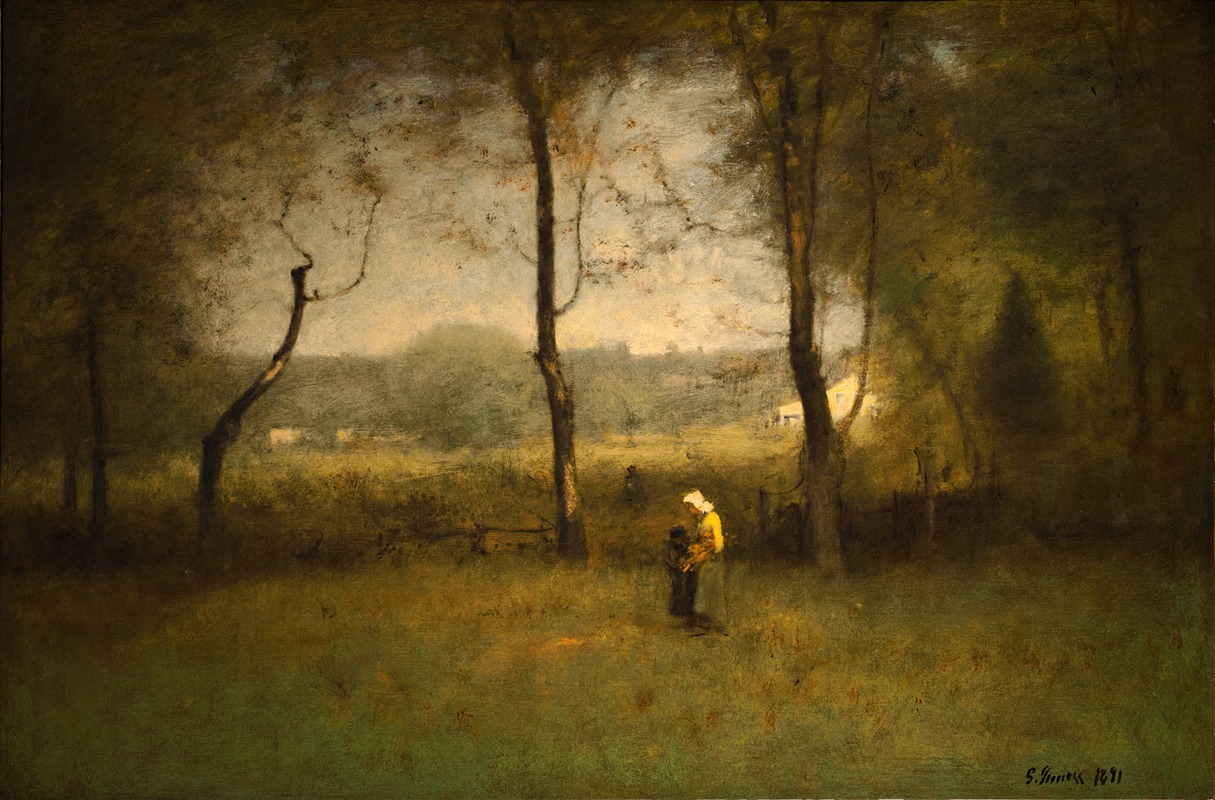
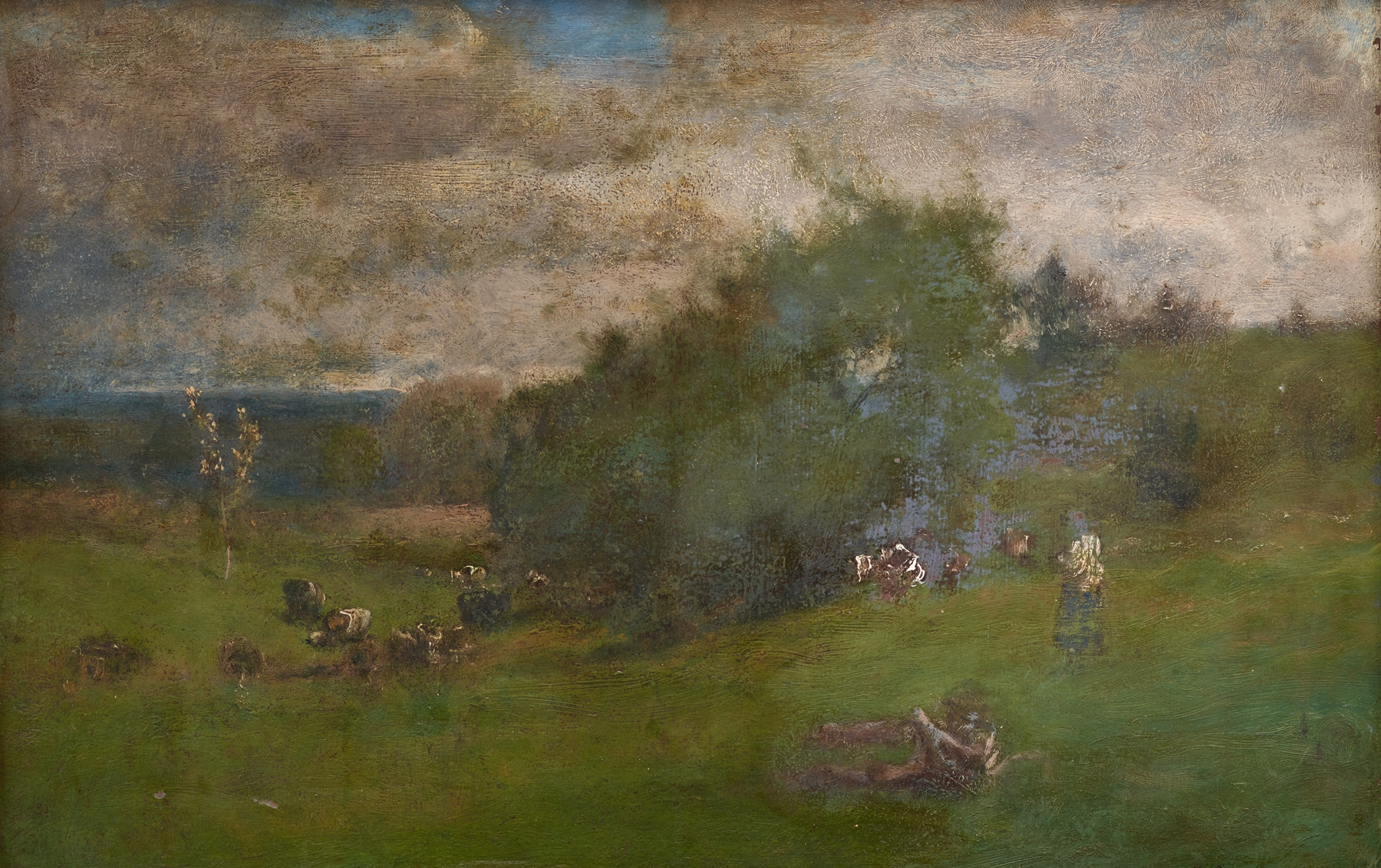
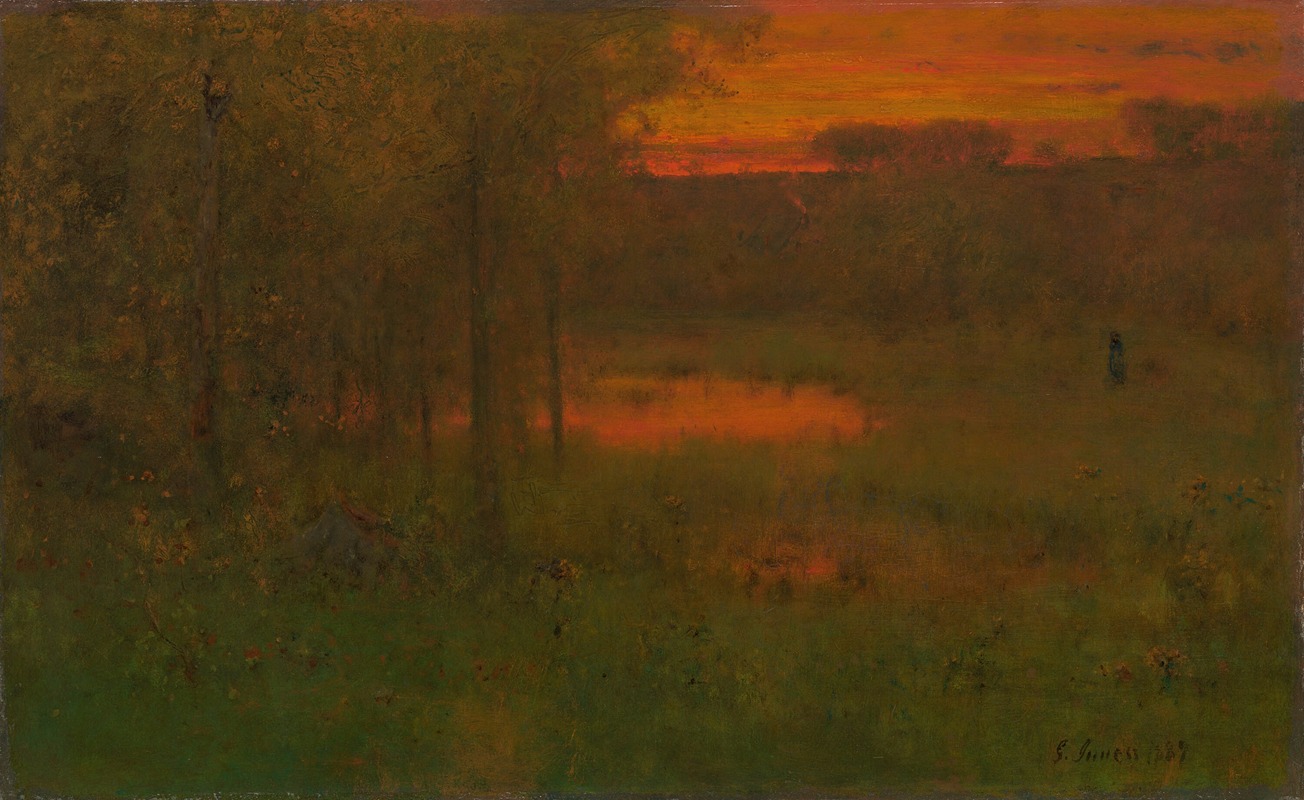
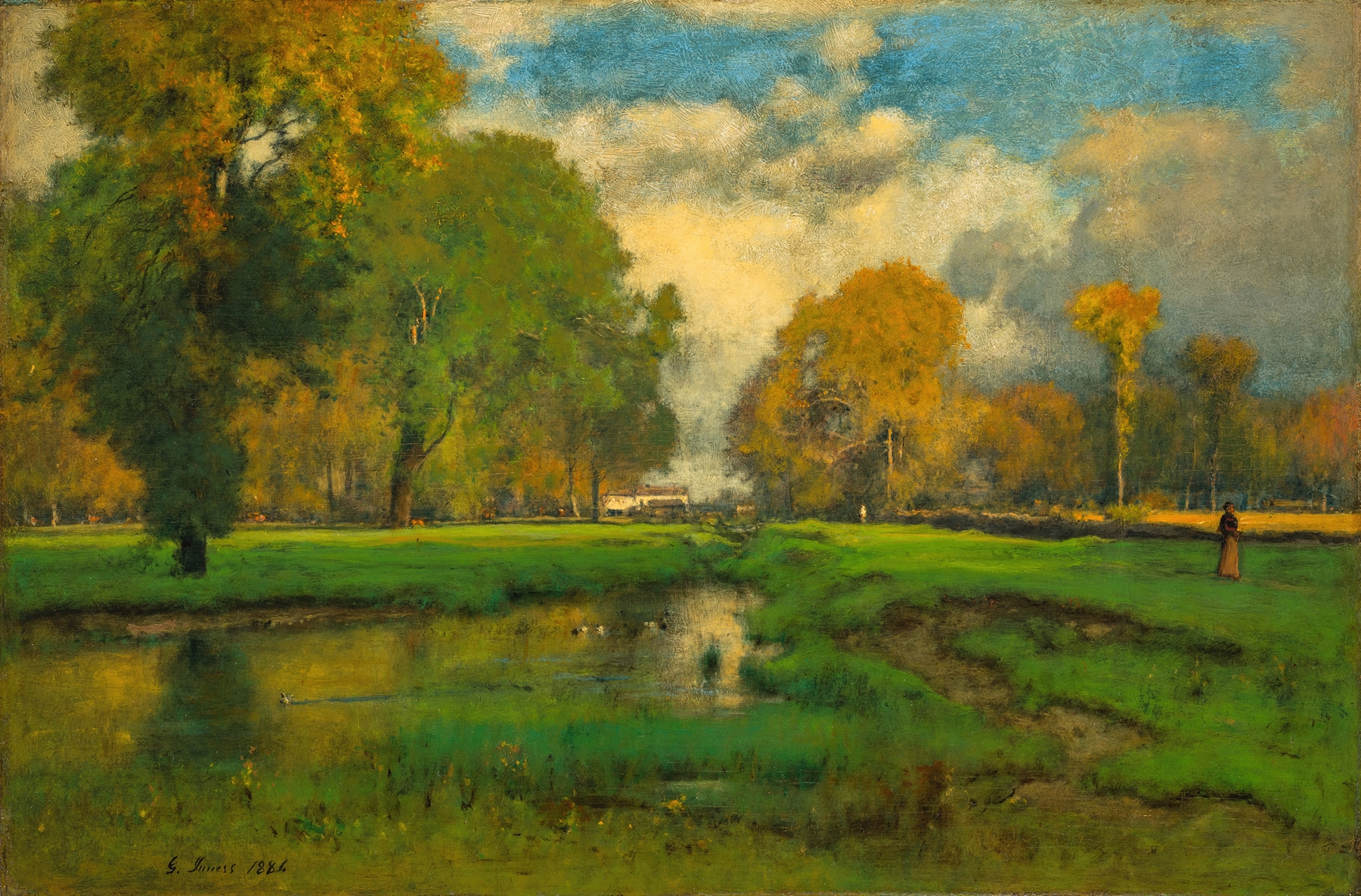
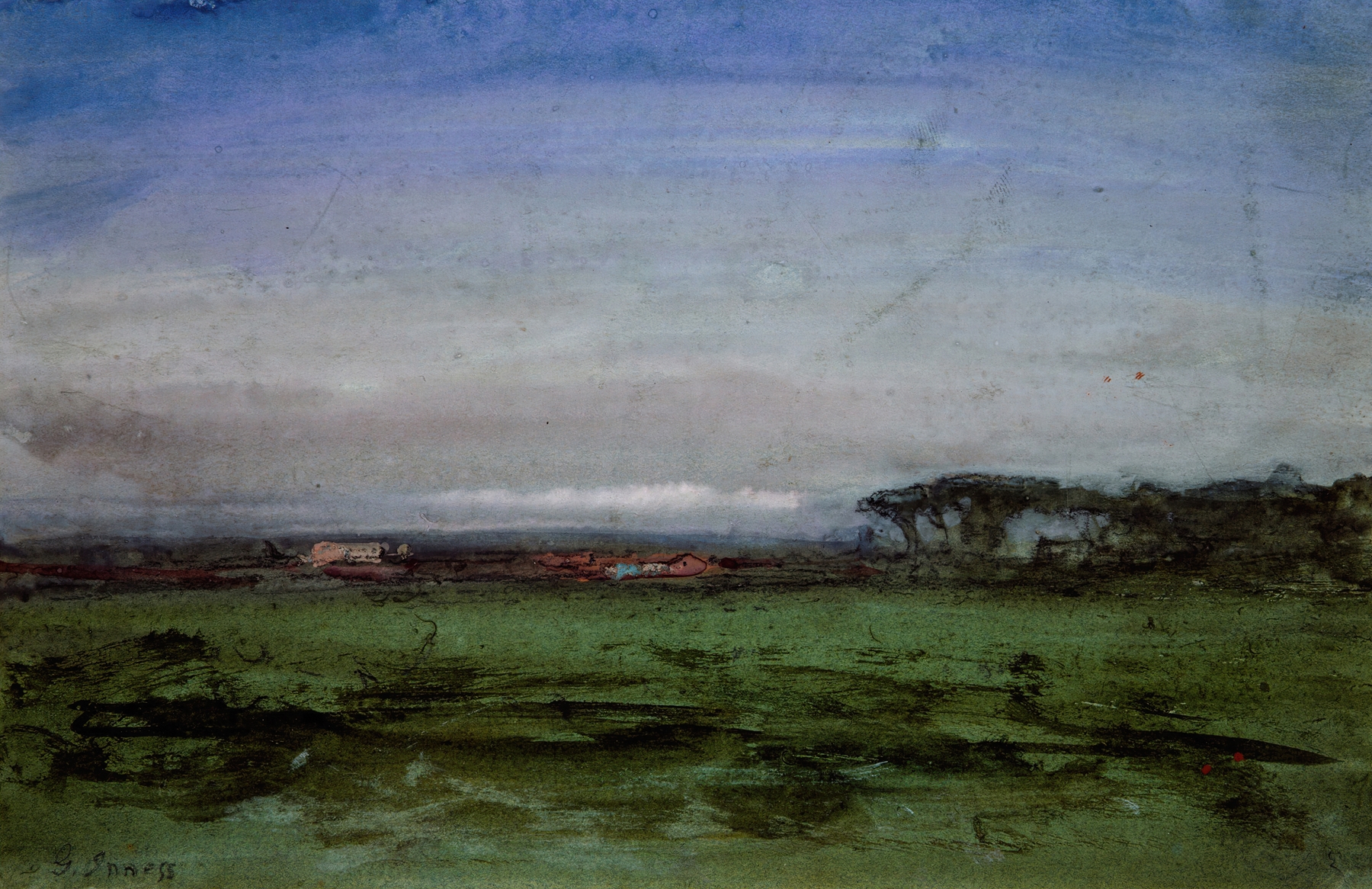
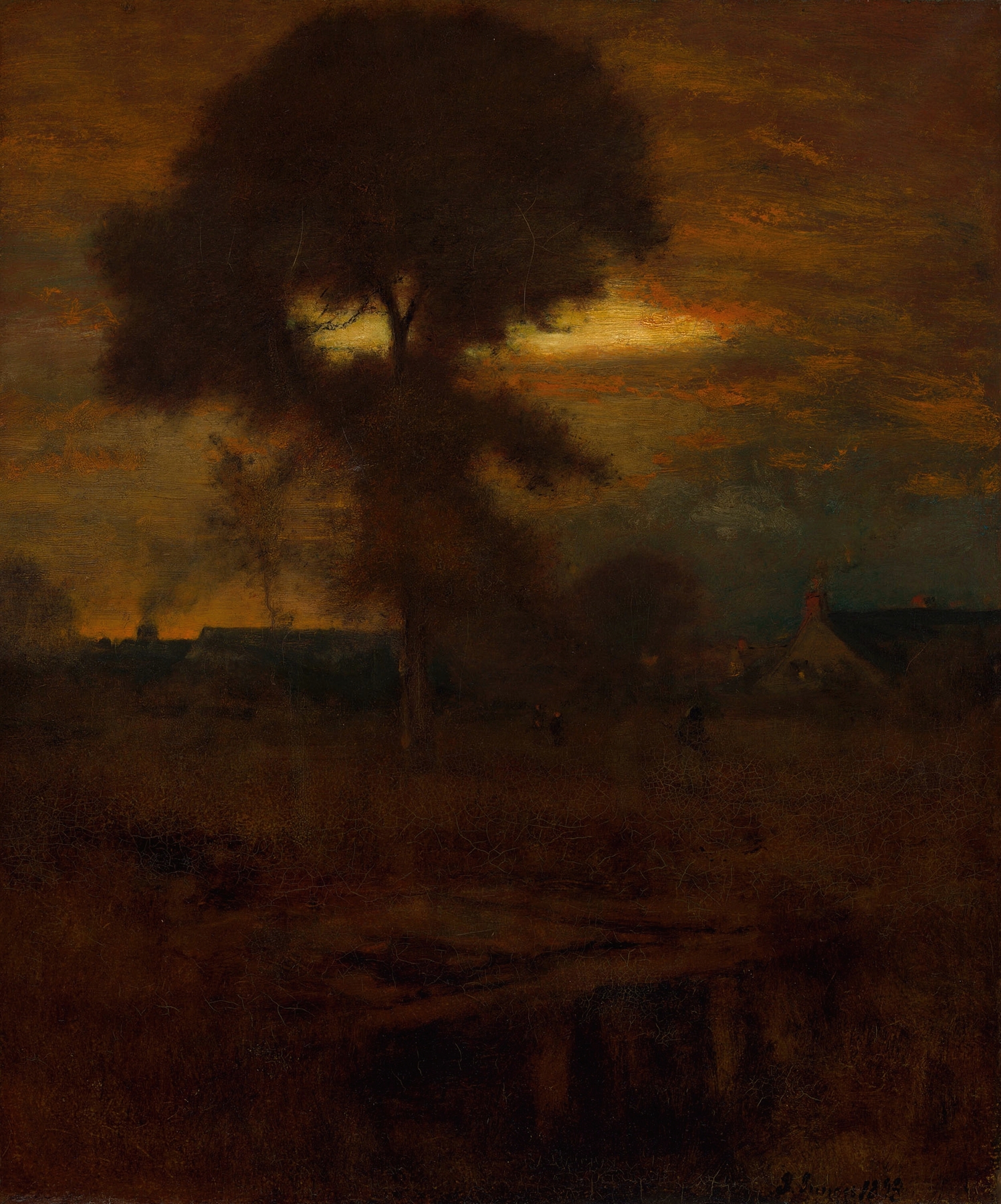
“Under the brush, chaos becomes grace.” Fear often lurks in the shadows of nature, whispering through the trees and rippling across the water’s surface. It beckons us to confront the unknown, evoking awe and trepidation in equal measure. Focus on the horizon where the soft hues of twilight bleed into one another, creating a calming gradient that speaks to the transition between day and night. Notice how the trees stand sentinel along the landscape, their dark silhouettes defined against the fading light, while the gentle ripples of water mirror the sky’s shifting colors.
This interplay of light and shadow crafts a space where hope and anxiety coexist, encased in the tranquility of the evening. Hidden beneath the serene surface lies a deeper emotional tension between serenity and fear. The looming darkness of the trees suggests a protective embrace, yet it also invites unease as the day wanes. The stillness of the water reflects not just the beauty of nature but also the apprehensive quietude that arrives at dusk, reminding us of the uncertainties that await in the night.
Inness painted this work in 1889, during a period marked by his exploration of atmospheric effects and emotional resonance in landscape painting. Living in the United States, he focused on capturing the spiritual essence of the natural world just as the Impressionist movement was gaining momentum in Europe. His return to the countryside and interest in tonal harmony reflected both a personal quest for peace and a broader shift in the art world towards capturing more ephemeral experiences.