Autumn Woods — History & Analysis
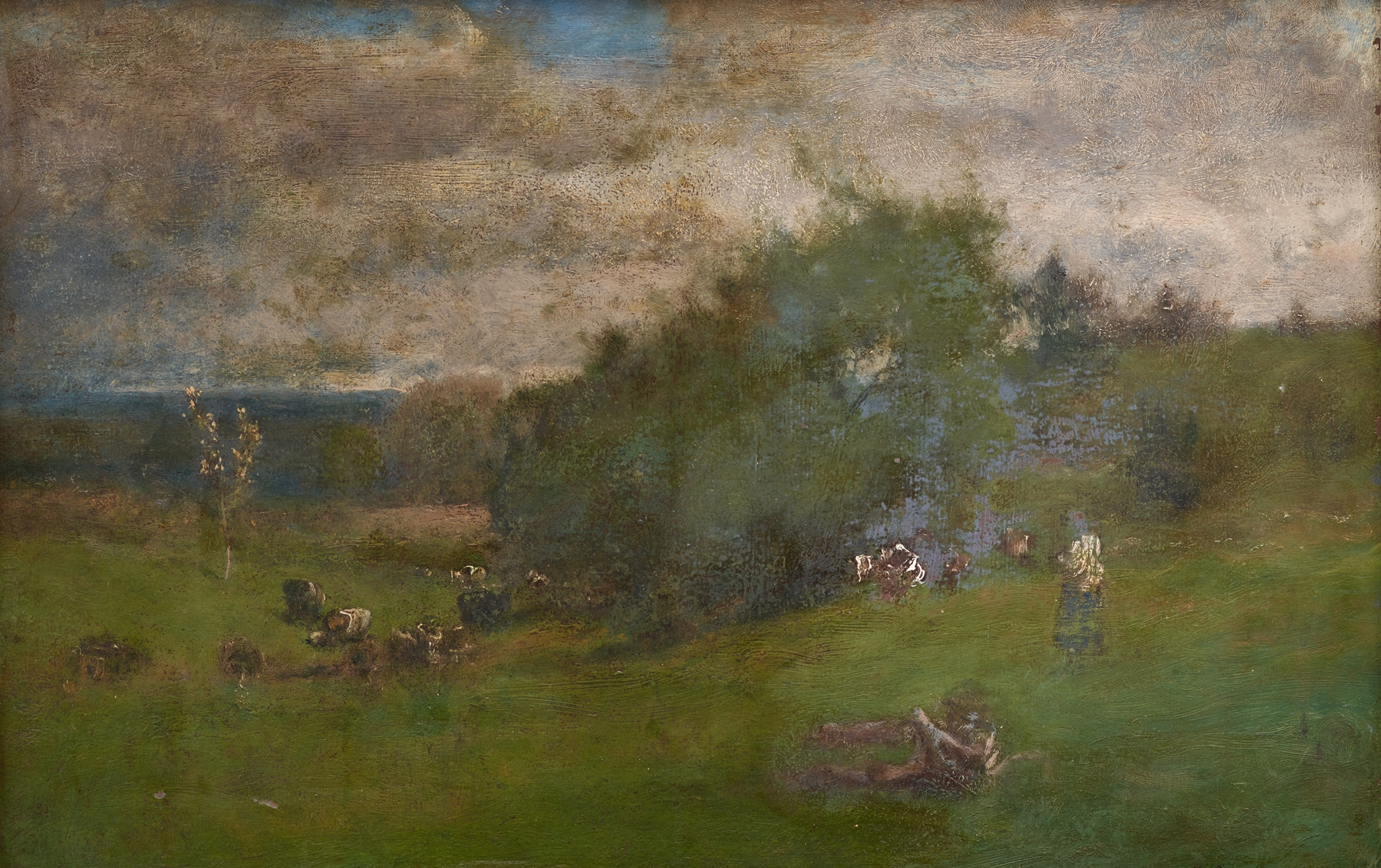
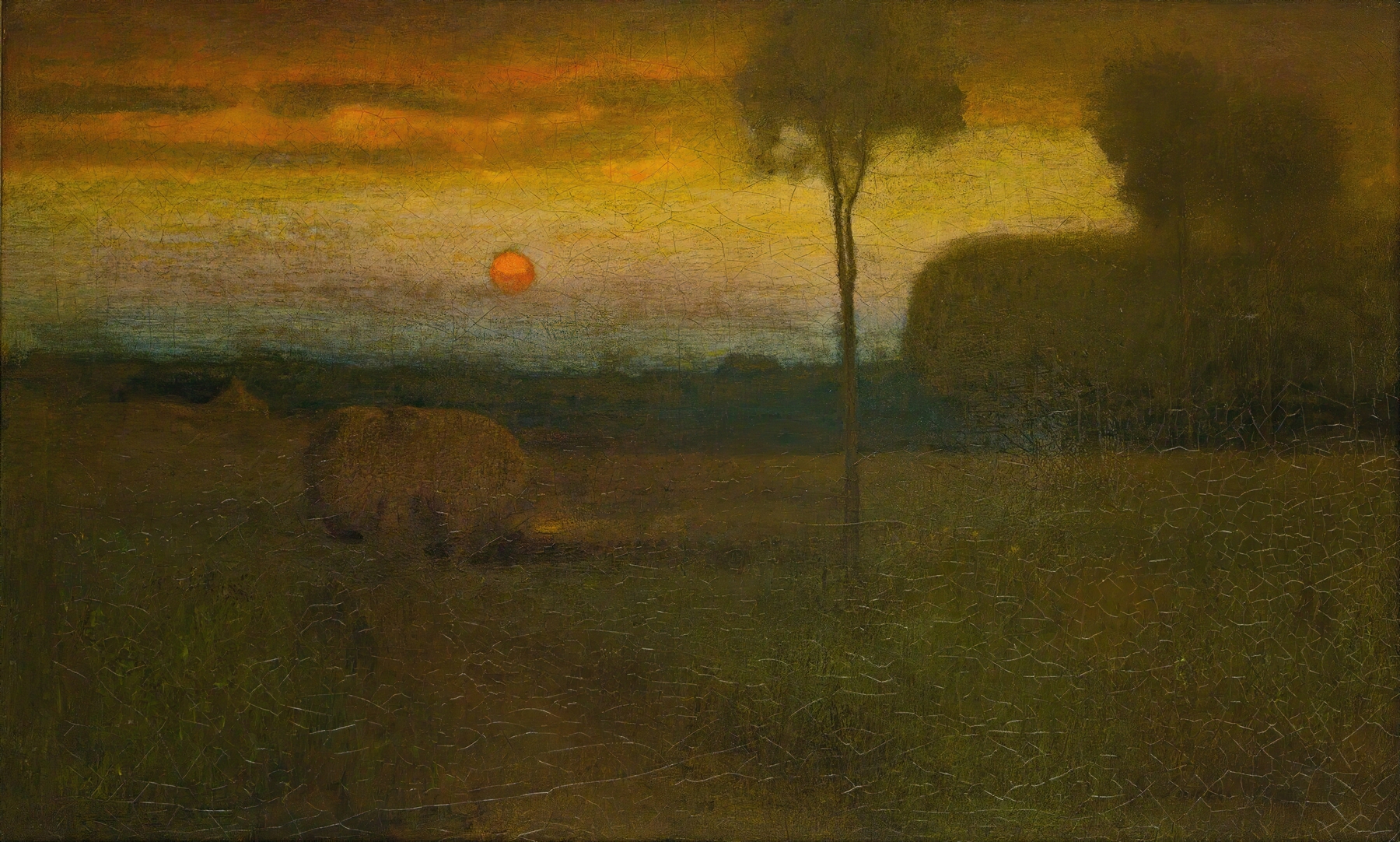
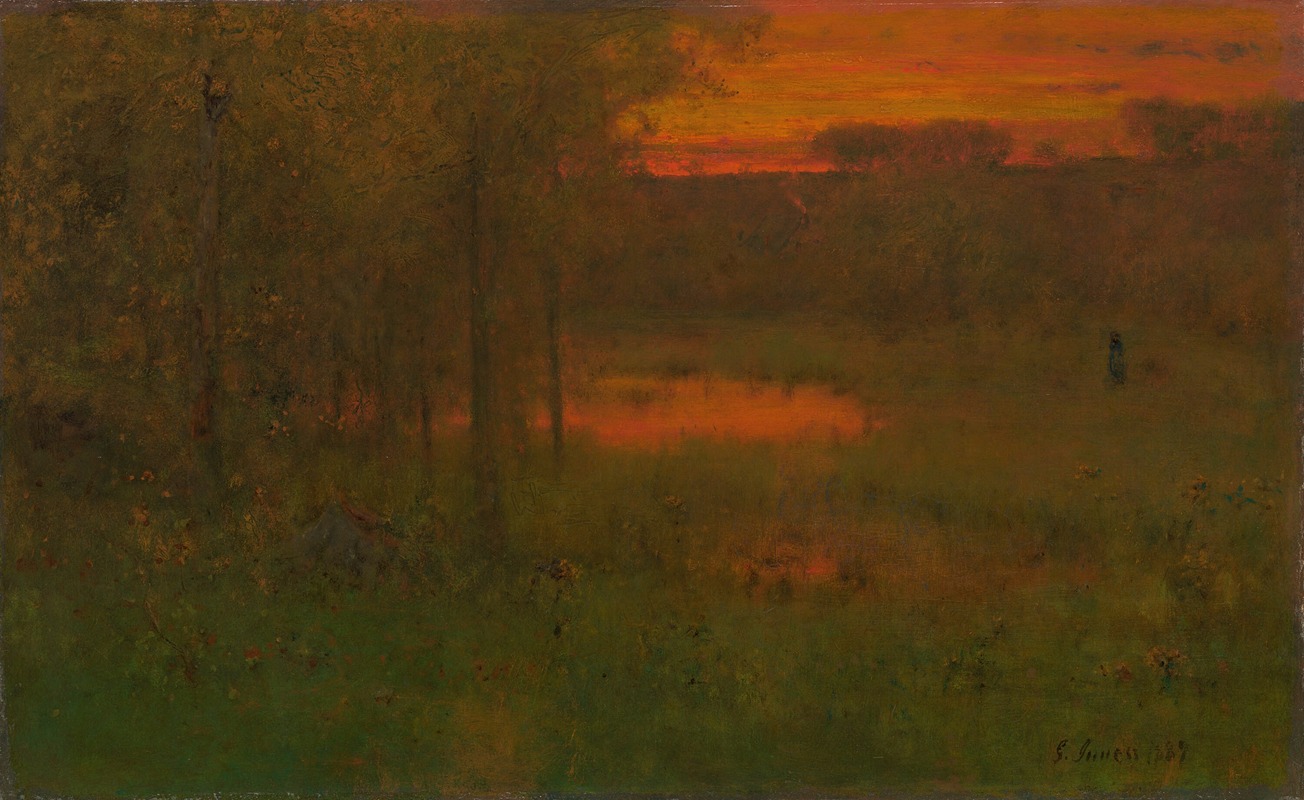
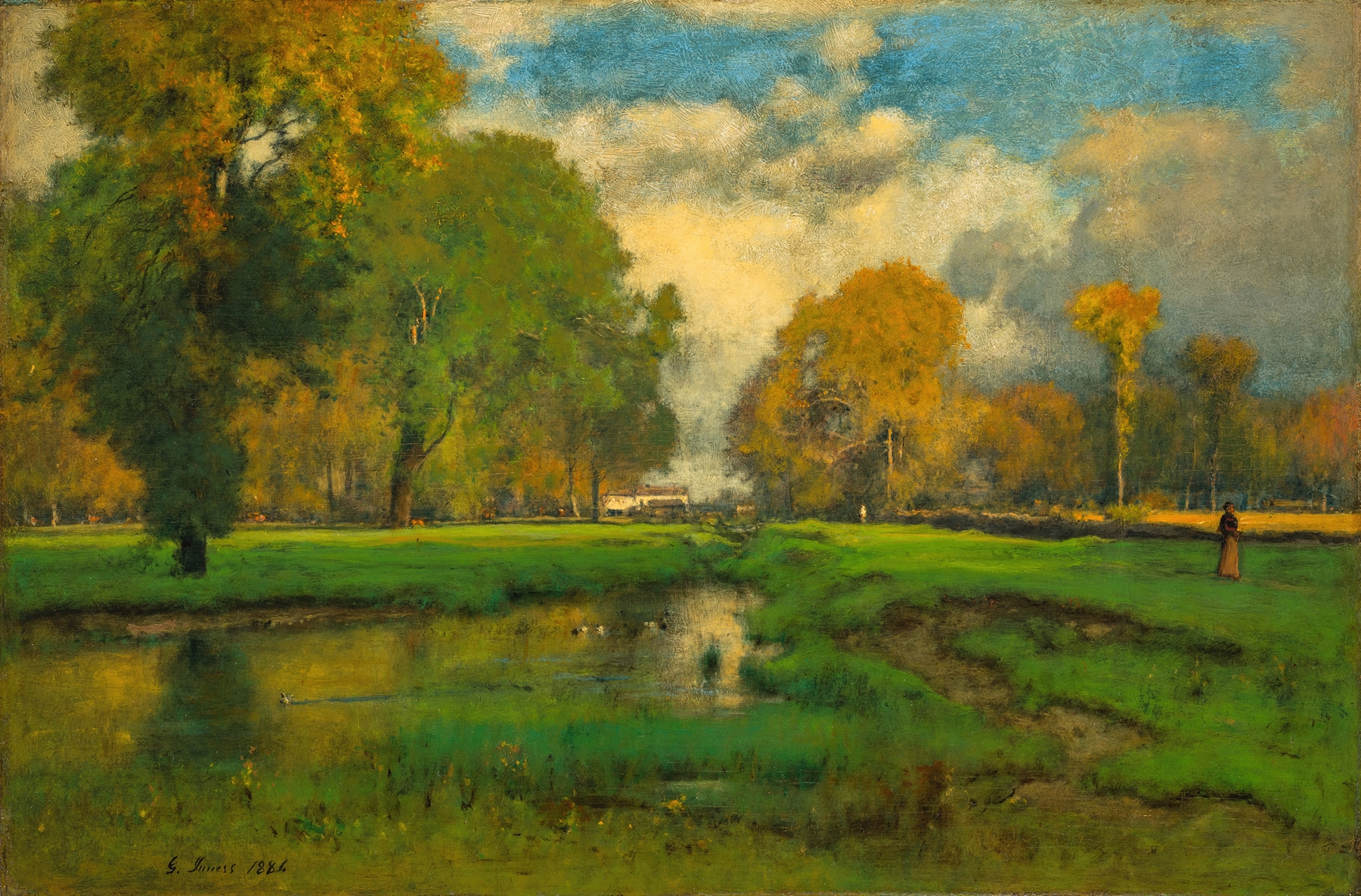
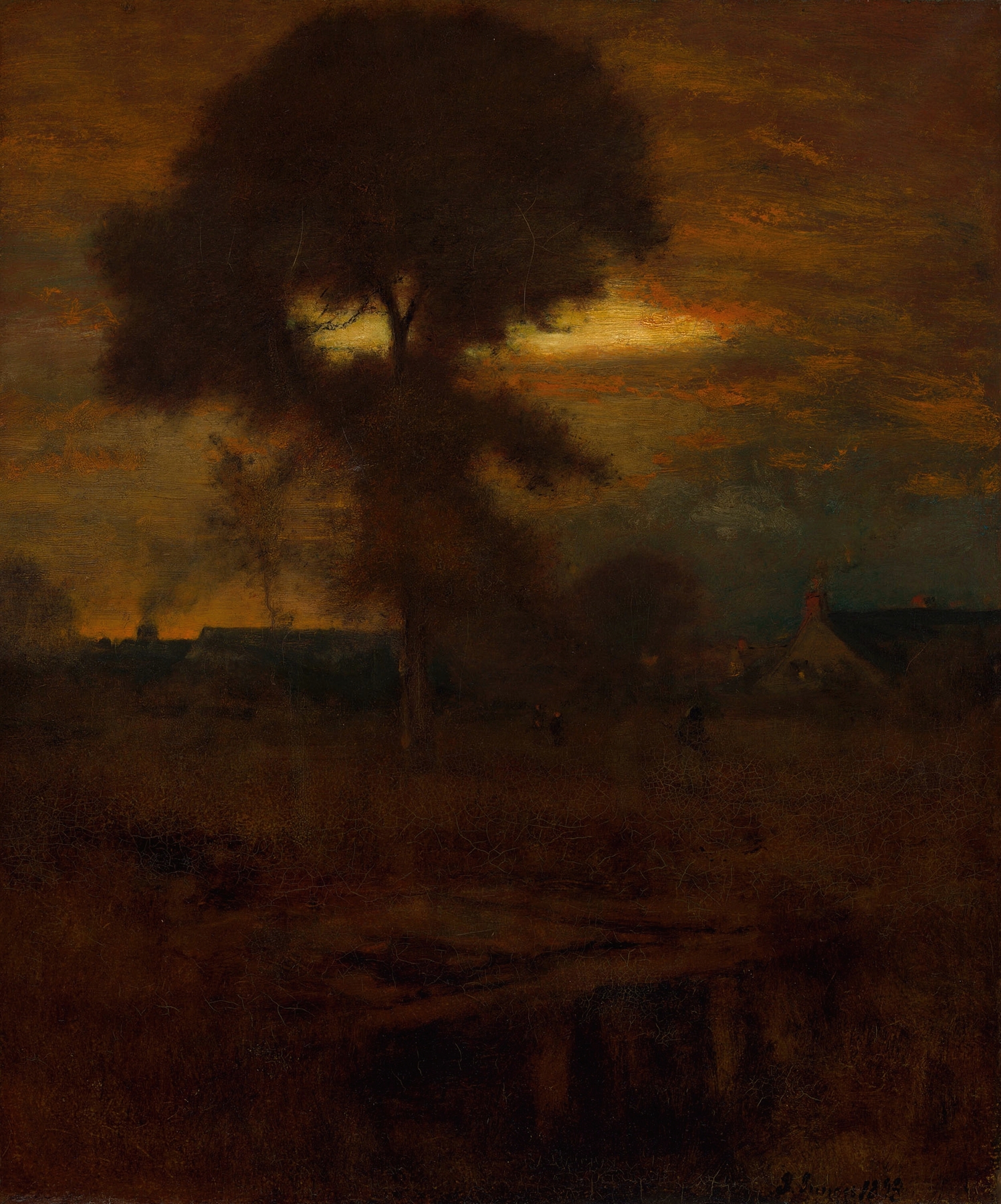
“The canvas doesn’t lie — it simply waits.” In the stillness of Autumn Woods, a moment unfolds, inviting the viewer to linger in the embrace of nature’s transient beauty. Each brushstroke captures a season not just as a passage of time, but as an emotional journey that resonates deeply within us. Look to the left at the fiery embrace of orange and gold leaves, their vibrancy a stark contrast against the deep blues and muted greens of the forest. Notice how the light filters through the trees, creating a delicate interplay of shadow and illumination that dances across the forest floor.
The composition draws you inward, as winding paths through the foliage beckon exploration and reflection, further enhancing the sense of solitude and wonder. Yet, beneath the serene exterior lie layers of contemplation. The soft, diffused light conveys a sense of quiet introspection, while the variety of textures—from the smooth, almost velvet leaves to the rugged bark—highlights nature's complexities. Each detail serves as a reminder of life's fleeting moments, capturing the bittersweet essence of change and the inevitable passage of time.
The vivid palette evokes feelings of nostalgia, urging us to confront our own encounters with beauty and loss. Between 1891 and 1894, the artist worked on this piece while living in Montclair, New Jersey, a period marked by a deepening exploration of American landscape painting. Inness, influenced by the transcendental movement, sought to express emotional responses to nature rather than mere replication. During this time, he was developing a personal style that merged impressionistic techniques with a spiritual understanding of the natural world, solidifying his place as a key figure in American art history.