Delaware Water Gap — History & Analysis
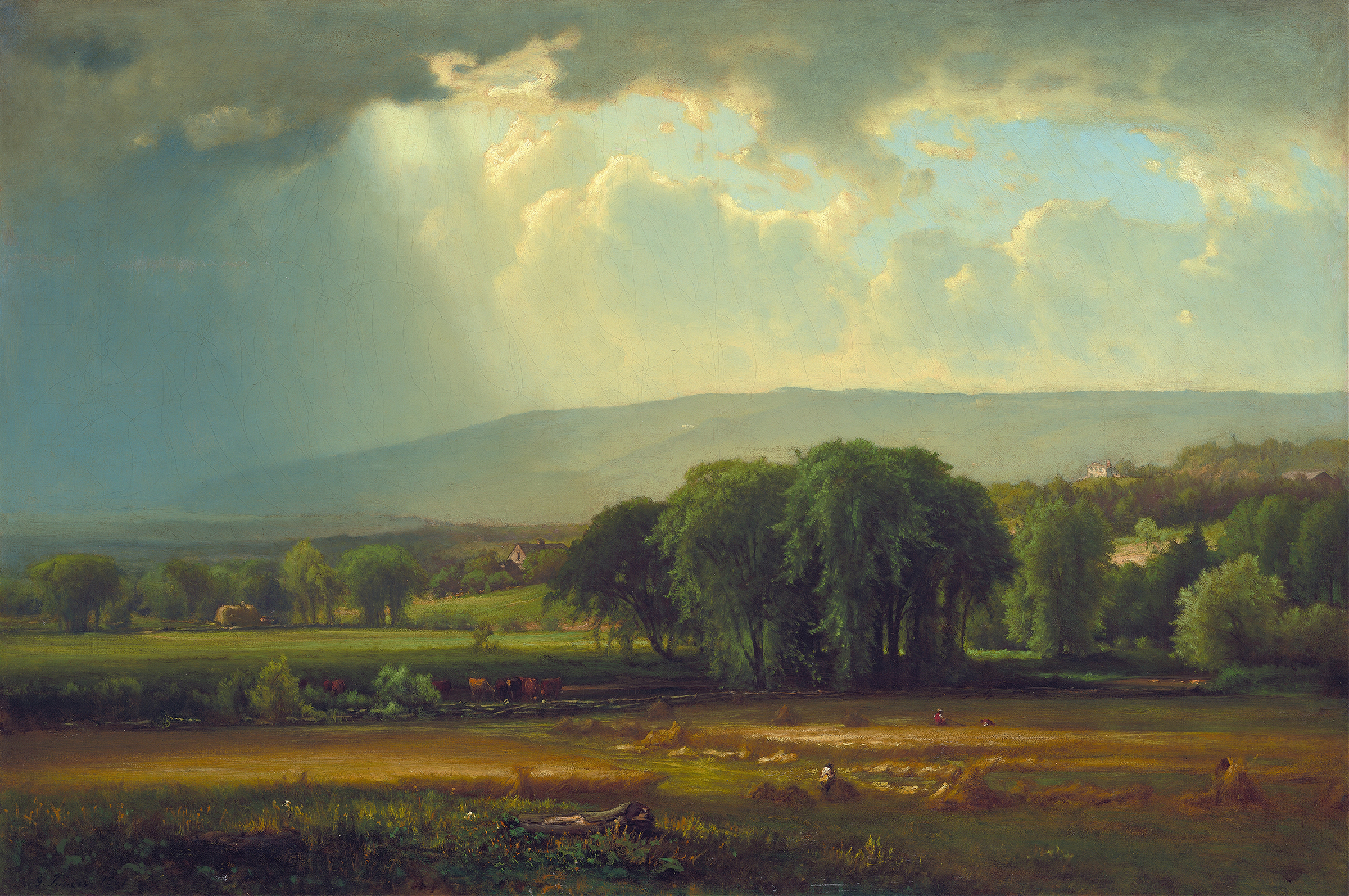
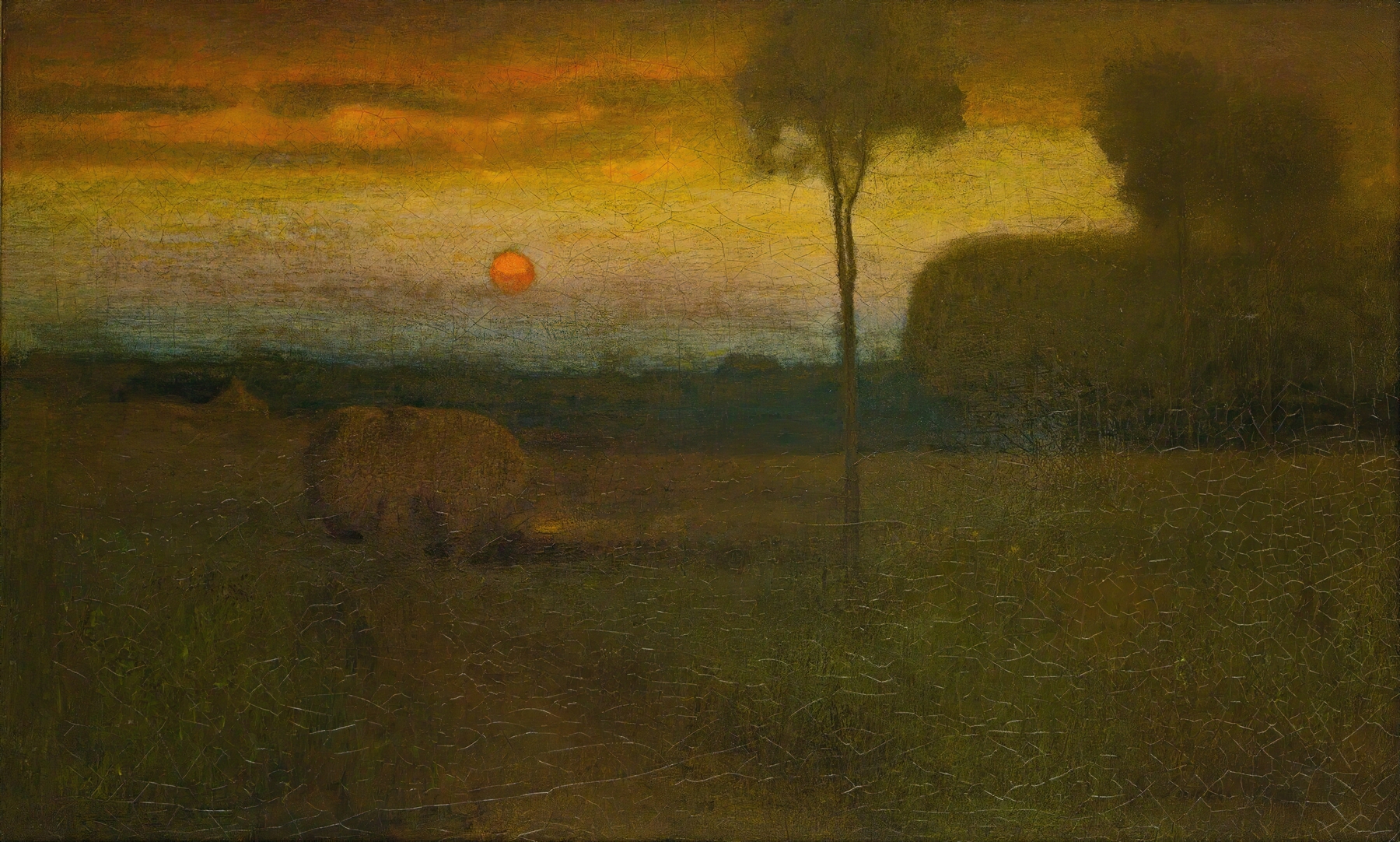
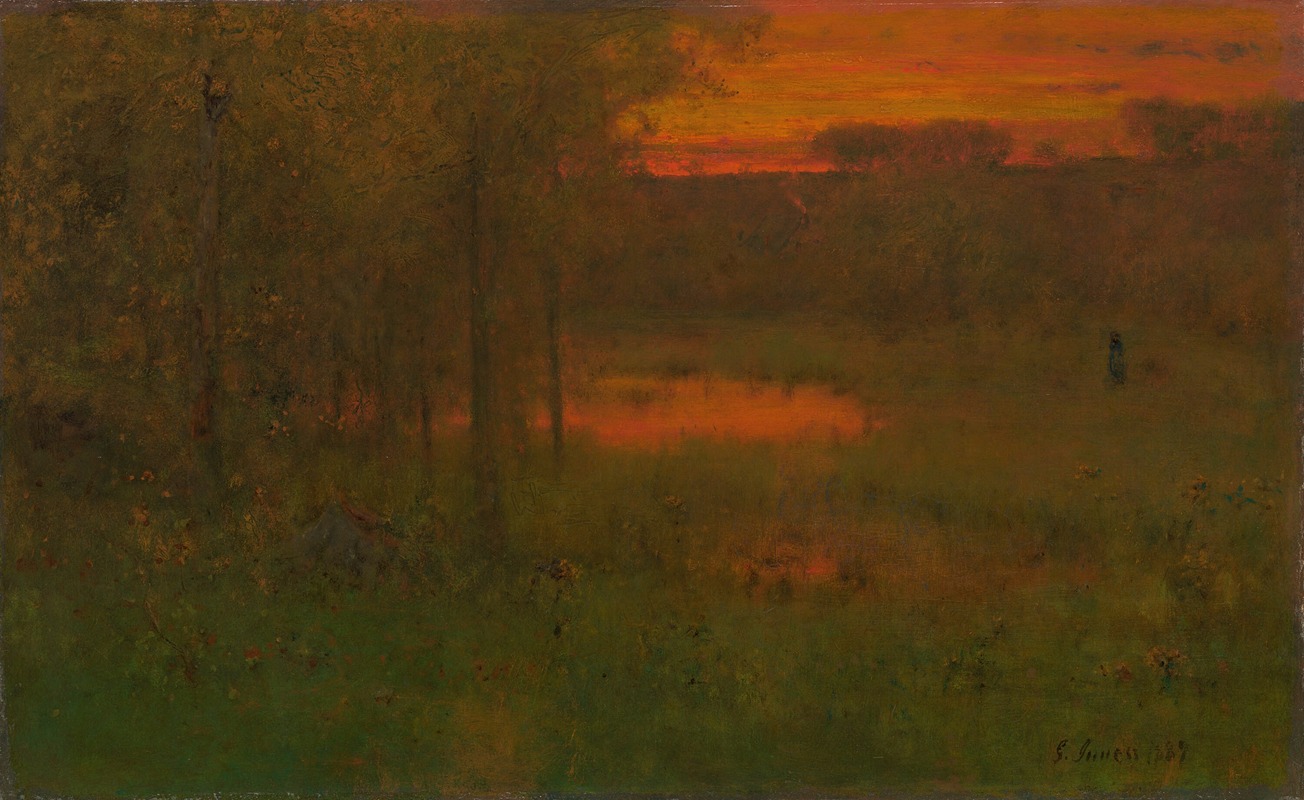
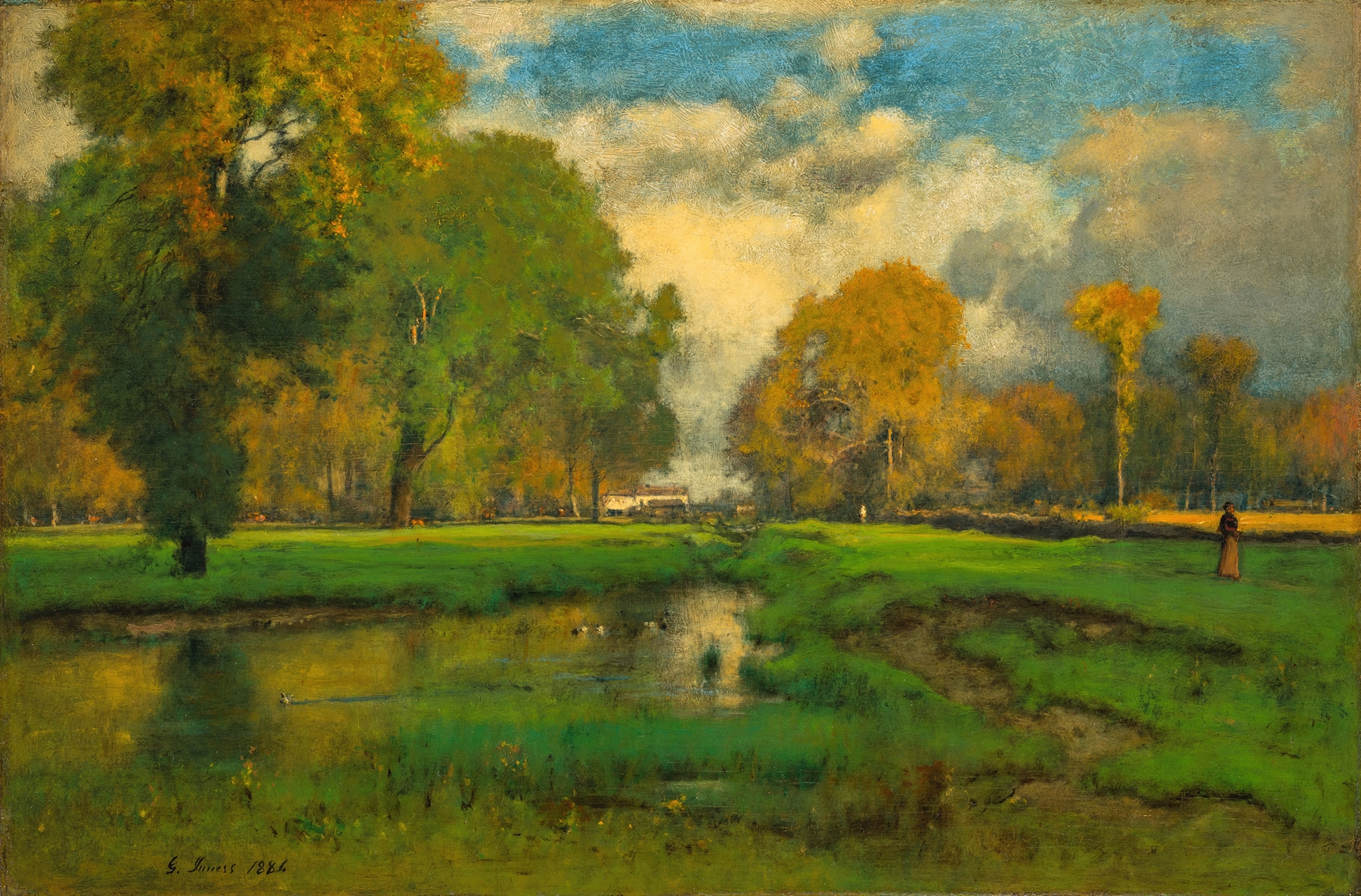
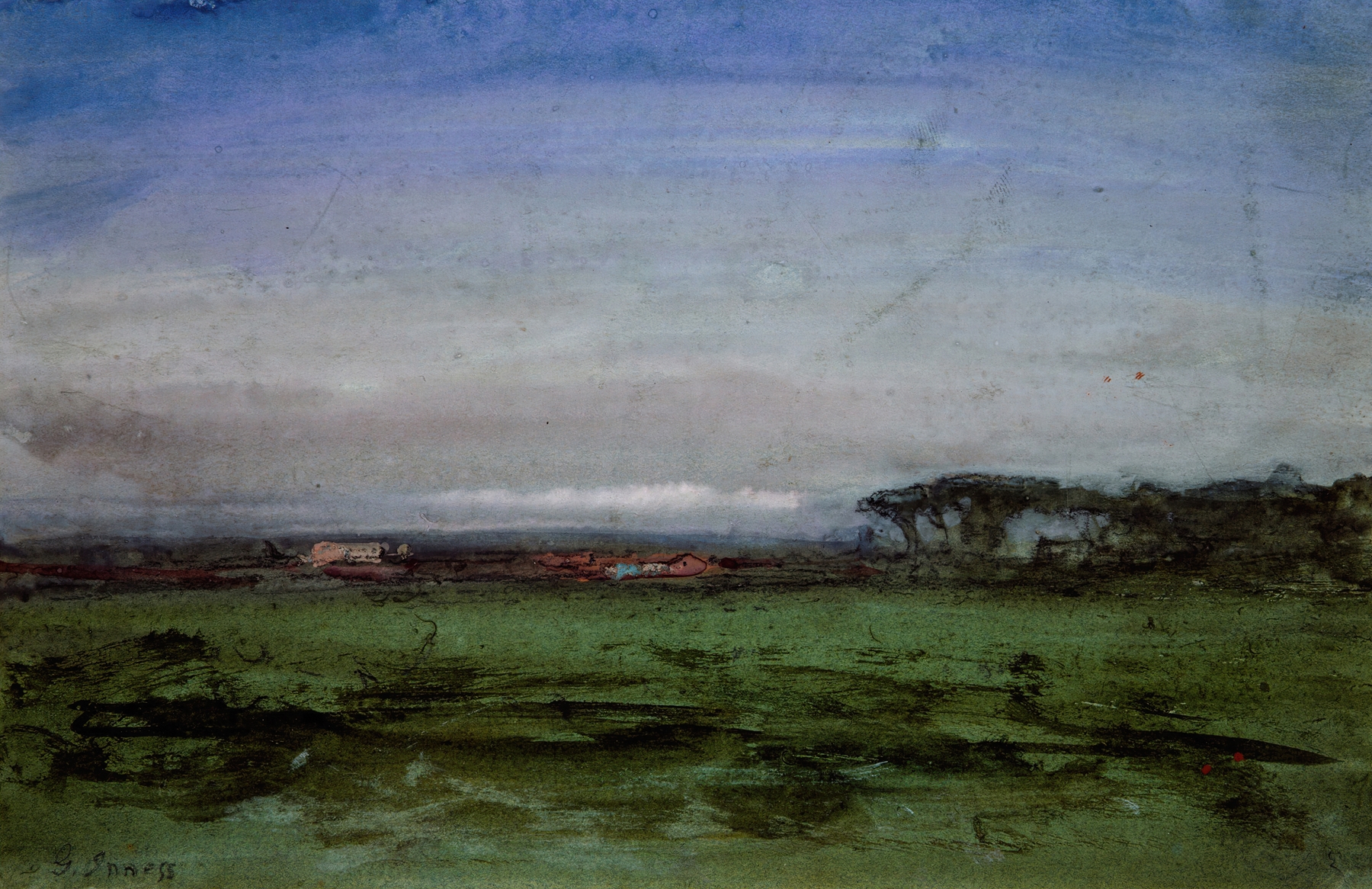
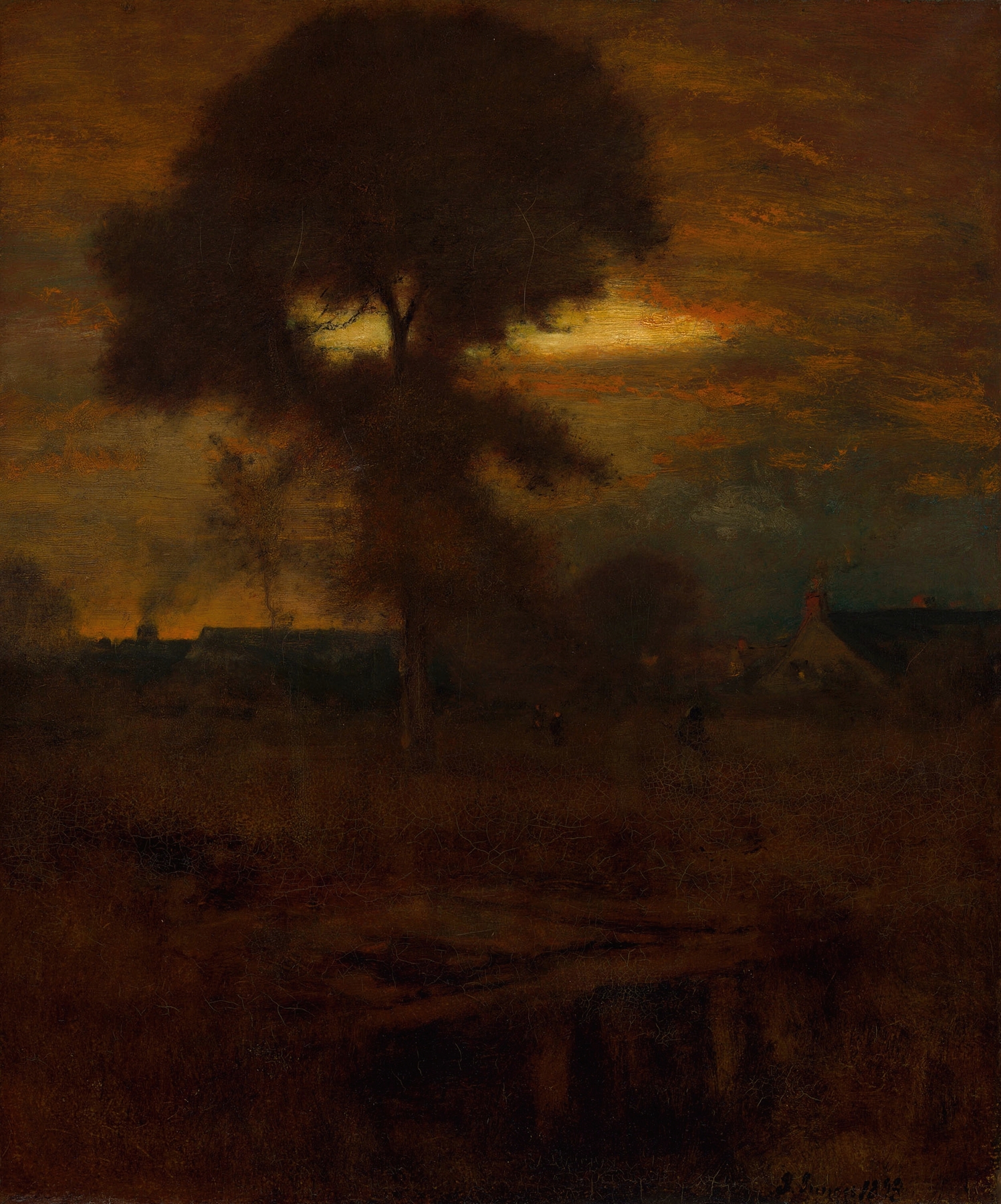
“Every silence here is a confession.” Within the quiet embrace of nature, destiny unfolds in the stillness of the moment, inviting reflection on the passage of time and existence. As you gaze upon the painting, focus first on the soft, muted colors that dominate the landscape. The gentle greens and earthy browns draw your eyes toward the expansive valley where the river winds through the scene, flanked by majestic hills. Notice how the light filters through the trees, casting delicate shadows that dance along the water's surface, creating a sense of peace. The horizon line, low and expansive, evokes a feeling of boundless possibility, inviting the viewer to lose themselves in this harmonious representation of nature.
Yet, within this serene vista lies a tension between tranquility and the inevitability of change. The trees, lush and full, stand as guardians of a fleeting moment, their life cycles echoing the transient nature of all things. The river, a constant force, whispers of time's relentless march, suggesting that while beauty exists, it is ephemeral. This duality speaks to the viewer, urging an awareness of the delicate balance between the present and what lies ahead.
Created in 1861, the artwork emerged during a time of personal turmoil for the artist. Inness had moved to New Jersey, seeking solace after the loss of his father and the upheaval of the Civil War. This period marked an important transition in his artistic style, as he began to explore the deeper spiritual connections present in nature, moving away from the more formal landscapes of his earlier career. The work reflects not only his personal journey but also a broader search for meaning amid a changing world.