Landscape, Sunset — History & Analysis
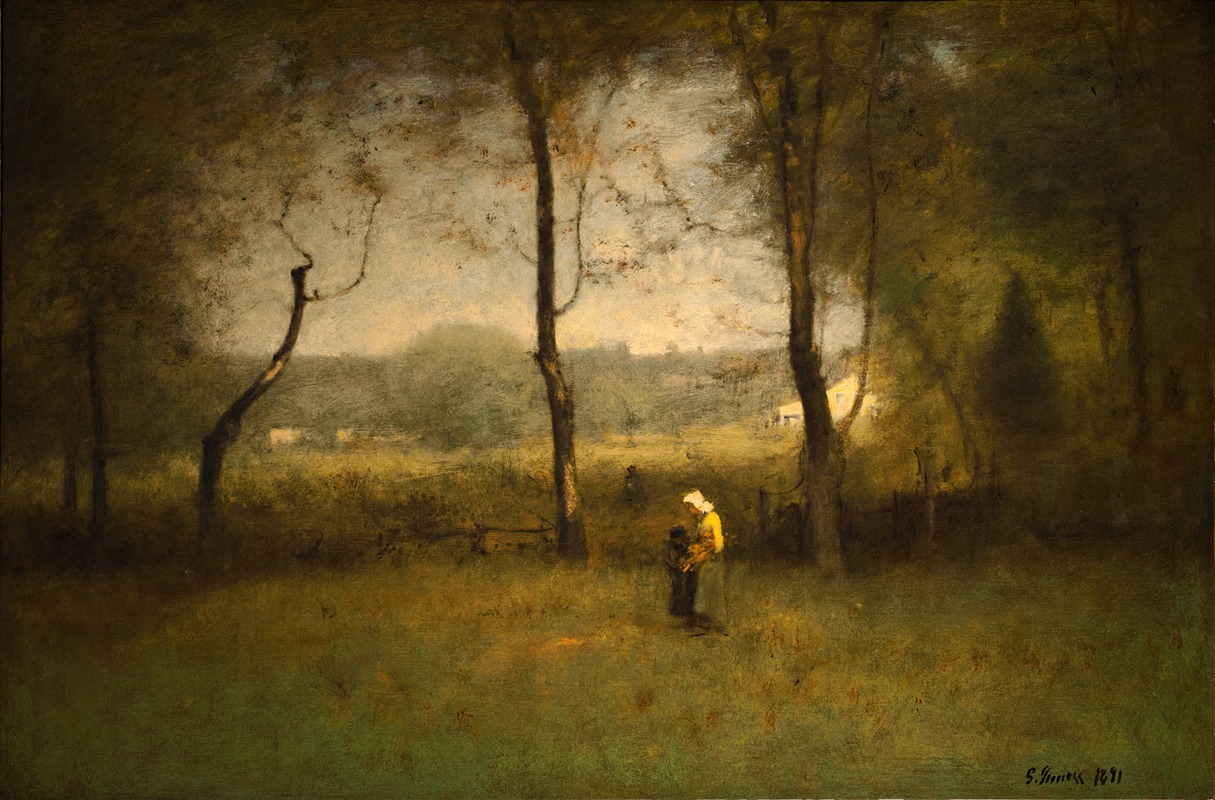
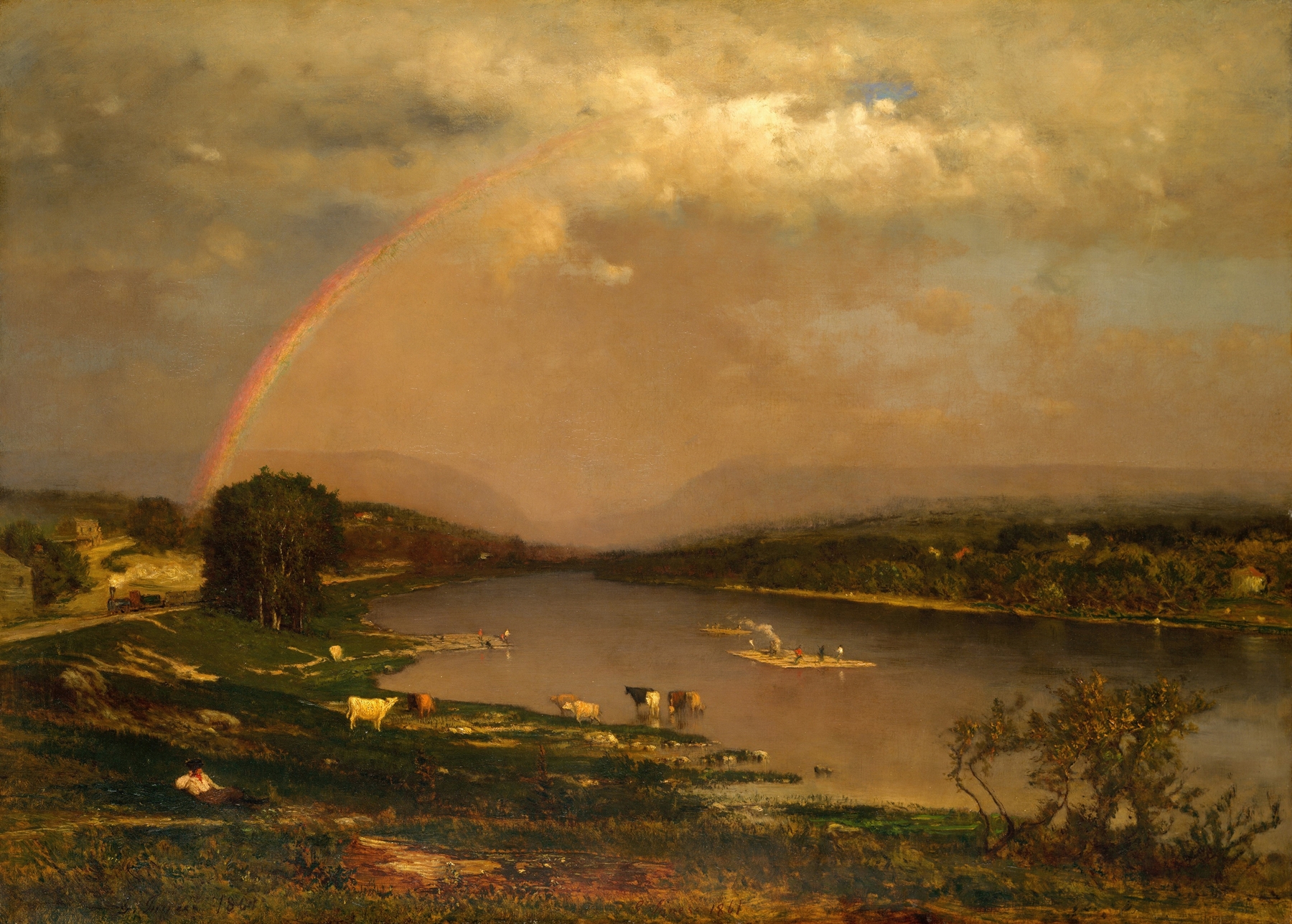
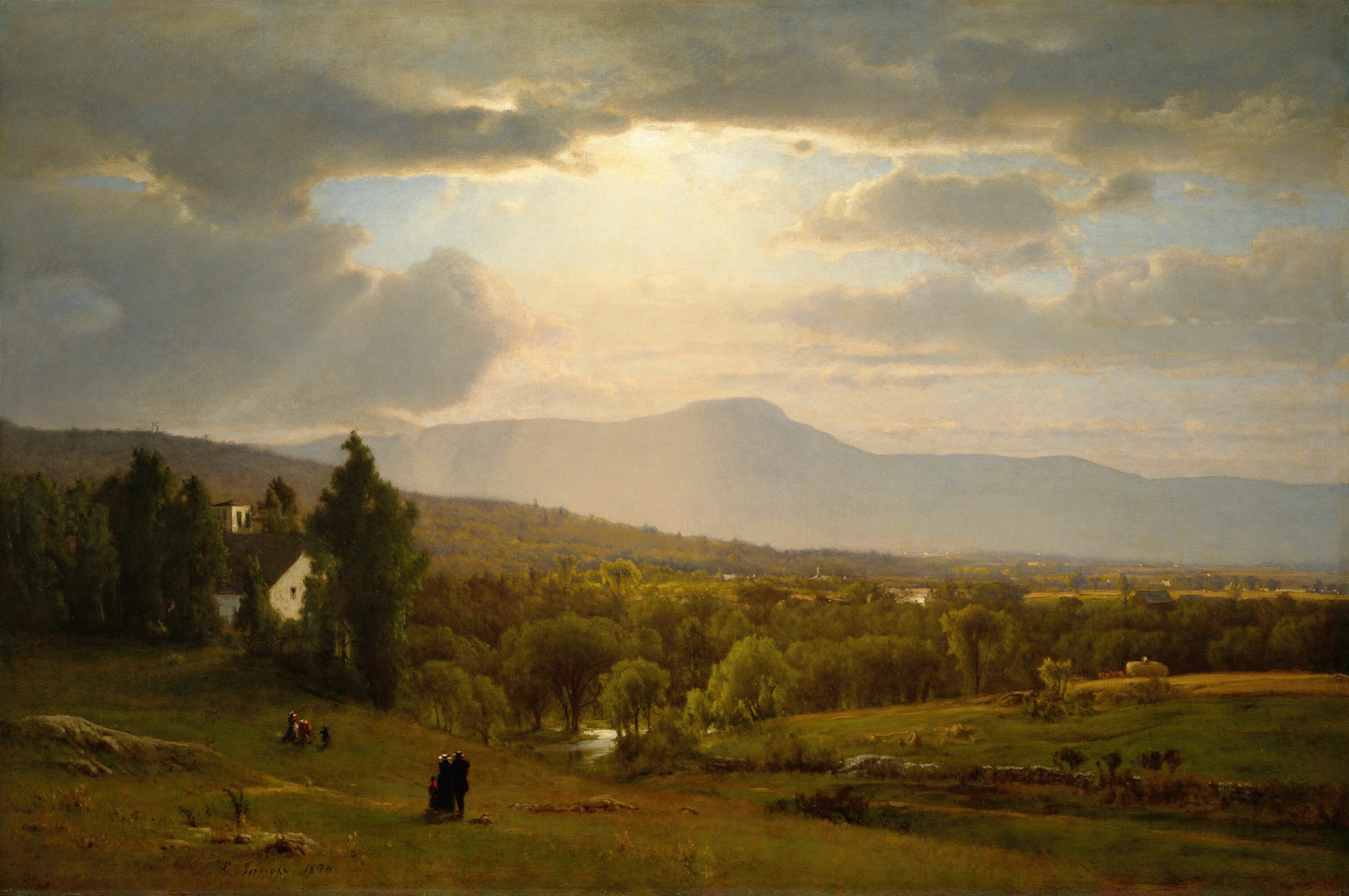
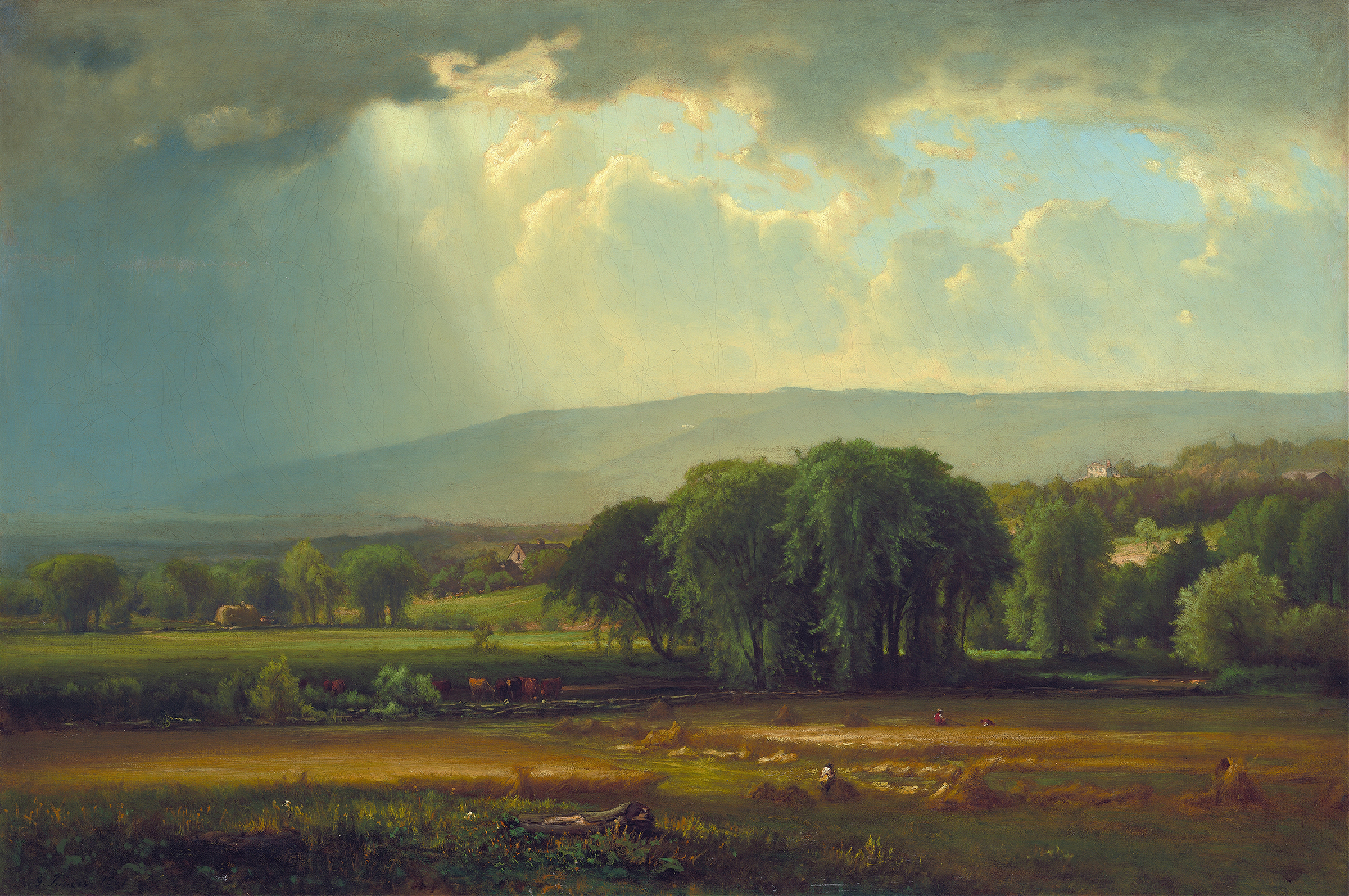
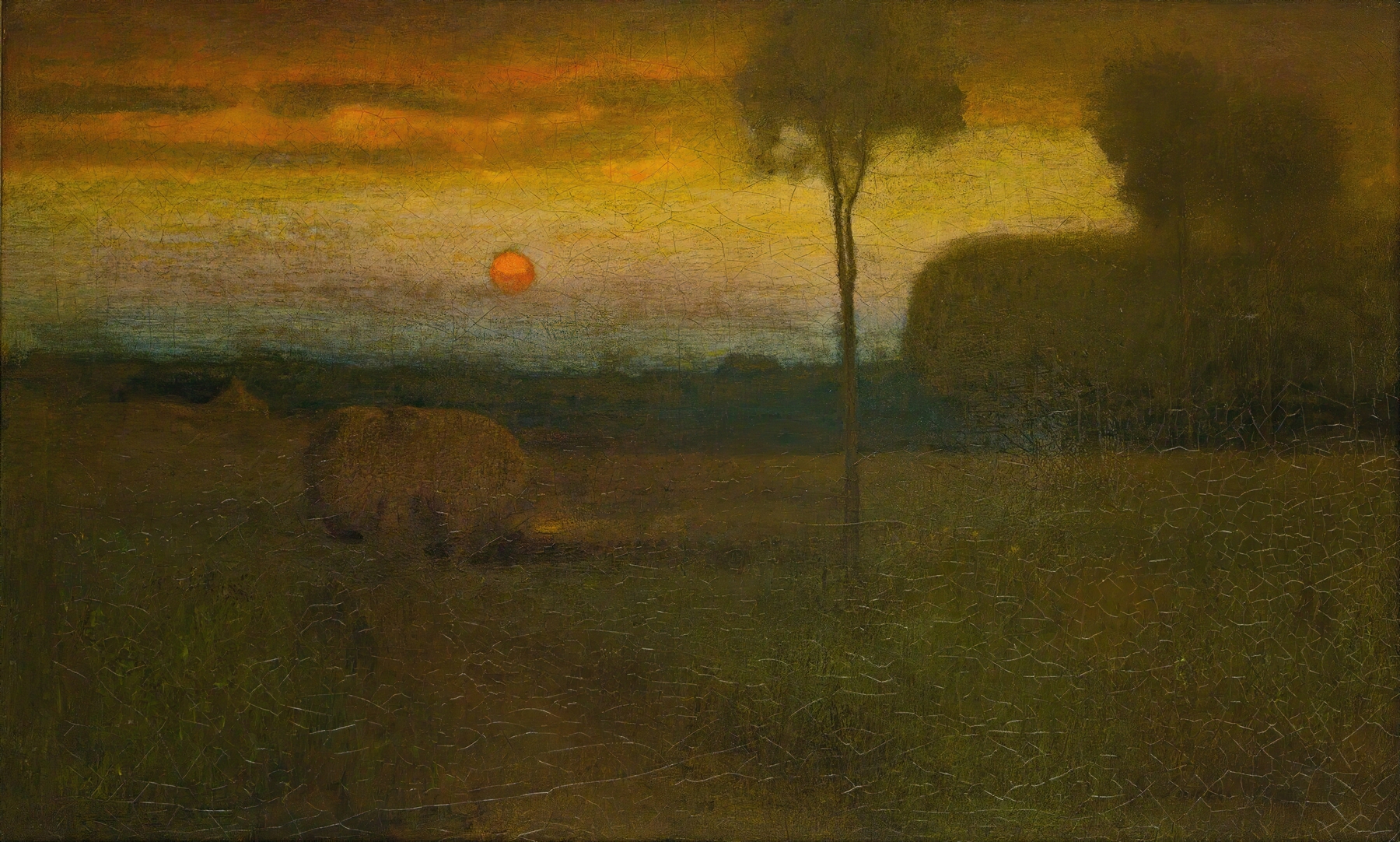
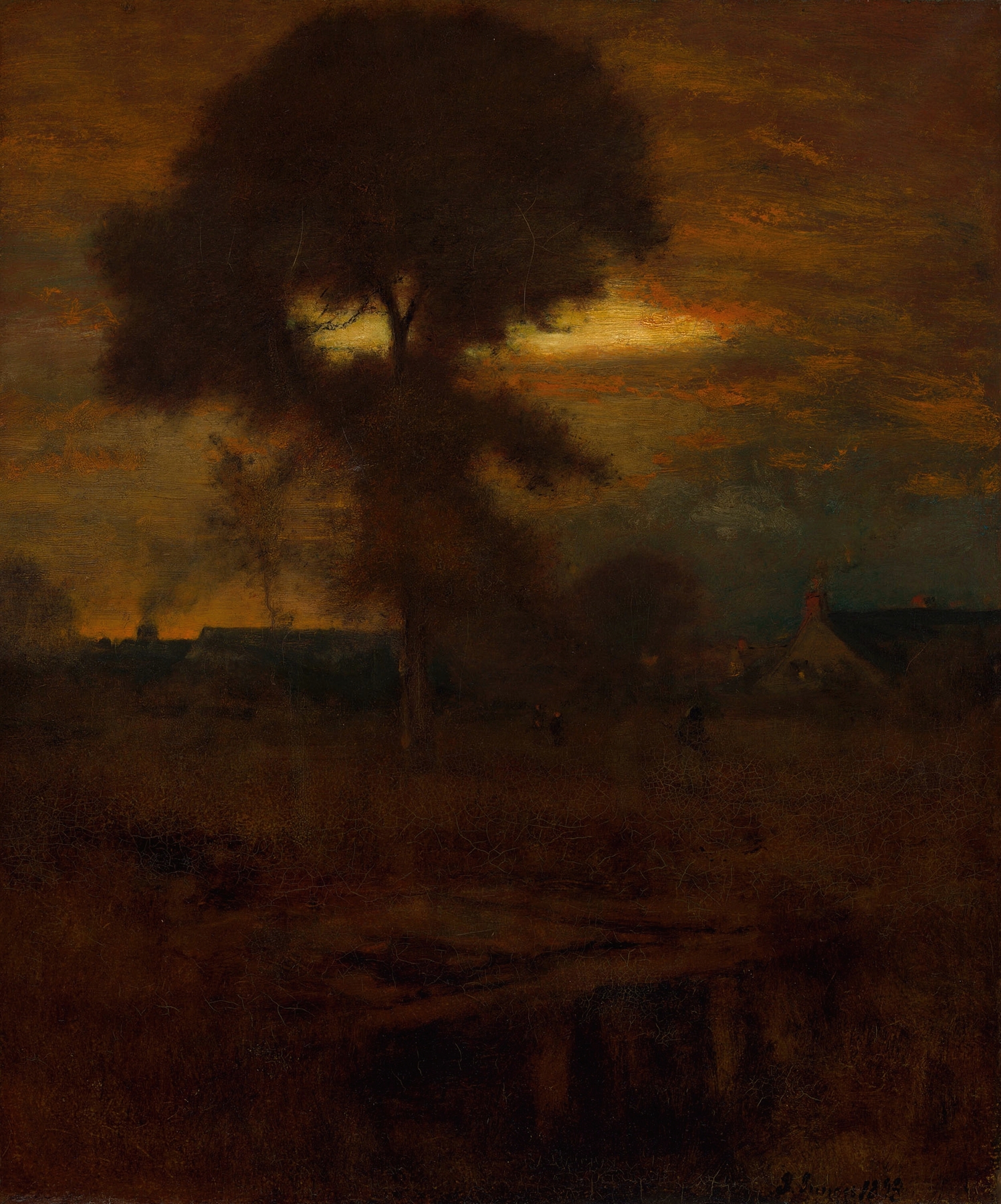
Can paint confess what words never could? In Landscape, Sunset, George Inness immerses us in a moment of pure ecstasy, inviting the viewer into a realm where emotion and nature intertwine. Focus your gaze on the horizon, where the fiery orange and soft pink hues blend seamlessly, whispering the day’s farewell. Notice how the painter uses light to guide your eyes across a tranquil scene, illuminating wispy clouds that dance above the rolling hills, while shadowed trees frame the composition, standing as guardians of this ephemeral beauty.
The brushstrokes are fluid and expressive, embodying the very essence of a fleeting sunset, capturing both the stillness and the vibrancy of a natural crescendo. Within this canvas lies a juxtaposition of serenity and intensity. The vibrant colors evoke a sense of joy and warmth, while the darker elements hint at the inevitability of nightfall and the passage of time. Each element, from the delicate interplay of light to the robust silhouettes of trees, speaks to the duality of existence—beauty and transience coalesce in a moment that feels both timeless and ephemeral.
Inness created this work between 1887 and 1889, during a transformative period in his life. Living in New Jersey, he was deeply influenced by the American landscape and the ideals of the Tonalist movement, which emphasized mood and atmosphere over detail. This painting reflects his exploration of light and emotional resonance, as he sought to convey the profound spiritual connection between humanity and the natural world.