Summer in the Catskills — History & Analysis
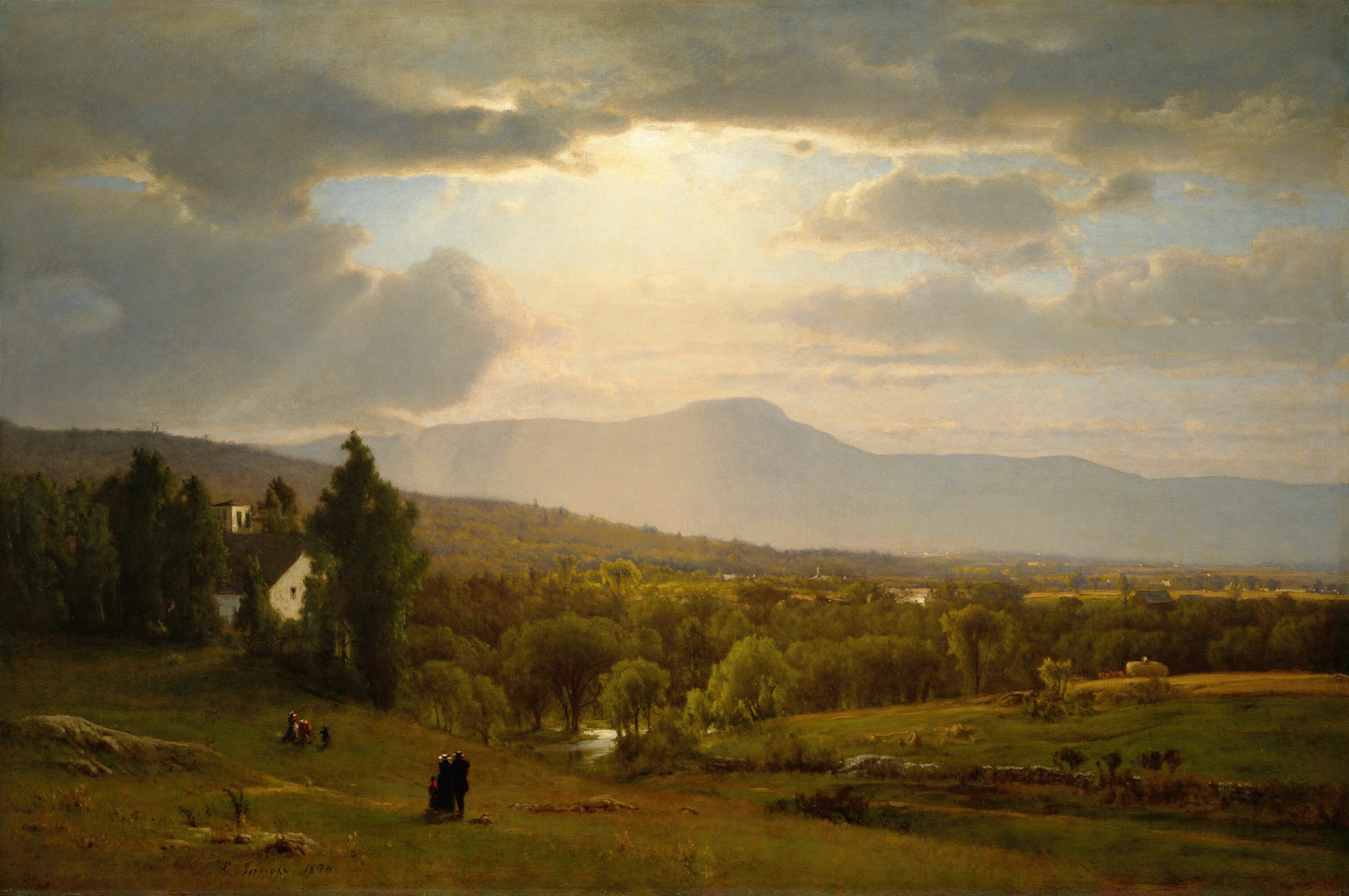
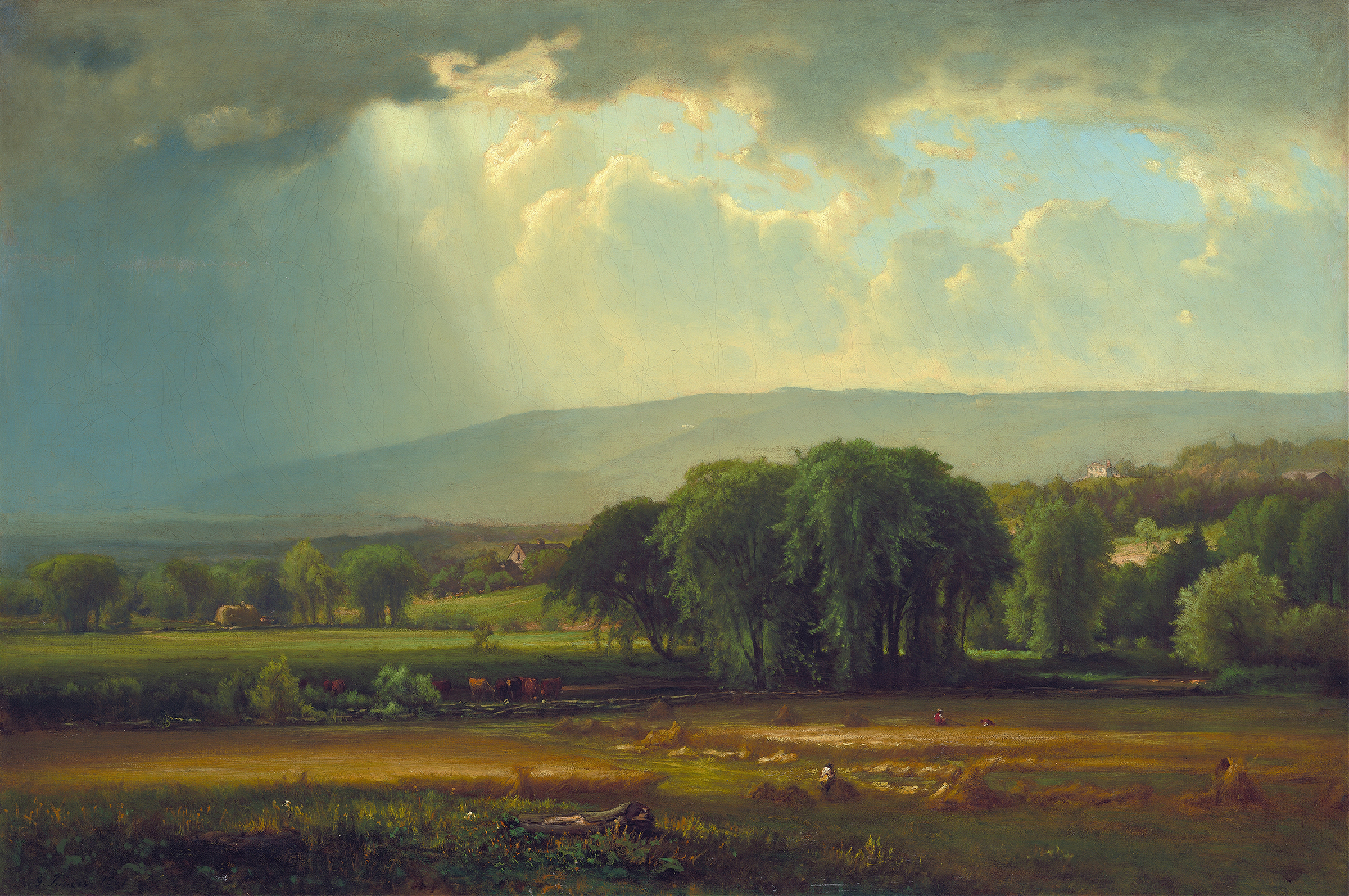
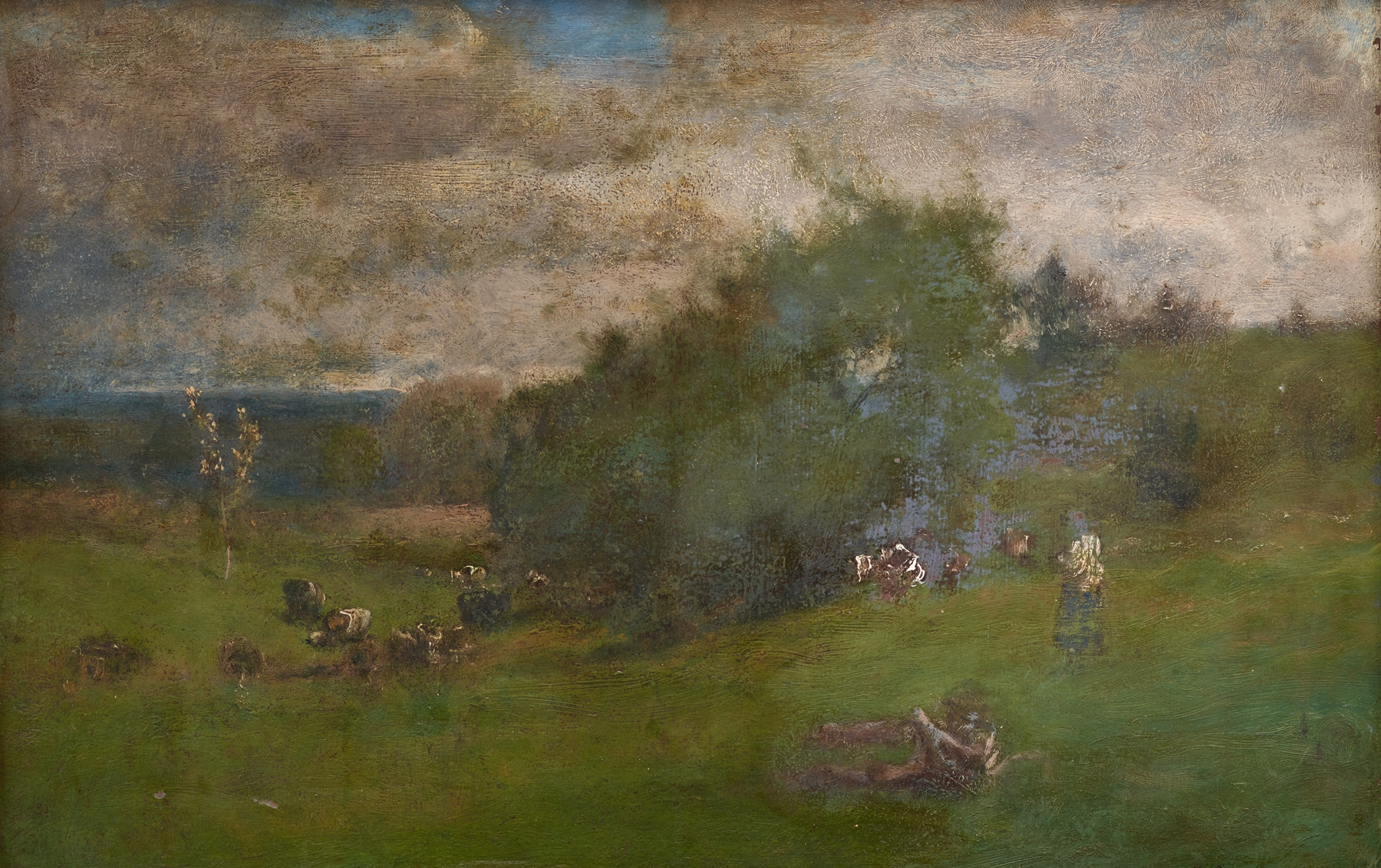
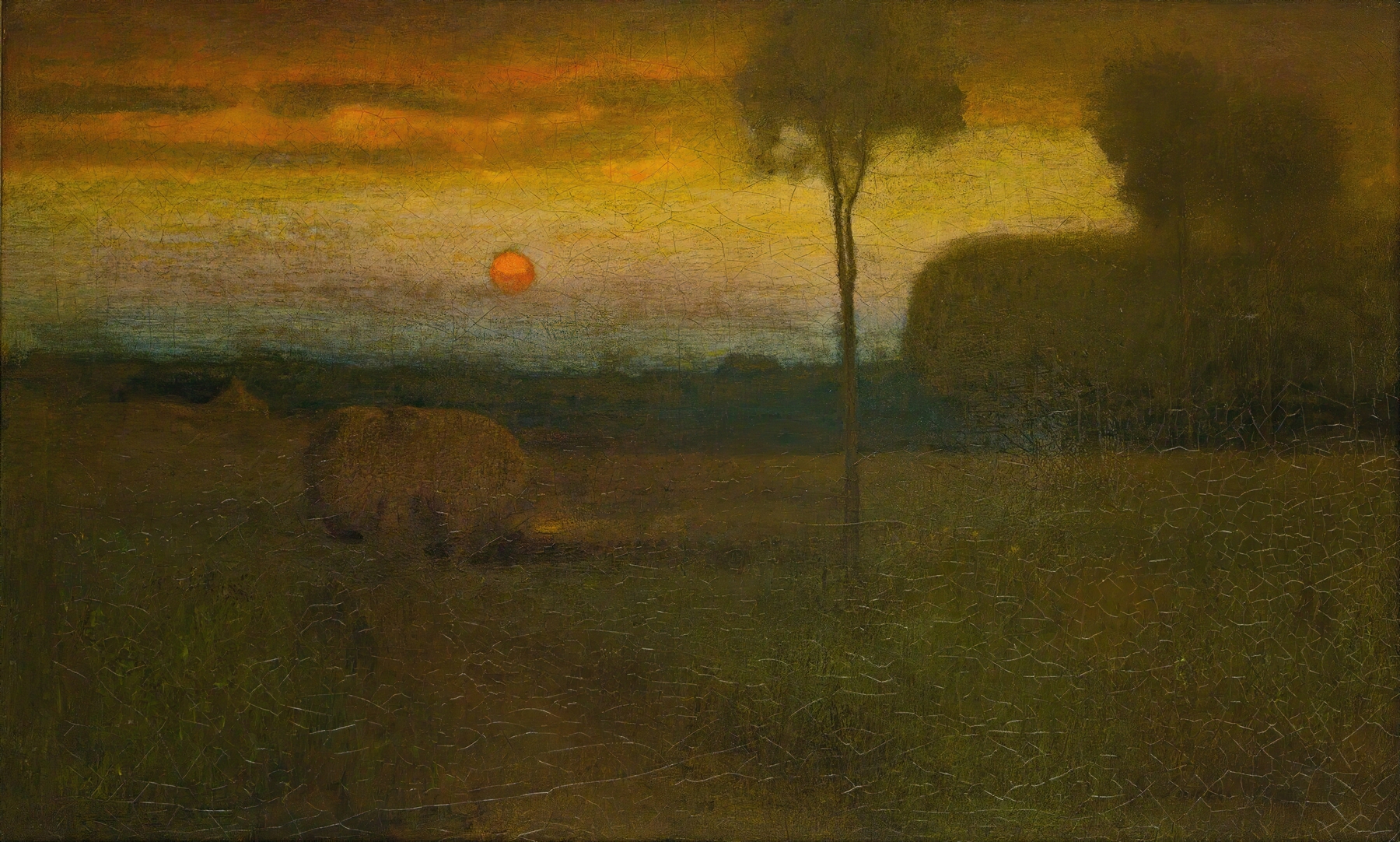
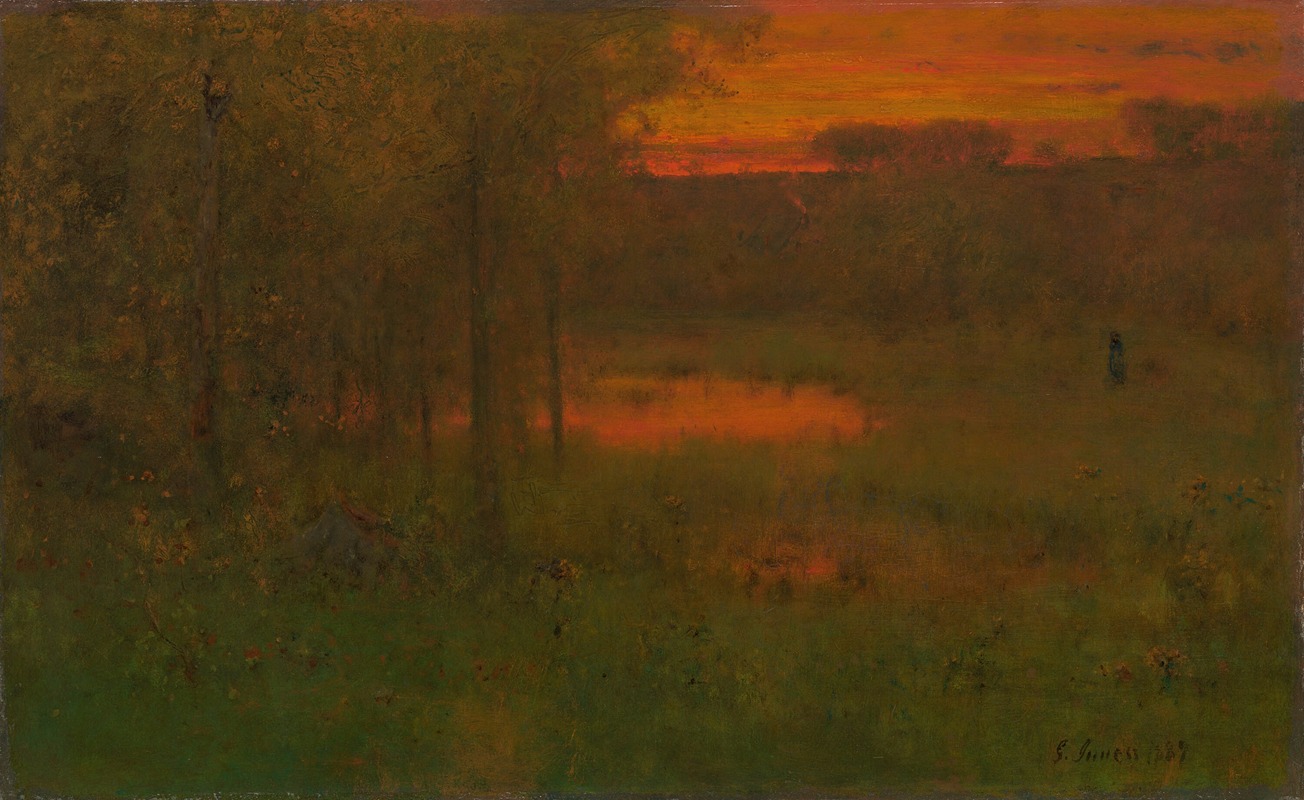
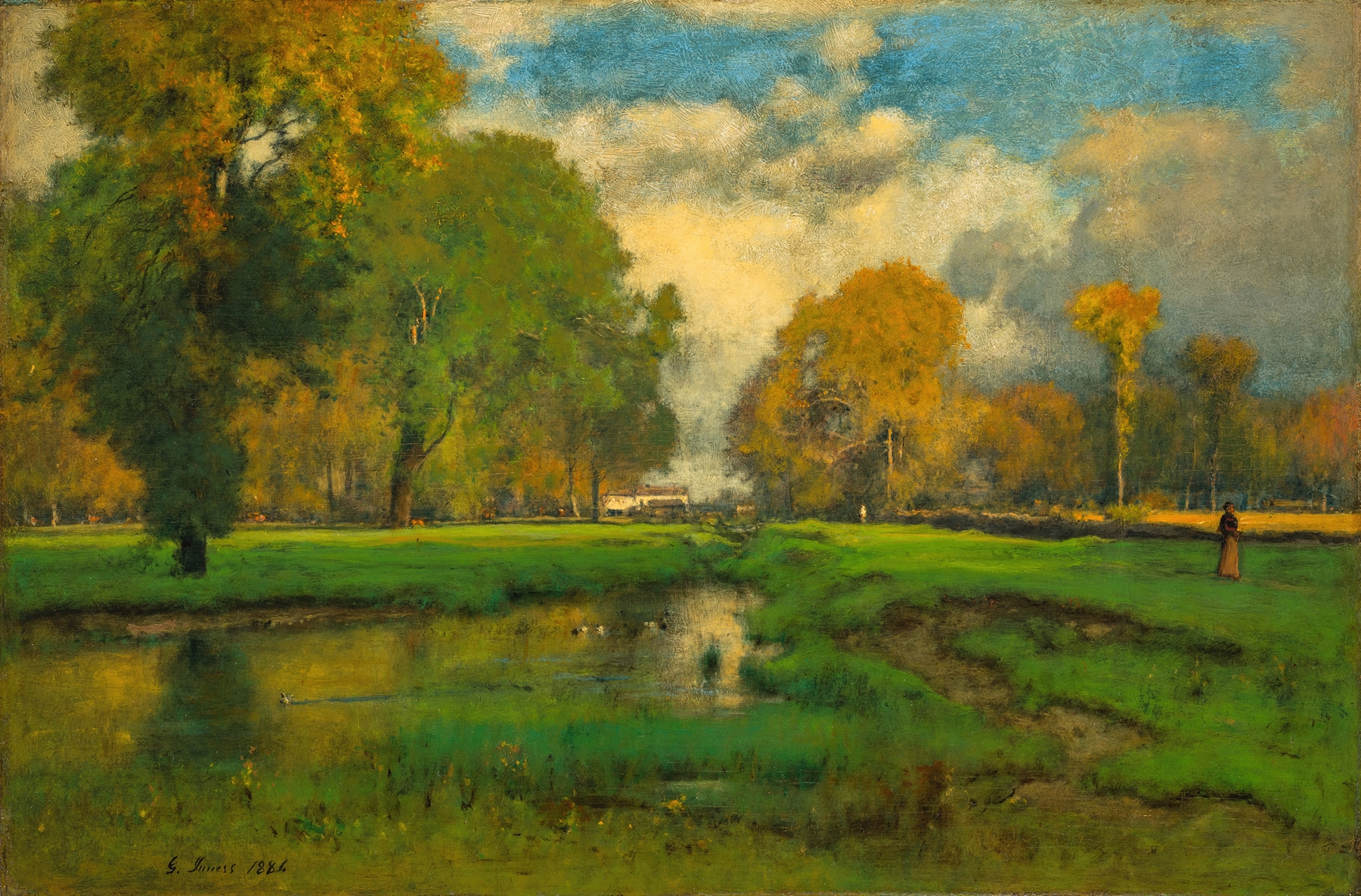
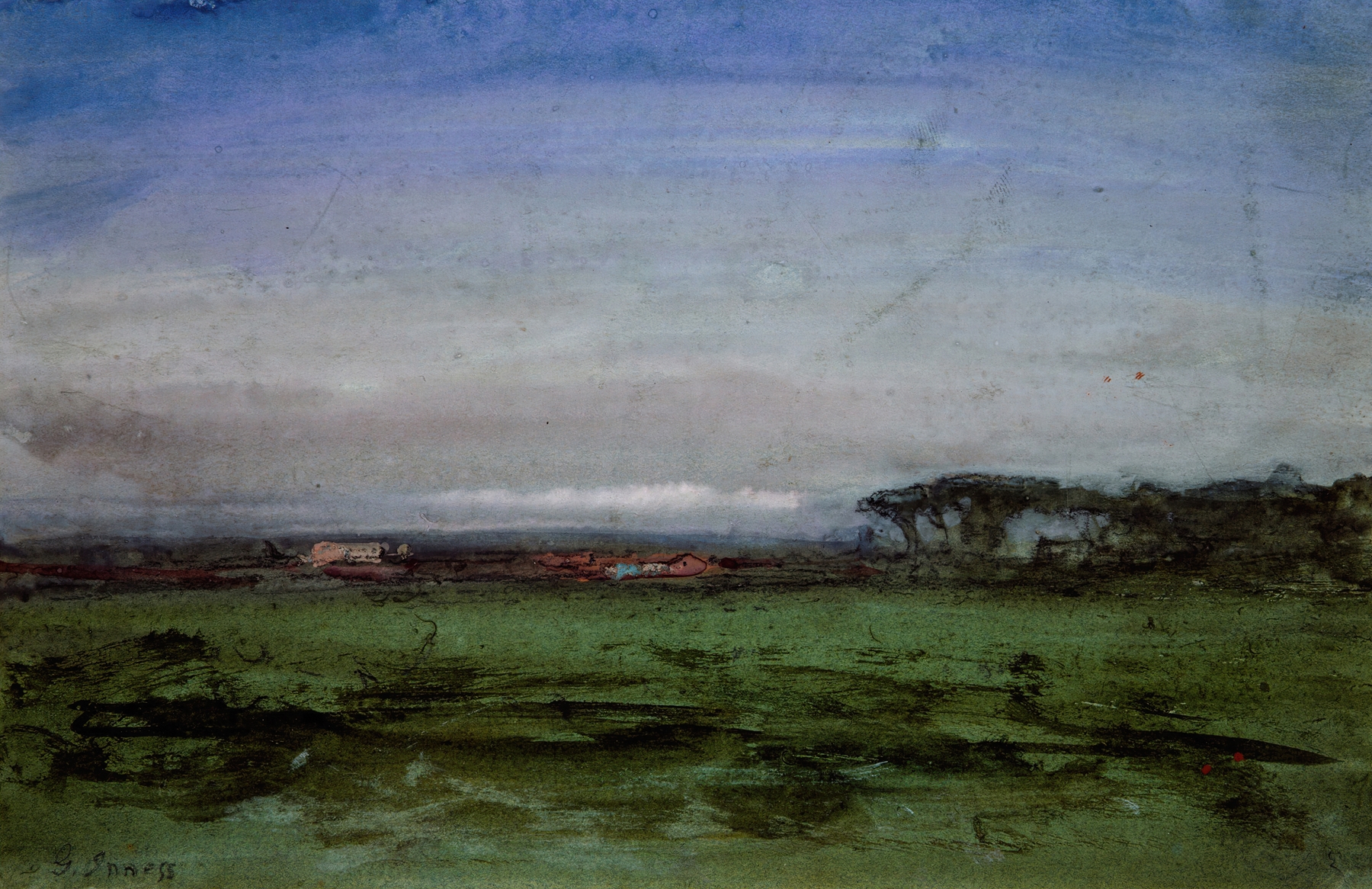
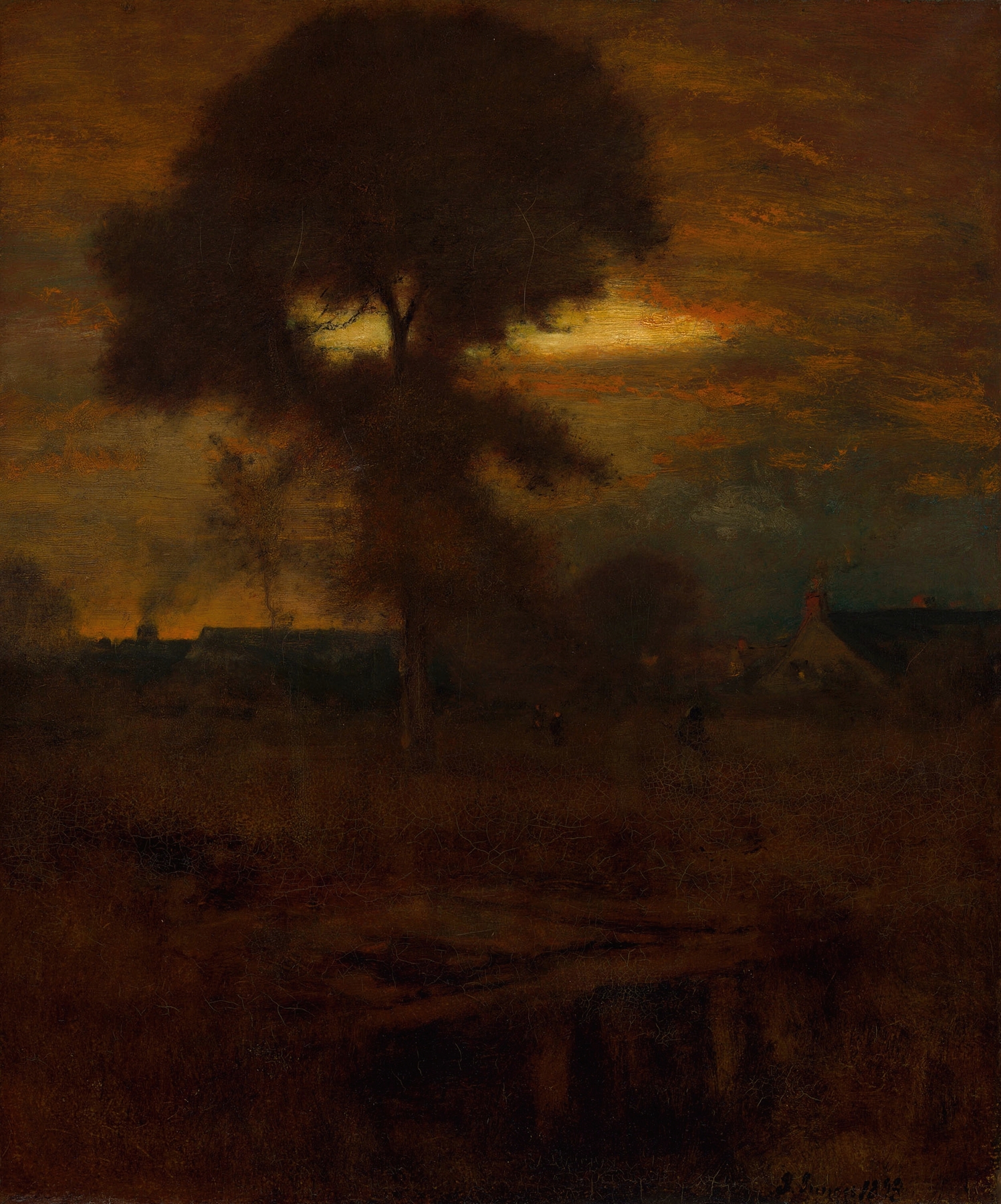
“To paint is to remember what time wants us to forget.” In the interplay of light and shadow, the essence of fleeting moments is immortalized upon the canvas. Here, we find ourselves confronted with the weight of memory, infused with the vibrancy of nature, as the artist weaves time and space into a singular experience. Look closely at the warm hues that dominate the scene, where golden light filters through the dense canopy of trees. The way the sunlight dapples the ground draws your eyes toward the tranquil path meandering through the lush greenery.
Notice the soft brush strokes that create an almost ethereal atmosphere, allowing the viewer to feel the tender embrace of summer’s warmth, as the varied greens of leaves contrast against the bright sky. Delving deeper, we uncover an undercurrent of nostalgia, as the painting evokes a longing for a simpler past. The tranquil nature setting allows for introspection, suggesting a respite from the chaos of life. The delicate balance of light hints at the ephemeral beauty of summer, while the shadows that loom remind us of the inevitable passage of time—an invitation to reflect on what is lost and what remains.
In 1867, during a time when the Hudson River School artists were redefining American landscape painting, Inness created this work. Living in Italy for a period, he was deeply influenced by European art traditions, yet he sought to blend them with an American sensibility. The world around him was rapidly changing, but his reverence for nature offered a counter-narrative, capturing the harmony and serenity found within the landscape of the Catskills.