Allée sous-bois — History & Analysis
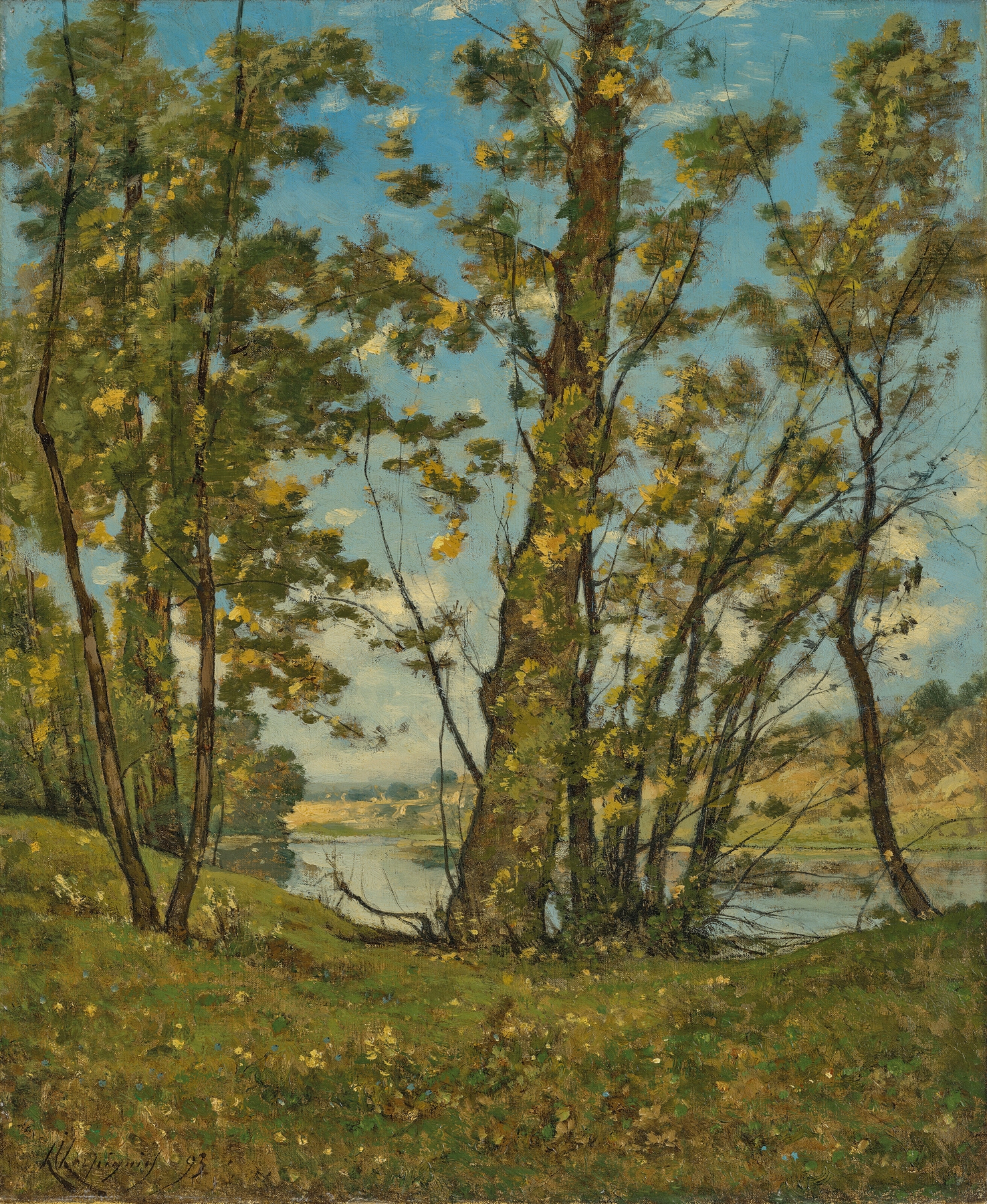
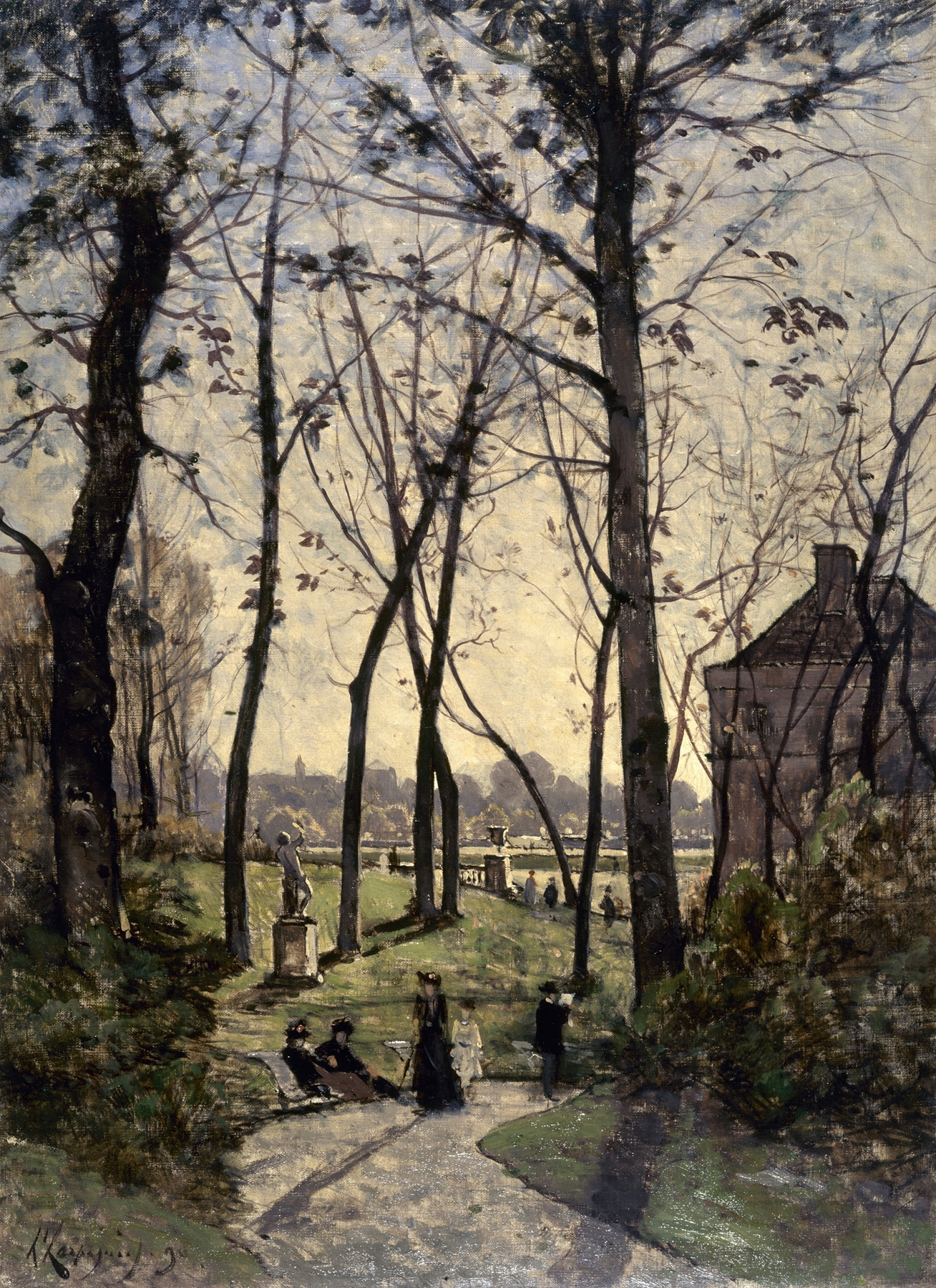
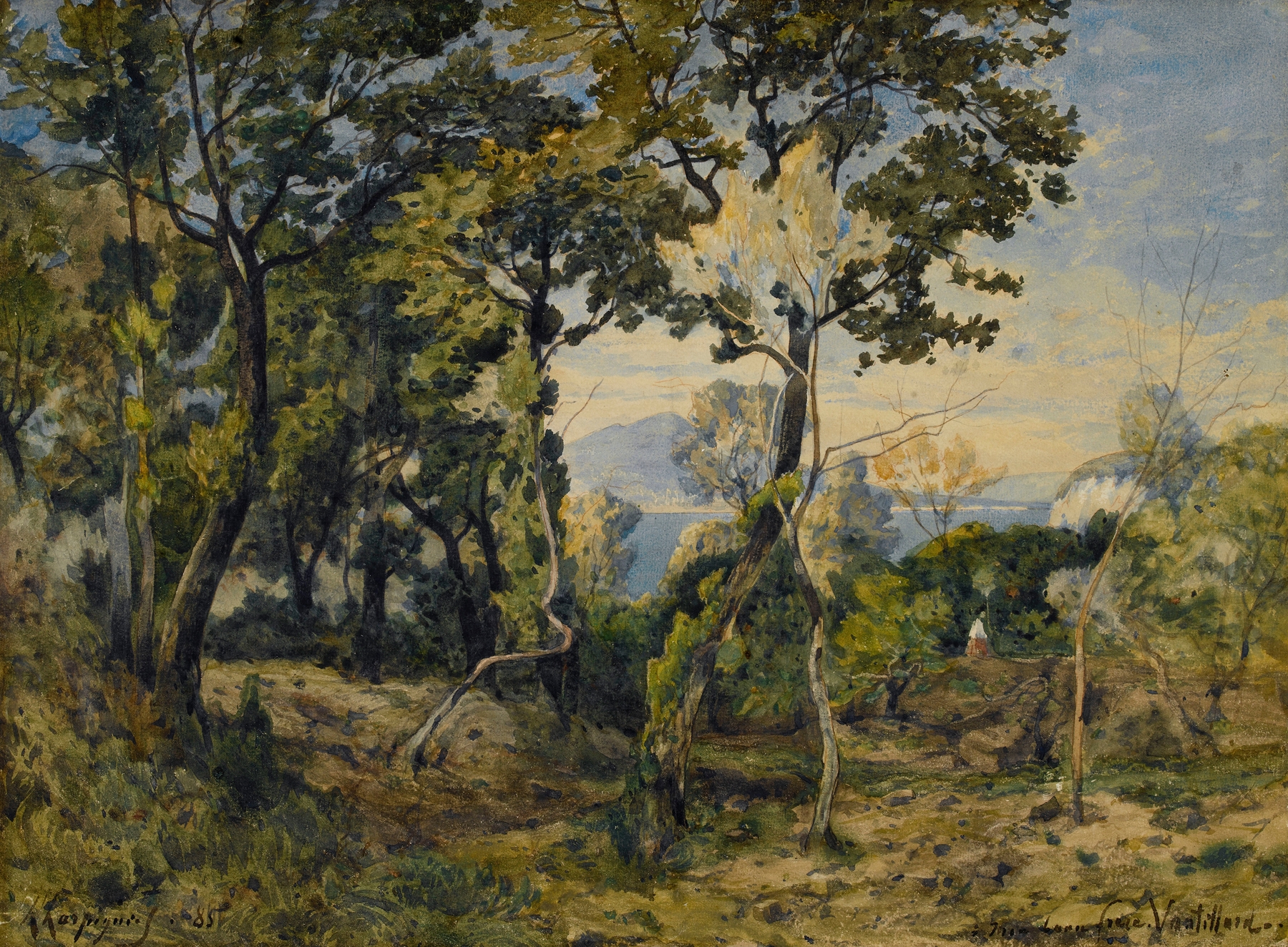
“To paint is to remember what time wants us to forget.” In Allée sous-bois, destiny intertwines with memory, crafting a serene encounter with nature that invites reflection. Look to the center, where a path meanders through dense foliage, beckoning the viewer to step inside the tranquility of the scene. Notice the soft brushstrokes that create an intertwining tapestry of greens, punctuated by dappled sunlight filtering through the leaves above. The muted yet vibrant palette embodies a sense of peace while simultaneously hinting at the passage of time, as if the leaves whisper secrets to those who pause to listen.
Delve deeper into the composition, and you'll find contrasts at play. The vibrant greens symbolize life and vitality, while the shaded areas evoke the depth of memory and reflection. The gentle arch of the trees suggests both shelter and confinement, representing the duality of nature's beauty—inviting yet elusive, nurturing yet overwhelming. This interplay not only captivates the eye but stirs the soul to ponder the ephemeral nature of existence itself.
In 1883, Harpignies painted this masterpiece in France, during a period when Impressionism was gaining momentum and altering the landscape of art. The artist's exploration of light and color marked a significant shift in how nature was perceived and depicted. Amid the burgeoning movement, he found himself grappling with personal and artistic evolution, ultimately encapsulating the delicate balance of stillness and change in this enchanting work.