Allegorie van Gerechtigheid — History & Analysis
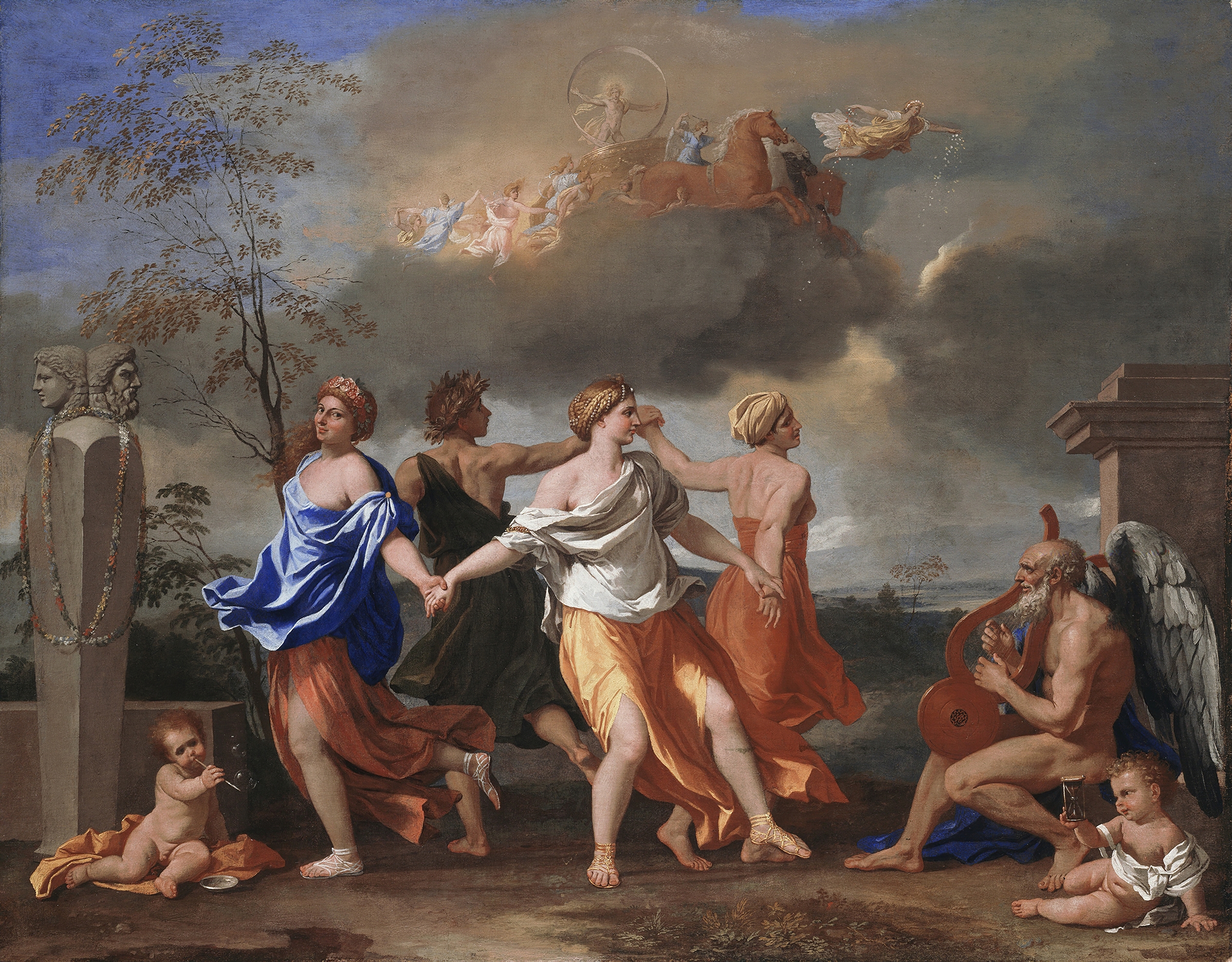
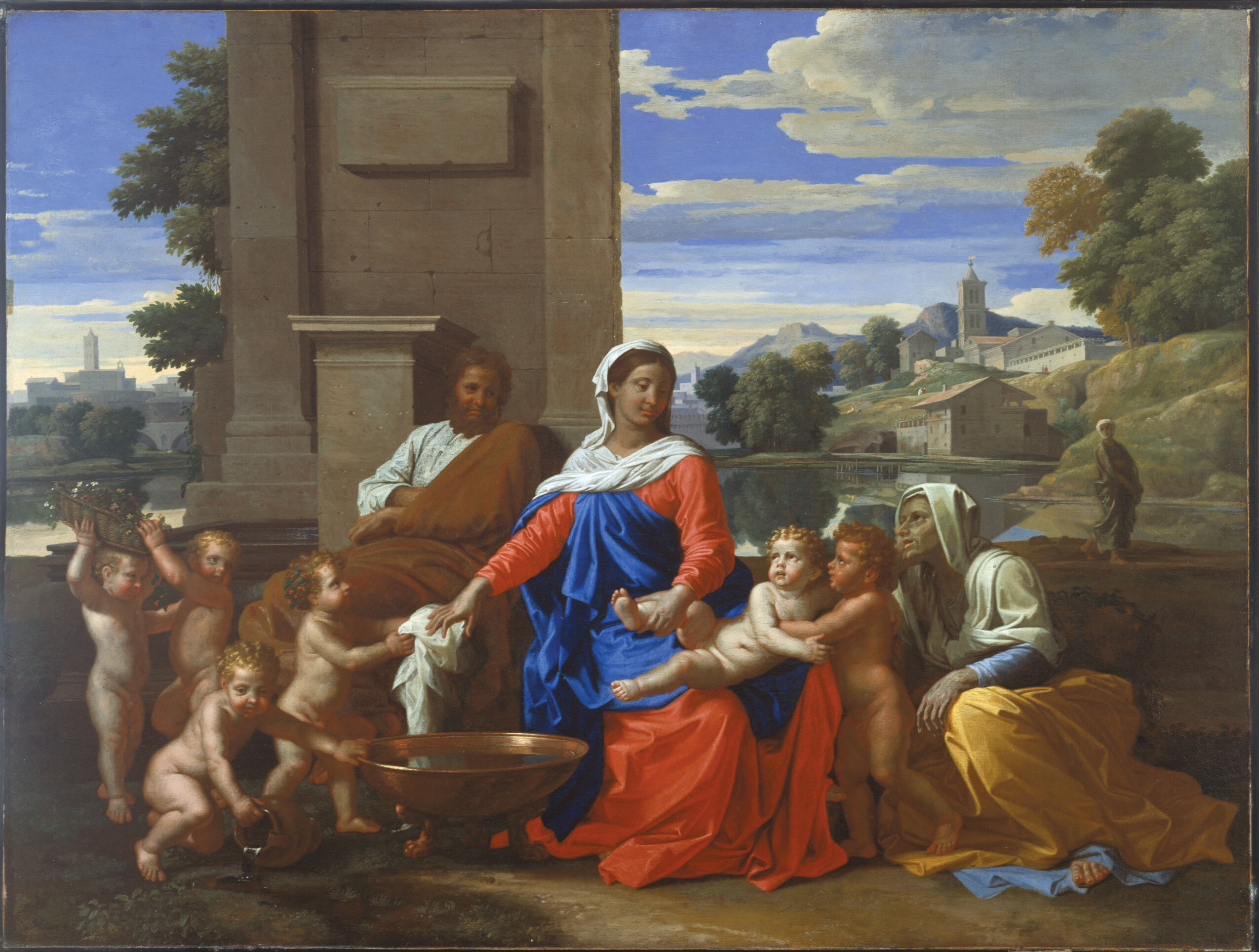
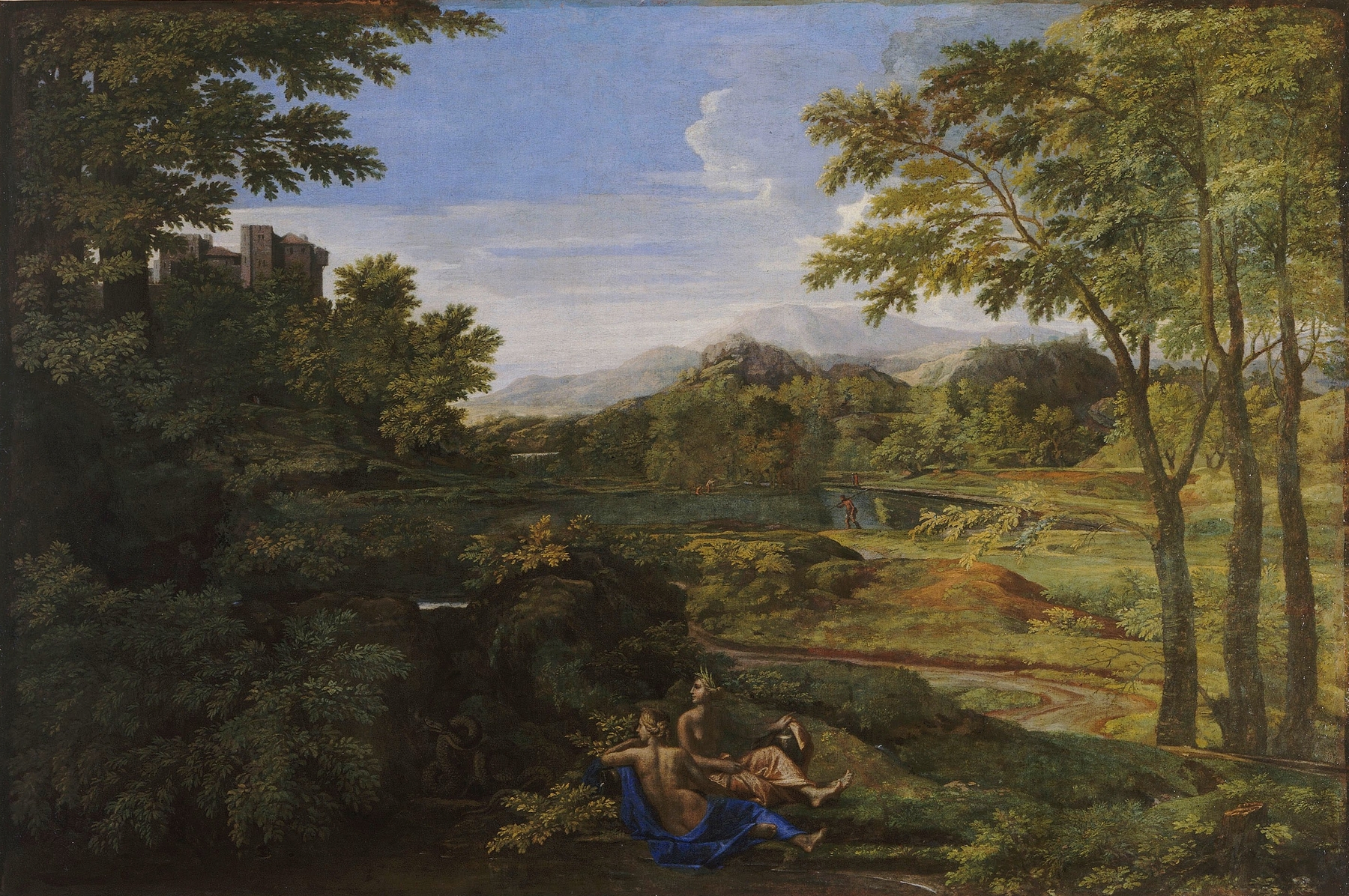
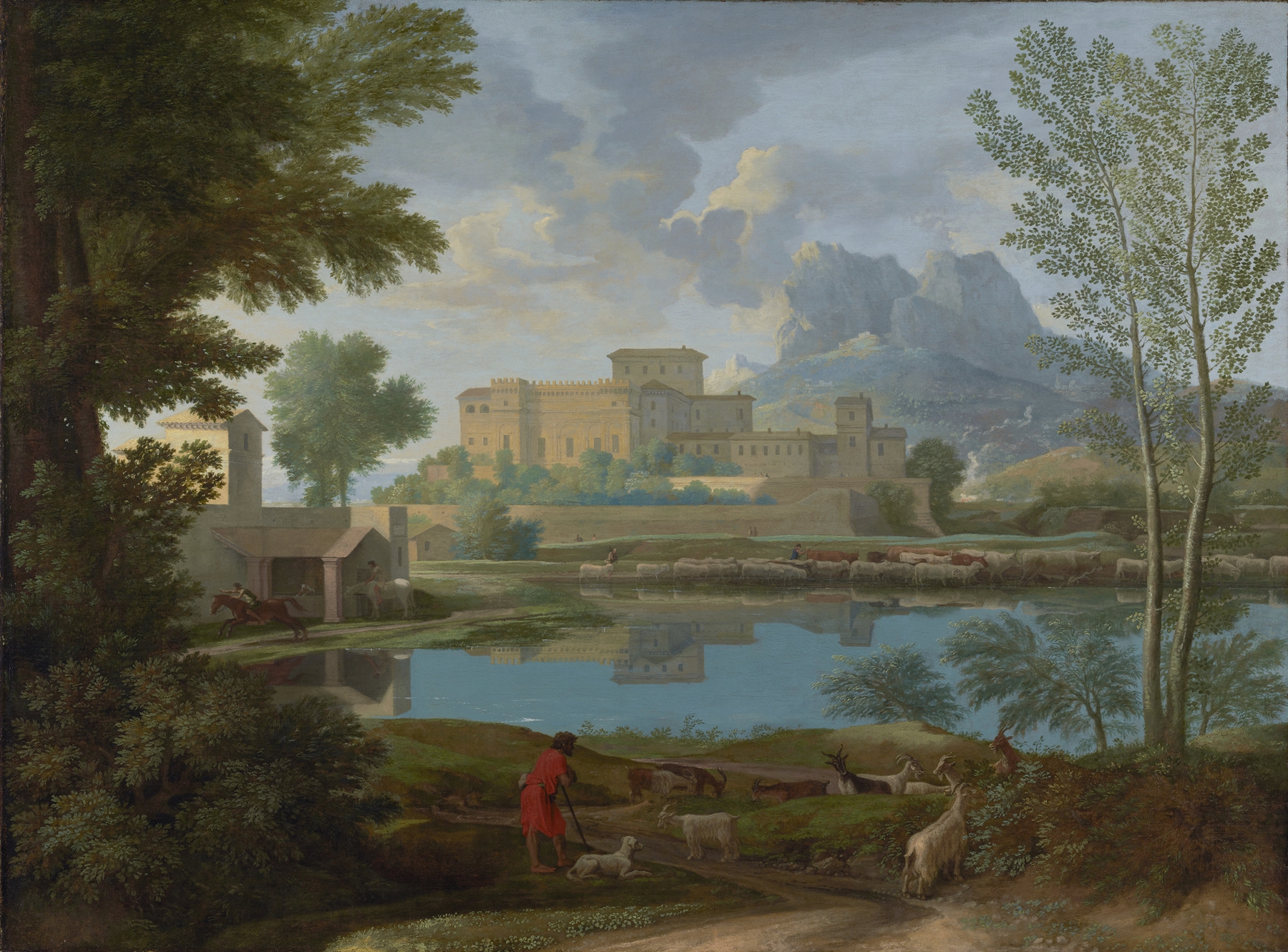
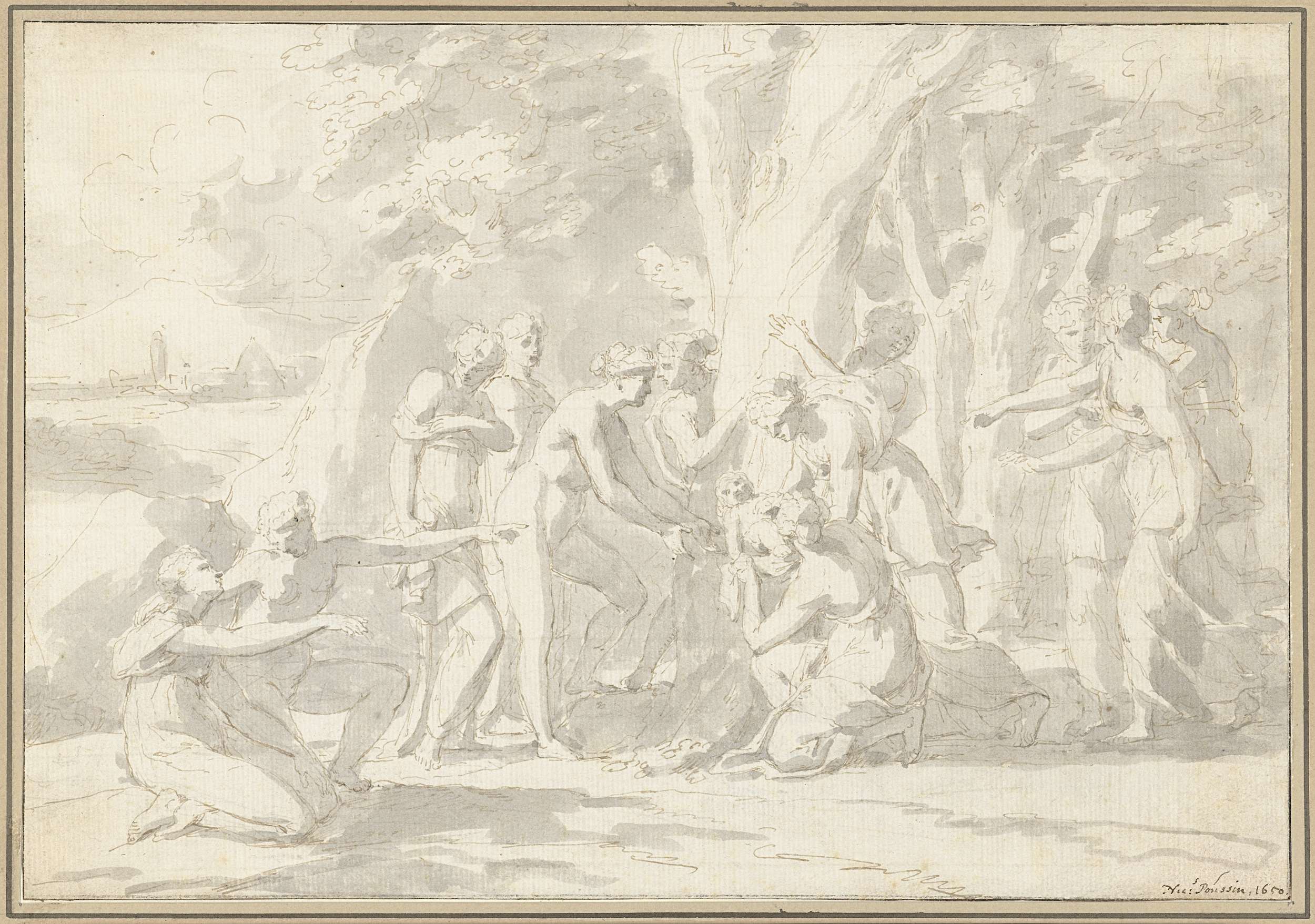
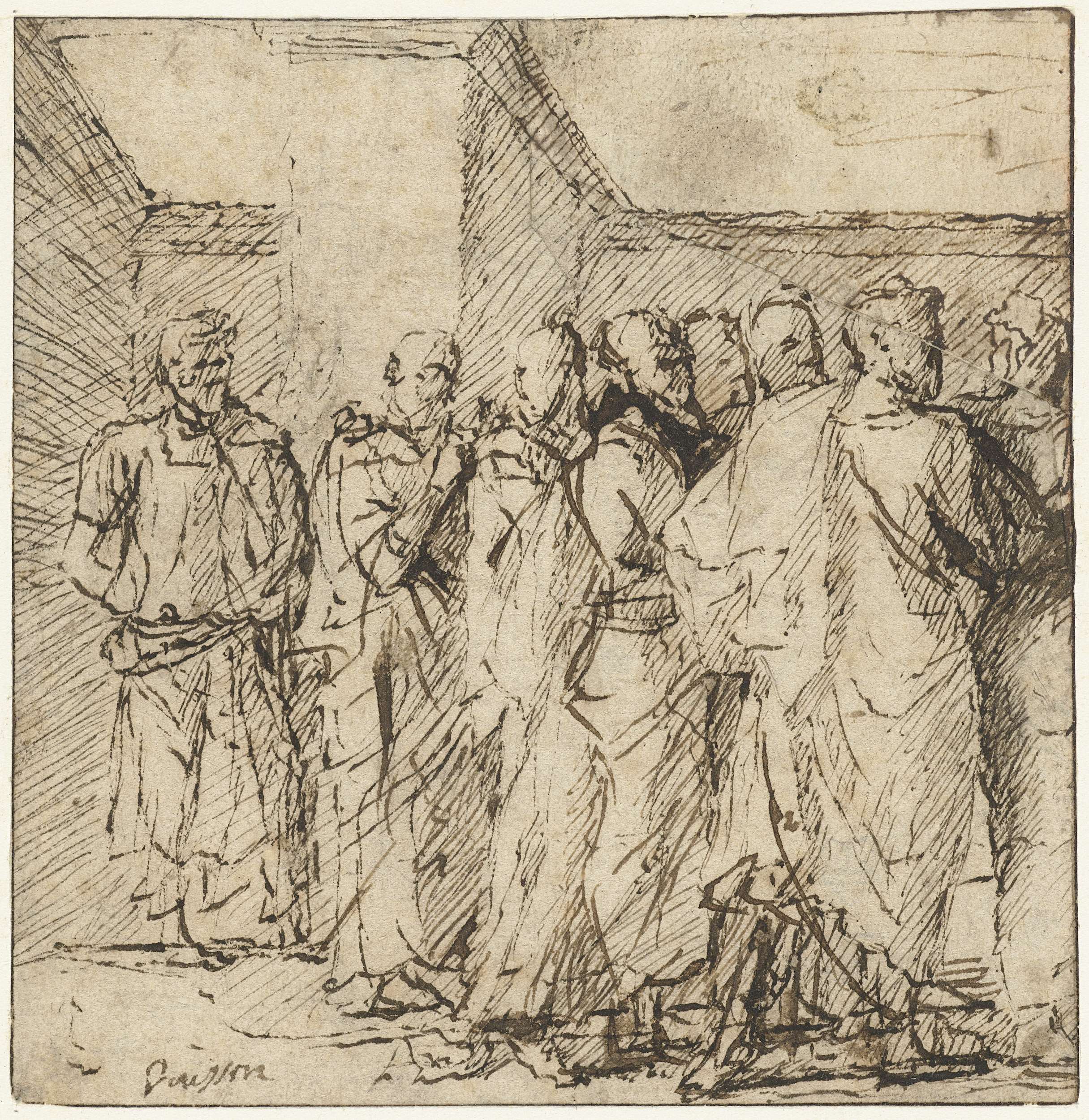
“The canvas doesn’t lie — it simply waits.” In the silent world of paint and brush, truths linger, waiting to be revealed through the eyes of the observer. Focus on the central figure, embodying Justice, as she stands poised with her scales, radiating an aura of authority and balance. Notice how the light cascades over her flowing robes, illuminating the delicate textures and rich colors that Poussin masterfully applied. The rich greens and earthy tones surround her, creating a harmony that invites contemplation, while the contrasts in shadow suggest the weight of moral choices.
Delve deeper into the work, and you will uncover the layers of meaning woven into the fabric of the scene. The scales symbolize not only justice but also the precarious balance of virtue and vice. The muted background figures represent society’s moral complexities, hinting at collective struggles. Each element, from the serene expressions to the tension in the postures, conveys a narrative of ethical dilemmas, urging viewers to reflect on their own perceptions of justice.
Poussin created Allegorie van Gerechtigheid between 1637 and 1639, a period when he was establishing his reputation in Paris after returning from Rome. The Baroque movement was flourishing, with artists pushing the boundaries of emotional expression and moral themes. This painting reflects both his personal quest for clarity in artistic expression and the broader philosophical shifts in an era increasingly concerned with justice and morality.