Landscape in North Wales — History & Analysis
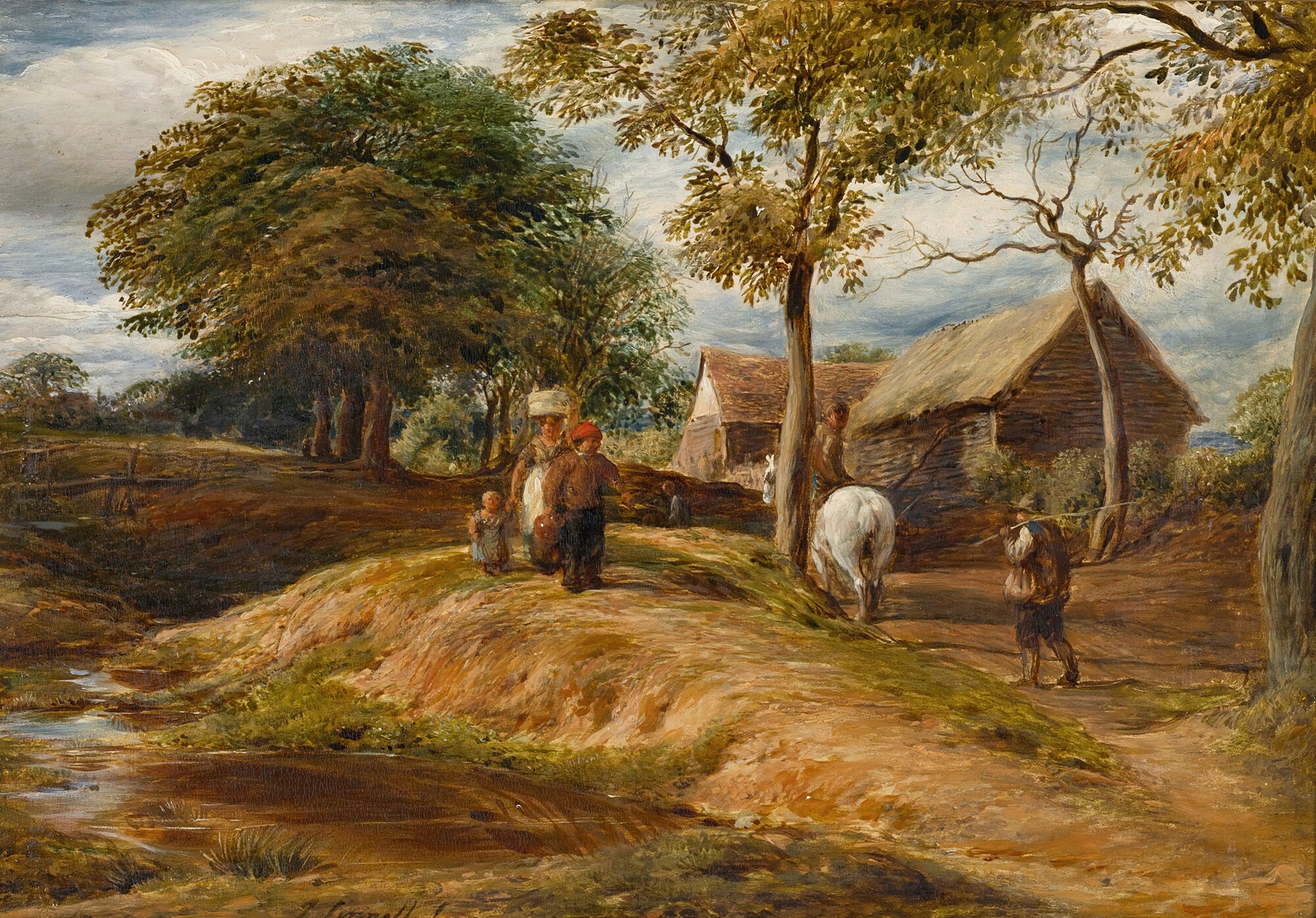
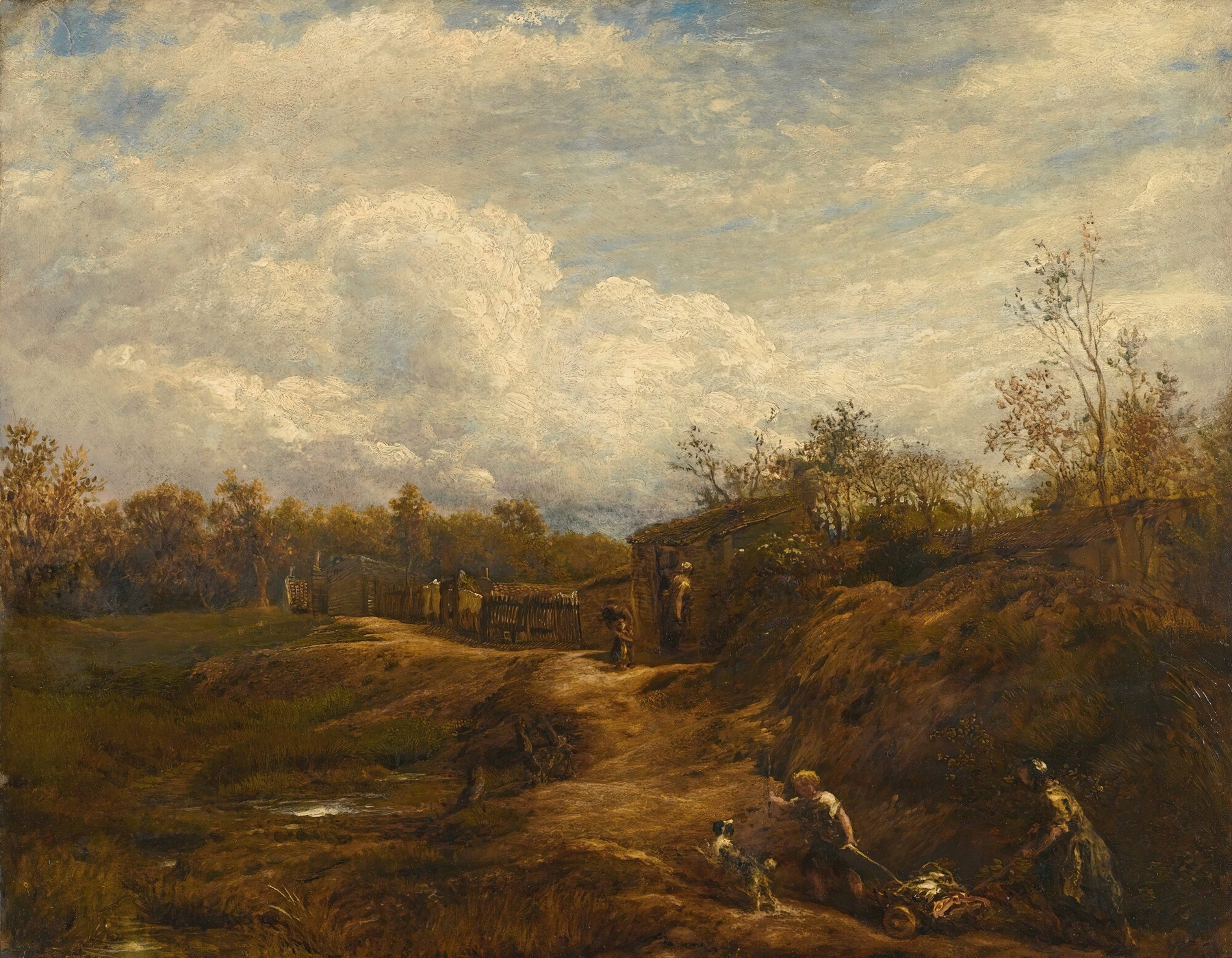
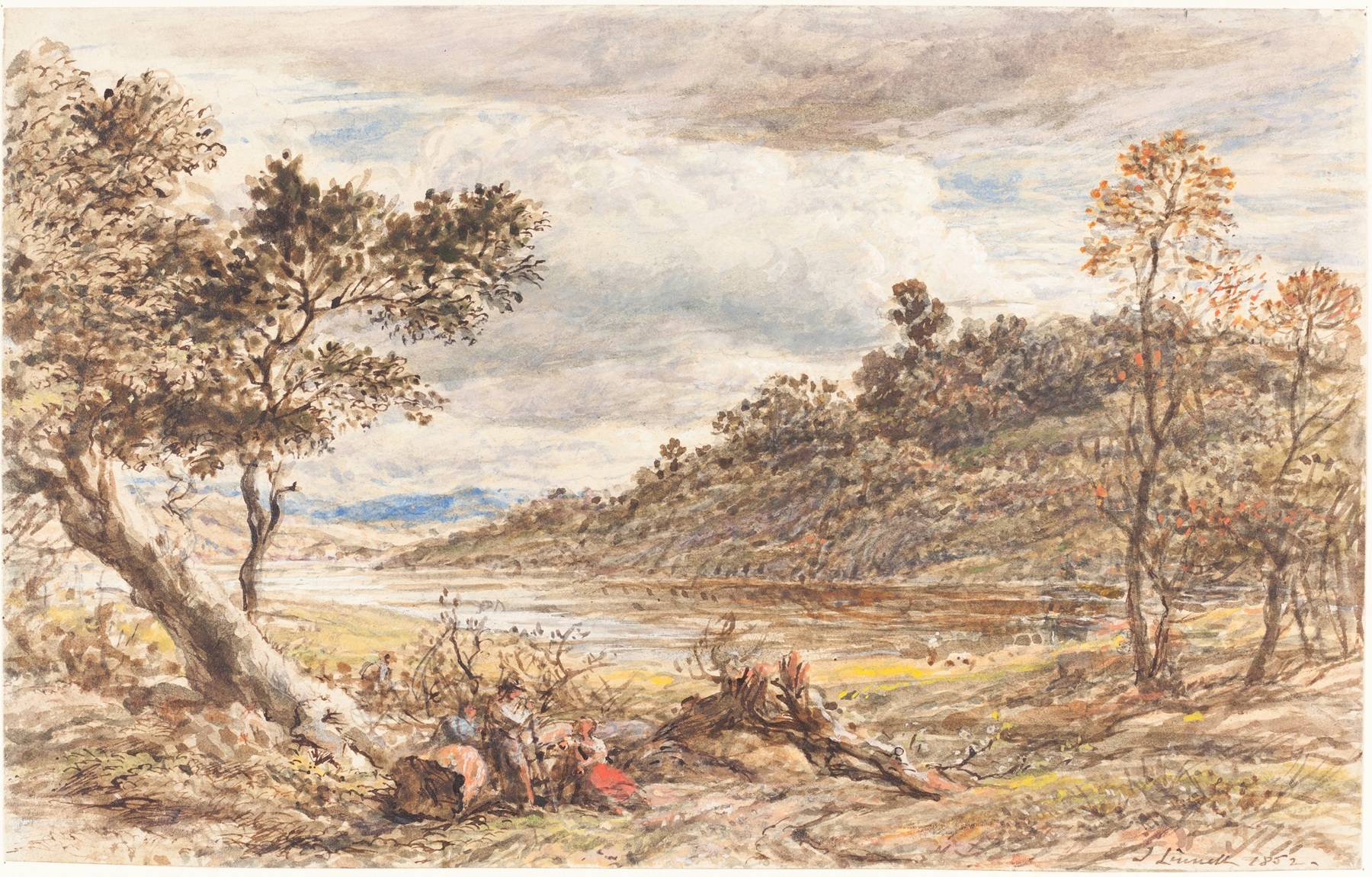
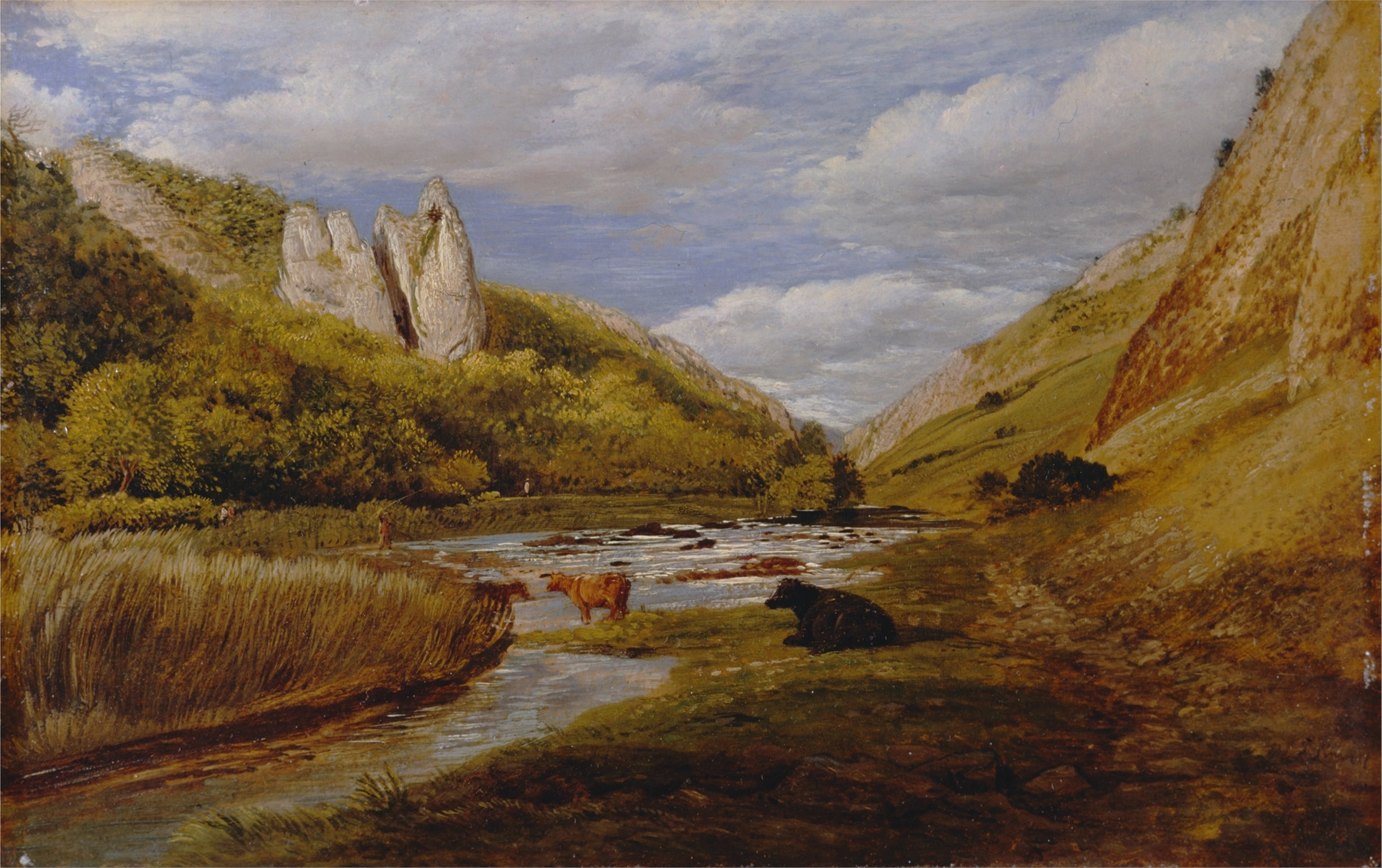
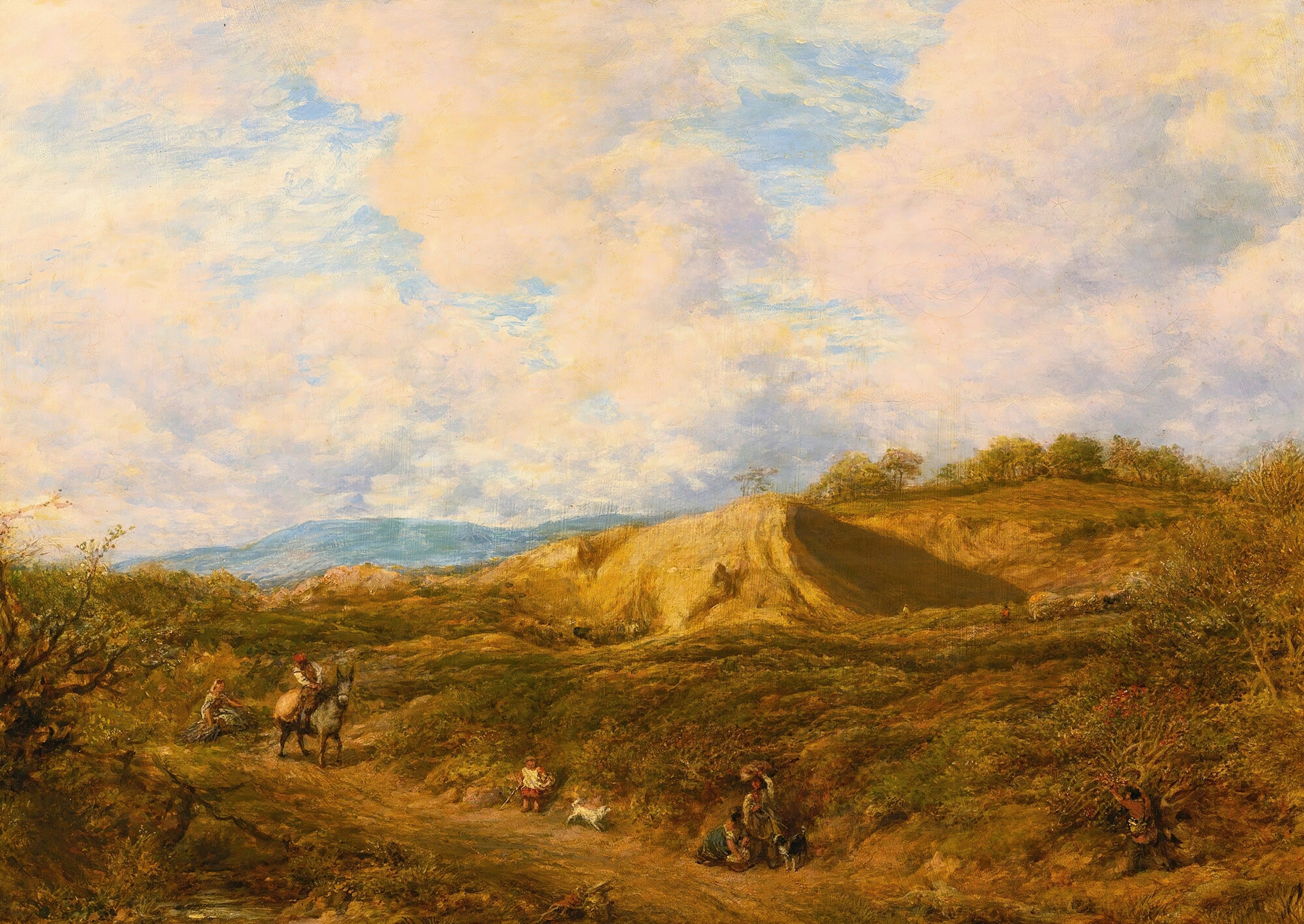
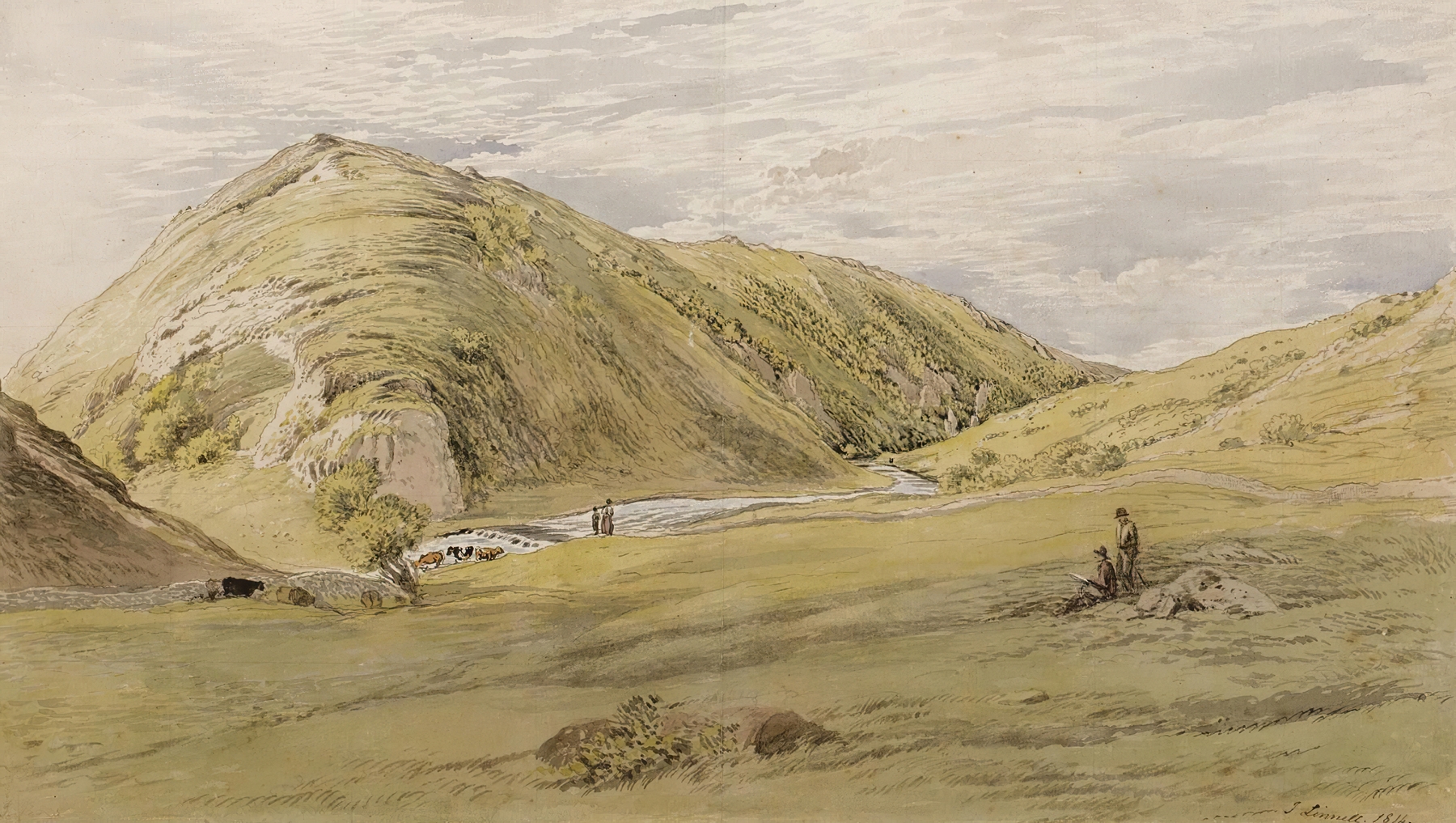
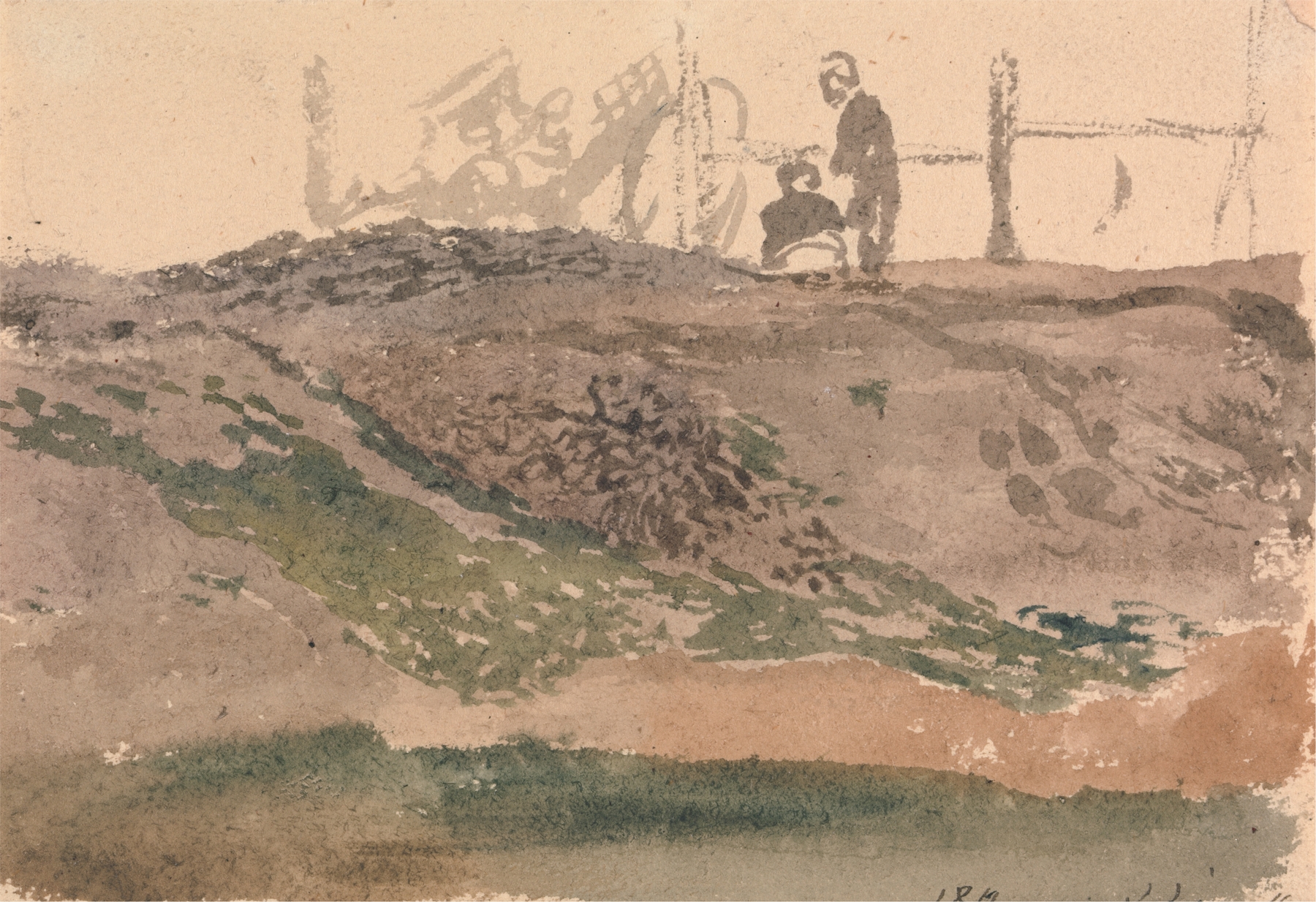
“Art reveals the soul when the world turns away.” In moments of solitude, reflection takes center stage, allowing the viewer to feel the weight of both nature and emotion within a single frame. Focus on the sweeping hills at the horizon, where verdant greens blend seamlessly into the gentle azure sky. Look closely at the interplay of light and shadow across the landscape; the sun's rays illuminate the fields while the darker hues create a sense of depth. The composition draws the eye inward, inviting contemplation and a journey through the tranquil scenery that hints at a deeper narrative.
Beneath the surface, the contrasting elements of light and shadow echo the tension between serenity and conflict. The distant mountains assert a stoic calm, yet the soft clouds above harbor a sense of impending change, suggesting an emotional undercurrent of uncertainty. Each brushstroke captures a facet of nature that resonates with the viewer's own life, prompting reflection on both the permanence of the landscape and the transience of human experience.
John Linnell painted Landscape in North Wales in 1813 while residing in the vibrant artistic community of London, amidst the rise of Romanticism. During this time, artists sought to express deeper emotional truths through nature, capturing the sublime in everyday scenes. Linnell, influenced by his contemporaries, was exploring the relationship between man and the natural world, working to convey the profound beauty and complexity of life through his landscapes.