An Old Chateau — History & Analysis
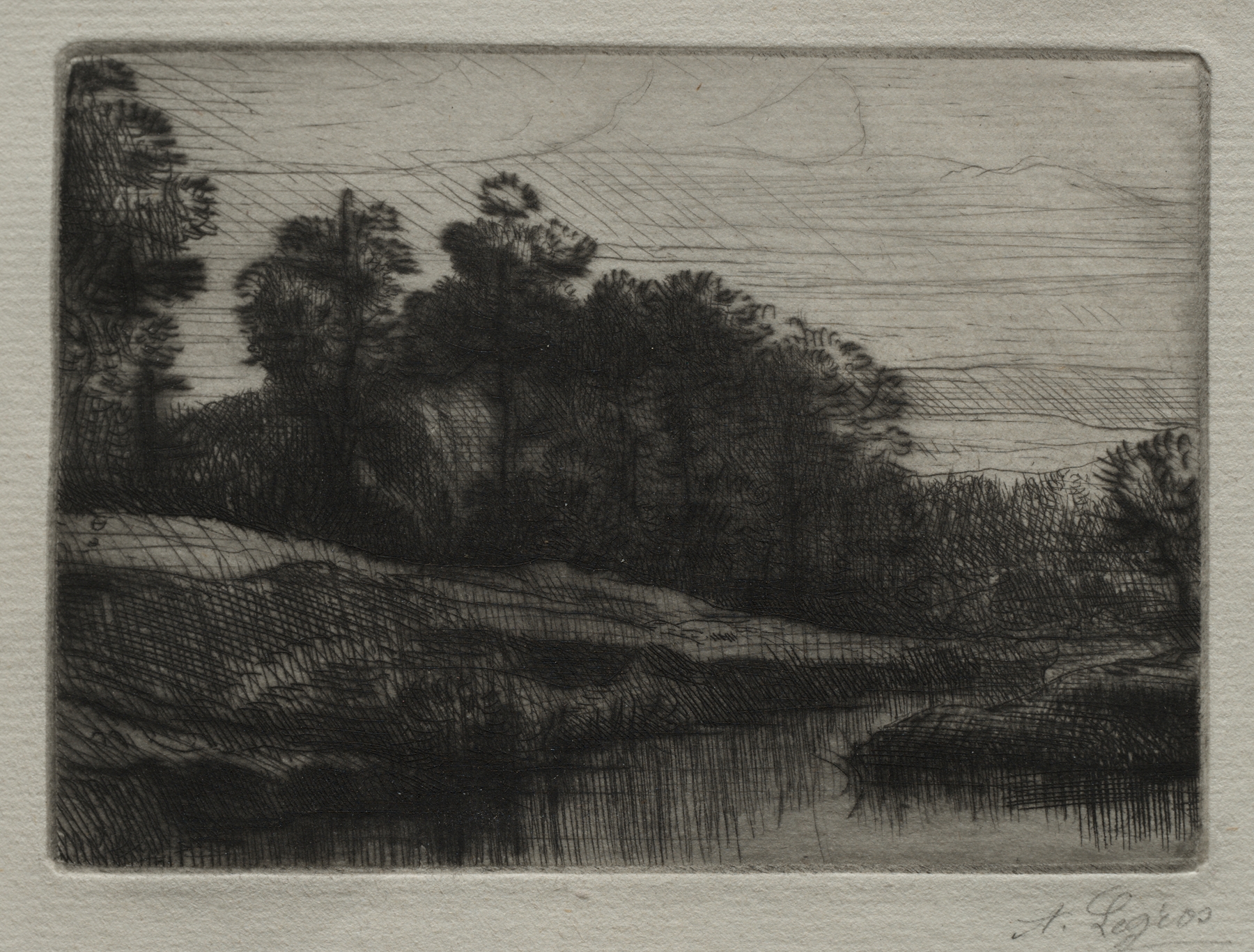
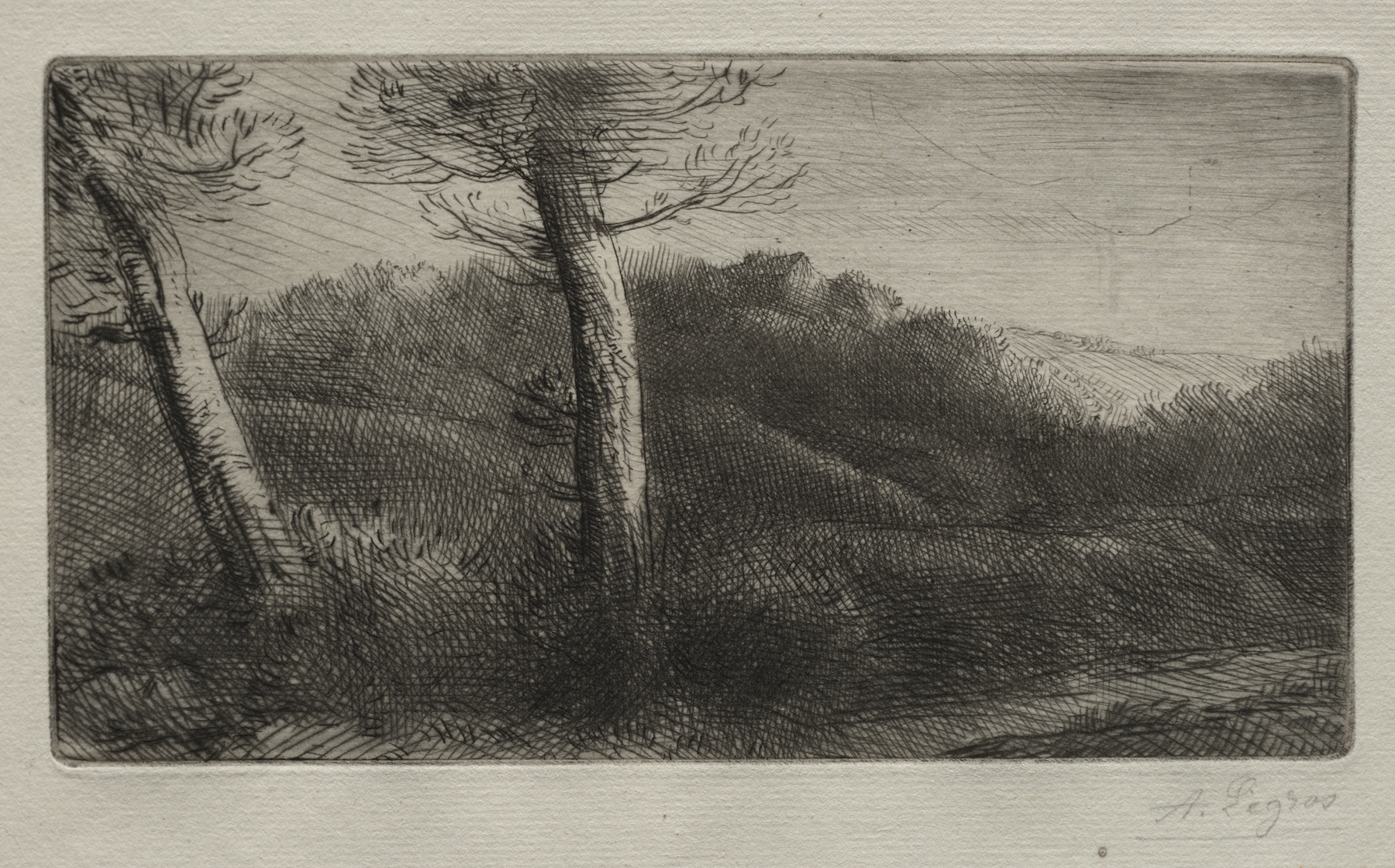
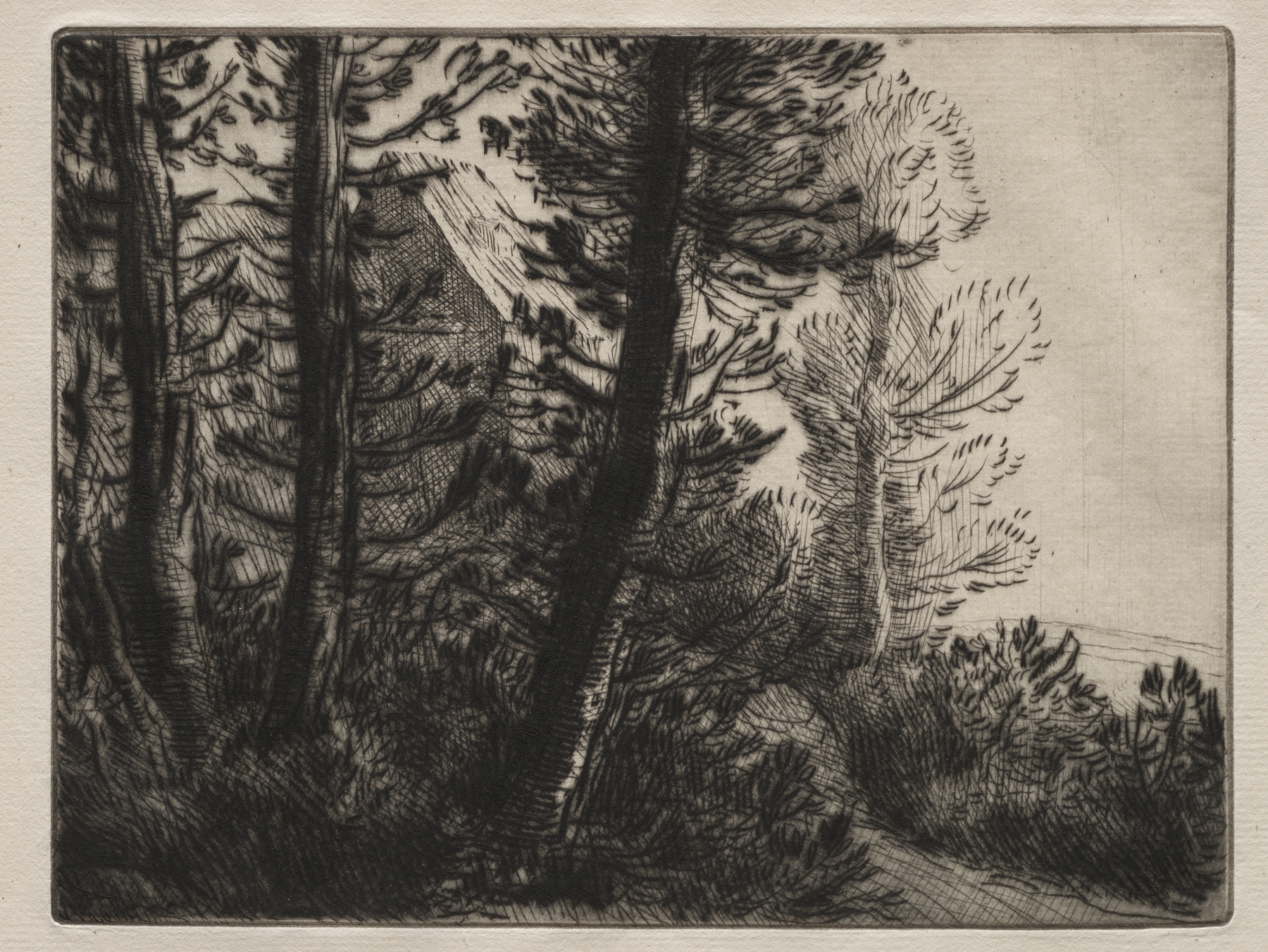
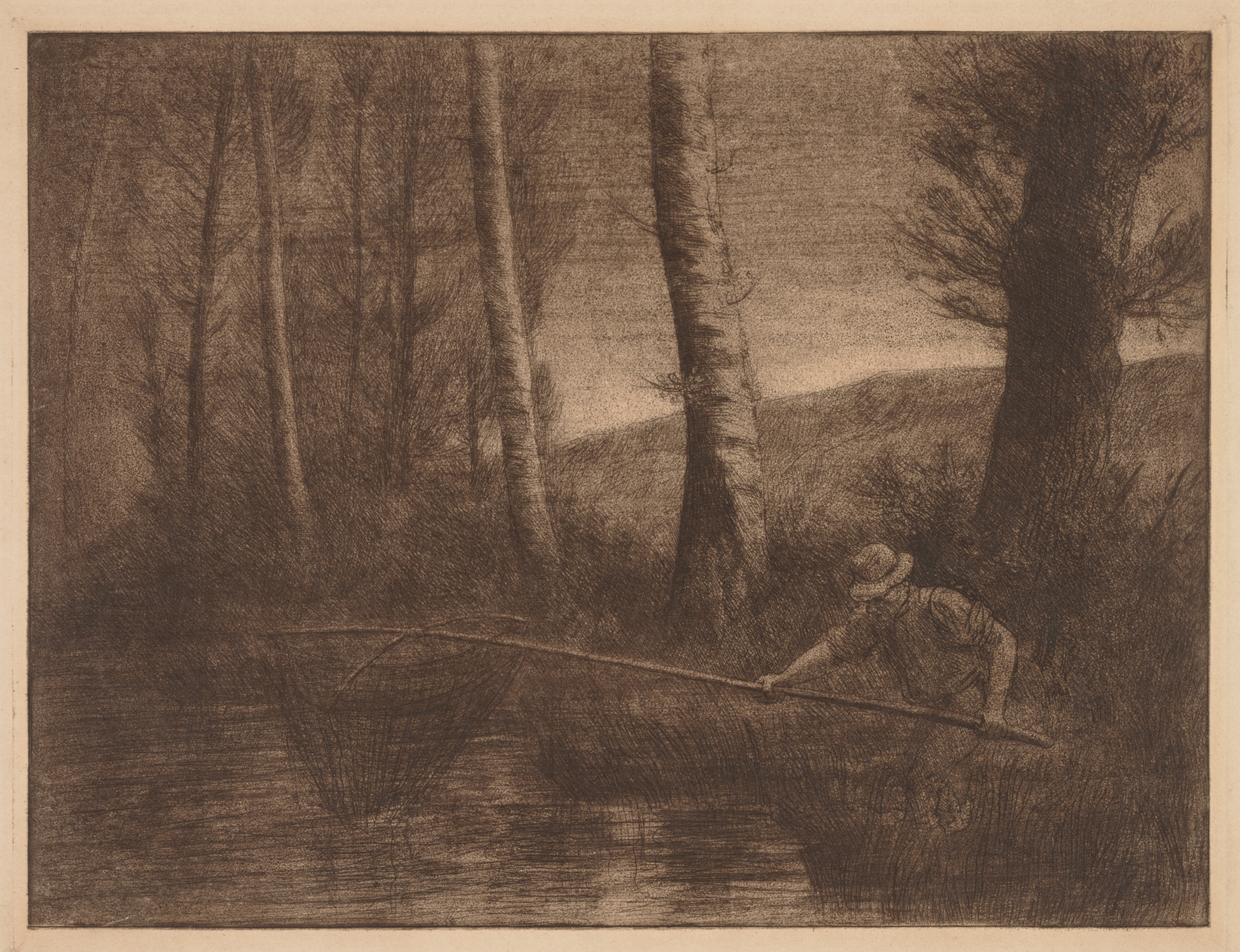
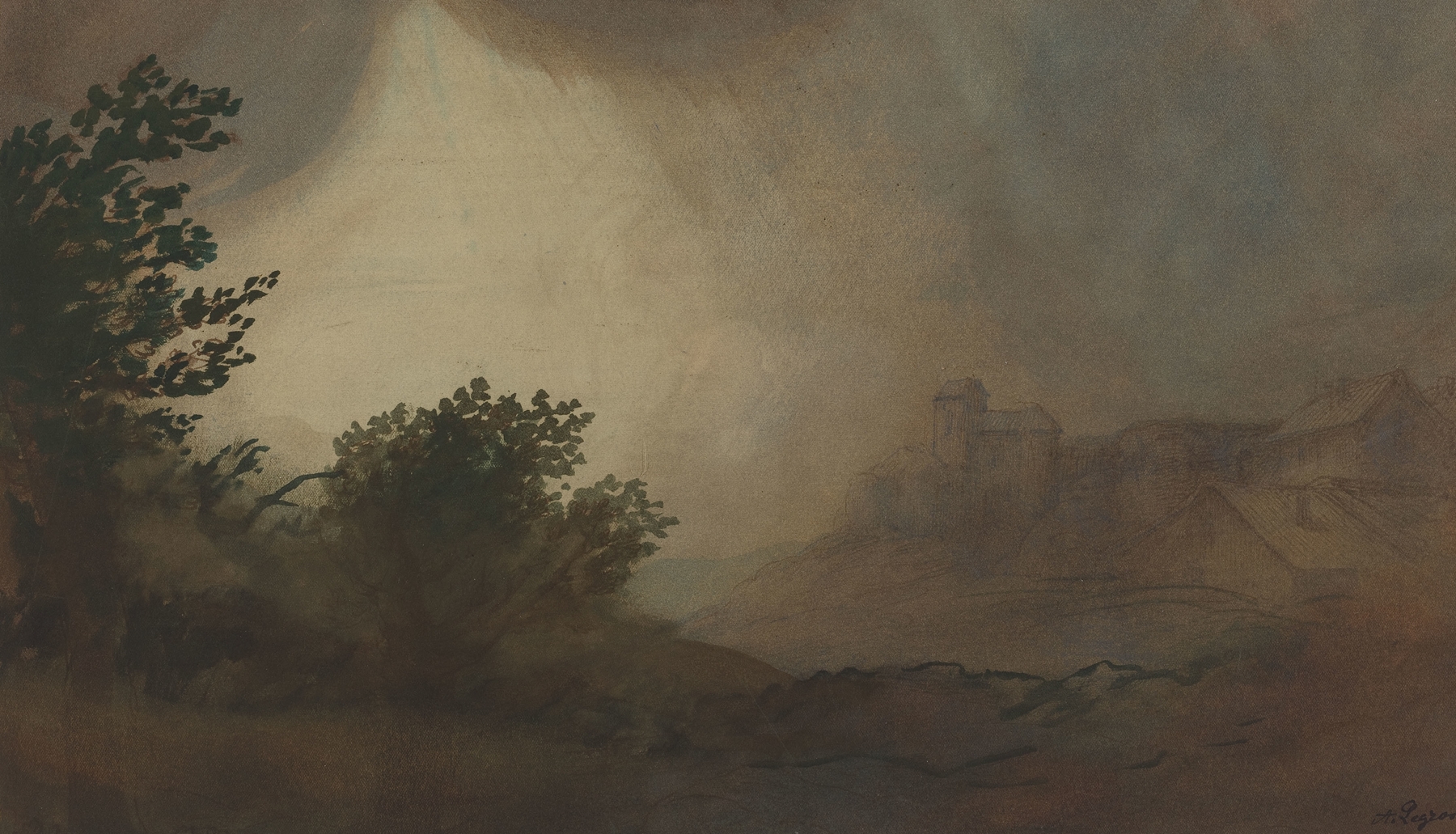
“To paint is to remember what time wants us to forget.” In the quiet recesses of our dreams, memories of forgotten places linger, whispering their stories. An Old Chateau beckons us to step into a world suspended between reality and reverie, where time drifts like a fading echo. Look to the center of the canvas, where a crumbling stone façade emerges from a veil of mist. The muted palette, dominated by earthy browns and soft grays, invites the eye to explore the intricacies of decay.
Notice how the light, diffused and elusive, bathes the architecture, casting shadows that dance across the aged walls, hinting at lives once lived. This interplay of light and texture lends the scene a palpable sense of nostalgia, urging us to contemplate the beauty found in impermanence. A subtle tension exists between the chateau's solid presence and its surrounding ambiguity. The stark contrast between the enduring stone and the ephemeral mist evokes a longing for the past, while the empty windows suggest a haunting absence.
This duality encapsulates the haunting essence of memory—a space where joy and sorrow coexist, reminding us that even in fading glory, there is a profound elegance in what remains. Created during a period when Legros explored themes of memory and the passage of time, this work reflects his fascination with the remnants of history. Painted sometime between 1857 and 1911, the artist was deeply engaged in the Symbolist movement, where he sought to convey emotional truths through his art in an era marked by rapid change and industrialization. In capturing this old chateau, he invites us to ponder the echoes of the past that continue to shape our present.