Arcadian Landscape with Figures — History & Analysis
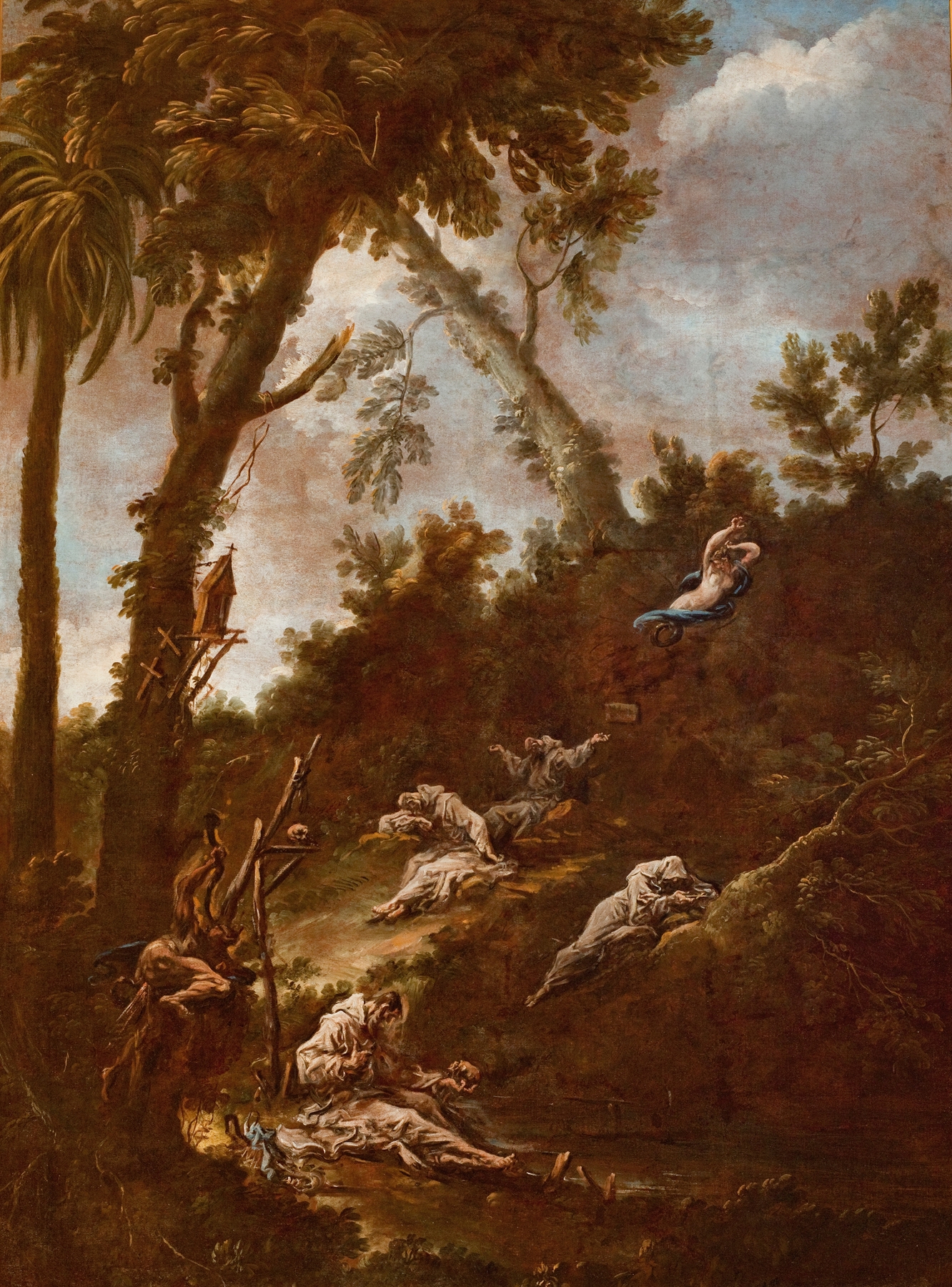
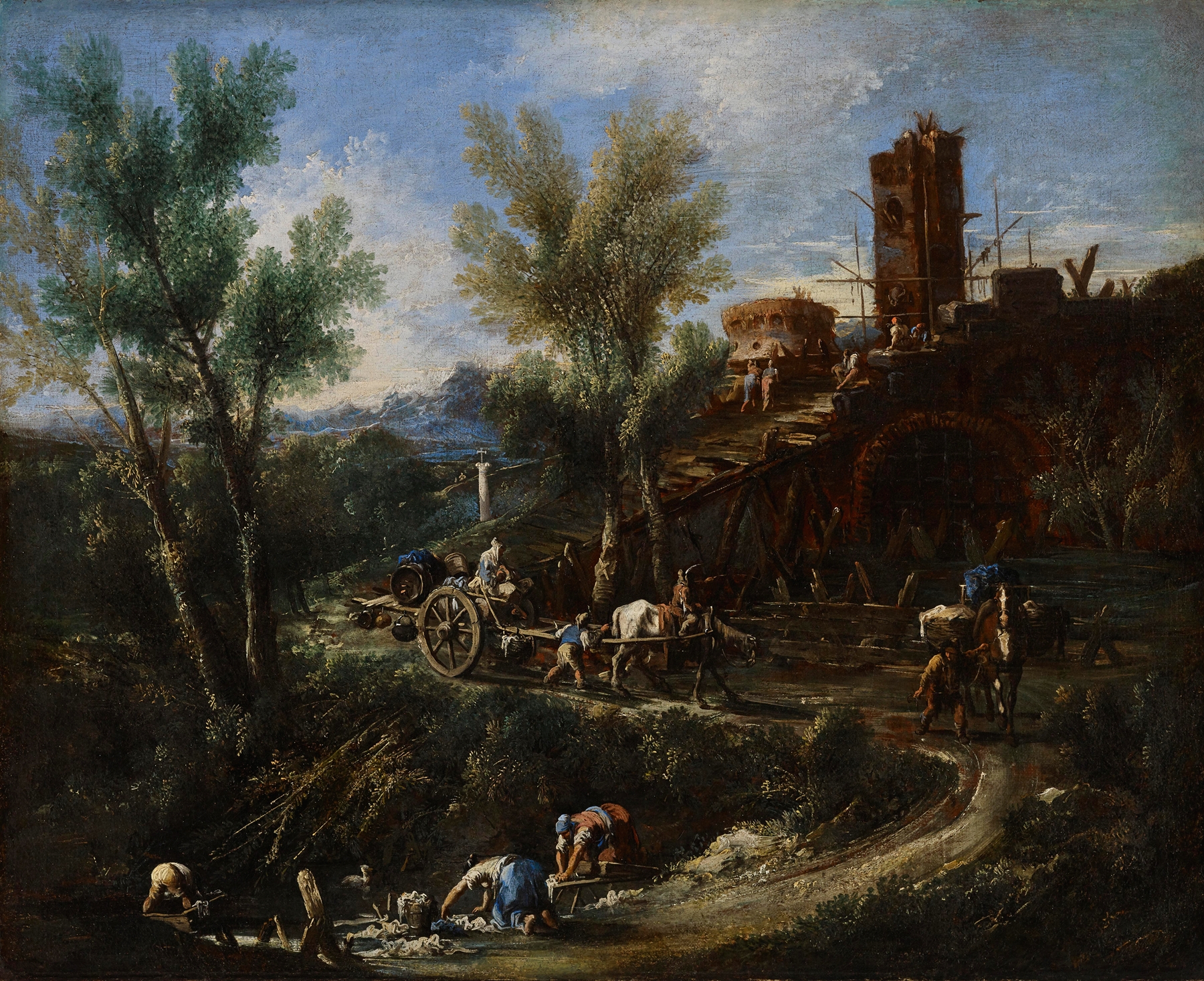
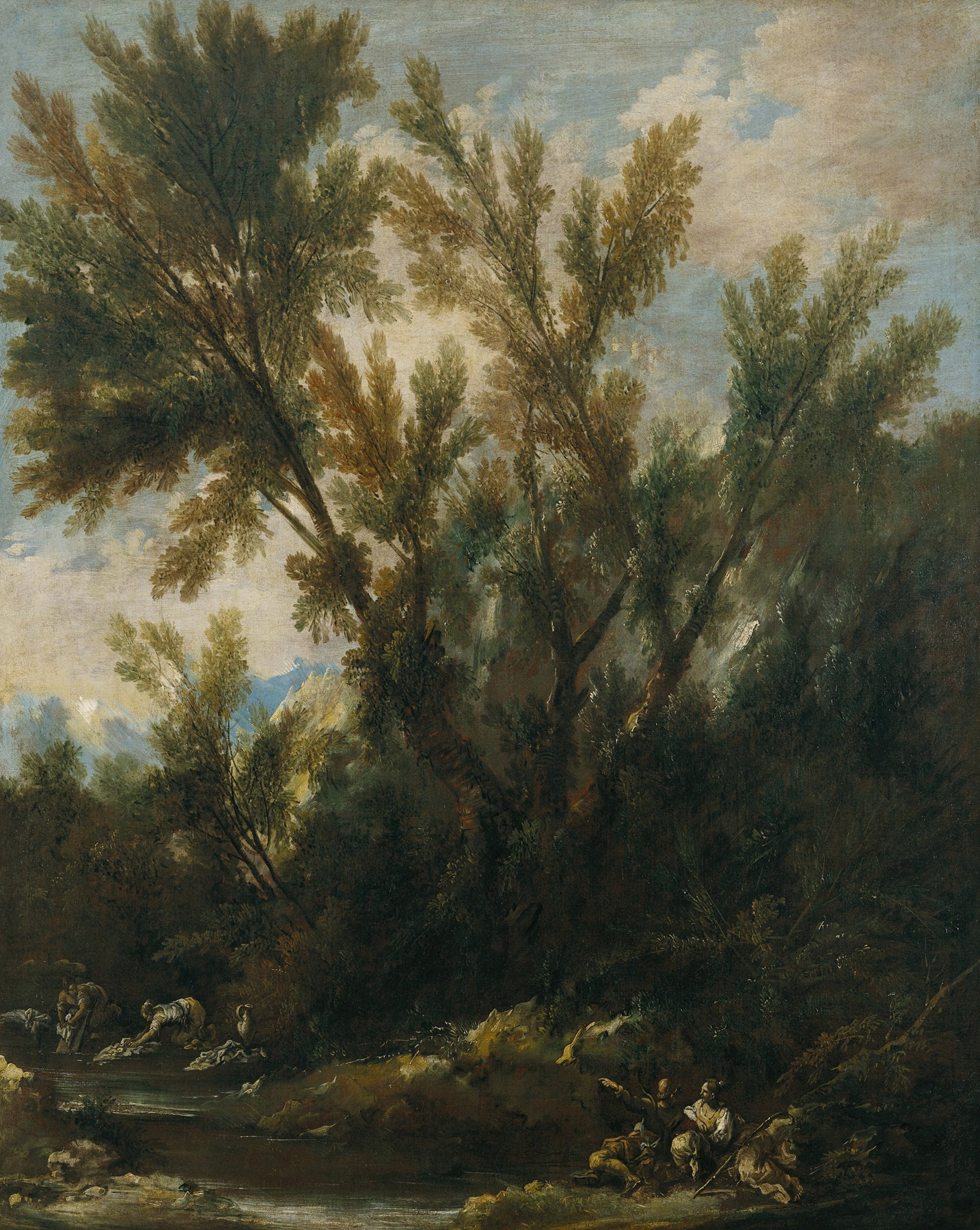
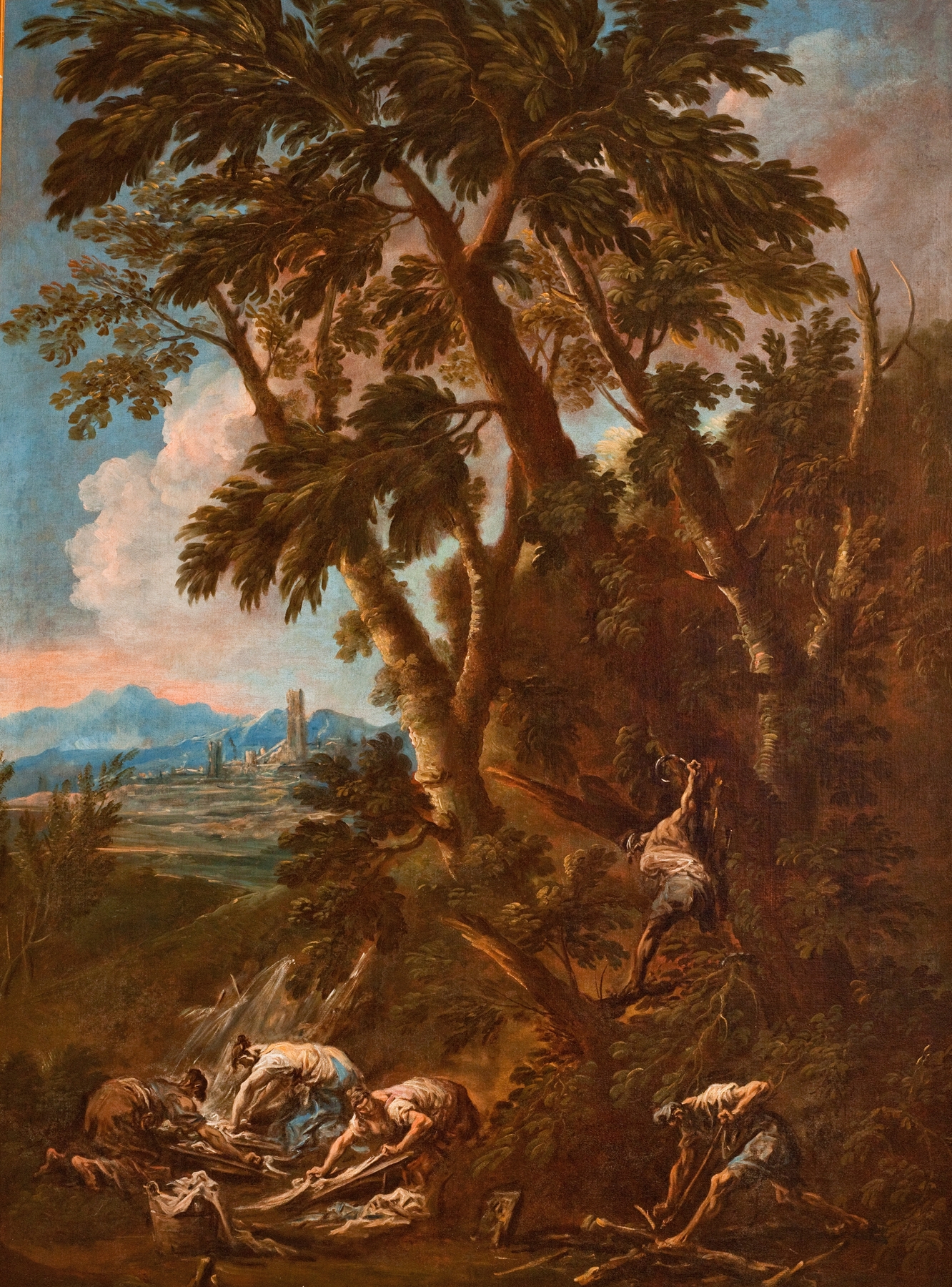
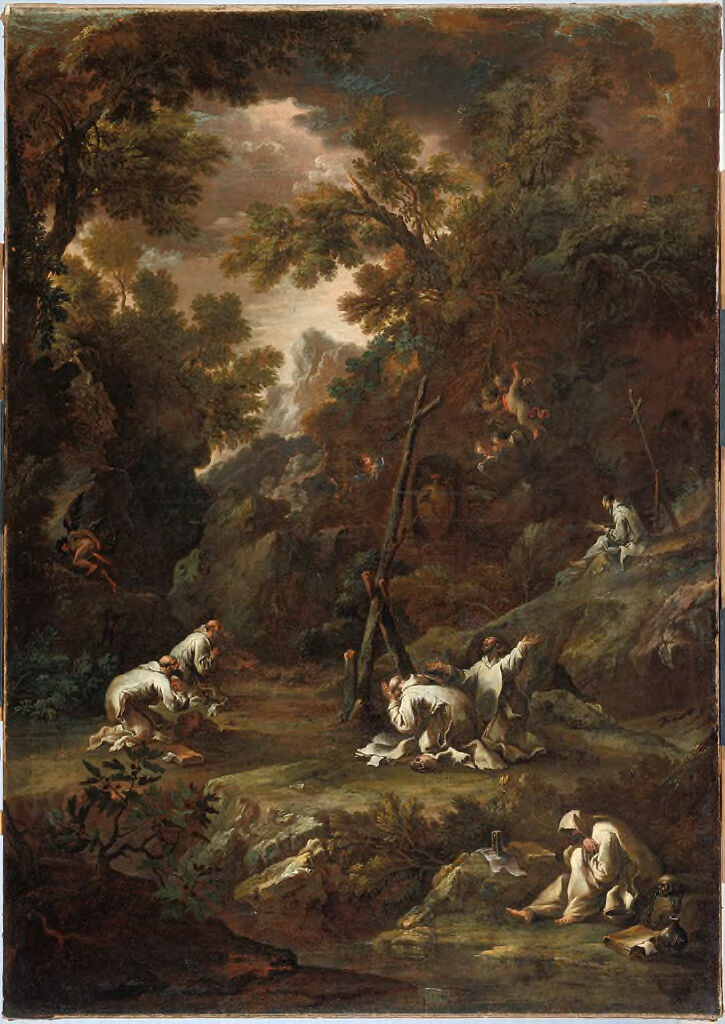
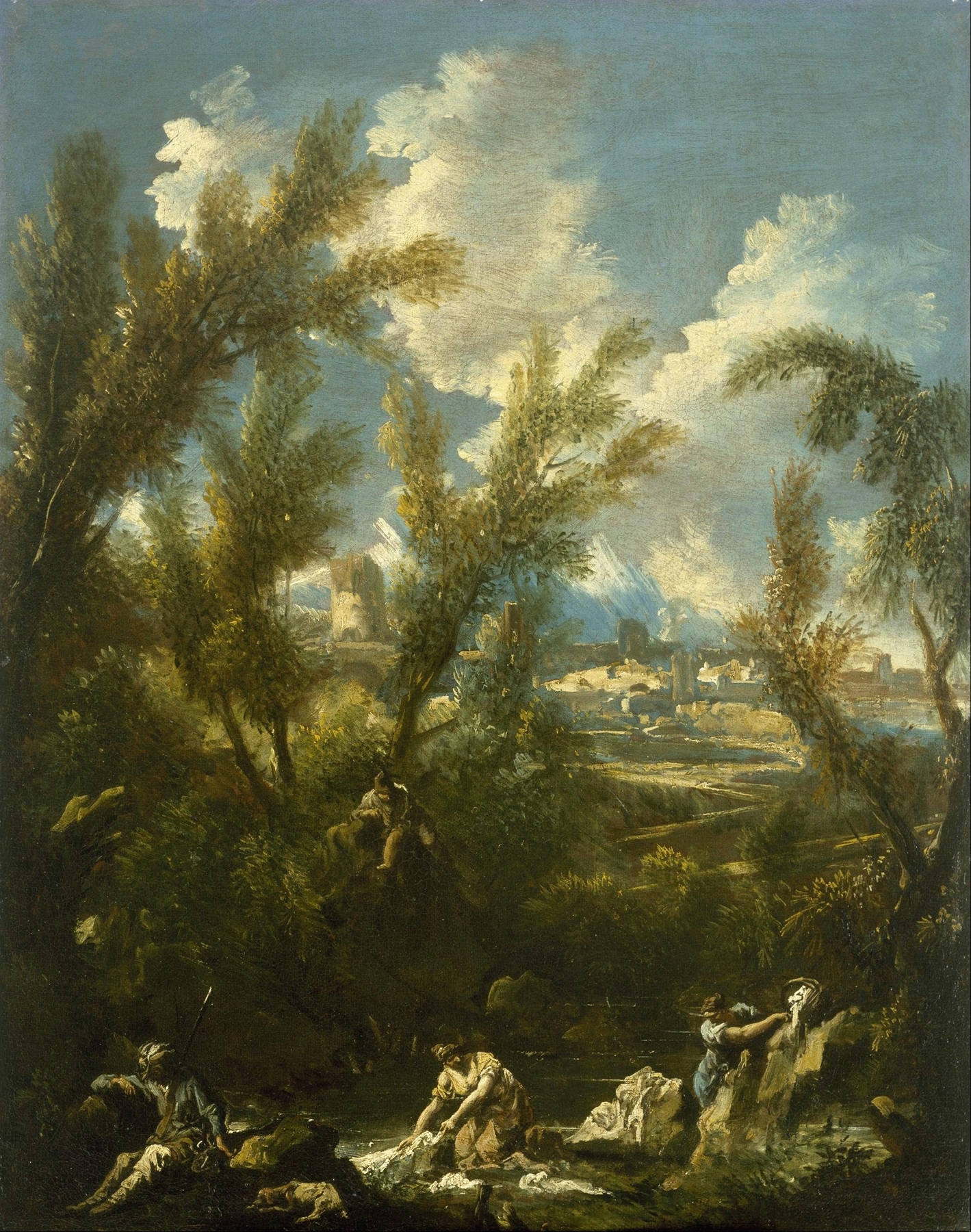
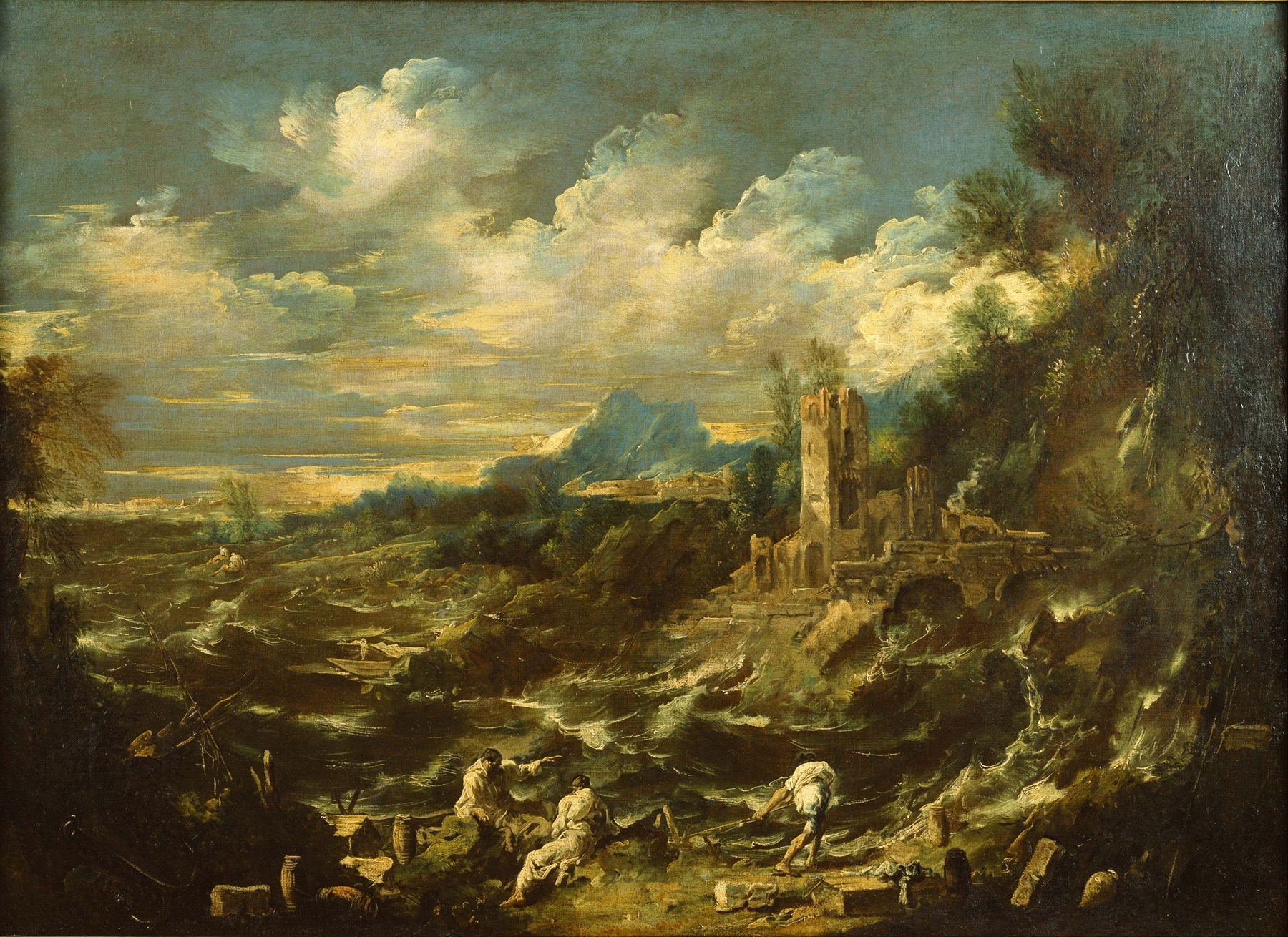
“Art reveals the soul when the world turns away.” In a tranquil embrace of nature, beauty breathes life into the canvas, inviting the viewer into a realm of awe. This painting captures a moment where the extraordinary collides with the ordinary, showcasing the power of art to transcend time and space. Look to the left at the gentle undulations of the rolling hills, where vibrant greens and earthy browns meld into a serene backdrop. The figures, adorned in period garments, traverse the landscape, their postures and gestures conveying a sense of harmony with their surroundings.
Notice how the light dances across the scene, illuminating the foliage while casting soft shadows that hint at the fleeting nature of this idyllic moment captured in time. At first glance, one might see merely a picturesque view; however, deeper scrutiny reveals layers of meaning. The juxtaposition of the joyful figures against the vastness of the landscape speaks to humanity's relationship with nature — life flourishing within its expanse, yet also highlighting the ephemeral nature of such bliss. Each figure, though alive with motion, seems to exist in a delicate balance, reflecting a collective awe that whispers of their shared experience with the sublime.
Alessandro Magnasco created this work around 1700, during a period when the Baroque style was waning, and Rococo ideas were beginning to take hold. Living in Italy, he was influenced by the shifting artistic currents of the time, embracing a more emotional approach to landscape painting. This piece stands as a testament to his sensitivity toward the human spirit and the natural beauty surrounding it amidst an evolving art world.