Monastic Vision — History & Analysis
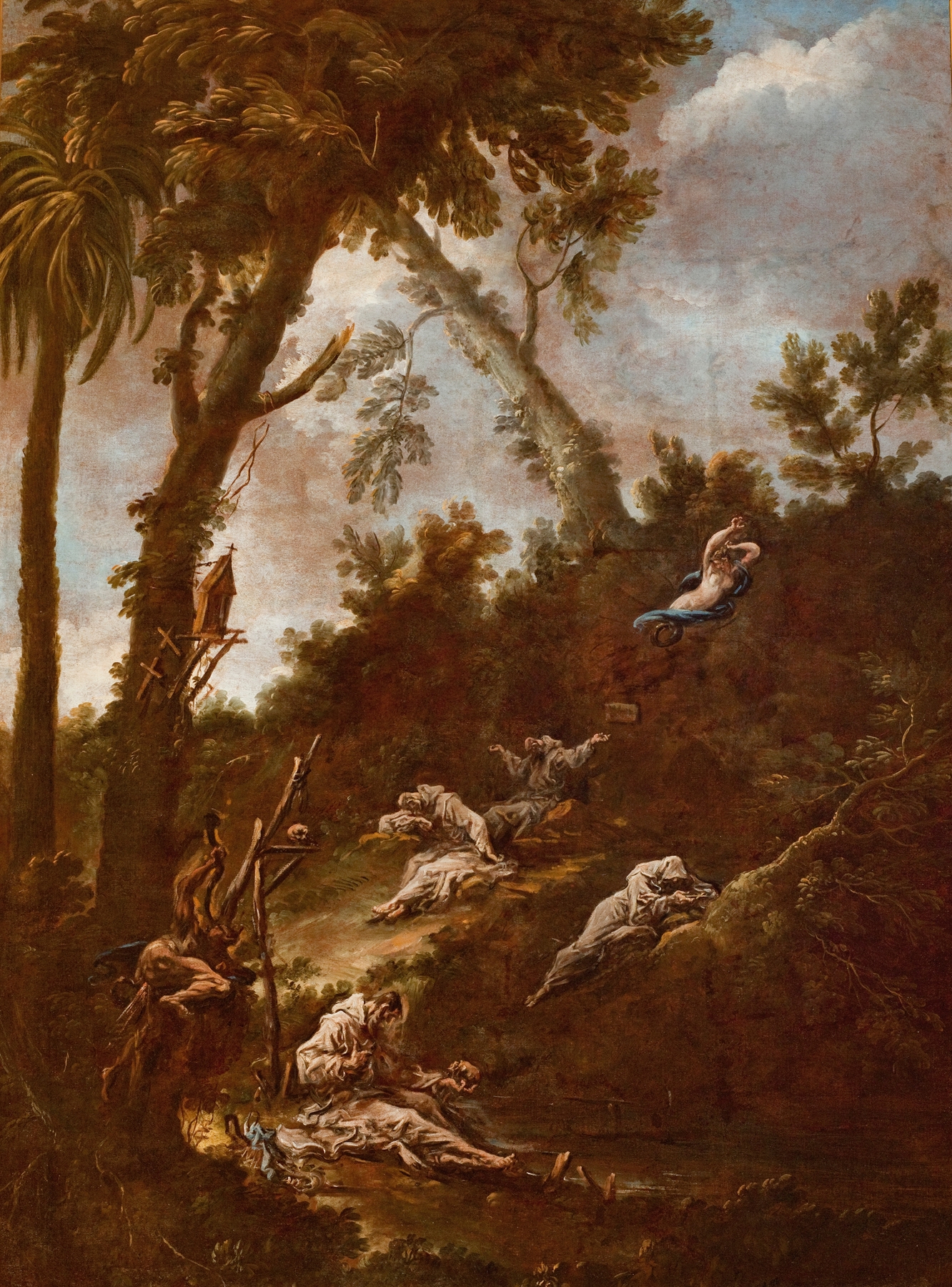
Who listens when art speaks of silence? In Monastic Vision, the stillness of contemplation reverberates, unveiling layers of ecstasy hidden beneath a tranquil surface. Focus on the figure at the center, draped in muted robes that flow like whispers of the past. Notice how the soft light cascades from an unseen source, illuminating the contours of the face and casting gentle shadows that suggest both solitude and divine insight.
The rich, earthy palette evokes a sense of groundedness, balancing the ethereal qualities of the piece; the viewer is drawn into a world where the sacred meets the serene. Yet within this calm lies a tension—an intricate interplay between the cloaked figure and the dim, surrounding space. The faint, flickering candlelight hints at the fragility of enlightenment while evoking the fervor that accompanies true spiritual awakening. The subtle expressions in the figure’s eyes, a blend of yearning and peace, suggest a profound moment of revelation, inviting reflection on the pursuit of transcendent experiences.
Each brushstroke seems to breathe with the ecstasy of divine connection, encouraging the viewer to ponder the nature of faith itself. During the late 17th and early 18th centuries, Alessandro Magnasco painted Monastic Vision amid a backdrop of growing Baroque intensity in art. Living and working primarily in Italy, he sought to capture the profound emotional impact of spirituality, often reflecting the broader cultural and artistic shifts of his time. His unique blending of mysticism and realism invites audiences into an intimate dialogue between the earthly and the divine.