Monks at Supper — History & Analysis
In a dimly lit room, a group of monks gathers around a modest table. Shadows dance softly across their faces as flickering candlelight creates a warm yet somber atmosphere. The silence is palpable, thick with contemplation and unvoiced prayers, each man absorbed in his thoughts, their gestures echoing a shared solemnity. Look to the left at the positioning of the monks; their heads bowed, hands clasped in reverence, drawing the eye into their quiet world.
Notice how the light falls upon the simple table, illuminating the humble meal set before them. The palette of muted browns and deep ochres reflects not only the austere lifestyle but also the emotional weight of the scene, drawing attention to the contrasting elements of light and shadow that emphasize their devotion. Delve deeper into the painting's emotional nuances—the tension between the simplicity of their meal and the gravity of their purpose. The juxtaposition of their plain garments against the rich textures of the tablecloth underscores their renunciation of worldly pleasures.
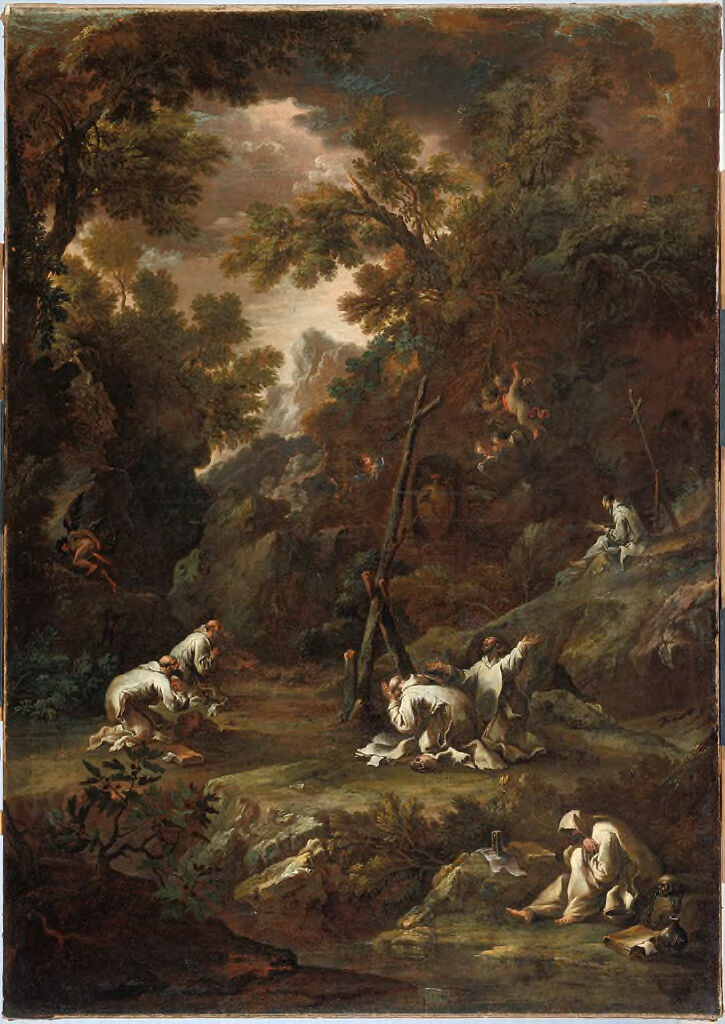
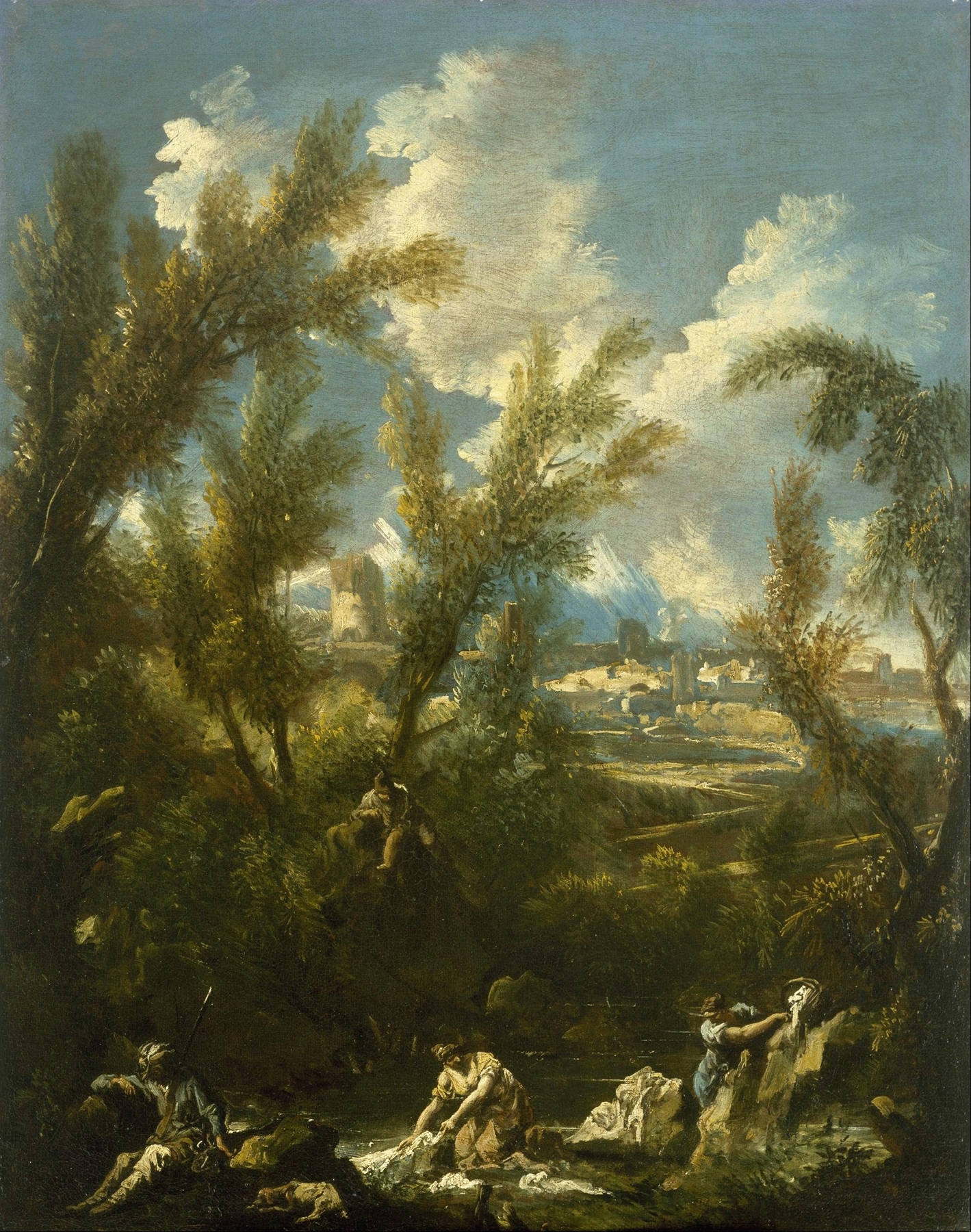
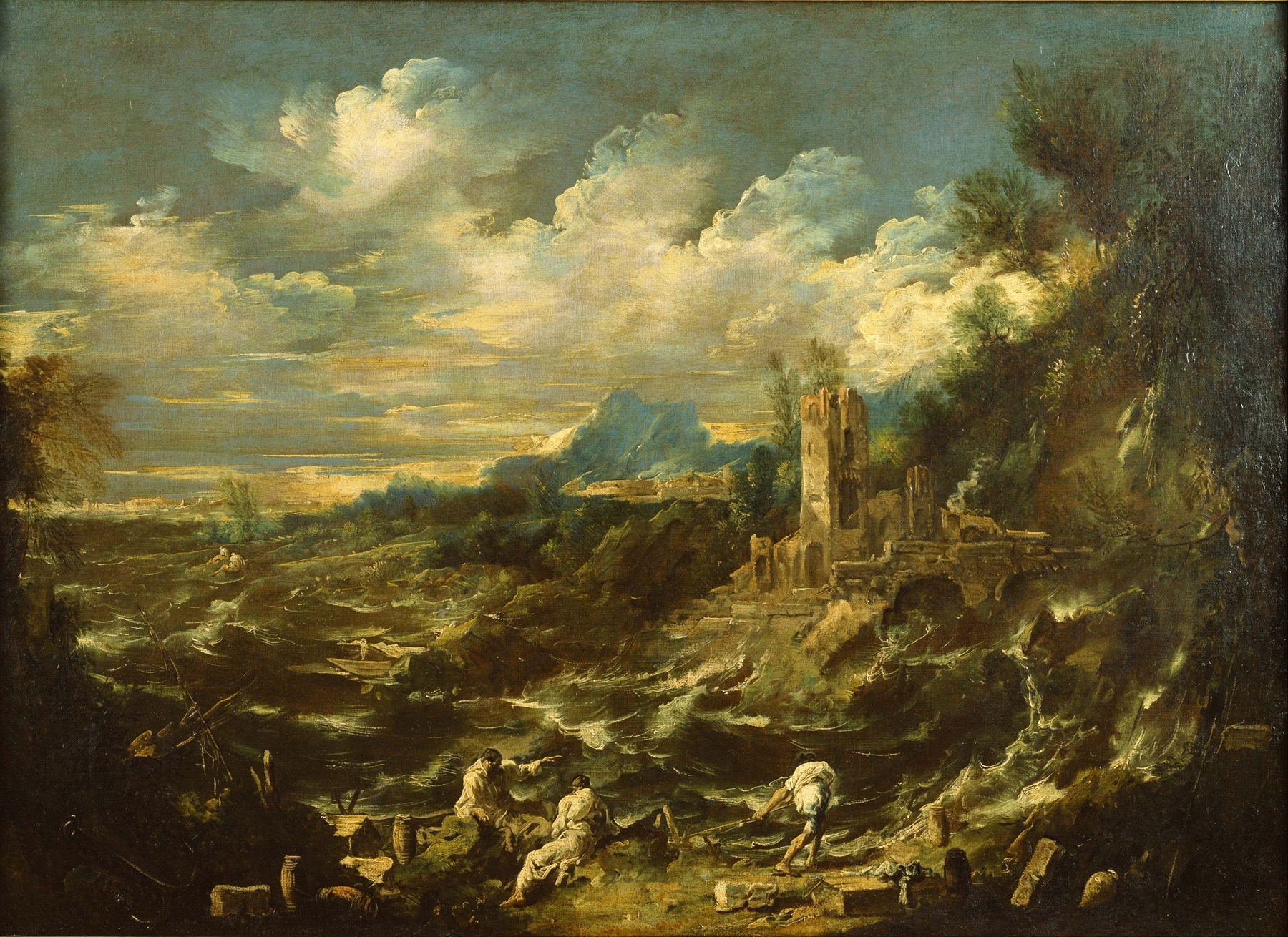
Each monk's individual expression hints at their personal struggles, making the collective silence resonate with unspoken stories of faith and sacrifice. Alessandro Magnasco created Monks at Supper around 1720, a period marked by his exploration of religious themes intertwined with the human experience. Living in Genoa, Italy, he was deeply influenced by the Baroque style while simultaneously rejecting its overt grandeur, opting instead for a more intimate portrayal of spiritual life. This painting reflects both his personal artistic evolution and the broader shift towards a more introspective approach in the world of art.