Hermits (Anachorets) — History & Analysis
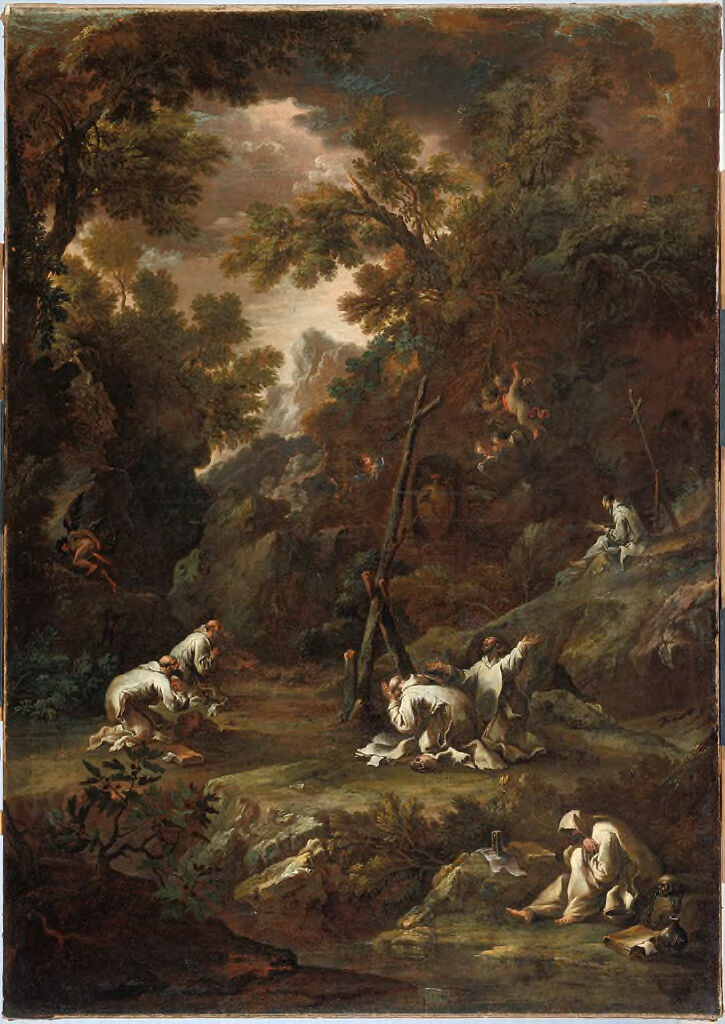
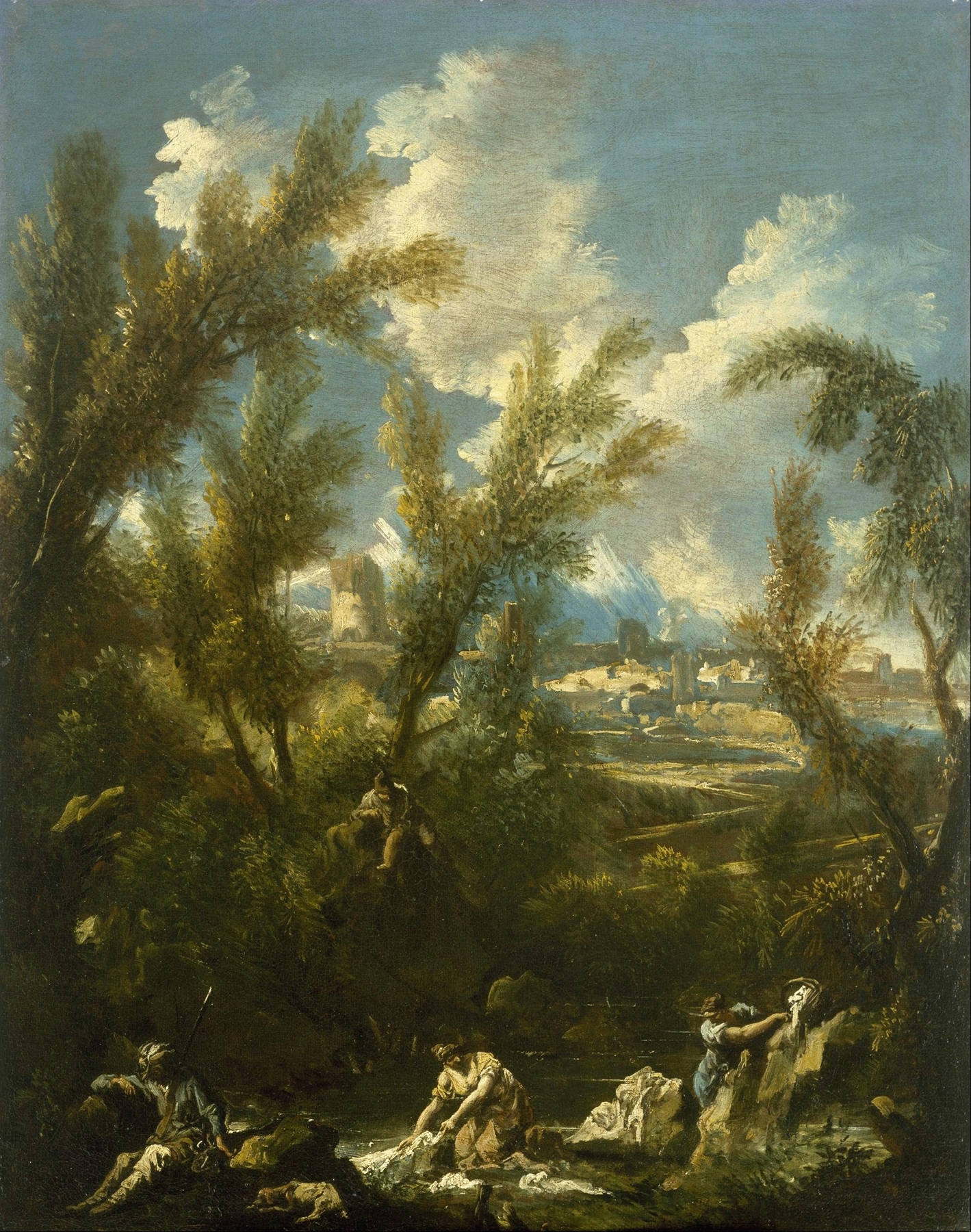
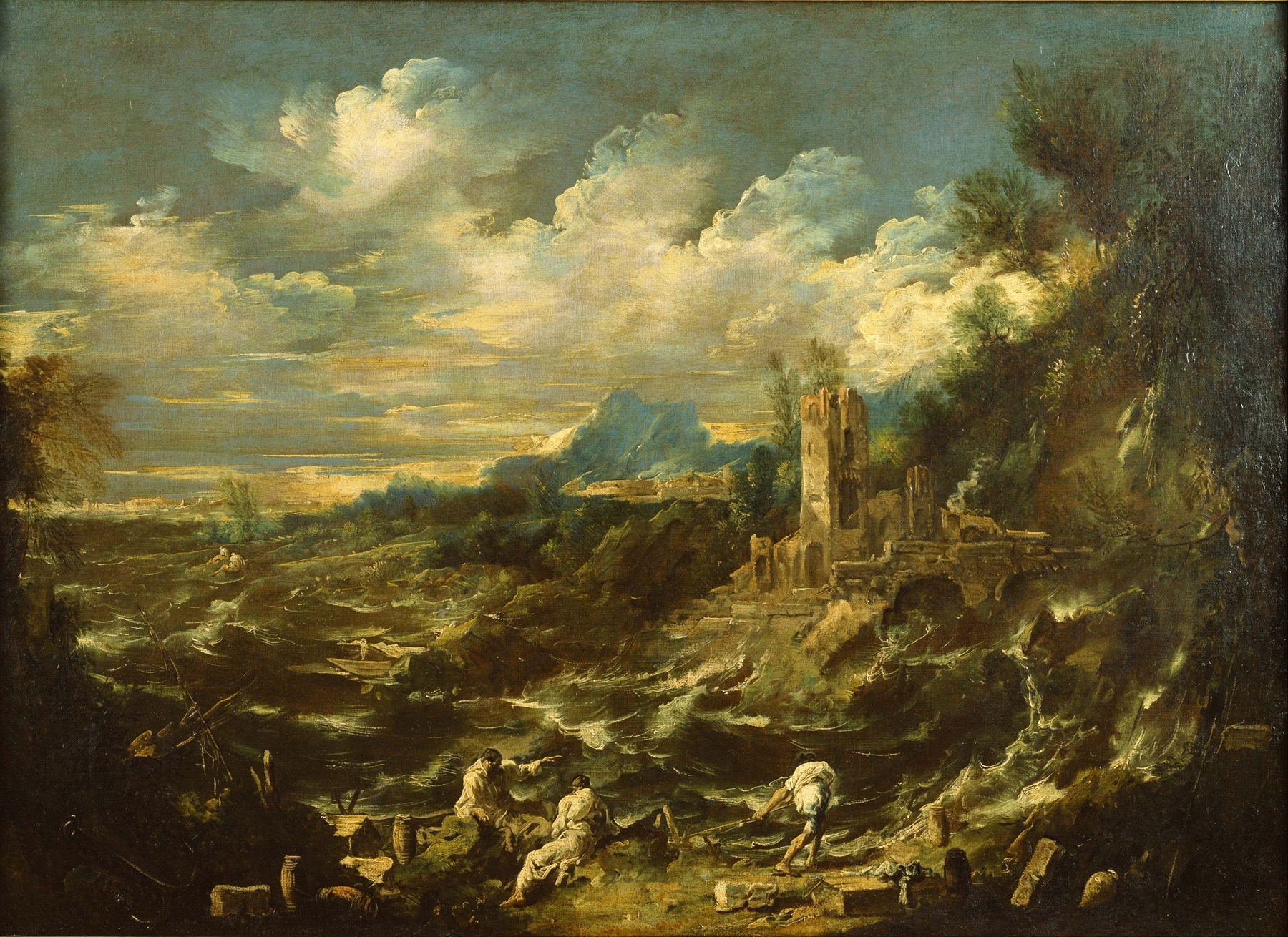
“To paint is to remember what time wants us to forget.” In a world of chaos, where silence holds its breath, the act of creation becomes a rebellion against the inevitable fade of memory. Within Hermits (Anachorets), a visceral exploration of solitude invites us to witness the tumult of the human spirit amidst the encroaching shadows of existence. Look closely to the left, where the figure of a hermit emerges from the darkness, cloaked in tattered robes that blend with the earthen palette. The deliberate strokes of gestural paint capture both movement and stillness, as if time itself momentarily suspends around him. Notice how light flickers on the surface of his skin, illuminating the strain etched across his face, while the surrounding dimness amplifies the emotional weight of his isolation.
Each brushstroke pulsates with a sense of urgency, summoning the viewer to confront the tension of inner turmoil. The juxtaposition of light and dark within the composition speaks to the duality of human experience—the struggle between despair and enlightenment. The hermit’s posture, hunched yet resolute, reflects a tumultuous inner world where faith and doubt collide. The chaotic brushwork invites us to ponder the deeper meaning of solitude: is it a retreat from society or a pursuit of truth?
Each element, from the jagged rocks to the swirling clouds, encapsulates the primal struggle of existence against the chaos that seeks to engulf it. Alessandro Magnasco painted Hermits (Anachorets) between 1712 and 1715, during a period marked by a burgeoning interest in emotive expressionism within the Baroque style. At the time, he was developing his unique approach to painting in Genoa, even as the art world began to shift towards more structured forms. This work reflects both his personal journey and the broader cultural movements of the era, embodying the tension between tradition and emotional depth in a rapidly changing landscape.