Landscape with Figures — History & Analysis
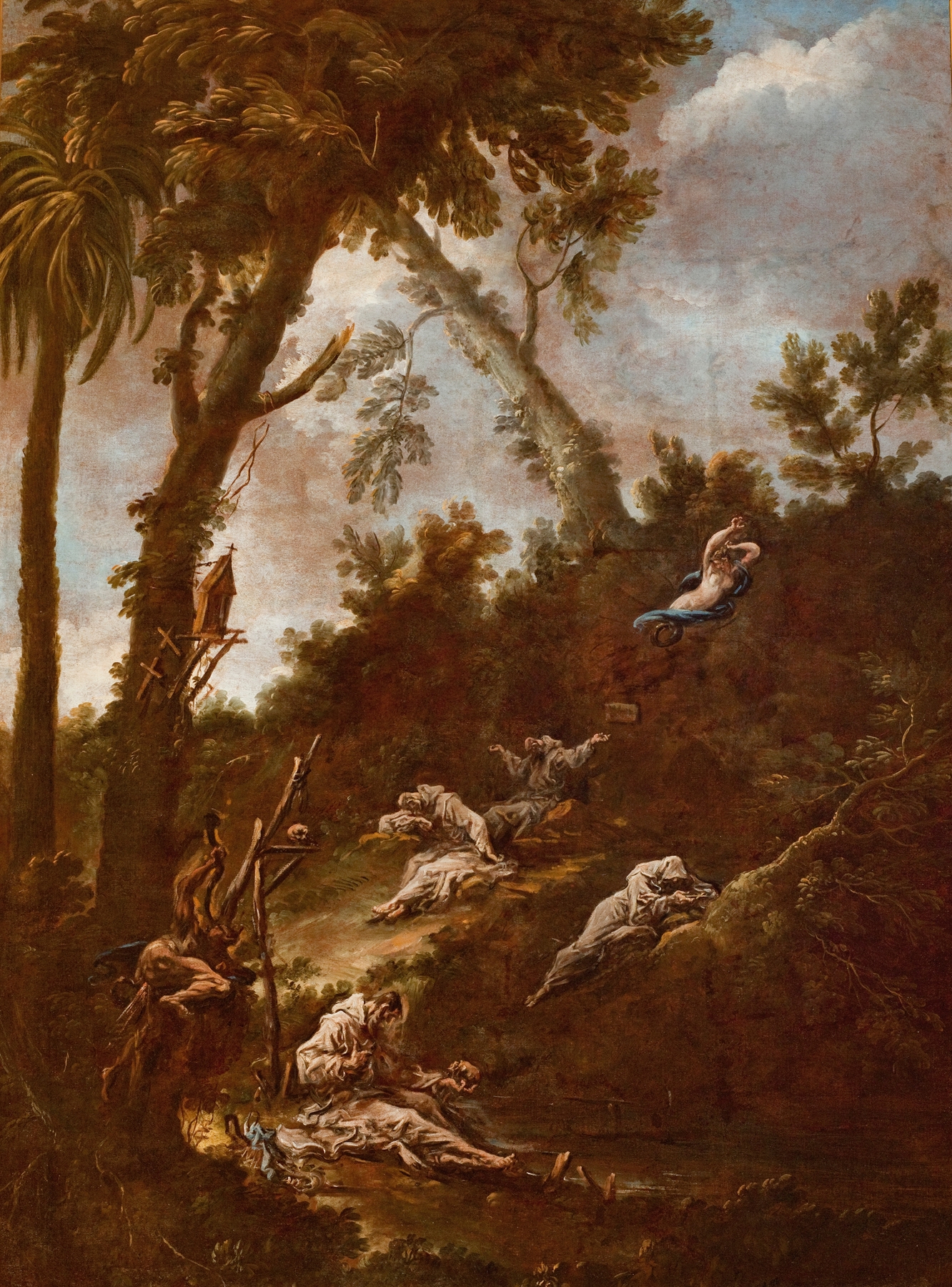
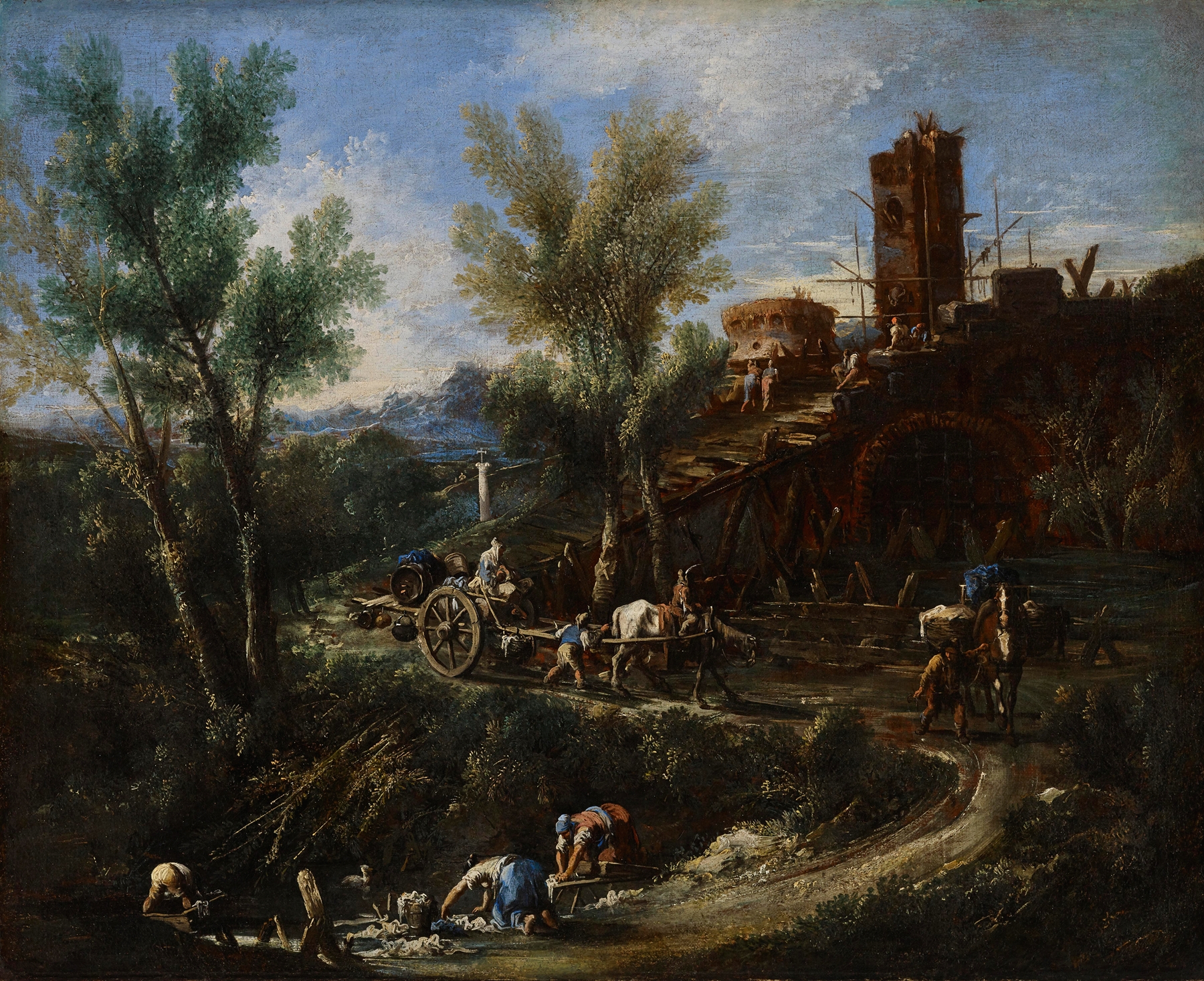
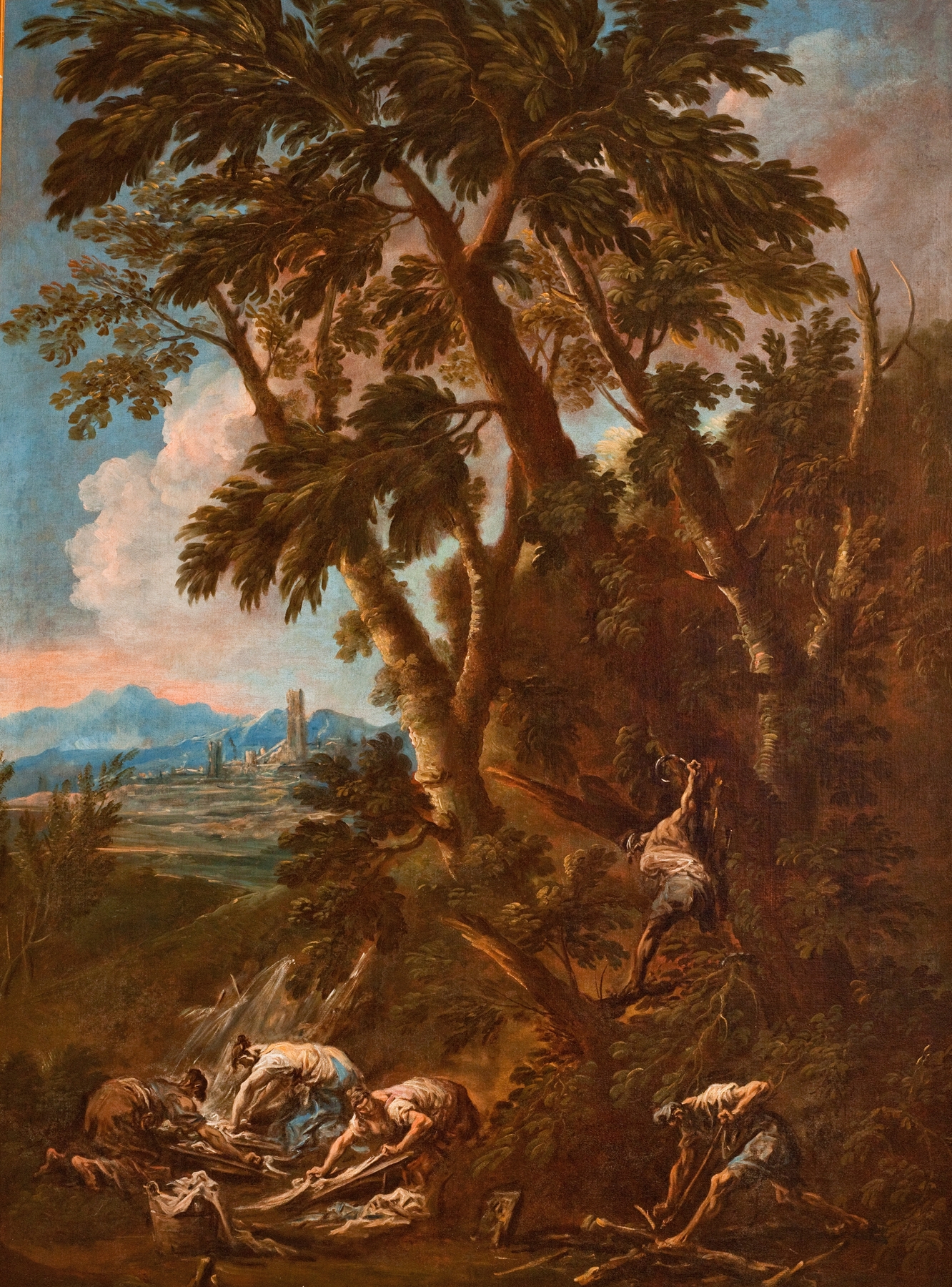
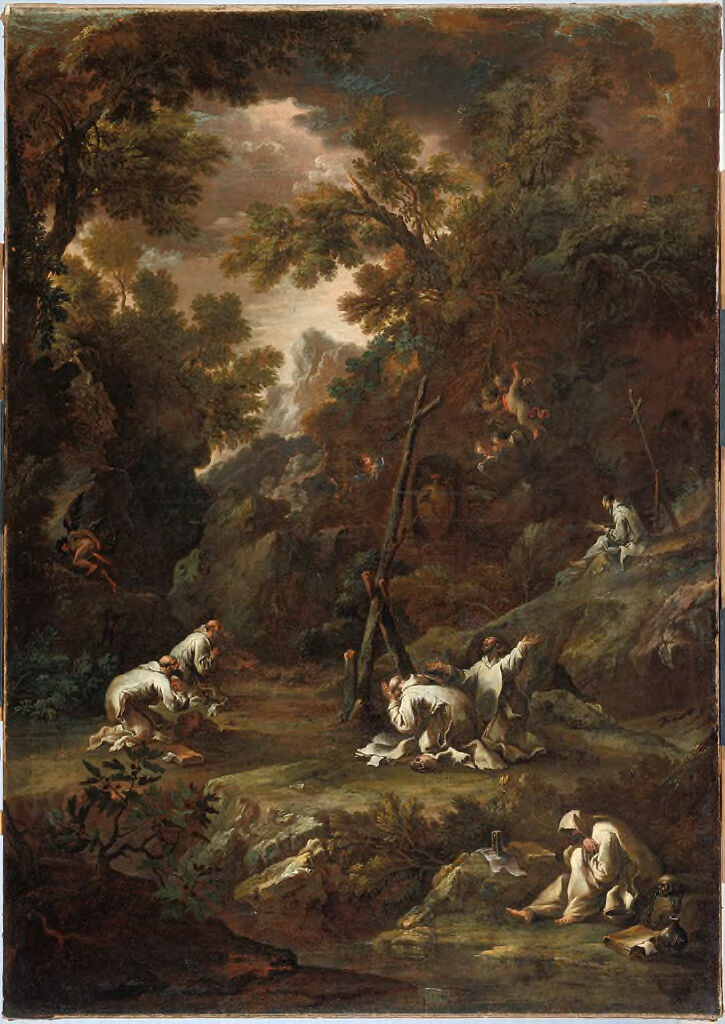
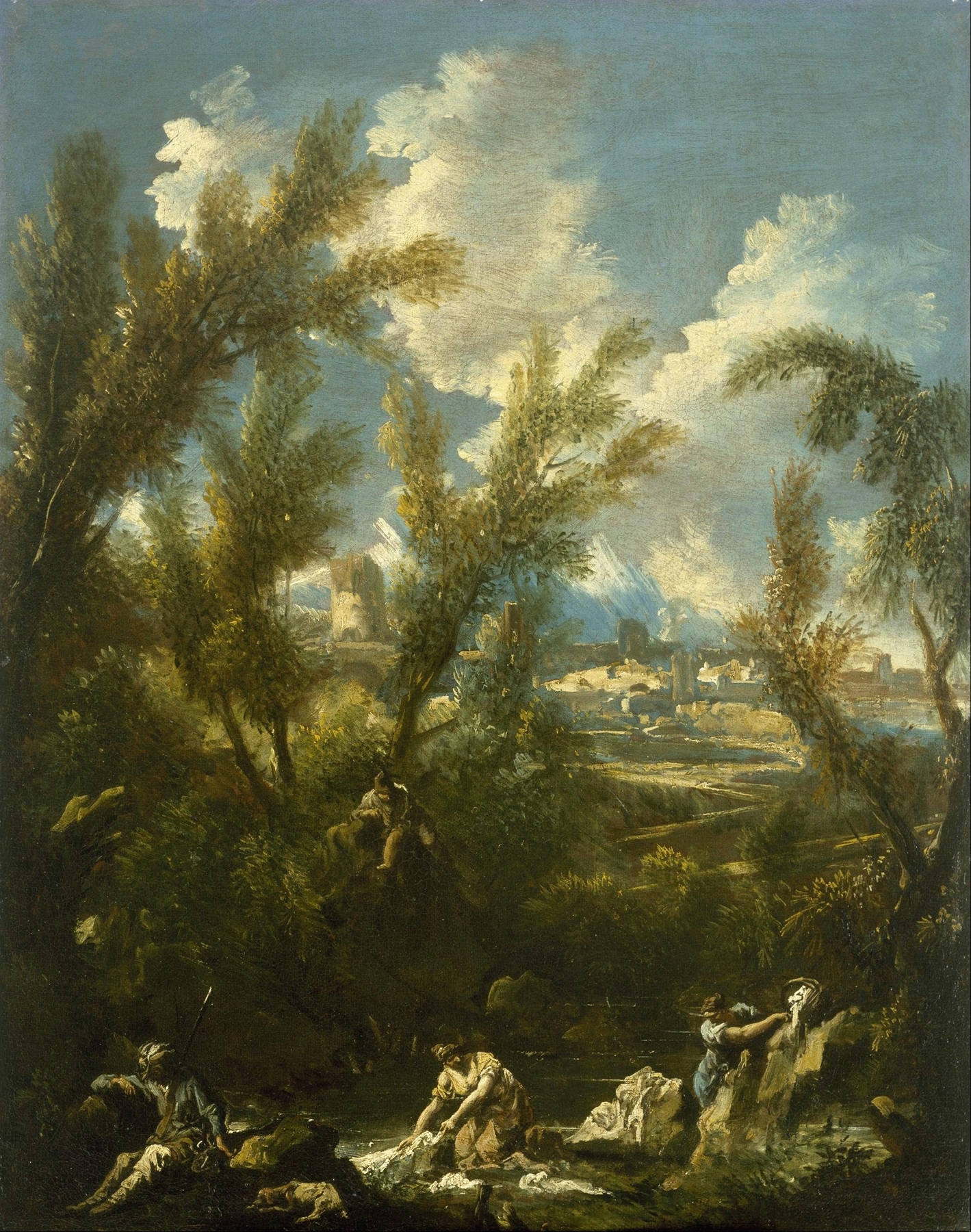
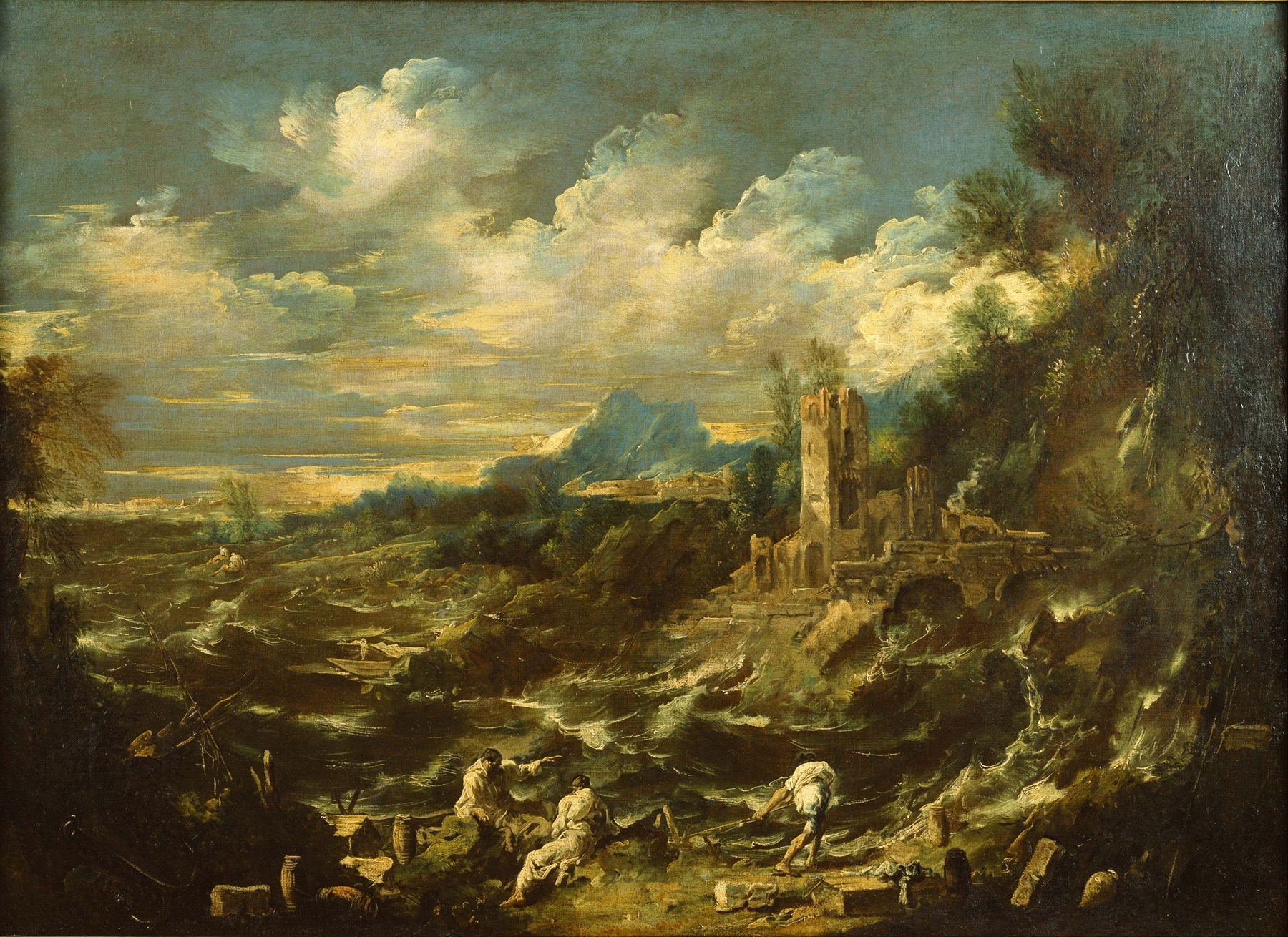
When did color learn to lie? In the hands of a master, hues transform into whispers of truth and deception, revealing underlying fragility within the human experience. As you gaze upon this captivating work, look to the left where the vibrant greens of the landscape meet the silhouettes of figures wandering through the scene. Notice how the earthy tones of the foreground seem to cradle the lighter skies, creating a delicate balance between shadow and light.
The brushwork is both vigorous and tender, evoking the essence of movement while maintaining a sense of stillness, allowing the viewer to feel the weight of the moment. Within the chaos of color lies a poignant tension: the figures, though animated, appear to be mere specters in a vast expanse. Their presence suggests a fleeting connection with nature, symbolizing the fragility of human life against the grandiosity of the landscape. The contrast between their delicate forms and the tumultuous sky hints at a deeper narrative of existential struggle, where beauty coexists with transience.
In 1713, while residing in Genoa, the artist painted this piece during a period flourishing with baroque influences and personal introspection. Amidst a world of artistic transition and the emergence of new styles, he sought to capture the ephemeral quality of existence. The time was ripe for experimentation, and this intimate landscape reflects his desire to explore the boundaries of emotion and form, merging the realities of life with the whispers of dreams.