Landscape with Washerwoman — History & Analysis
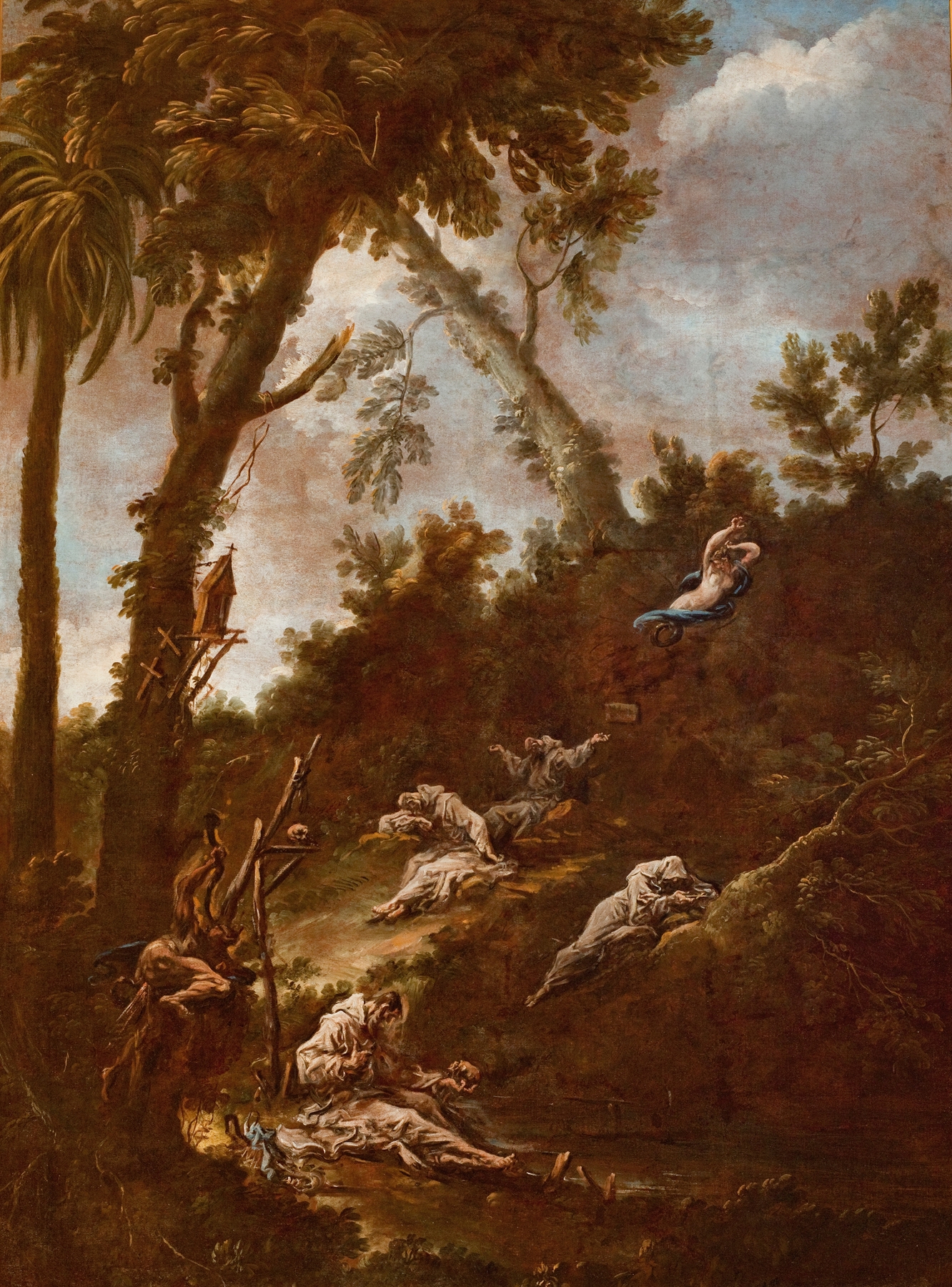
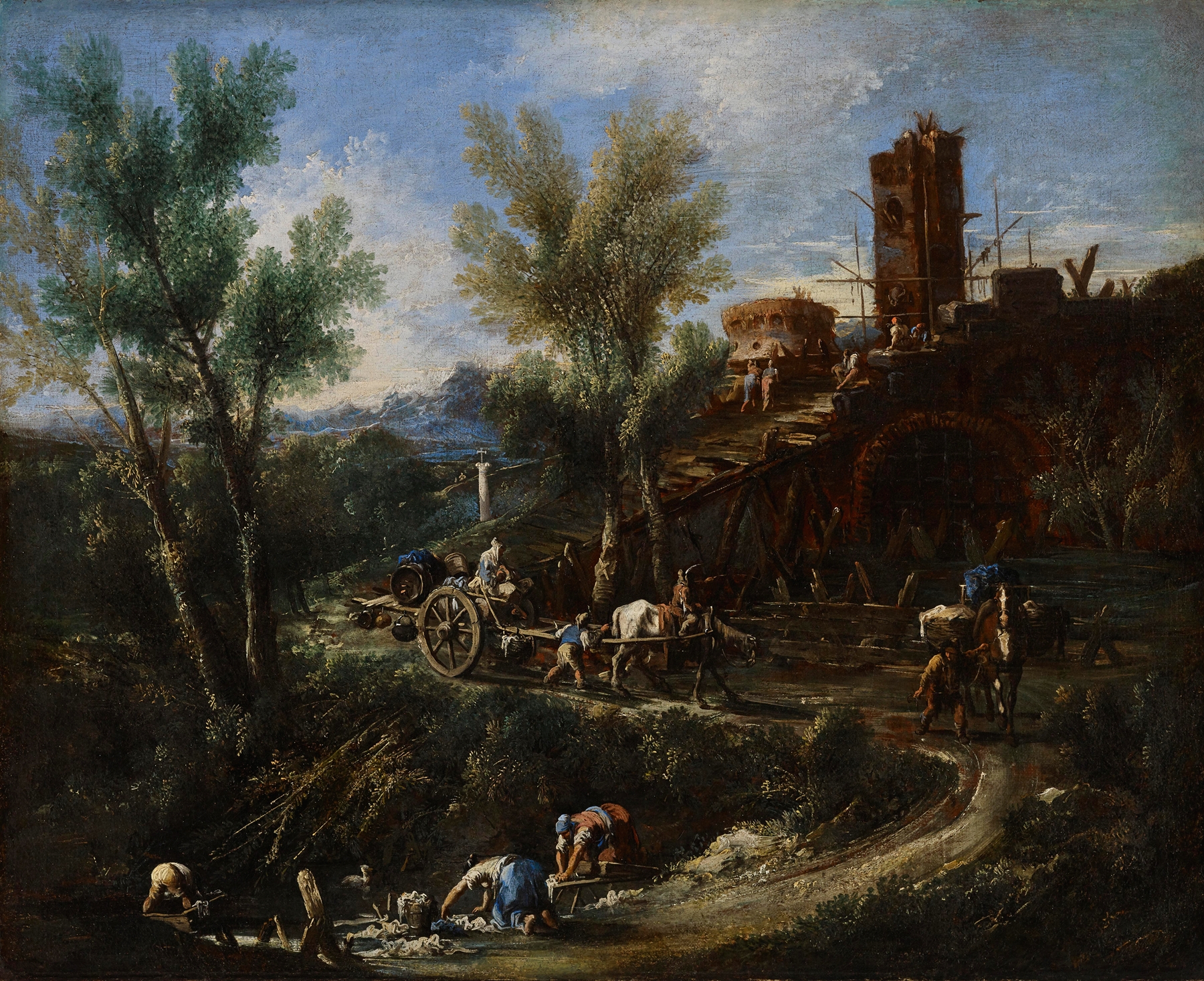
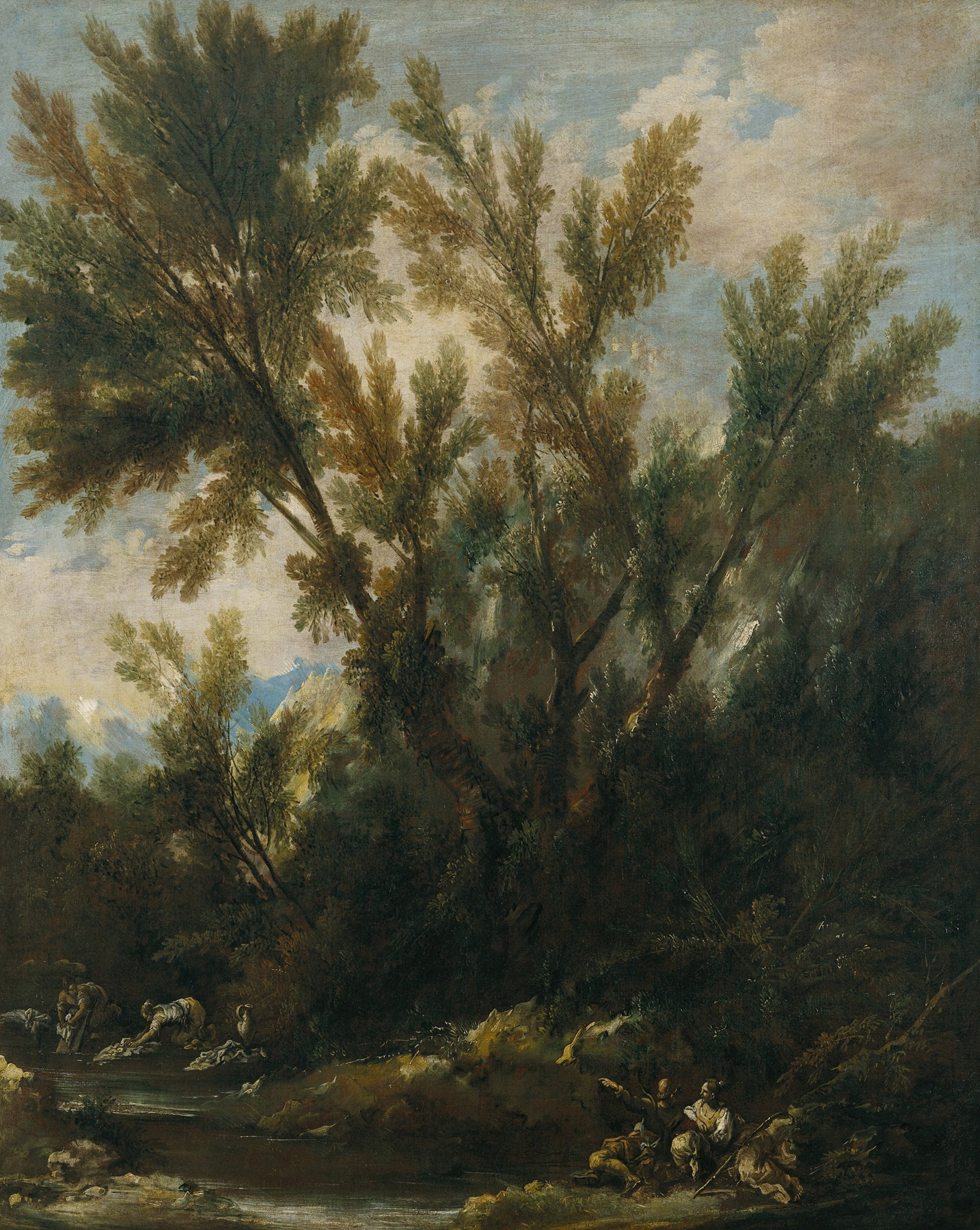
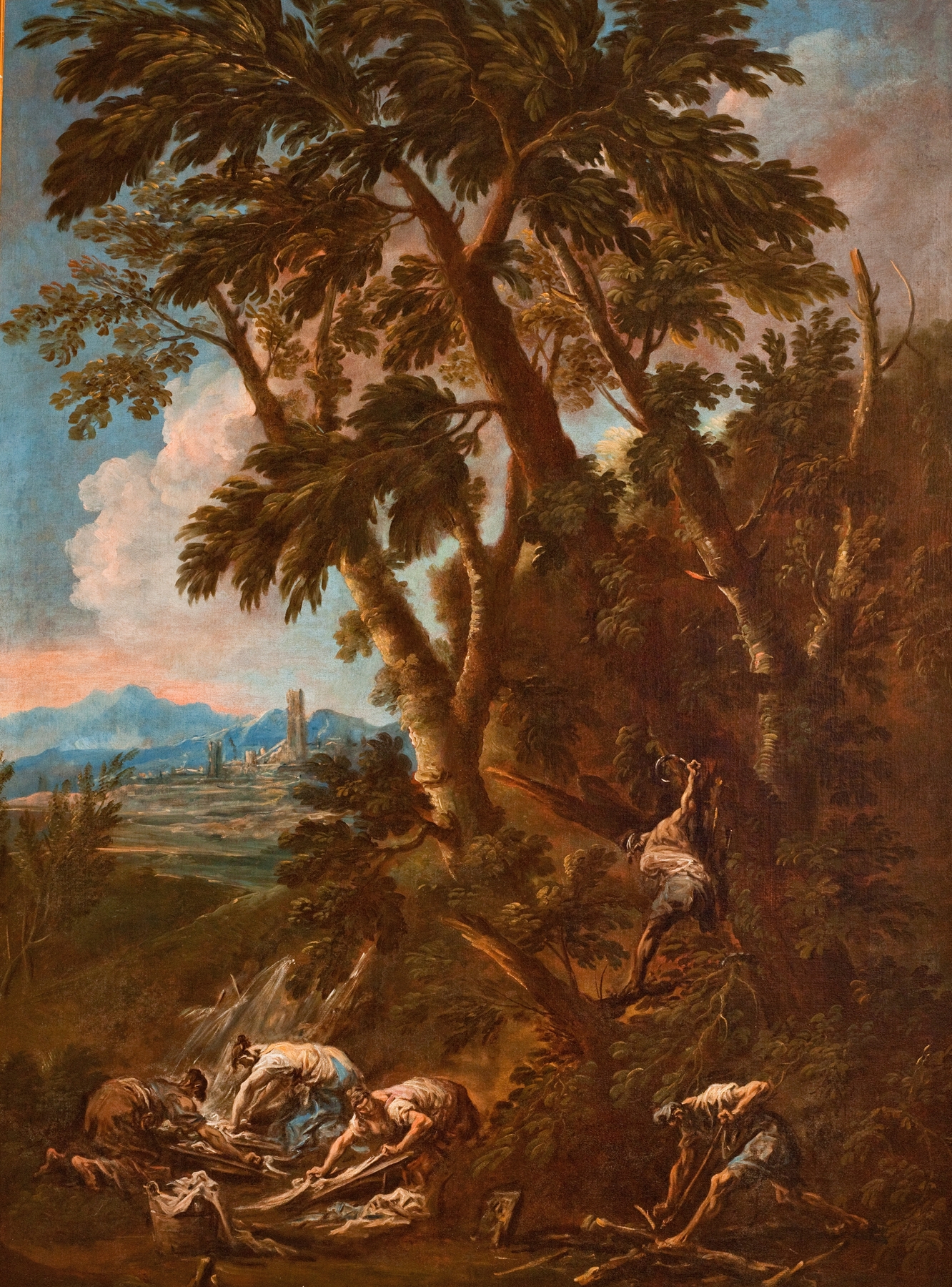
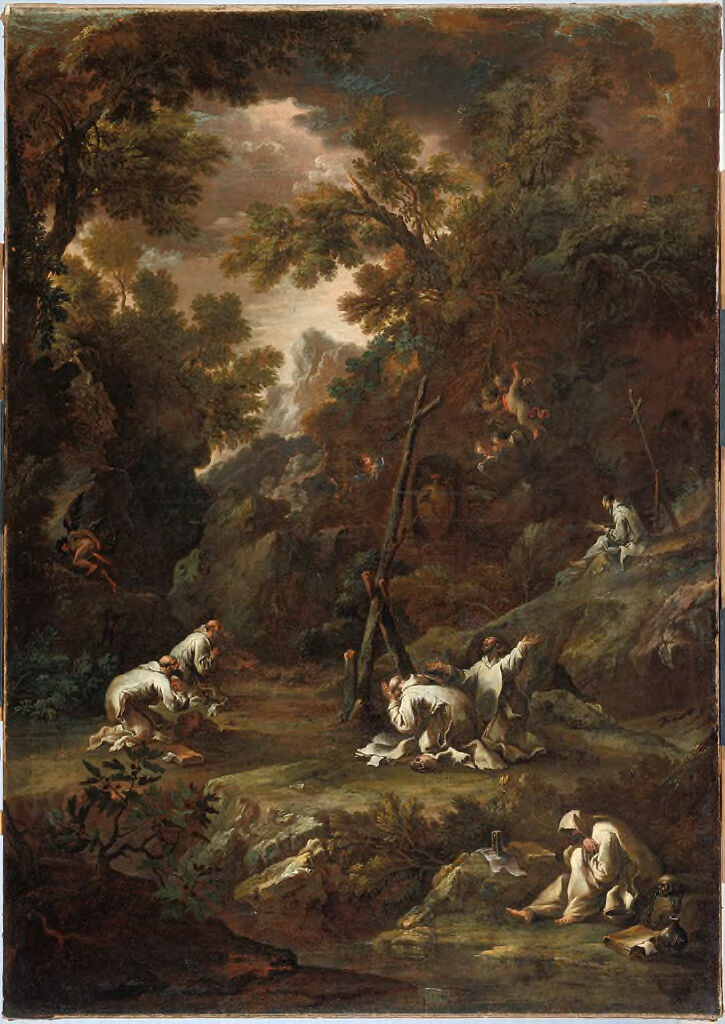
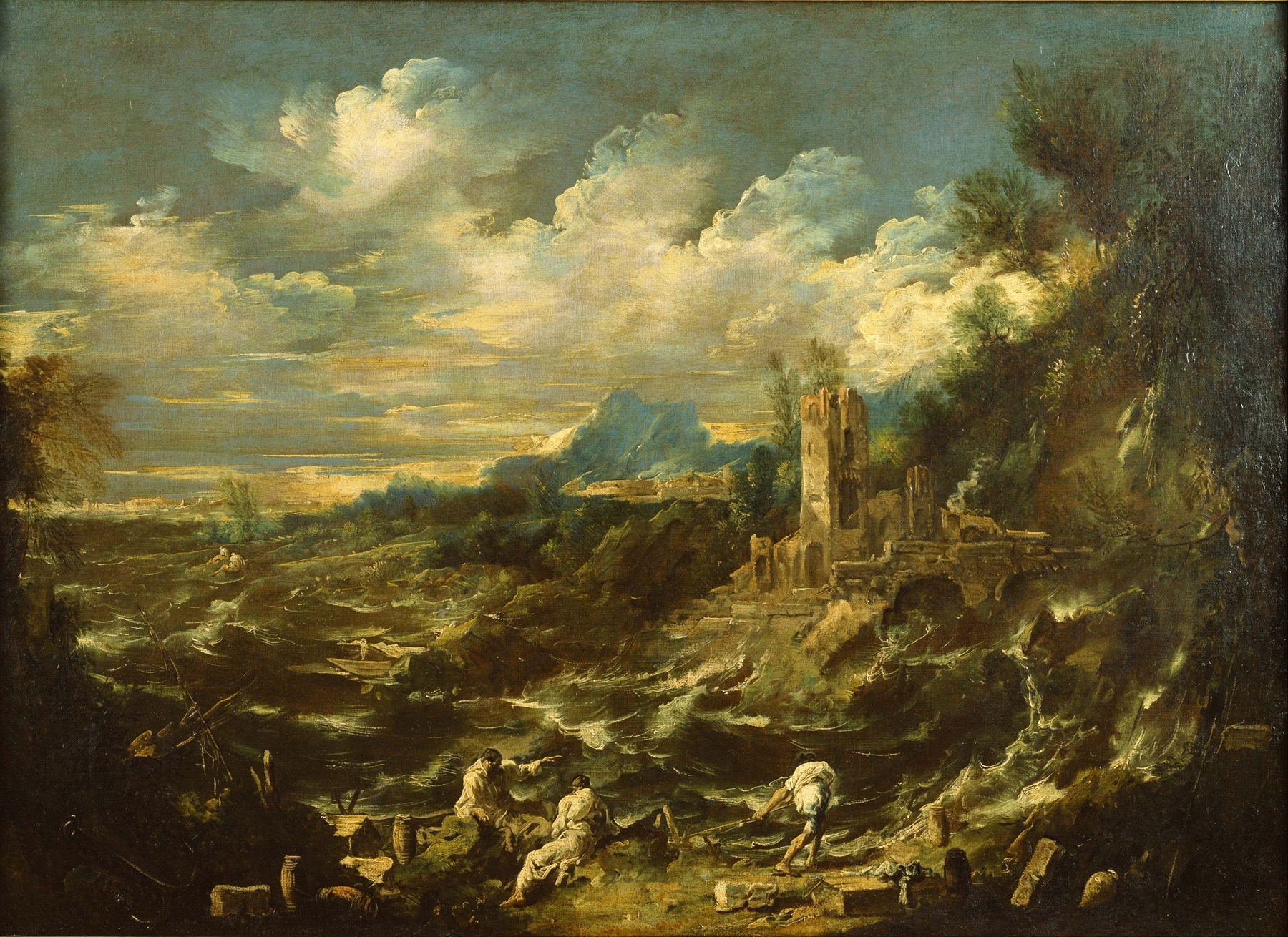
Can beauty exist without sorrow? In Landscape with Washerwoman, the delicate balance between nature’s splendor and human toil invites profound contemplation on emptiness and solitude. Look to the bottom left where the washerwoman, hunched and weary, captures your attention. Her figure is enveloped in muted earth tones, contrasting sharply with the vibrant greens and blues of the landscape surrounding her.
The gentle ripples in the water reflect the sky’s serenity, a poignant juxtaposition to her labor. Notice how the light dances through the trees, casting dappled shadows that seem to whisper stories of both hope and hardship as they fall upon her and the quiet scene. This artwork reveals hidden tensions between the natural beauty and the woman’s laborious existence. The lush, idyllic surroundings evoke a sense of peace, yet the solitary figure signifies the weight of endless work and the emotional void that can accompany daily life.
The contrast between the vibrant landscape and her subdued presence speaks to the often-overlooked narratives of those who toil, suggesting that the beauty of the world is starkly mirrored by the emptiness within human strife. Magnasco painted this piece between 1710 and 1720, during a time when the Baroque era was transitioning into a new artistic vernacular. He was influenced by the tumultuous social and political landscapes in Italy, which often overshadowed the tranquil scenes of nature he portrayed. As his art evolved, he began to capture the complexity of human experience, positioning the everyday lives of ordinary people against rich, atmospheric backdrops.