Landscape with Stormy Sea — History & Analysis
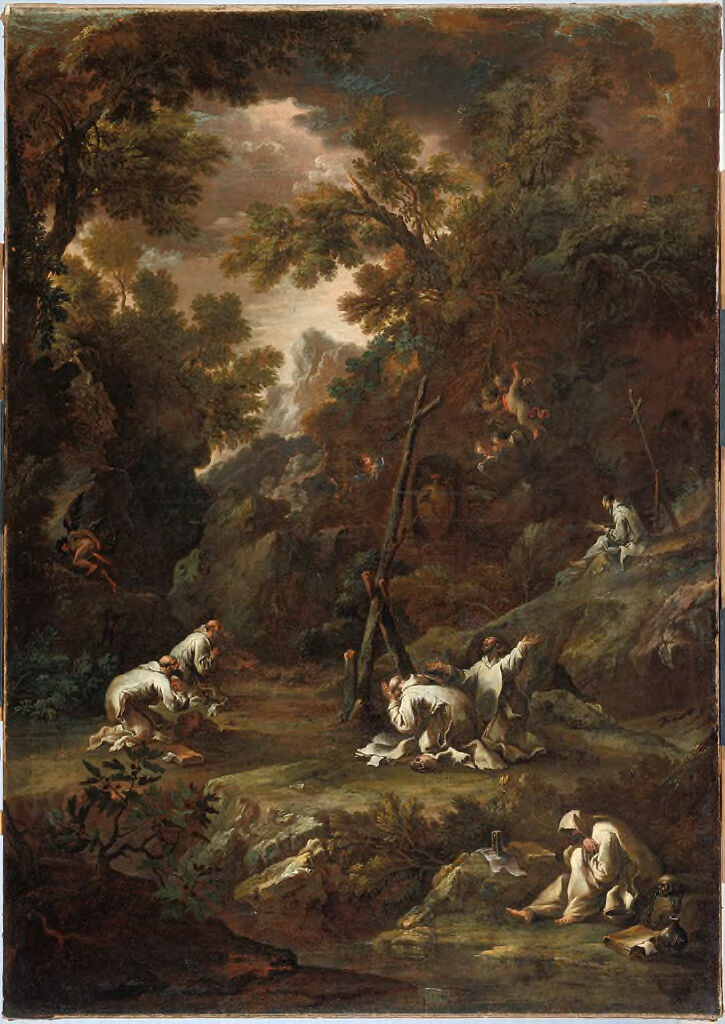
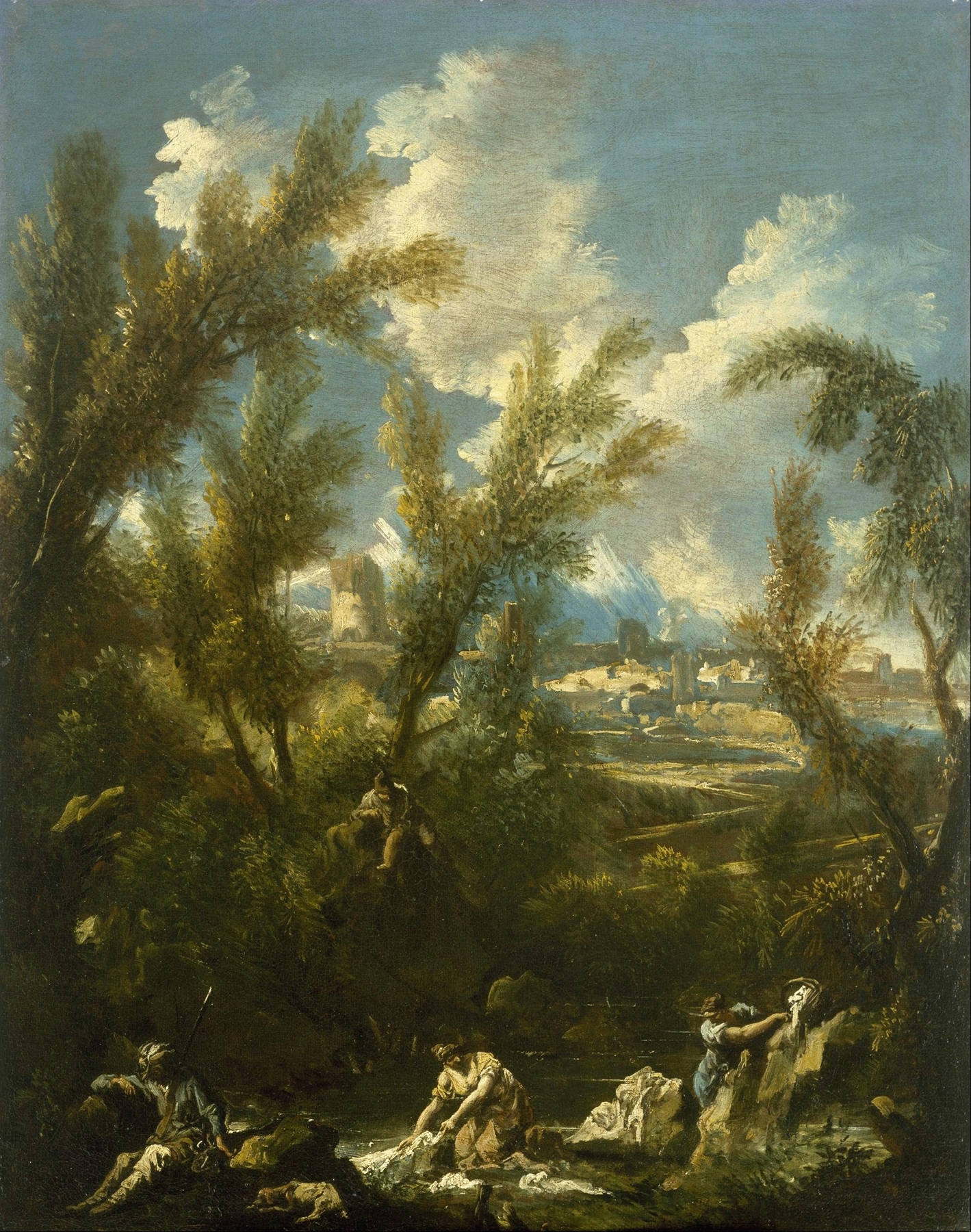
“Sometimes beauty is just pain, disguised in gold.” In the embrace of nature’s fury, faith stands as a quiet sentinel against the chaos that rages within and without. Look to the left at the tumultuous waves crashing violently against jagged rocks, their forms almost alive, swirling with shades of deep indigo and gray. The sky overhead swirls with restless clouds, streaked with flashes of fading light, creating a dramatic contrast against the darkened sea.
The artist’s skillful brushwork captures not only the movement of the water but also the palpable tension of the moment, inviting viewers to explore both the fury of the storm and the fragile beauty that survives within it. The juxtaposition of the stormy sea and the fragile, illuminated figures caught in the tempest reveals deeper themes of conflict and resilience. The pilgrims—a few resolute souls navigating the wrath of nature—embody faith in their struggle against overwhelming odds.
Their smallness amid the grandeur of the storm speaks to the human condition, highlighting the delicate balance between despair and hope, while the light breaking through the clouds hints at redemption amidst the turmoil. Created during the late Baroque period, this work emerged from the depths of Alessandro Magnasco's artistic exploration, likely in Genoa where he was active in the early 18th century. At a time when artists grappled with the emotional power of nature, Magnasco’s focus on movement and atmosphere in Landscape with Stormy Sea reflects the transitional phase in art, merging dramatic realism with emotional expression.