Archway with Woman — History & Analysis
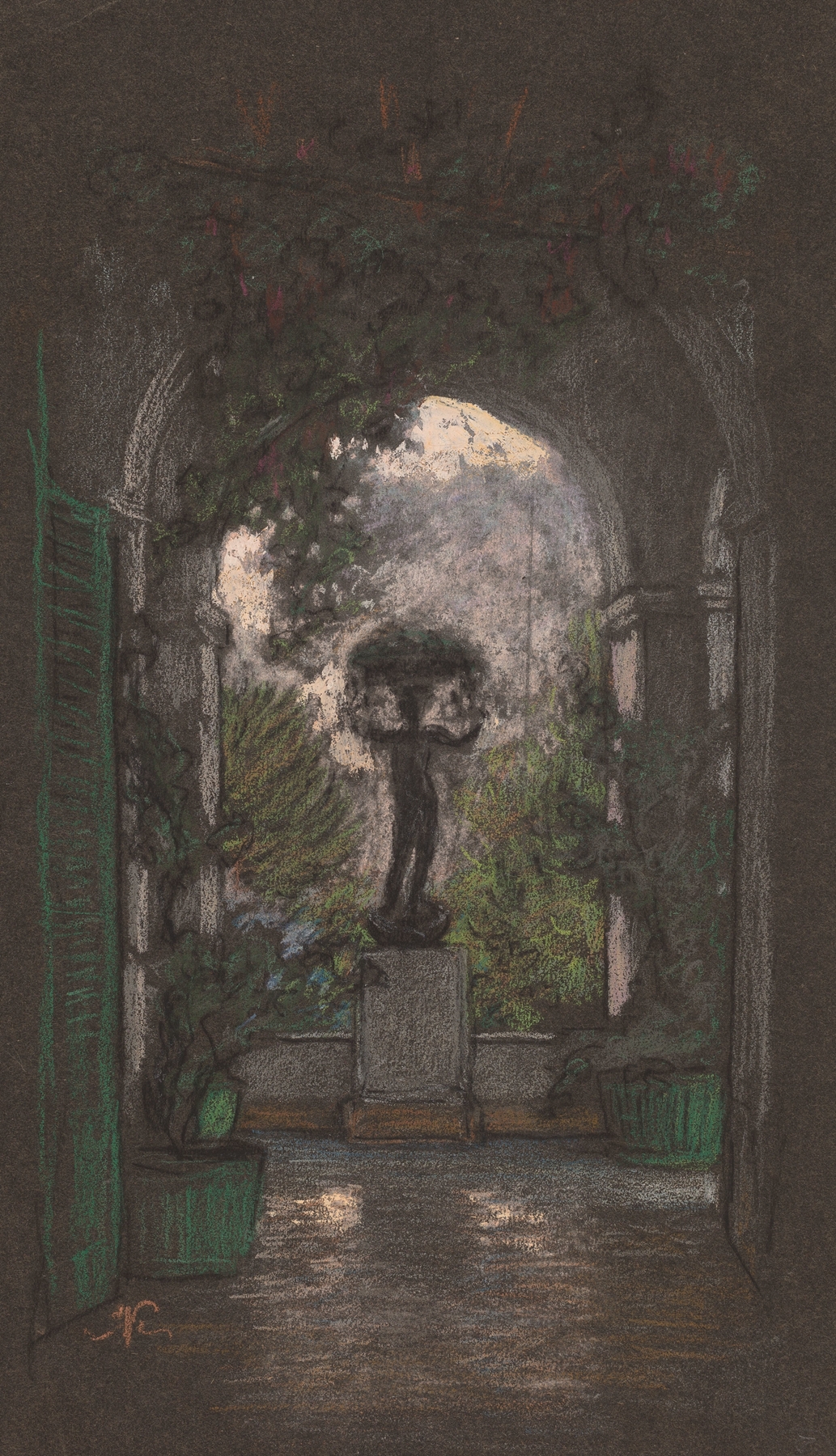
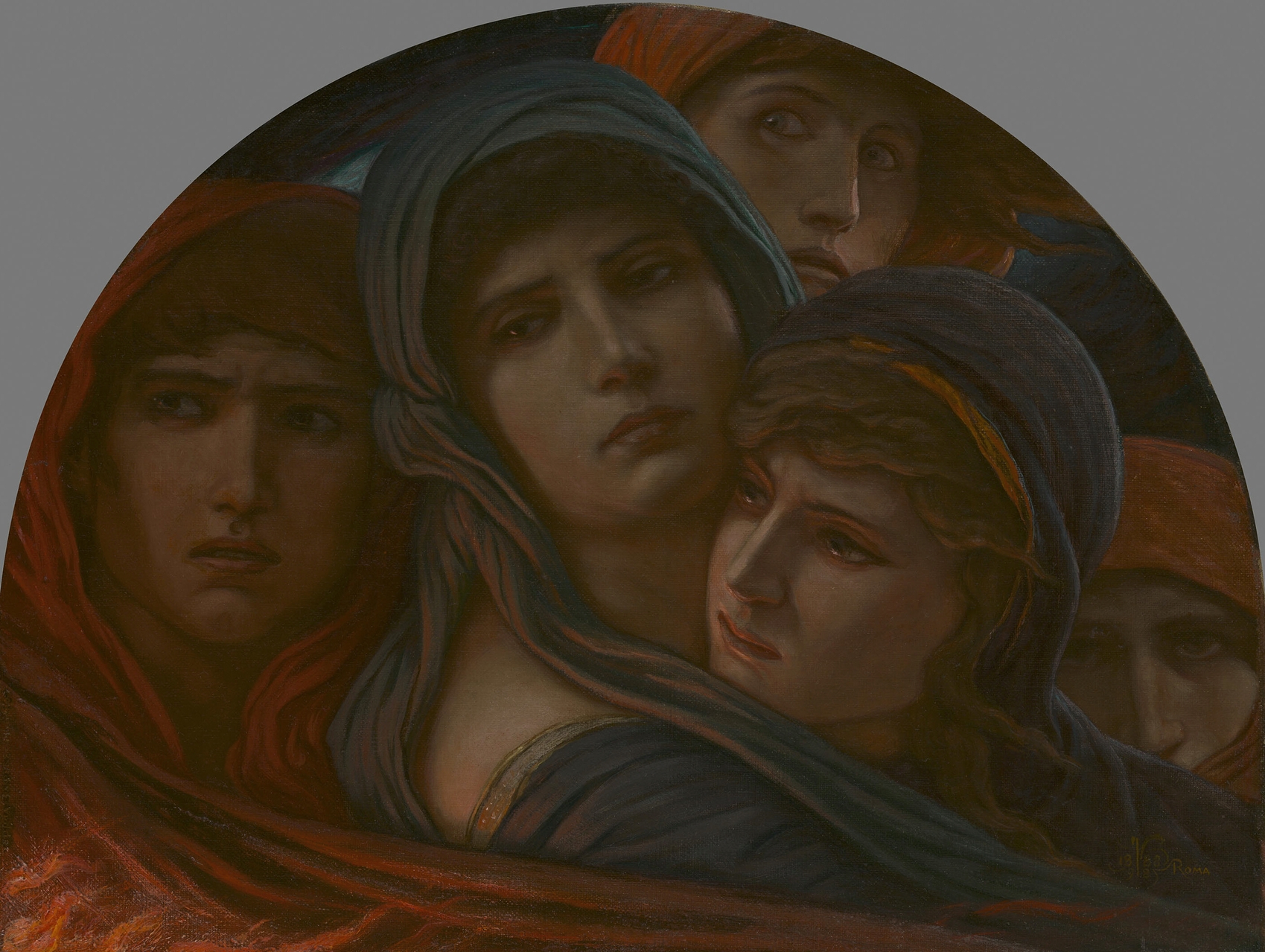
“Every silence here is a confession.” The rich hues of deep blues and earthy browns beckon the viewer into a world where stillness speaks louder than words. Color becomes more than mere decoration; it whispers the secrets of the woman in the archway, urging us to look closer and reflect on the emotions concealed within. First, direct your gaze toward the archway, a grand and inviting structure that frames the woman standing beneath it. Notice how the light filters through the ornate design, casting intricate shadows and illuminating her figure in a soft glow.
The subtle interplay of color—a blend of ochre and muted greens—guides your eye along the contours of the arch, creating a harmonious backdrop that enhances her presence. The woman's posture is both relaxed and contemplative, hinting at an inner turmoil. Her downcast gaze contrasts with the vibrant colors surrounding her, evoking a sense of longing or solitude. The delicate brushwork suggests a moment frozen in time, allowing the viewer to ponder the stories she holds, making the archway not just a passage but a threshold between two realms of emotion and experience.
Created in 1865, this work comes from a period when the artist was deeply influenced by Symbolism and the exploration of the human psyche. Vedder, living in Rome at the time, was immersing himself in the artistic currents of the day, where color was seen as a means of transcending the mundane. This painting reflects his mastery of integrating color and atmosphere, inviting viewers into a space of introspection and emotional depth.