Arctic Sunset — History & Analysis
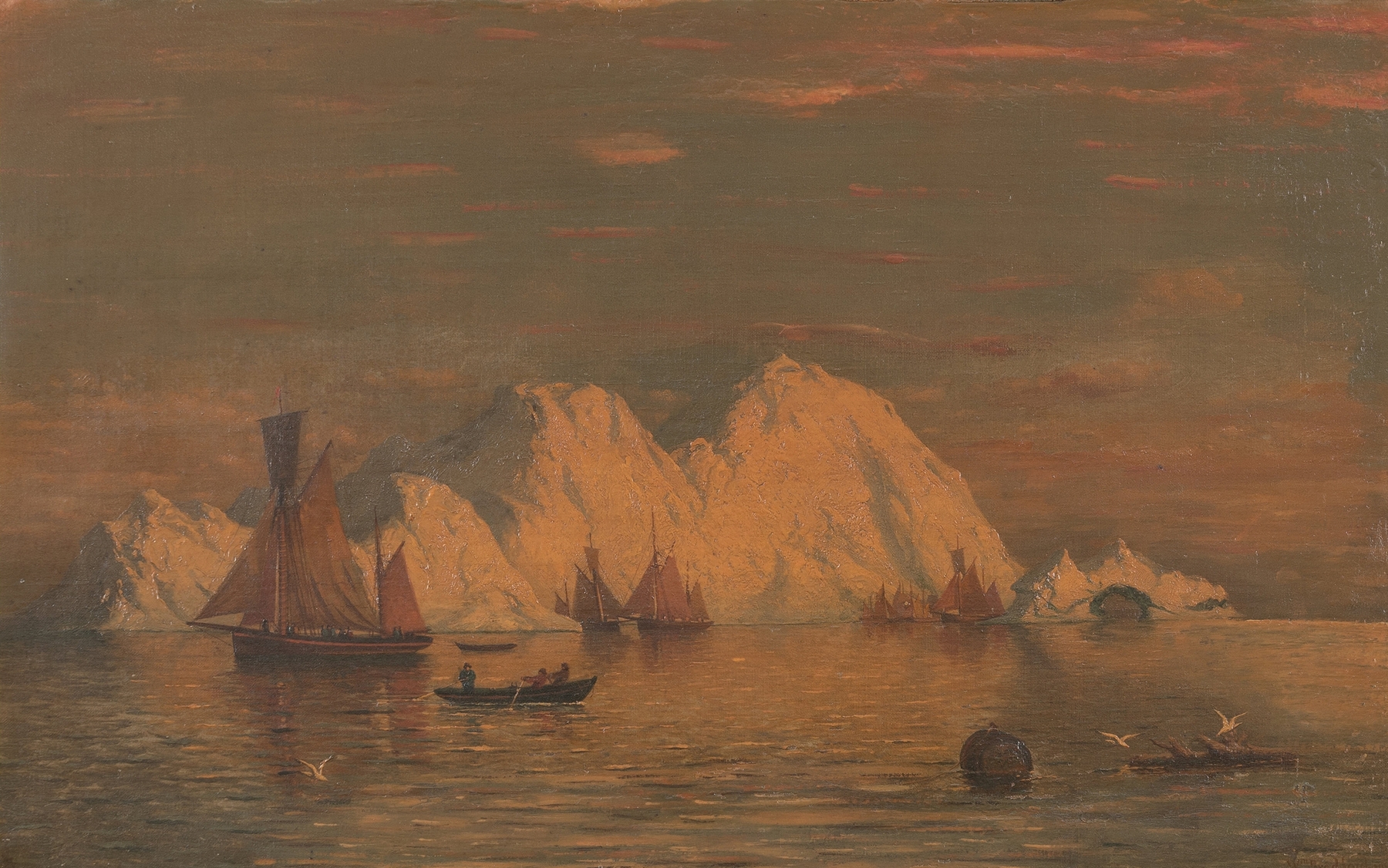
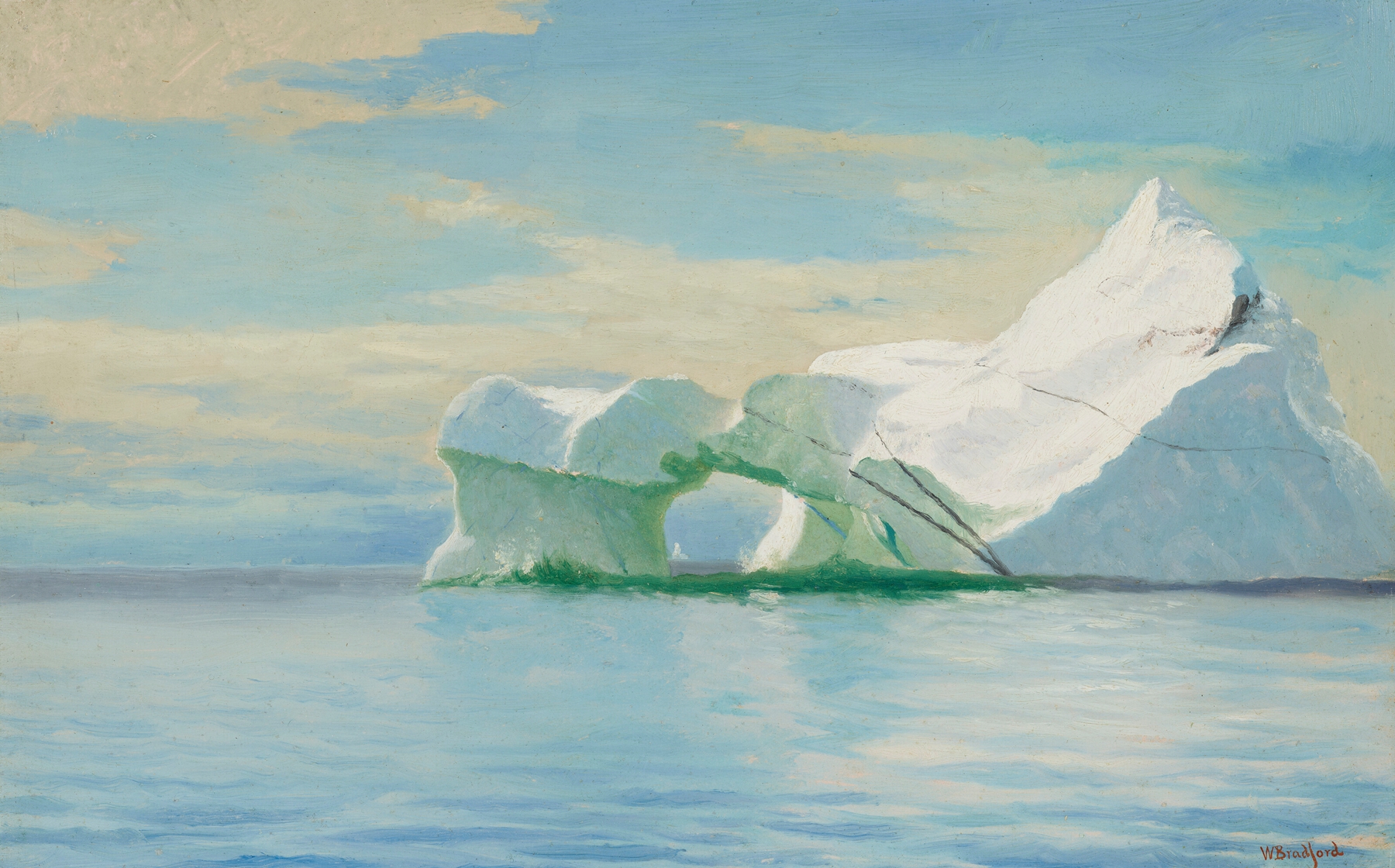
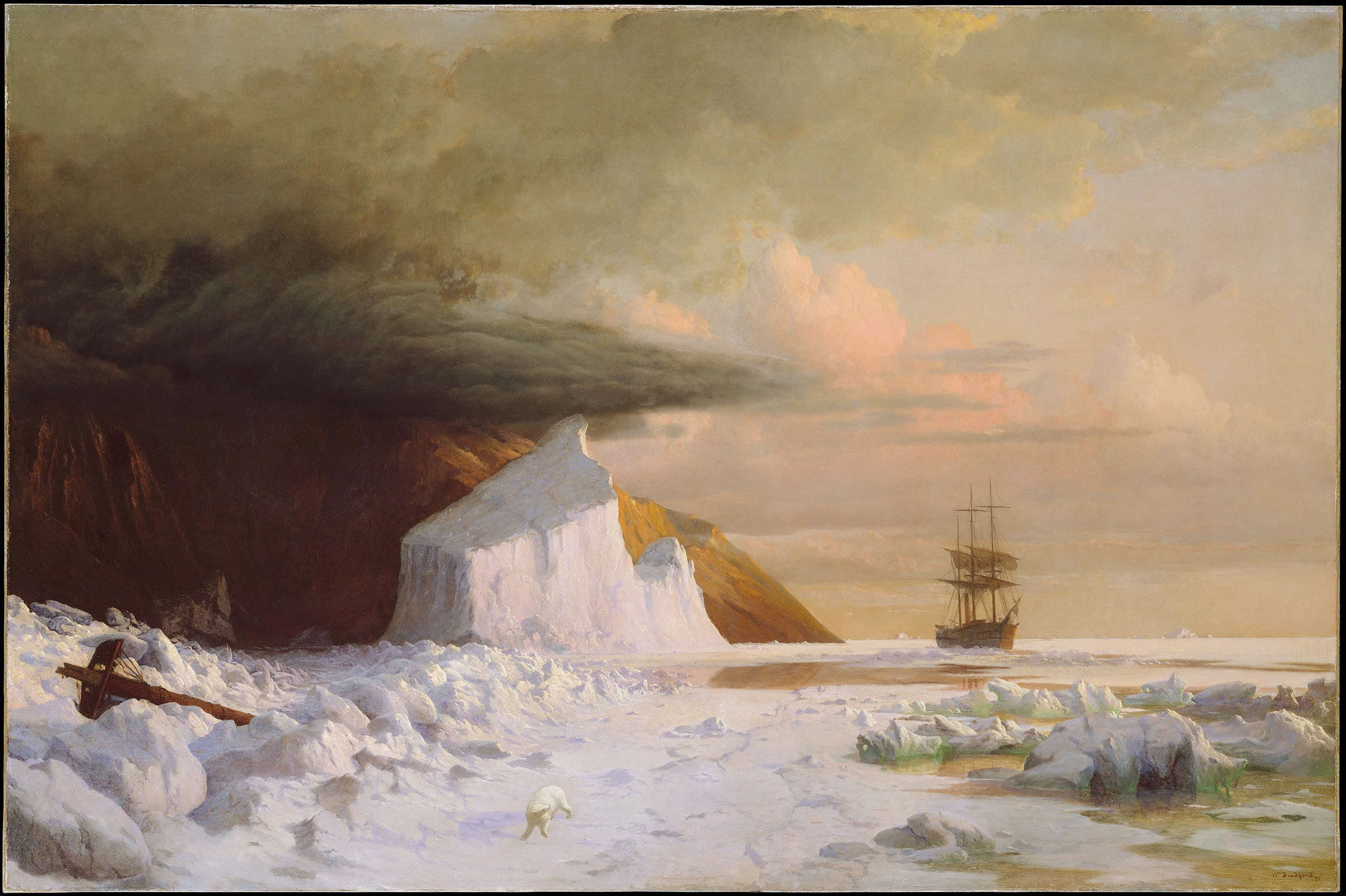
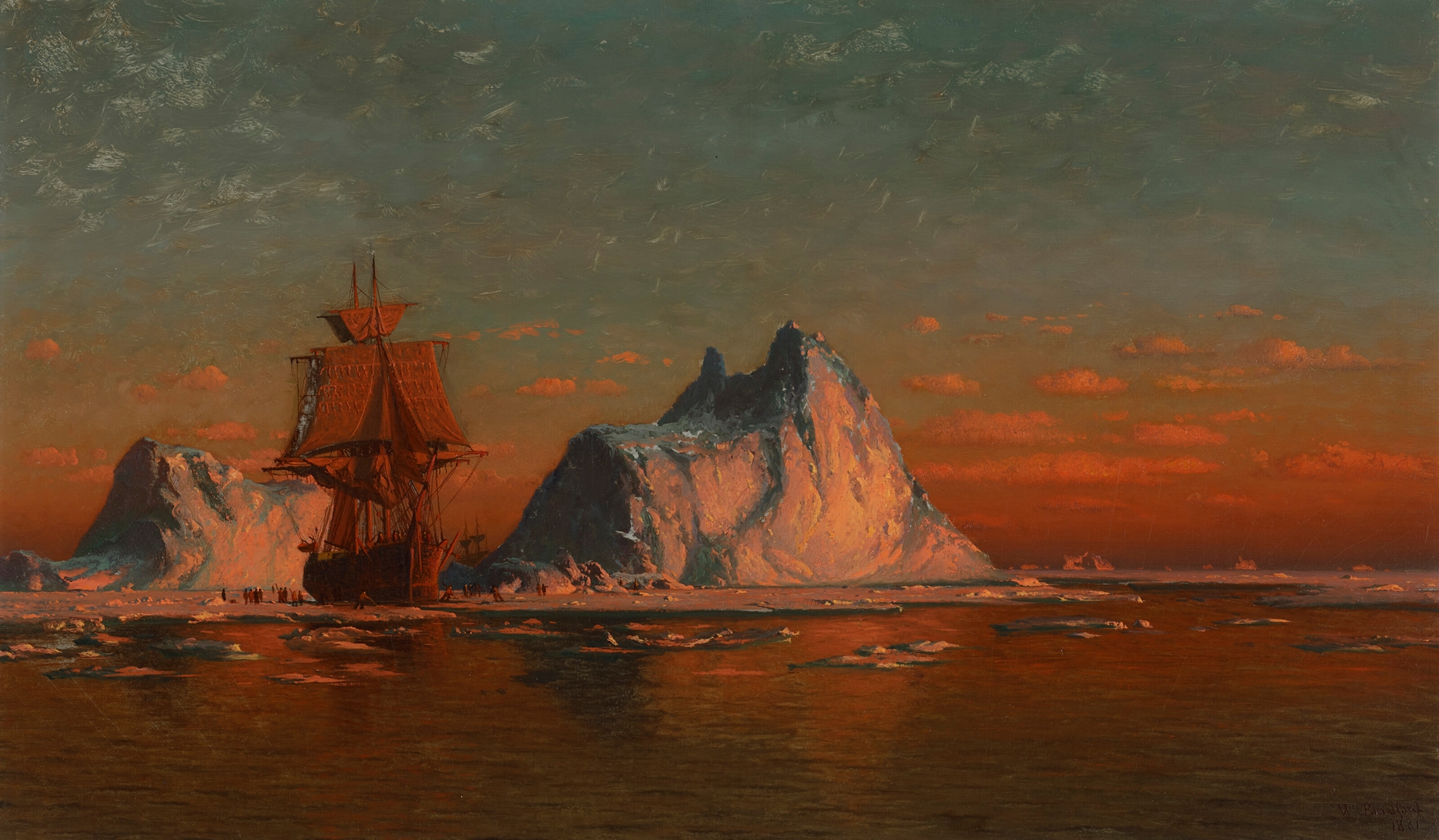
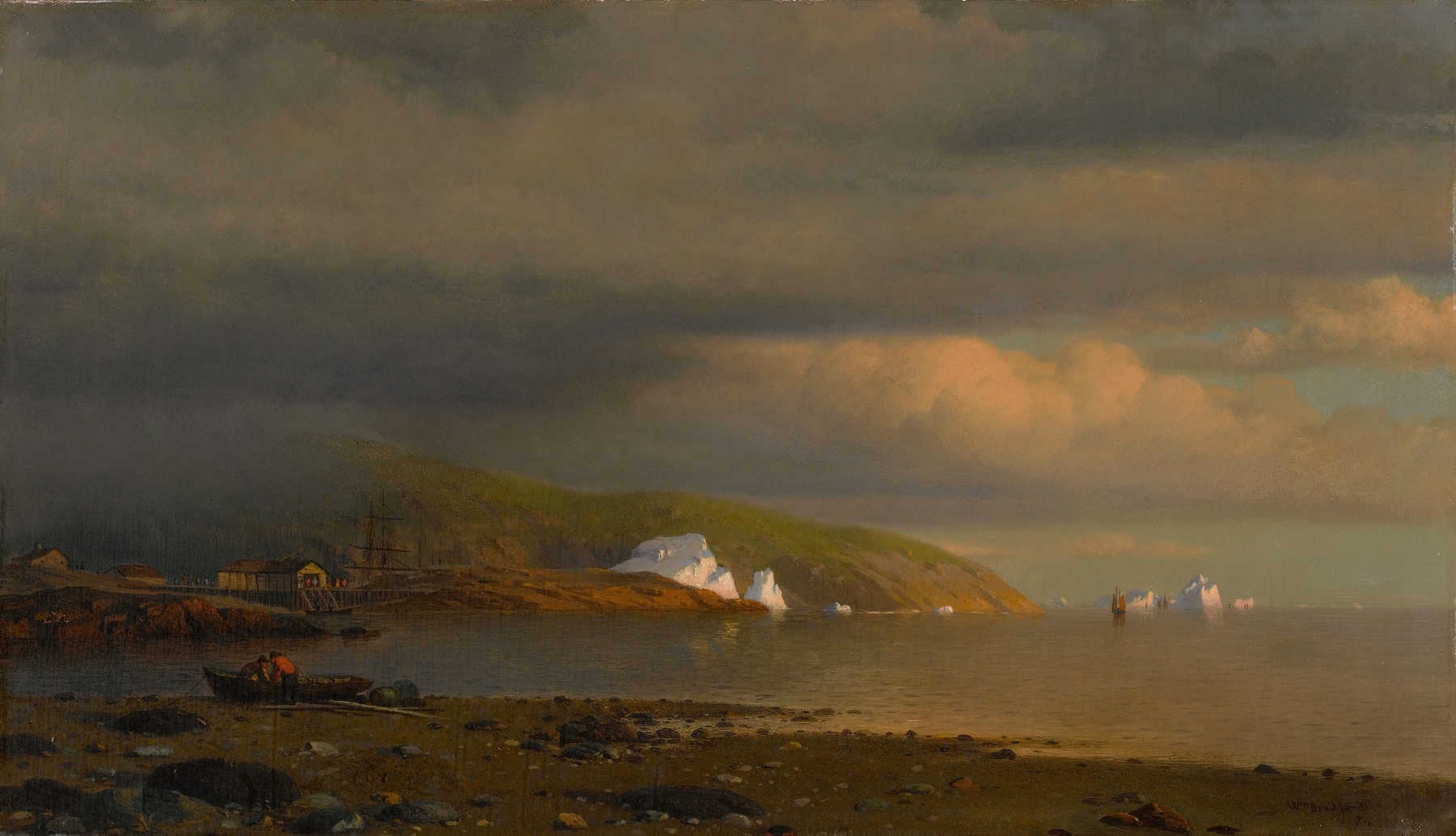
Who listens when art speaks of silence? In the stillness of a sunset, a profound balance emerges, where nature's grandeur meets the quietude of reflection. Look to the horizon, where the vivid oranges and deep purples of twilight blend seamlessly into the icy blues of the arctic waters. The composition draws you in with its calming symmetry—icebergs jutting out like silent sentinels, their jagged forms softened by the warm glow of the setting sun.
Notice how the light gracefully dances on the water's surface, creating ripples of color that ripple outward, inviting the viewer to pause and soak in the tranquil beauty of this frozen expanse. Hidden within this serene landscape are contrasts that evoke introspection—between the bold colors of the sky and the stark, cold solidity of the ice below, and between the vibrancy of life and the stillness of solitude. Each brushstroke captures the fleeting moment of day surrendering to night, prompting contemplation on the transient nature of existence. The balance achieved here reflects the harmony and tension that exists in the natural world, inviting a deeper connection to the viewer's own experiences and emotions.
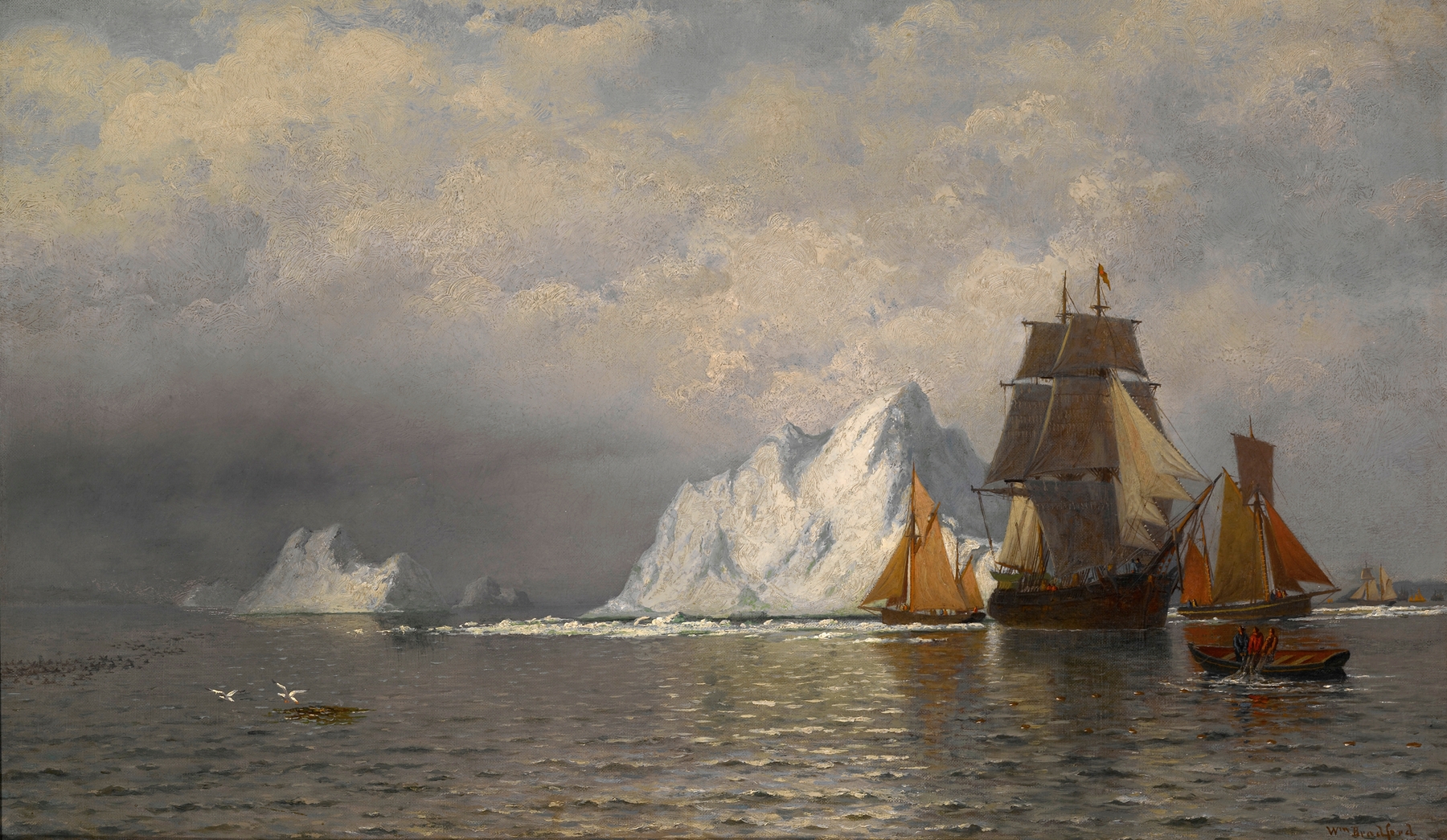
William Bradford created this evocative work at an indeterminate time in his career, a period marked by his fascination with the Arctic landscapes he had witnessed. Known for his paintings of ice and sea, he sought to convey the sublime beauty of nature while addressing the challenges faced by these remote environments amid a changing world. Bradford's artistic journey encapsulated both the allure and fragility of these icy realms, leaving viewers to ponder their significance.