Bacchanal — History & Analysis
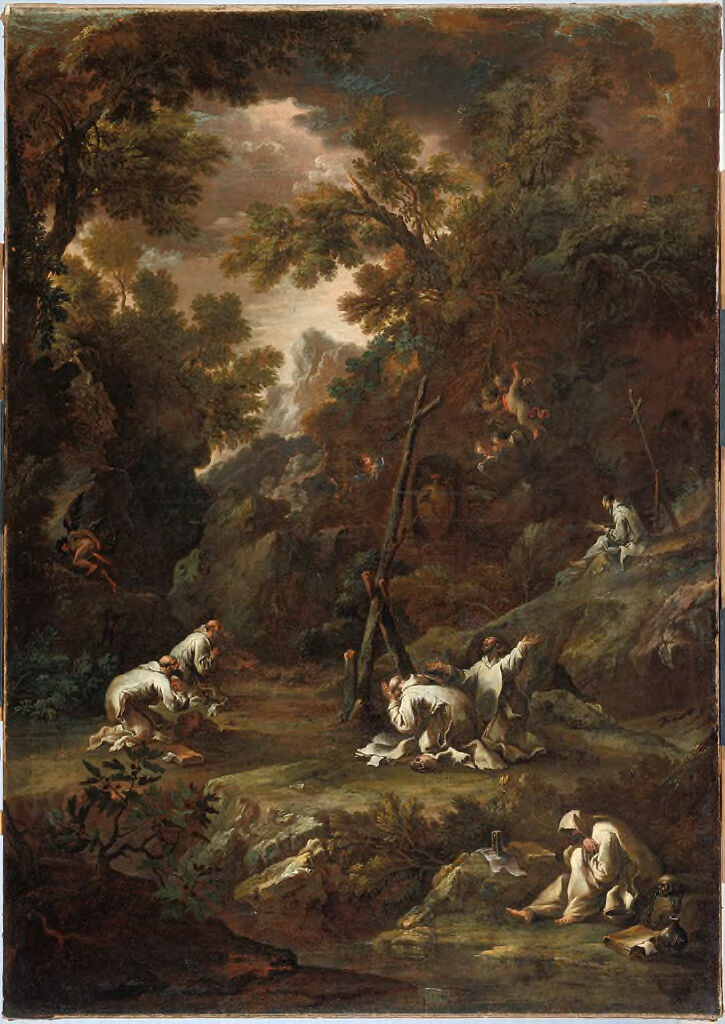
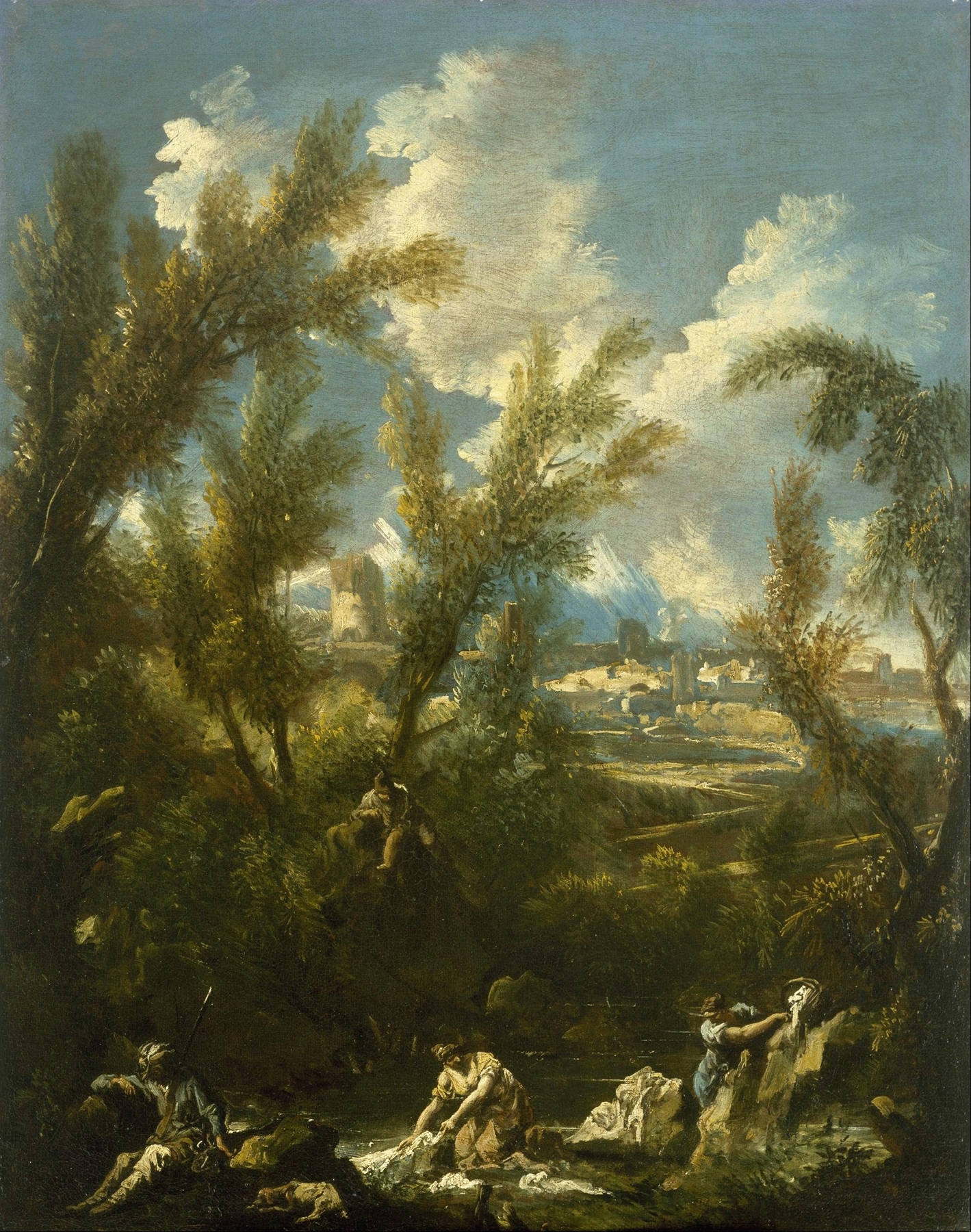
Who listens when art speaks of silence? Beneath the revelry of color and chaos lies an unsettling undercurrent, a whisper of violence lurking just beyond the edge of ecstasy. Look closely at the swirling mass of figures in Bacchanal. Your gaze is naturally drawn to the vibrant reds and golds that animate the scene, but shift your focus to the left where a solitary figure, bathed in shadow, stands apart from the fray.
The dramatic chiaroscuro highlights the tension between the boisterous celebration and the isolation of that lone observer. Notice how the brushstrokes are frenetic yet deliberate, capturing a moment suspended in time, as if the jubilant crowd is poised on the precipice of both joy and anguish. Layered within this vibrancy are hidden meanings; the convergence of joy and chaos serves as a metaphor for human excess. The figures, seemingly lost in a hedonistic revelry, embody the duality of freedom and entrapment, suggesting that indulgence can often mask deeper, darker truths.
The juxtaposition of ecstatic celebration with the solitary figure hints at the violence of oblivion, a stark reminder that every jubilation may hide a fracture. Alessandro Magnasco painted Bacchanal during a period marked by fluidity and experimentation in early 18th-century Italy. Living in Genoa, he was deeply intertwined with the Baroque movement, known for its emotional intensity. Yet, as the world around him began to shift towards the Enlightenment, he grappled with themes that transcended mere pleasure, infusing his work with an awareness of the tumultuous undercurrents of human experience.