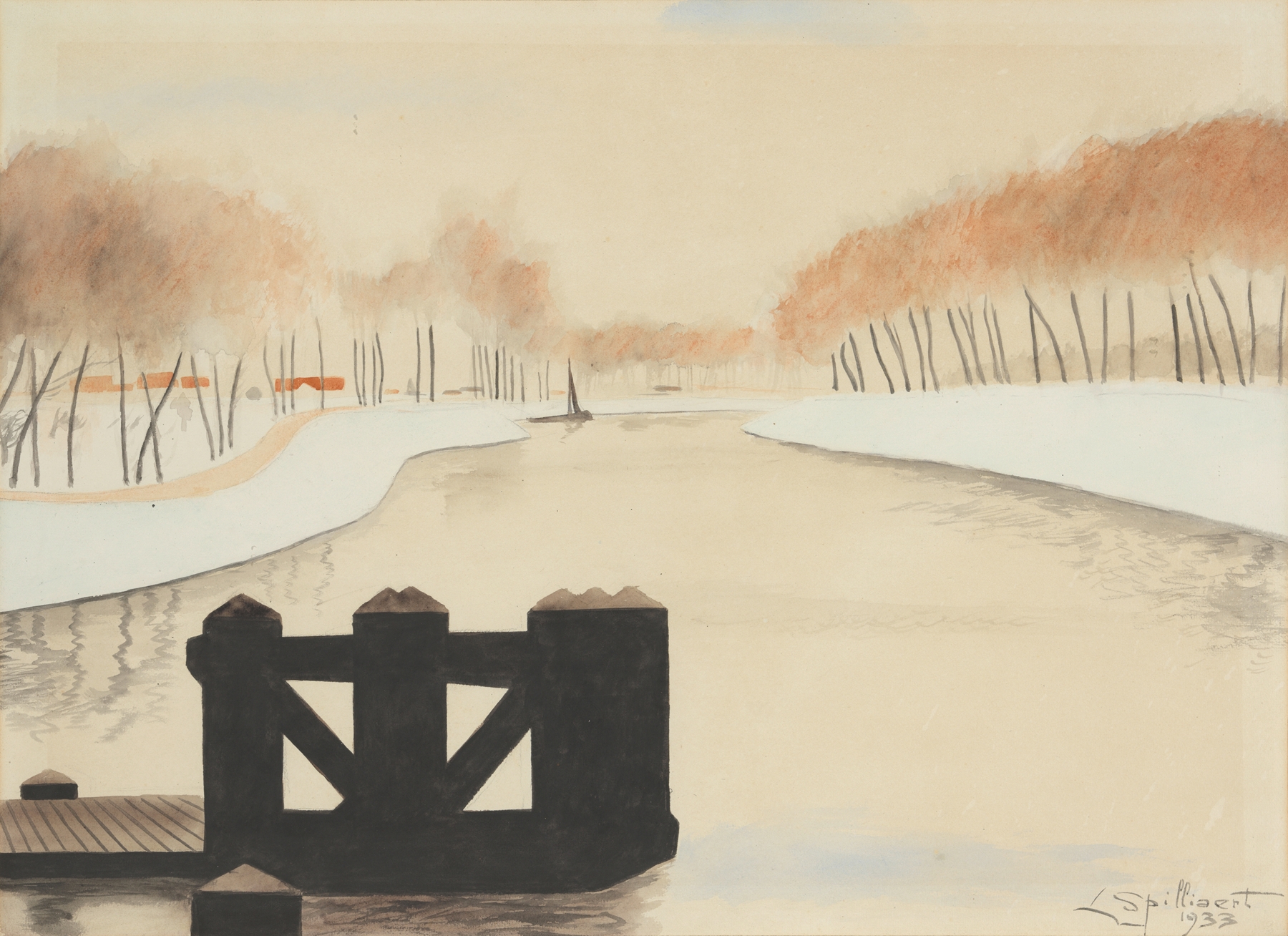
Beachview at night — History & Analysis
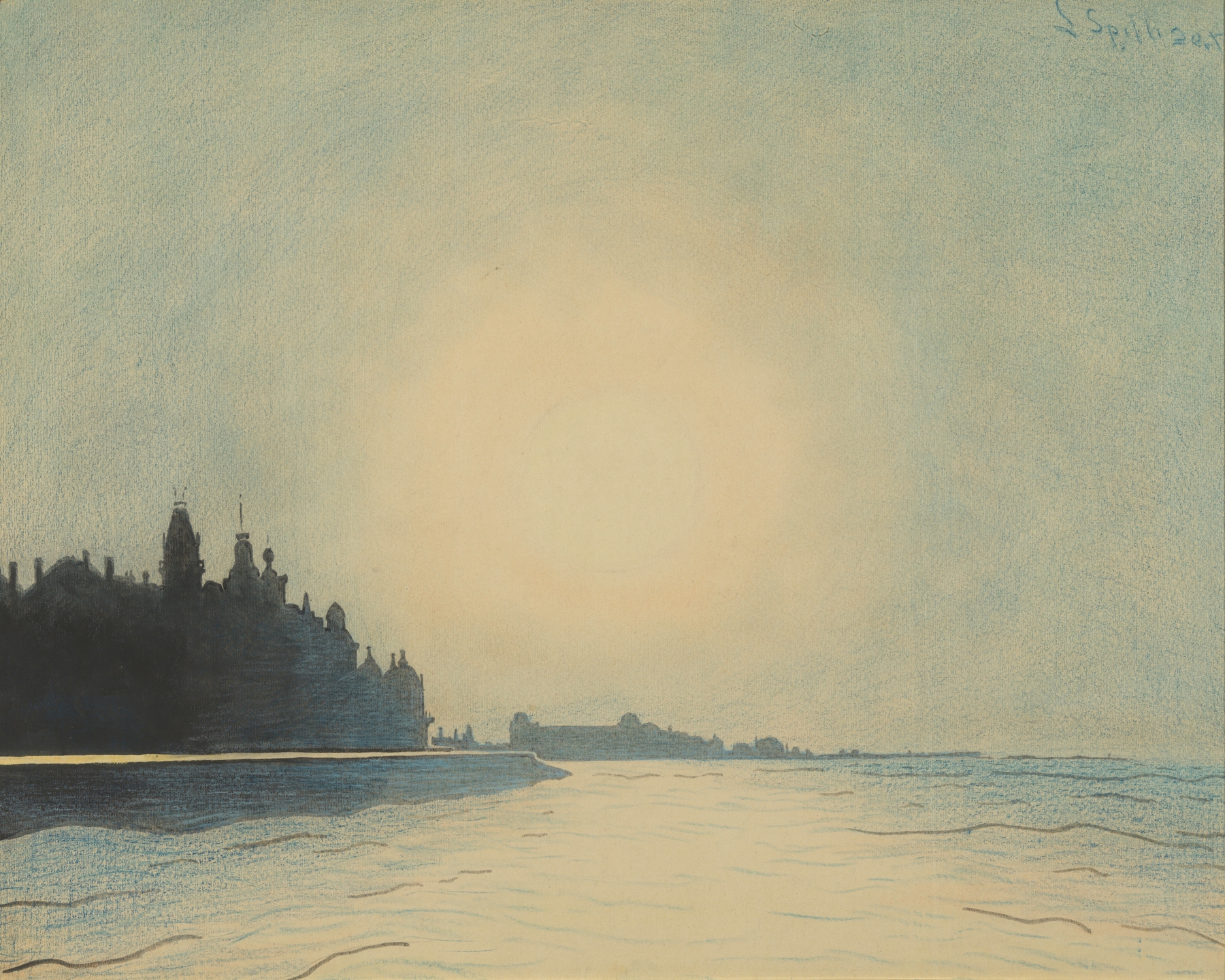
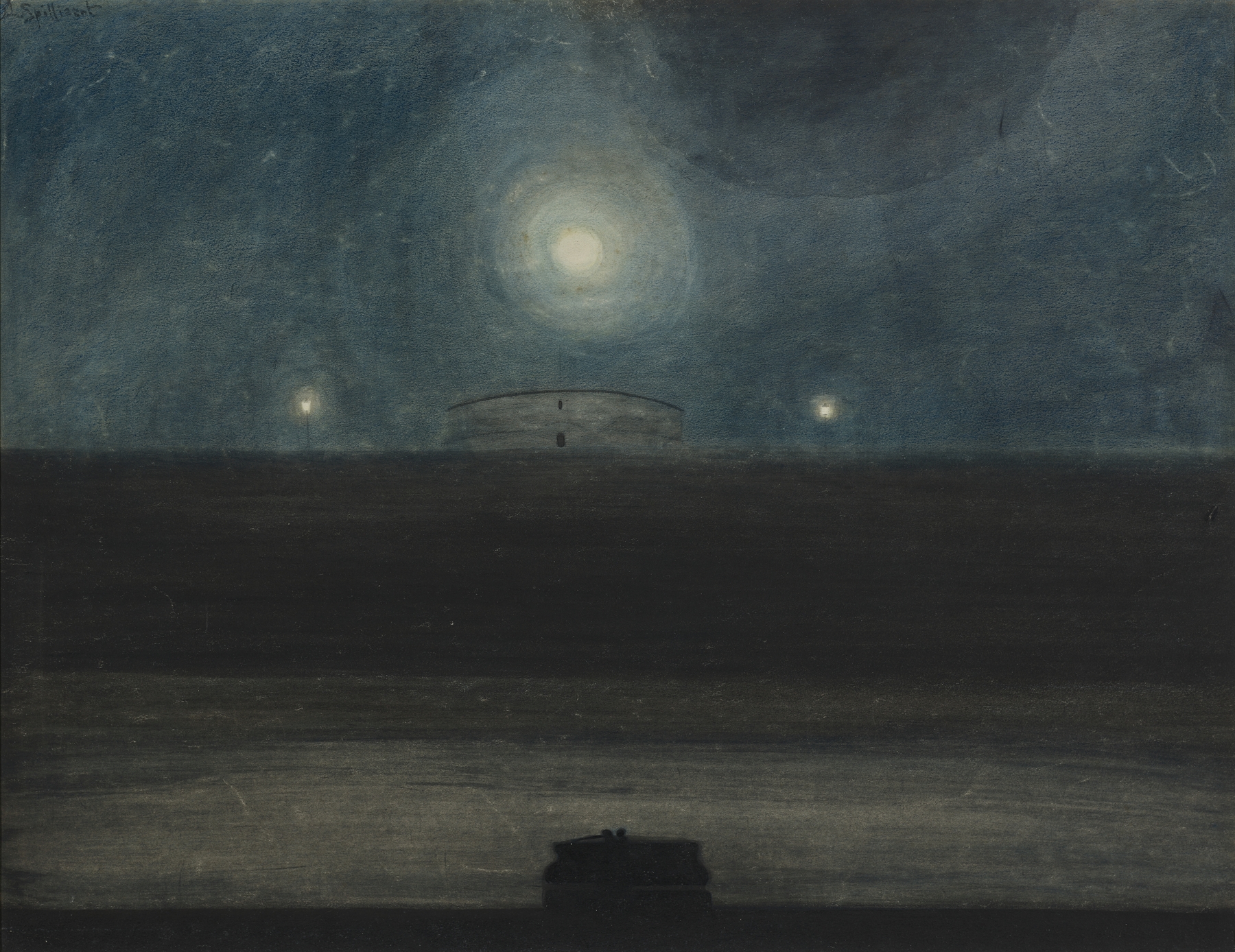
“To paint is to remember what time wants us to forget.” In the quiet embrace of night, dreams merge with reality, creating a landscape that feels both familiar and elusive. A muted palette beckons, pulling the viewer into a world where the forgotten whispers of the past unravel like a delicate thread. Focus on the horizon, where the moonlight gently caresses the undulating waves, illuminating their crests with a silvery glow. The tactile brushstrokes capture the nuances of the sea and sky, layering deep blues and soft whites that blend seamlessly into one another.
The composition, anchored by the sweeping curve of the beach, invites your gaze to wander and explore the tranquil yet haunting atmosphere Spilliaert masterfully constructs. Within this serene seascape lies an undercurrent of solitude and introspection. The absence of figures amplifies the sense of isolation, evoking a dreamlike quality that invites personal reflection. The contrast between the tranquil water and the darkened shore hints at the dichotomy between serenity and yearning, as if the ocean carries the weight of unspoken desires and untold stories.
Created in 1905, this work emerged during a period of profound exploration in Spilliaert's life. Living in Ostend, Belgium, he grappled with themes of existentialism and isolation, which were resonating throughout the artistic community. As the world teetered on the brink of modernity, he found solace in the haunting beauty of the night, channeling his introspections into art that reflects both the inner self and the surrounding landscape.
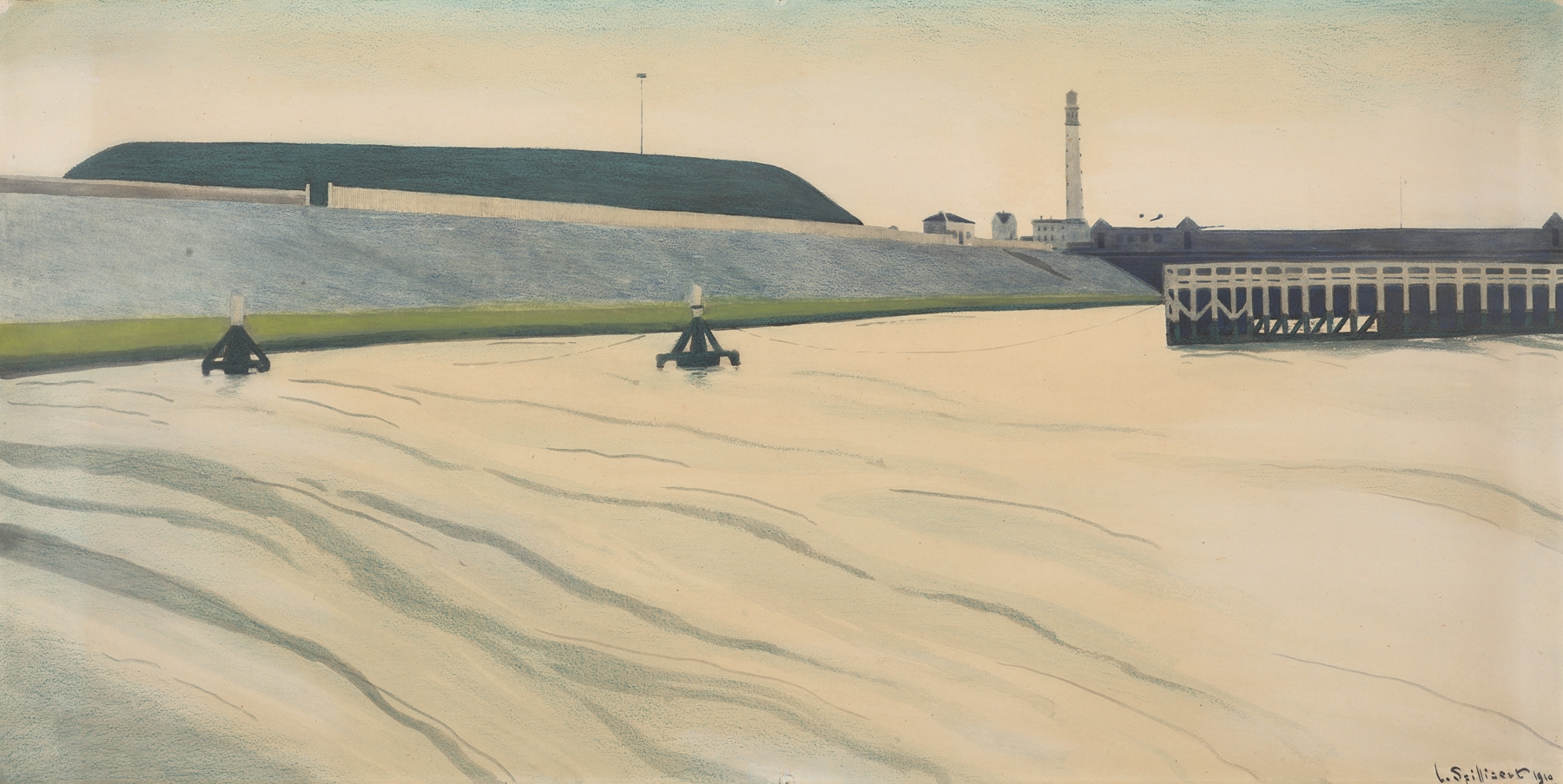
![Le Phare aux signaux [De vuurtoren], by Léon Spilliaert, public domain](https://froigstrpvutwqtqikzt.supabase.co/storage/v1/object/public/art-images/artworks/15c64ea88267bb2176f857ee48f253129140e660e1928d47acf6cab808d0226d.jpg)