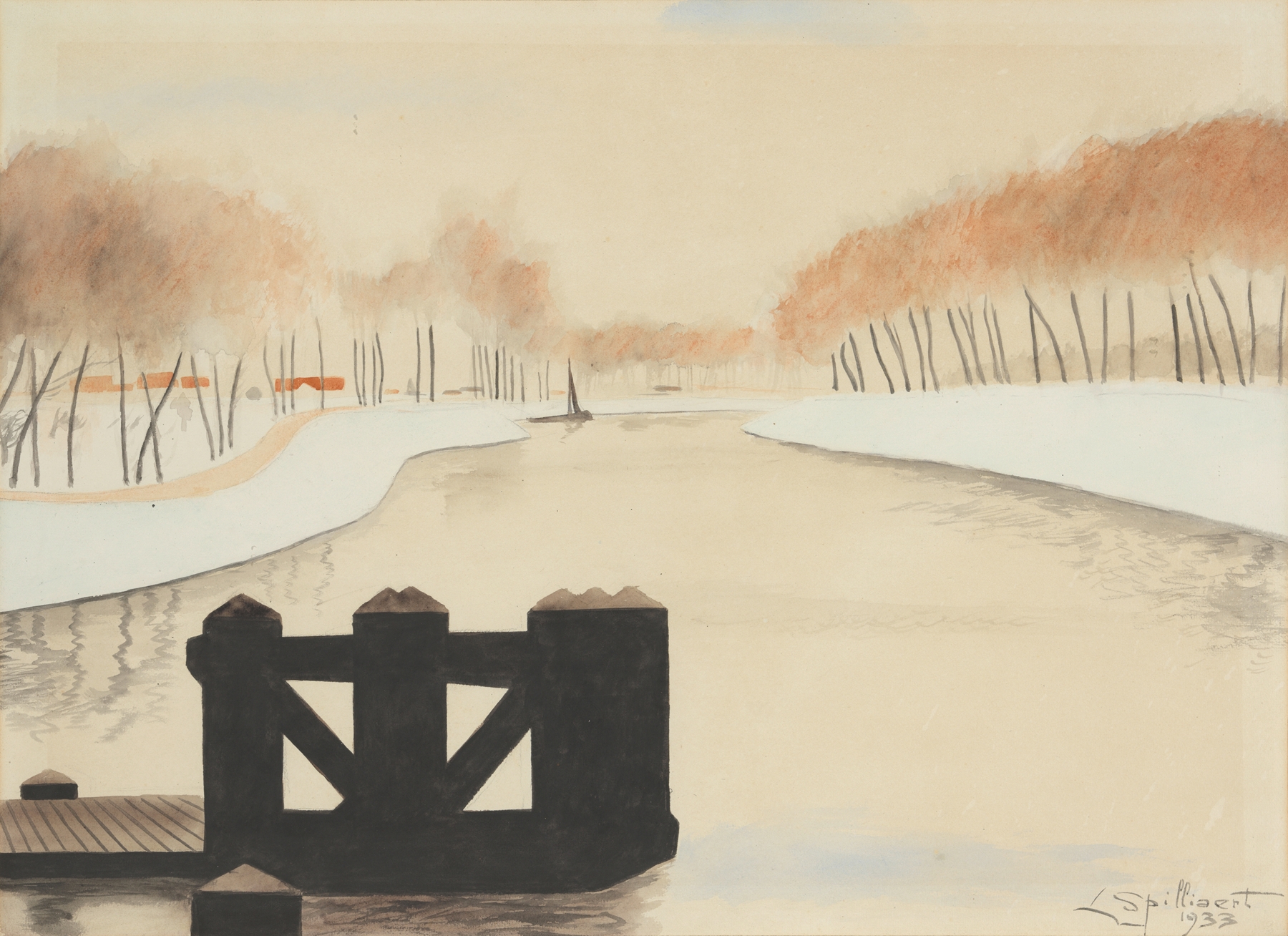
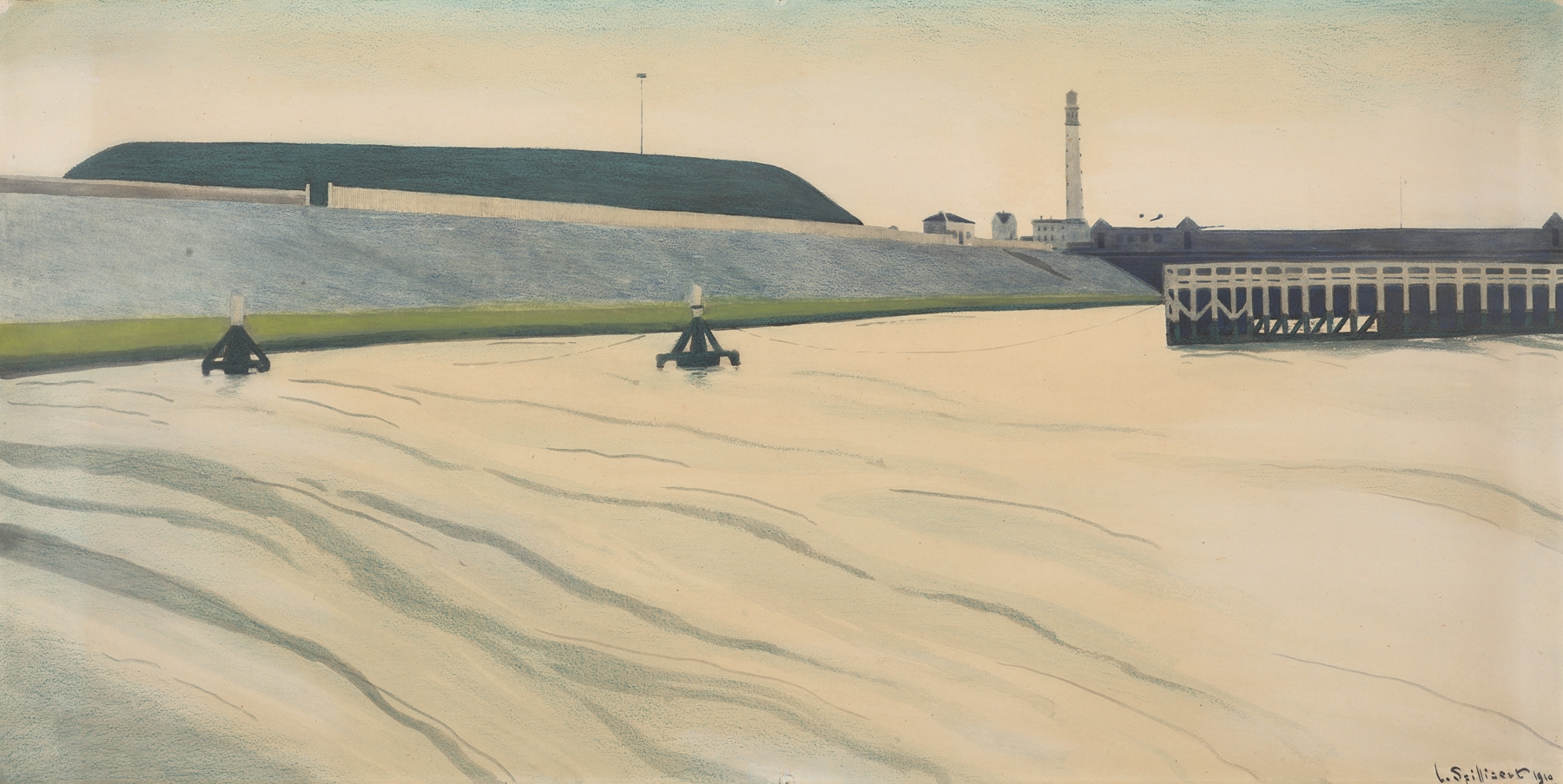
De zeedijk te Oostende van op het staketsel gezien — History & Analysis
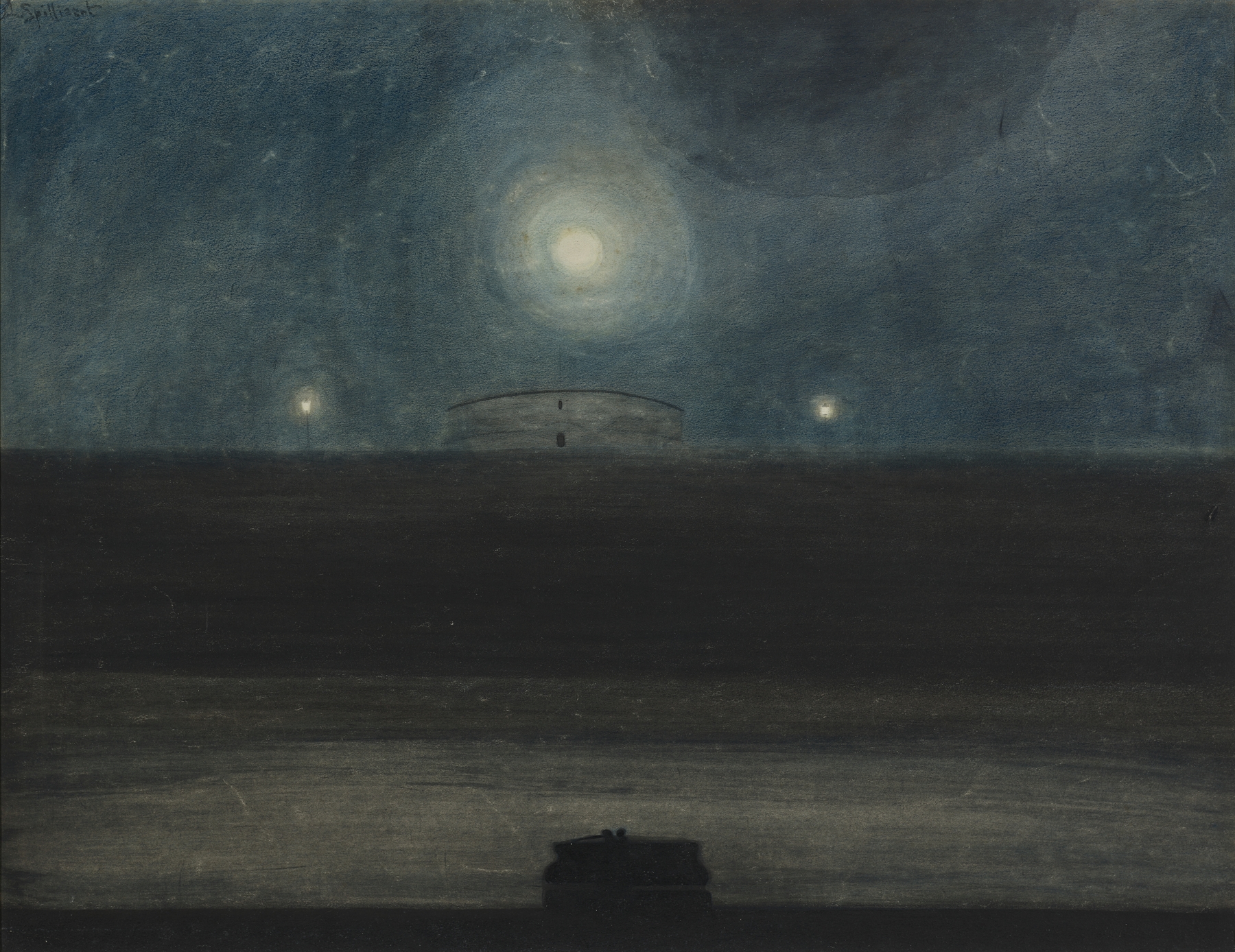
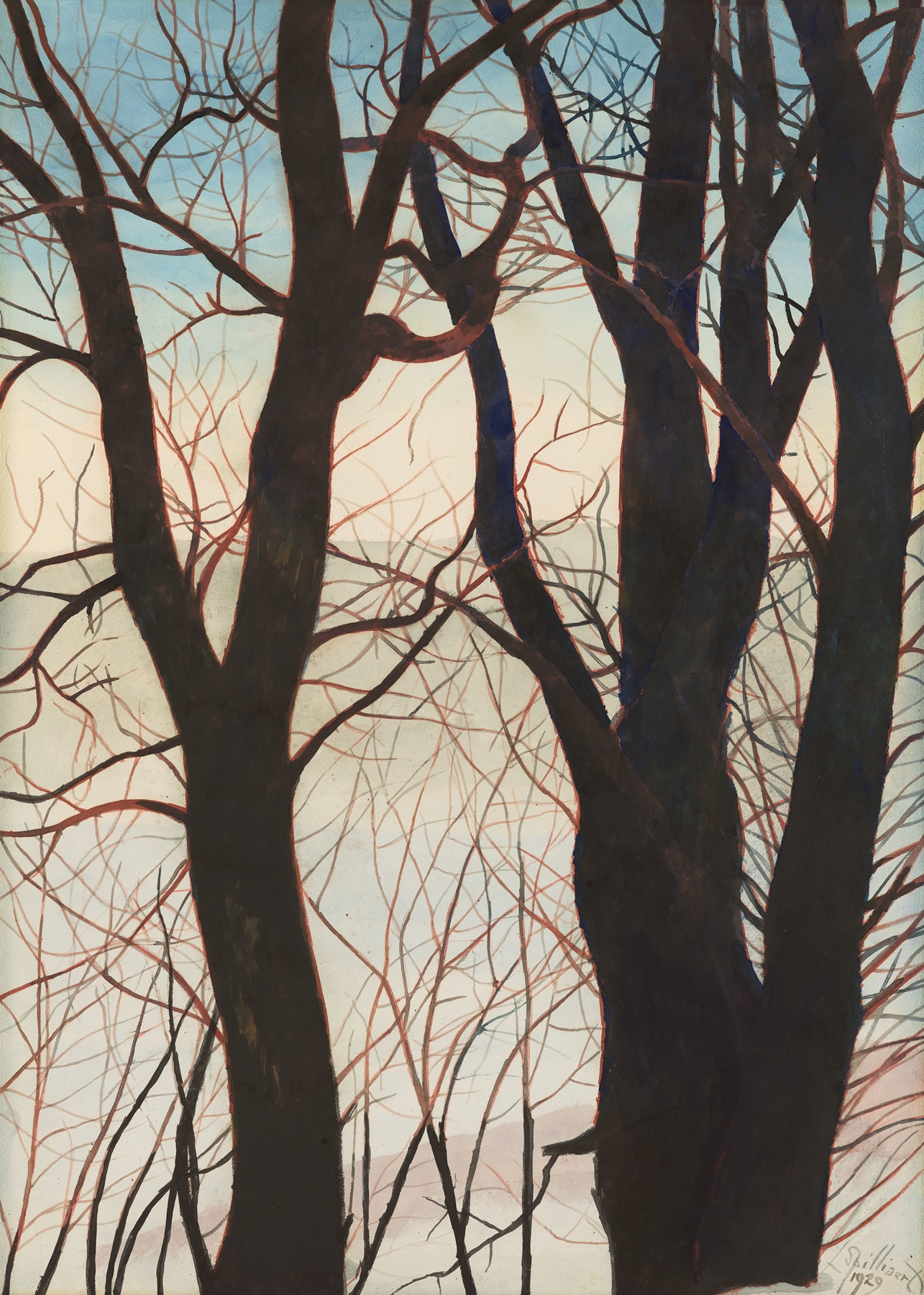
“Under the brush, chaos becomes grace.” This quote resonates with the depths of human emotion, particularly the haunting specter of loss that permeates our lives. In the quiet solitude of a coastal scene, the artist captures the delicate balance between beauty and melancholy, inviting us to reflect on the fragility of existence. Look to the left at the stark silhouette of the seawall, rising against a tumultuous sea. The brushwork here is both frenetic and controlled, with sweeping strokes that convey the restless energy of the waves.
The atmospheric hues of deep blues and grays envelop the canvas, suggesting an evening sky heavy with clouds, while the luminous light at the horizon hints at a fleeting moment of hope amidst the encroaching gloom. Each element, from the jagged edges of the pier to the soft froth of the surf, serves to ground us in this suspended state of aesthetic tension. Within this scene, the contrasts reveal deeper insights — the juxtaposition of the solid pier against the fluidity of water echoes the struggle between permanence and transience. The distant horizon symbolizes both longing and unattainable dreams, while the receding tide evokes a sense of inevitable loss.
The painter’s meticulous attention to detail compels us to confront our own feelings of absence and yearning, allowing the viewer to delve into their personal narratives woven within the landscape. In 1910, Léon Spilliaert crafted this evocative scene in Ostend, a bustling coastal town in Belgium, during a period marked by an exploration of existential themes in art. The early 20th century was a time of great change, with technology and modernity reshaping the world. Spilliaert, influenced by Symbolism and the emerging avant-garde movements, sought to express the complexities of human experience through his unique use of light and shadow, creating a poignant connection between his internal world and the external landscape.
![Le Phare aux signaux [De vuurtoren], by Léon Spilliaert, public domain](https://froigstrpvutwqtqikzt.supabase.co/storage/v1/object/public/art-images/artworks/15c64ea88267bb2176f857ee48f253129140e660e1928d47acf6cab808d0226d.jpg)