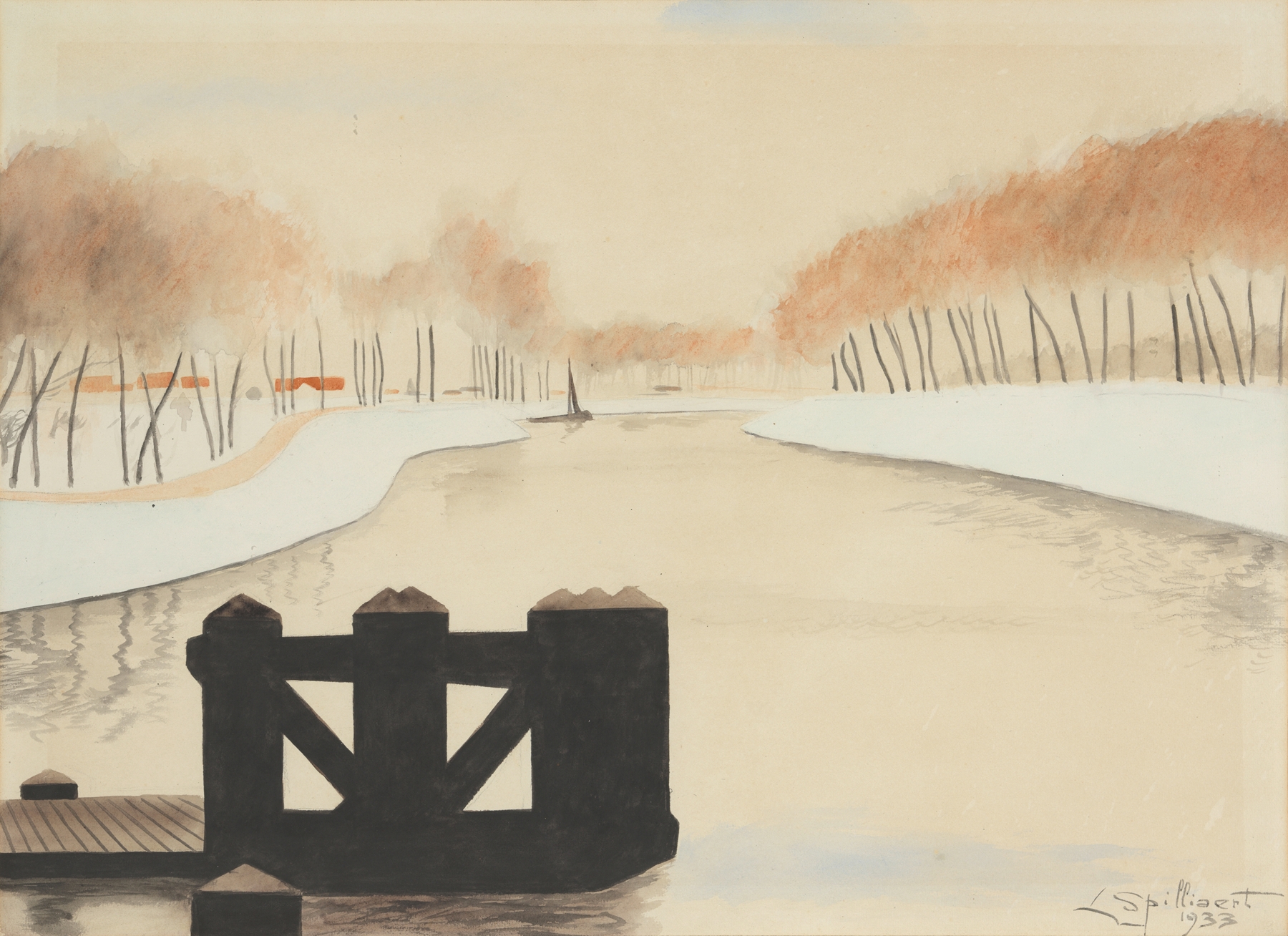
Haven te Oostende — History & Analysis
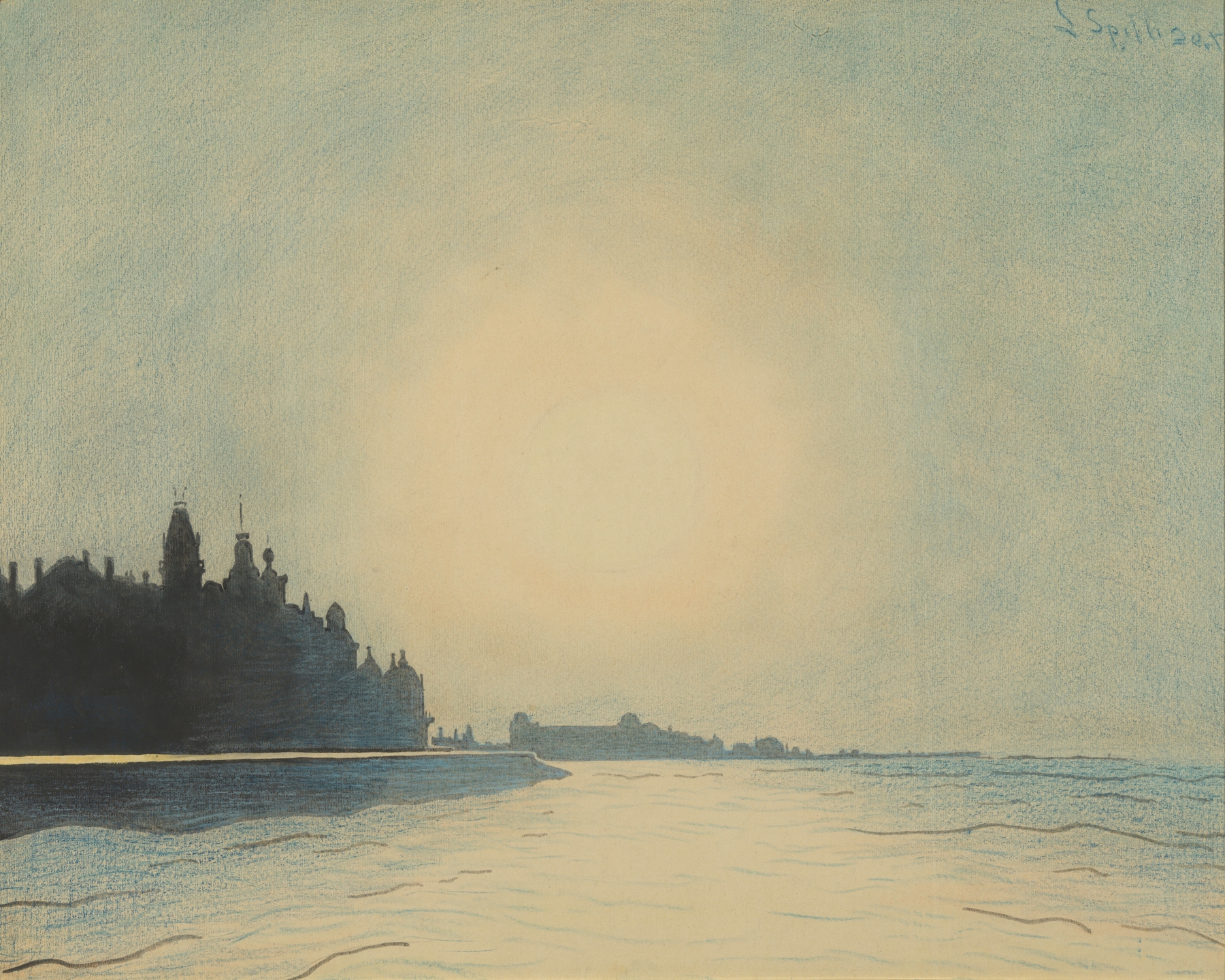
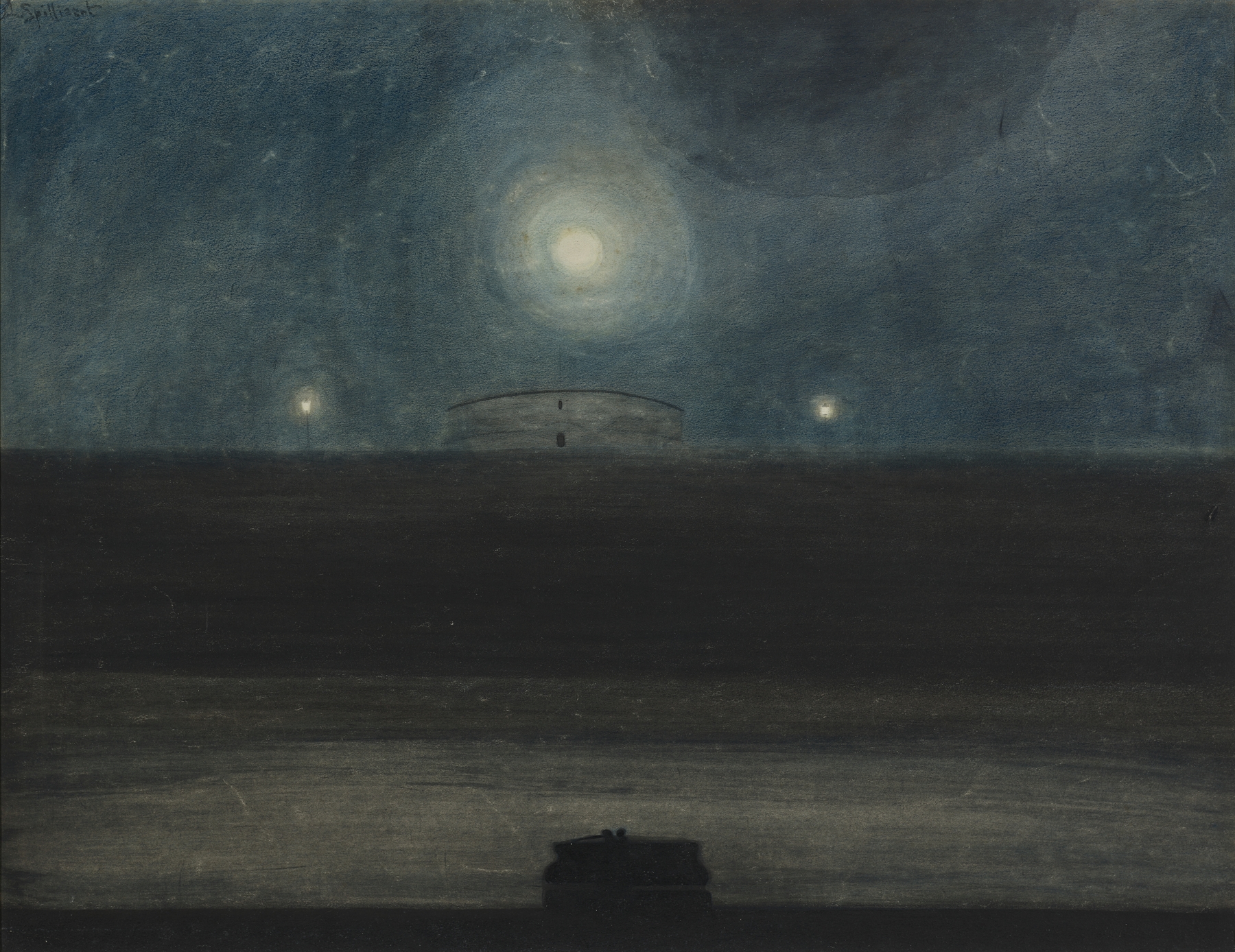
When did color learn to lie? In Haven te Oostende, a haunting seascape unfolds, where the tumultuous waves seem to resonate with the whispers of loss. The shoreline, cloaked in muted hues, beckons with a melancholic allure, inviting viewers to reflect on the transient nature of life. Focus on the horizon where the water meets the sky, a delicate gradient of blues and greys that almost seem to bleed into one another. The soft, eerie light casts an ethereal glow, illuminating the solitary figure standing on the pier, their back turned to the viewer.
This composition accentuates the vastness of the ocean, emphasizing the isolation inherent in the scene. Subtle brushstrokes create a sense of movement in the water, as though it holds untold stories of grief and longing, while the darkening clouds loom overhead, hinting at an impending storm. Within this stark landscape, the interplay of light and shadow reveals deeper emotional tensions. The solitary figure embodies a profound sense of solitude, lost in thought, while the tumultuous sea mirrors the inner turmoil that often accompanies grief.
The muted palette, devoid of vibrant colors, evokes a world stripped of joy, suggesting a somber reality where even the beauty of nature carries an air of sorrow. Created in 1910, Haven te Oostende emerged from Spilliaert's contemplative state during his time in Ostend, Belgium. This period was marked by introspection, as he grappled with personal loss and the challenges of finding his artistic voice. The early 20th century also witnessed a shift in the art world, as artists began to explore emotional depth, paving the way for modern expressionism, a movement Spilliaert would come to embody in his melancholic works.
![Le Phare aux signaux [De vuurtoren], by Léon Spilliaert, public domain](https://froigstrpvutwqtqikzt.supabase.co/storage/v1/object/public/art-images/artworks/15c64ea88267bb2176f857ee48f253129140e660e1928d47acf6cab808d0226d.jpg)