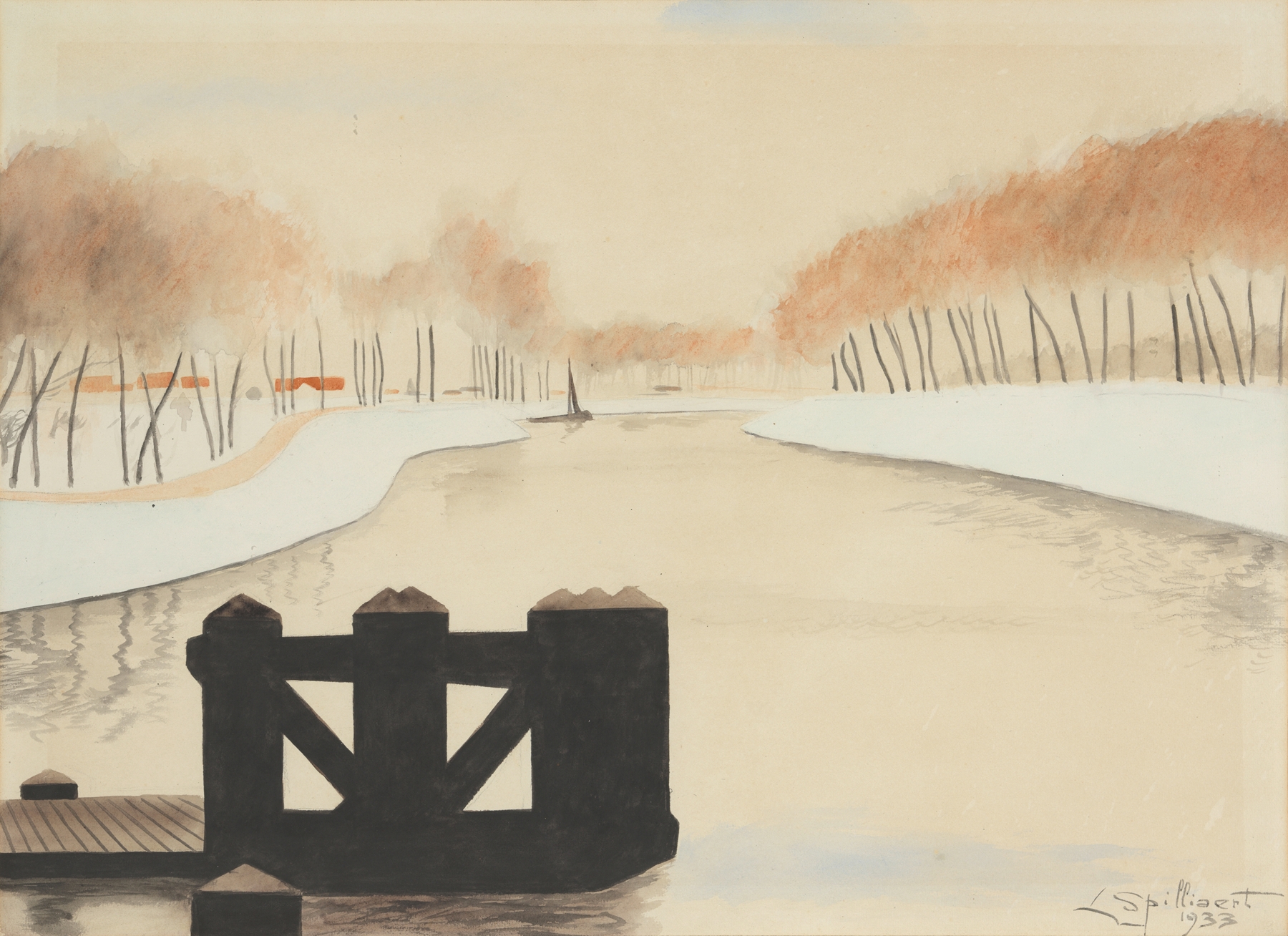
De Keignaertkreek in Zandvoorde — History & Analysis
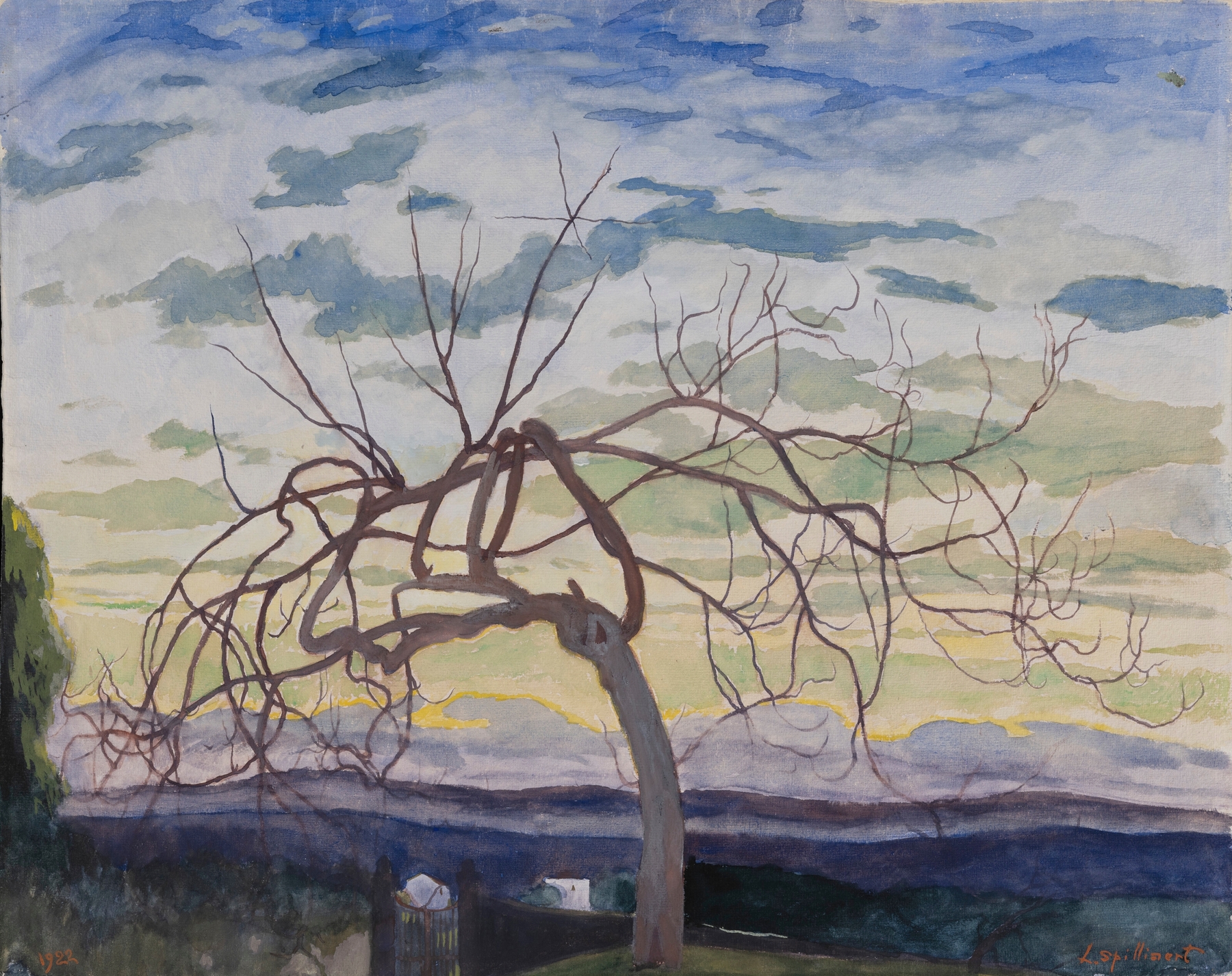
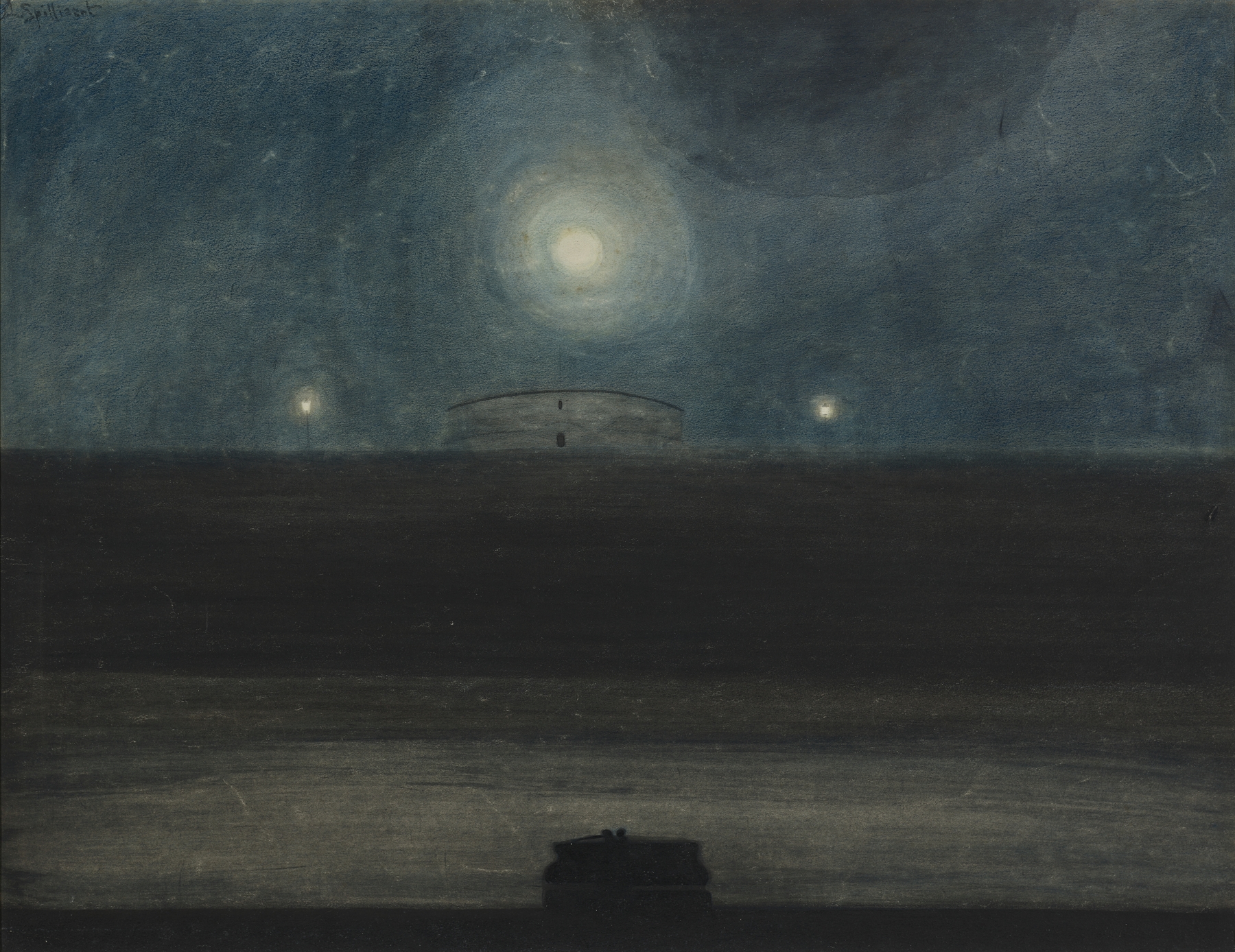
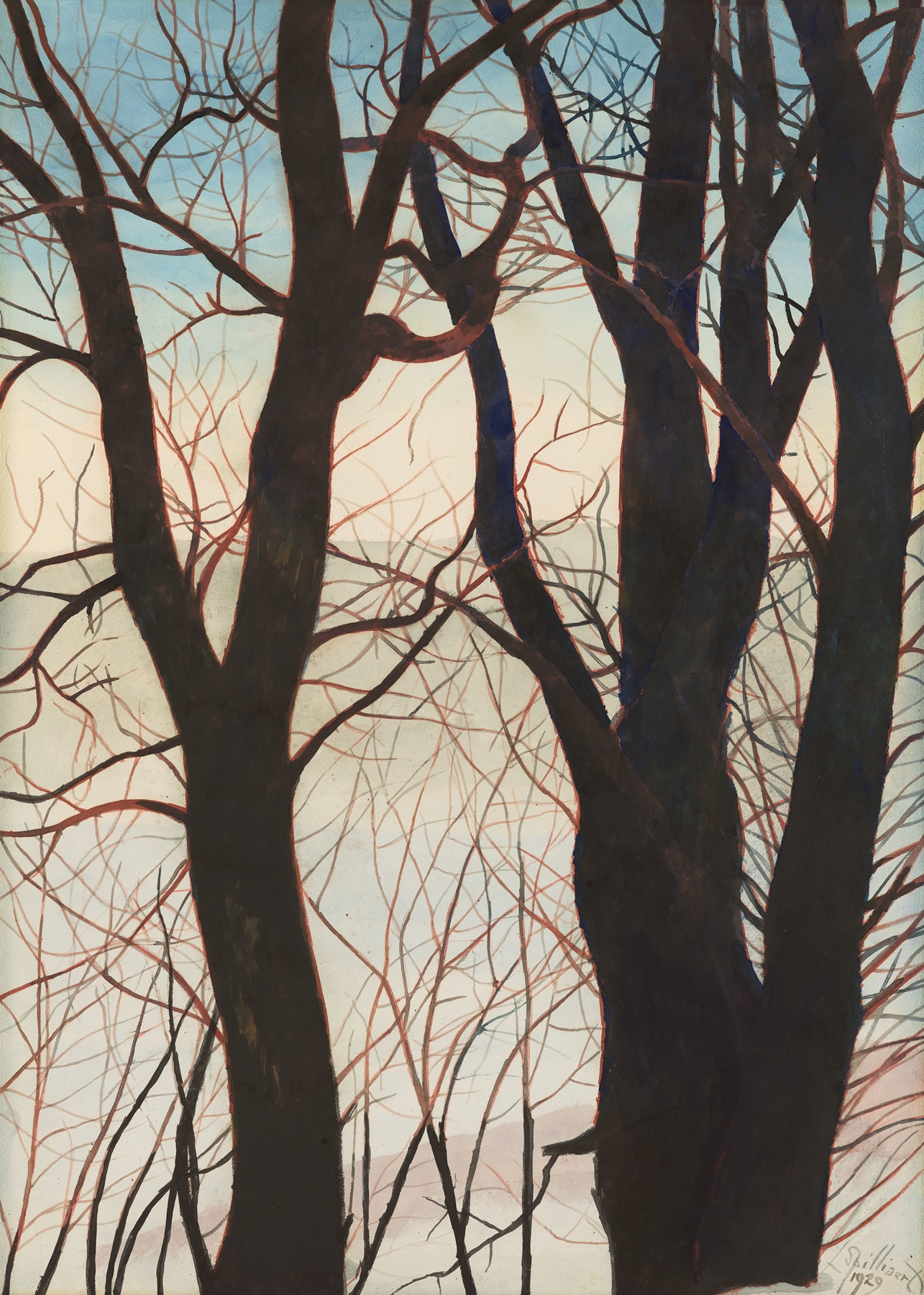
What if beauty was never meant to be finished? The question lingers in the air, as we explore the depths of nature’s unfathomable complexities, echoing through the quiet landscape of a forgotten creek. Notice how your gaze is immediately drawn to the swirling, dark waters at the center of the composition. The tumultuous surface reflects shades of deep blue and murky green, hinting at secrets lurking just beneath. The sky above is an ethereal blend of soft grays and lilacs, allowing a faint light to seep through, illuminating the edges of the trees that frame the scene.
Look closely; the brushwork is delicate yet forceful, creating an atmosphere steeped in both tranquility and tension—an illusion of harmony that belies the undercurrents of betrayal. The artist captures the duality of nature’s beauty and the shadows of disloyalty that threaten its serenity. The reflection in the water is not just an image but a metaphor for deception, where what seems perfect above is distorted below. The trees, standing tall and stoic, contrast with the rippling water, symbolizing the fragility of trust in relationships, both human and natural.
Here, one can sense a haunting stillness that invites contemplation, suggesting that beauty may reveal the darker truths of existence. Spilliaert painted this work in 1933, amidst a turbulent period in his life, marked by personal struggles and societal changes in Belgium. At this time, the art world was embracing modernism, and his emotive style began to garner recognition, reflecting the anxiety and isolation of the age. His contemplation of landscapes, infused with introspection, resonated profoundly with the human experience, mirroring the subtle betrayals inherent in nature and life alike.
![Le Phare aux signaux [De vuurtoren], by Léon Spilliaert, public domain](https://froigstrpvutwqtqikzt.supabase.co/storage/v1/object/public/art-images/artworks/15c64ea88267bb2176f857ee48f253129140e660e1928d47acf6cab808d0226d.jpg)