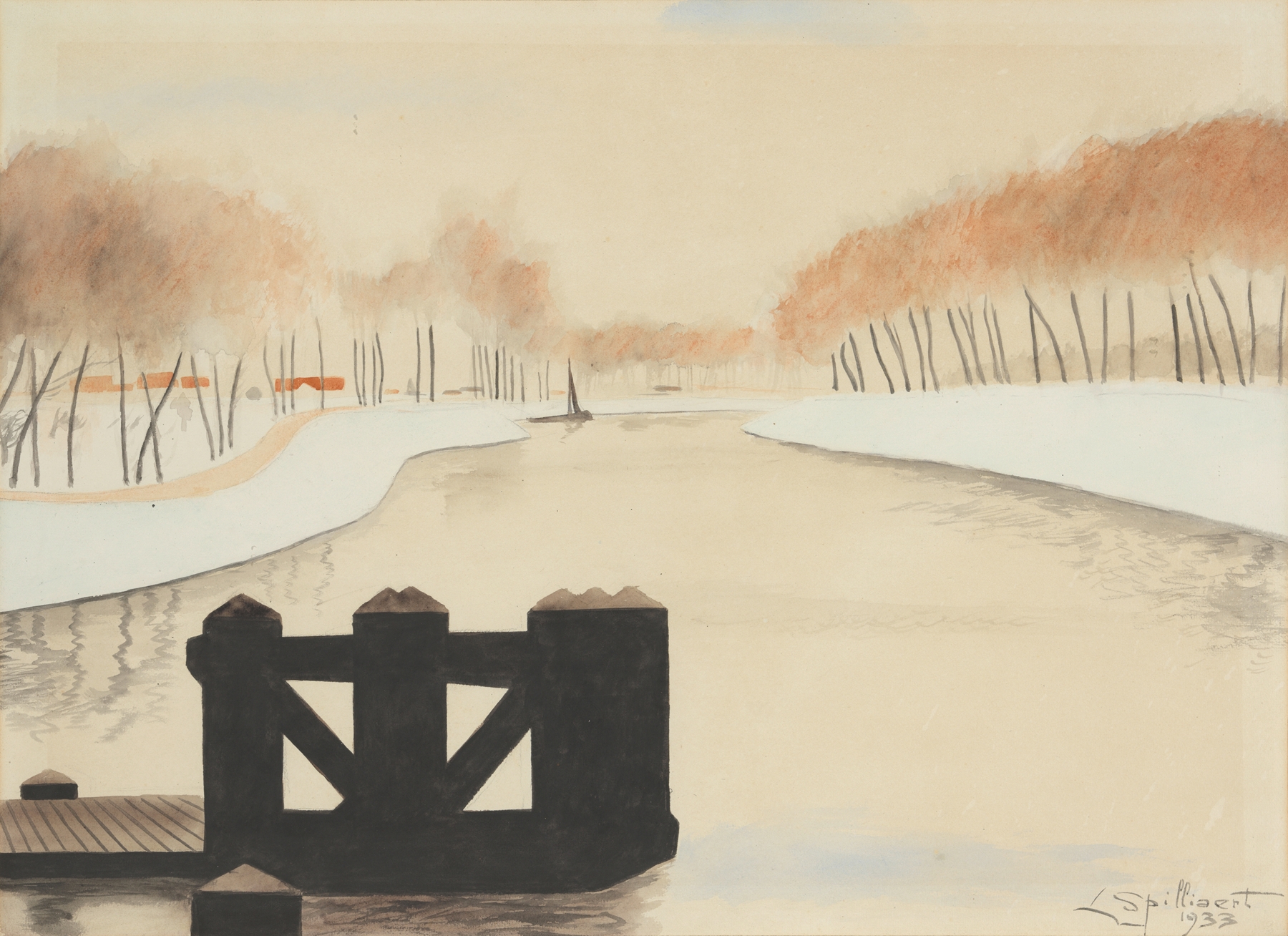
Het huis genaamd ‘De Preekstoel’ te Oostende — History & Analysis
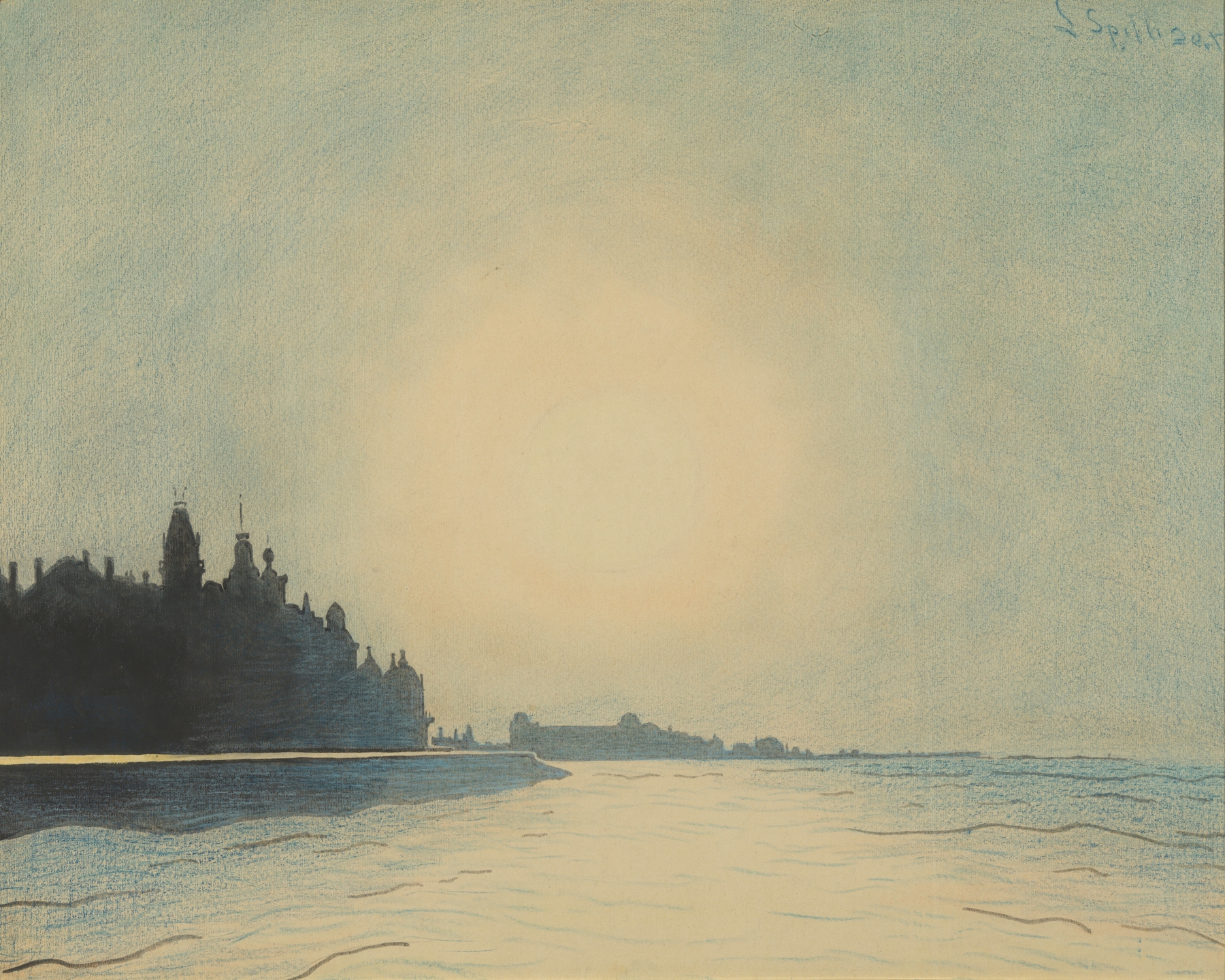
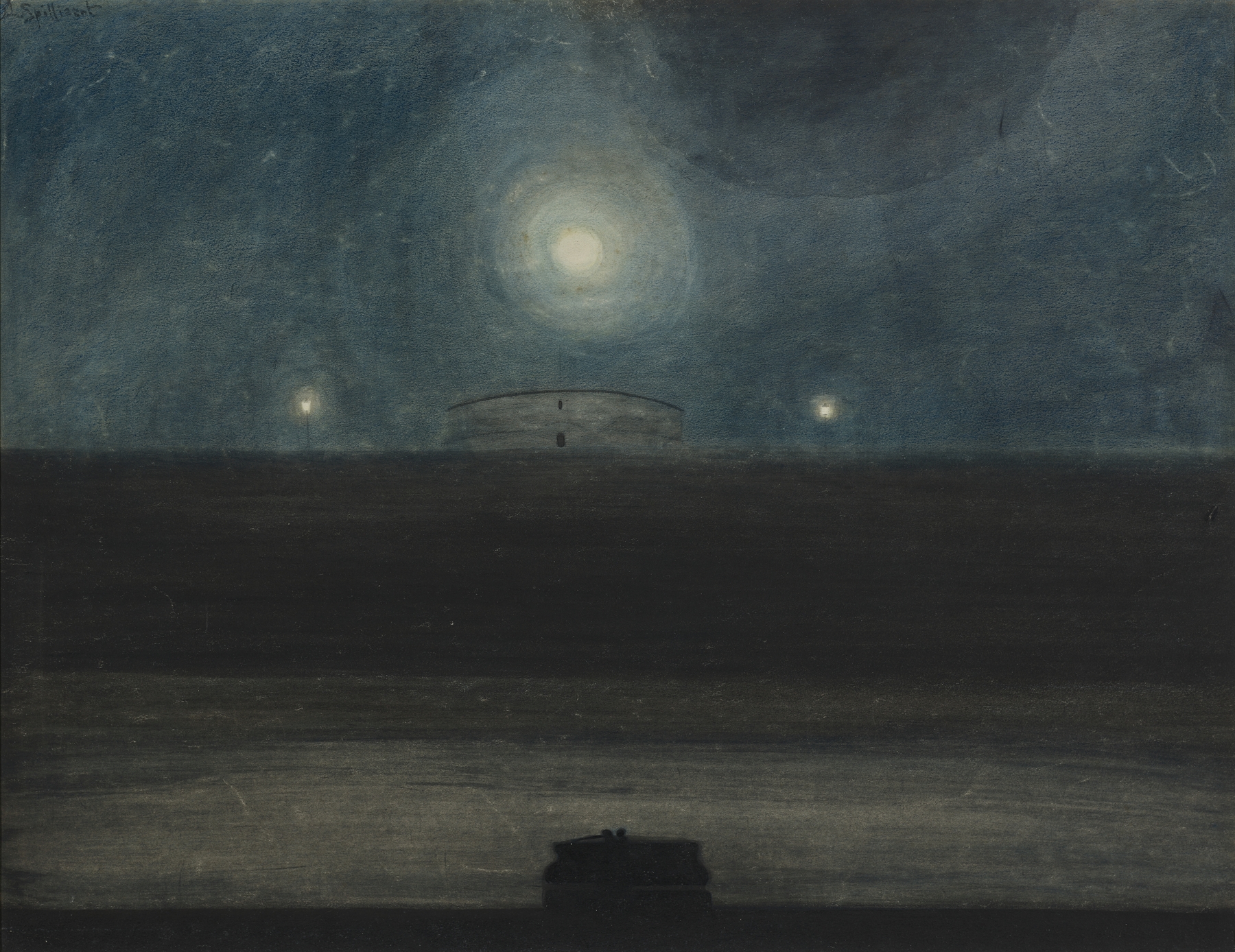
What secret hides in the quiet of the canvas? In Het huis genaamd ‘De Preekstoel’ te Oostende, an air of solitude envelops a modest structure, poised like a contemplative whisper against the vastness of the sea. Look to the left at the gently sloping roof, where muted browns and grays blend seamlessly with the twilight sky. The painting captures a moment between day and night, with a delicate interplay of light reflecting off the water’s surface. The house stands firm, yet its isolation draws the viewer’s attention to its stark simplicity and modest proportions.
A few strokes of white suggest the rolling waves beneath, evoking a sense of serenity tinged with an underlying tension. Delve deeper into the emotional currents of this piece. The stillness of the house contrasts sharply with the restless sea, hinting at the duality of faith and uncertainty. The absence of human figures amplifies the sense of contemplation, inviting thoughts on solitude and the search for meaning.
Shadows linger just out of view, symbolizing the hidden struggles that often accompany profound beliefs. In 1911, Léon Spilliaert created this work during a reflective period in his life while living in Ostend, Belgium. The early 20th century was marked by artistic exploration and a burgeoning interest in individual perception, as artists began to grapple with existentialism and the nature of reality. This painting encapsulates those themes, reflecting his personal journey while simultaneously engaging with broader artistic movements of his time.
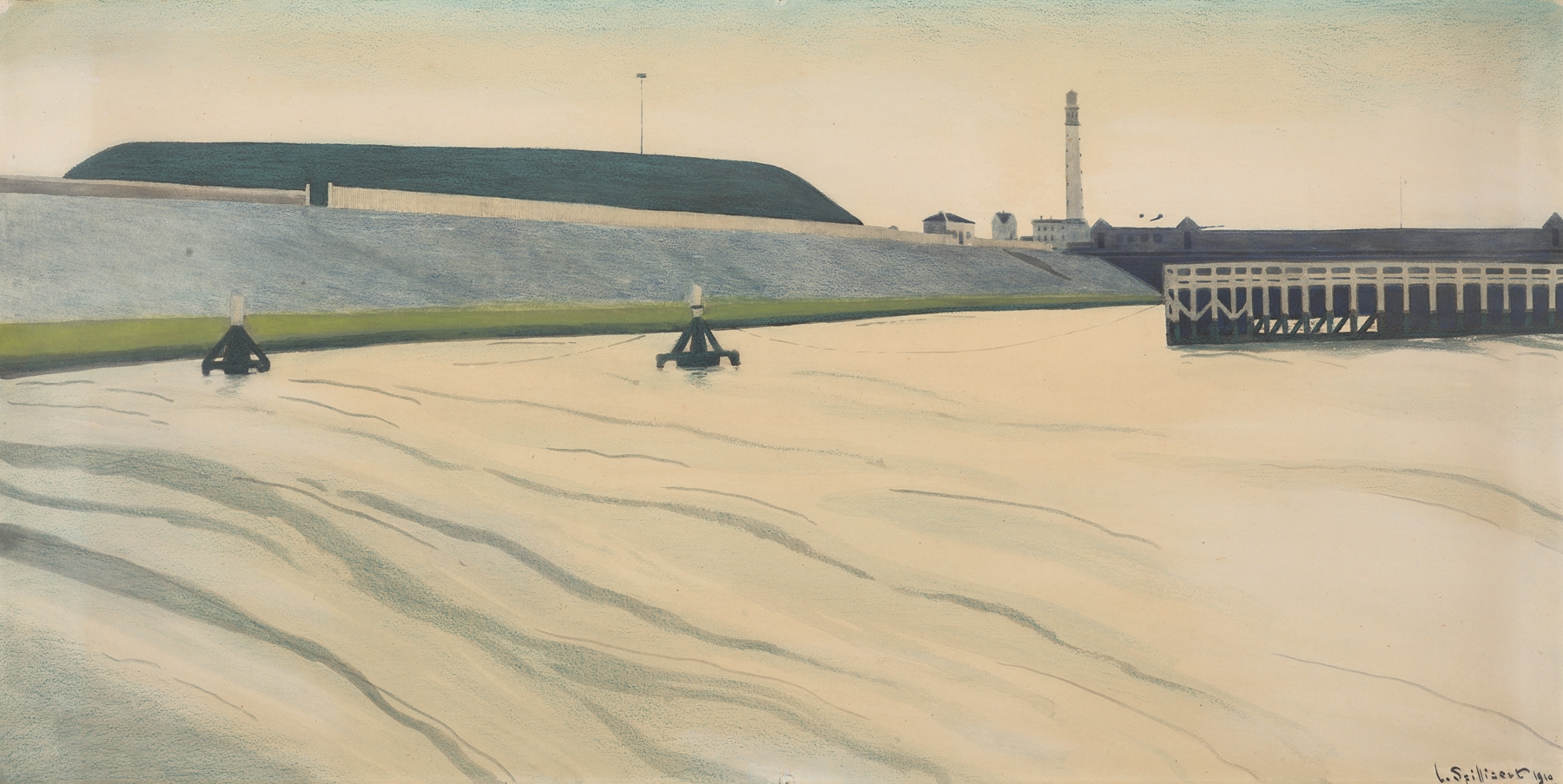
![Le Phare aux signaux [De vuurtoren], by Léon Spilliaert, public domain](https://froigstrpvutwqtqikzt.supabase.co/storage/v1/object/public/art-images/artworks/15c64ea88267bb2176f857ee48f253129140e660e1928d47acf6cab808d0226d.jpg)