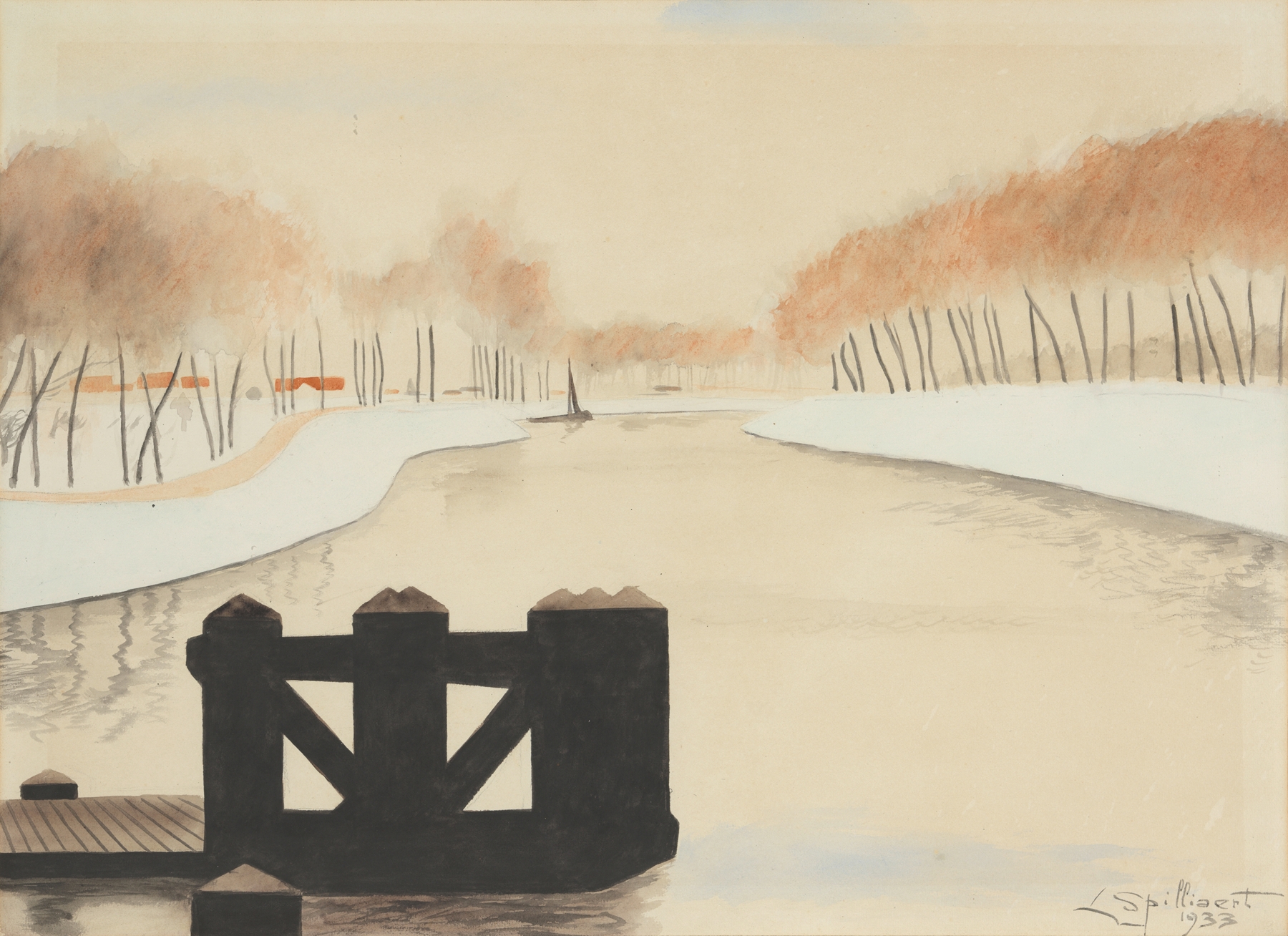
De Wellingtonrenbaan en het Royal Palace Hotel te Oostende kort na de Tweede Wereldoorlog — History & Analysis
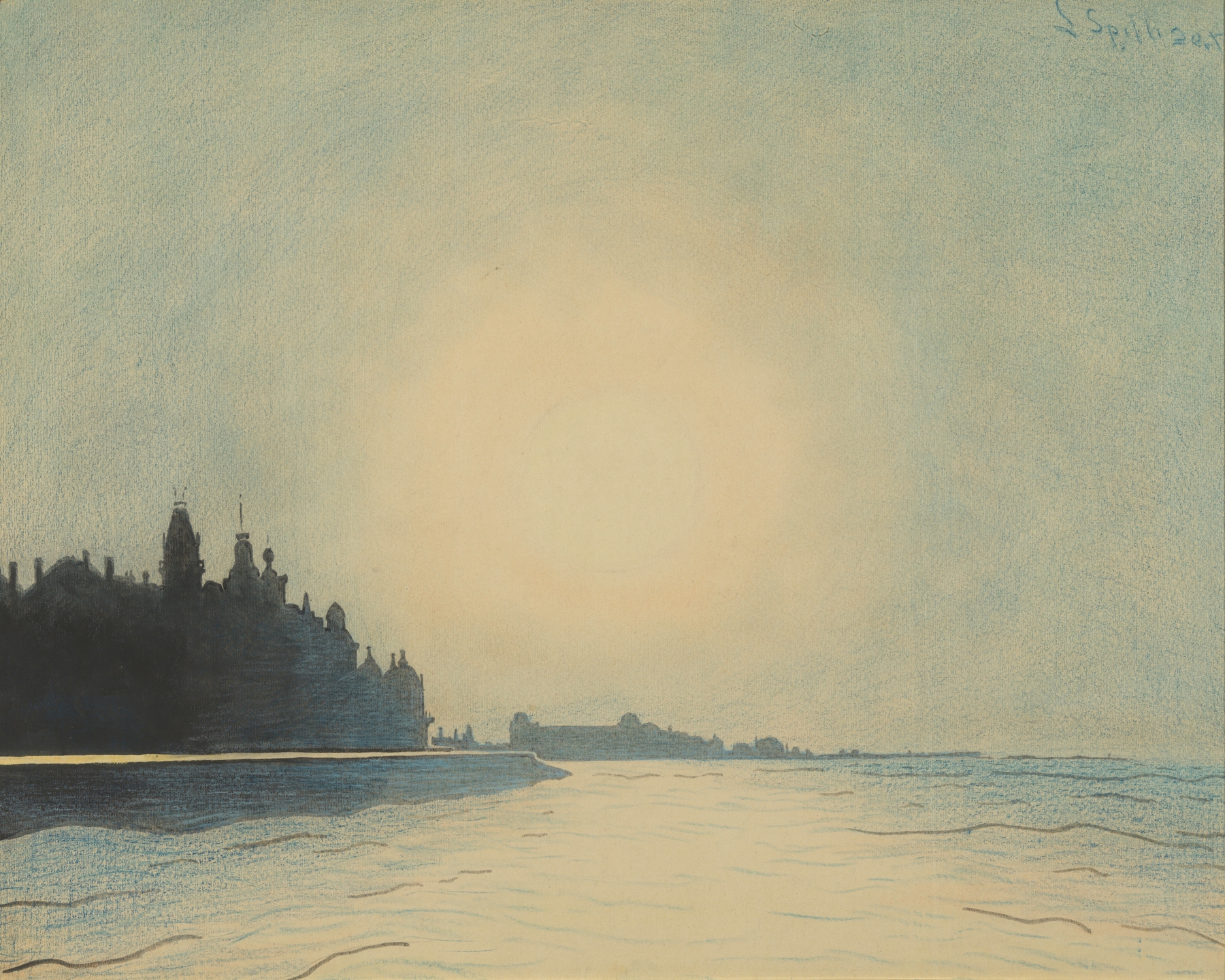
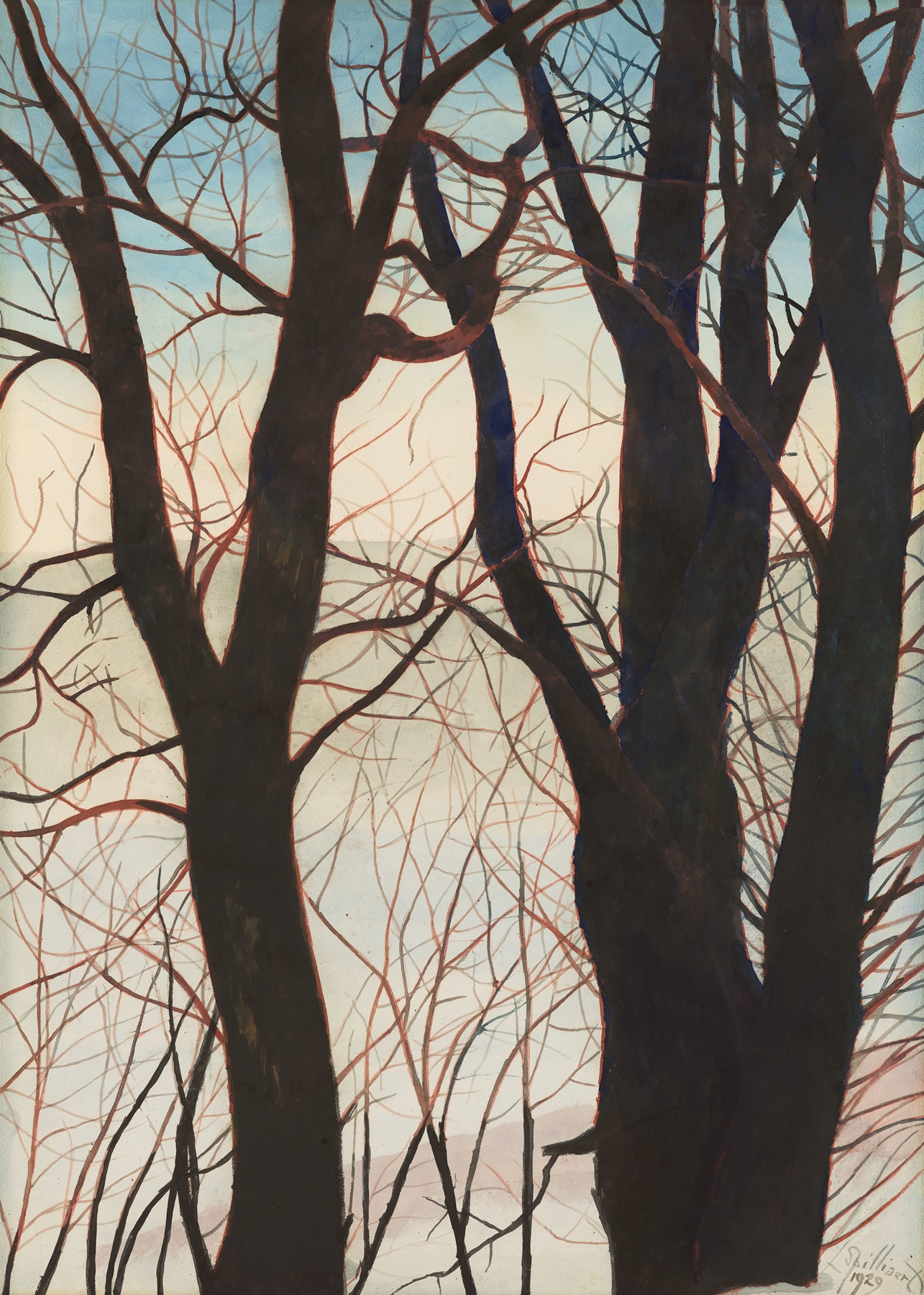
Is this a mirror — or a memory? In the wake of conflict, reflections can often blur the lines between past and present, evoking the quiet intensity of awakening and renewal. Look to the center, where the Royal Palace Hotel stands majestically, its façade illuminated against a backdrop of muted colors. The scene is bathed in cool blues and grays, capturing the essence of a moment frozen in time. Notice how Spilliaert employs an intricate play of light and shadow, conveying both nostalgia and hope.
The almost ethereal quality of the light seems to suggest a promise of brighter days, as if the world is on the cusp of transformation. In the foreground, the empty streets hint at both desolation and potential. The stillness feels palpable, as life, once vibrant, has now receded into an echo. This contrast between the bustling memory of the past and the haunting silence of the present invites contemplation about recovery and resilience. Each brushstroke carries the weight of history while simultaneously reaching towards a future that remains uncertain yet filled with possibility.
Created in 1945, this work emerged during a critical juncture in Léon Spilliaert's life, as he grappled with the lingering shadows of World War II. Working in Belgium, amidst the aftermath of conflict, he sought to capture the essence of his surroundings while reflecting on personal and collective experiences. The art world was in flux, as artists strived to make sense of chaos through new forms of expression. Spilliaert’s reflective approach resonates deeply, capturing a city in transition, echoing the broader human experience of awakening from the darkness of war.
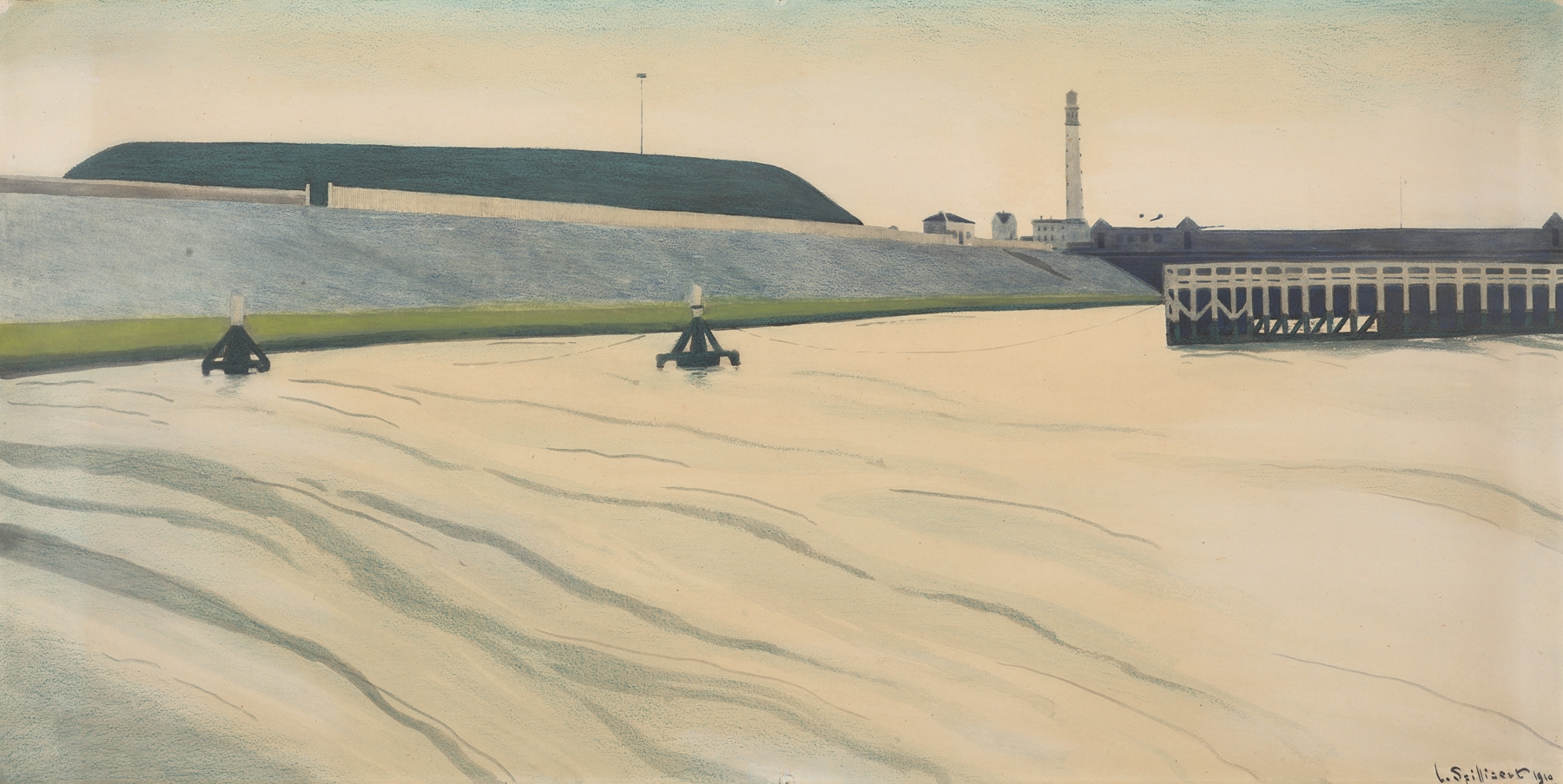
![Le Phare aux signaux [De vuurtoren], by Léon Spilliaert, public domain](https://froigstrpvutwqtqikzt.supabase.co/storage/v1/object/public/art-images/artworks/15c64ea88267bb2176f857ee48f253129140e660e1928d47acf6cab808d0226d.jpg)