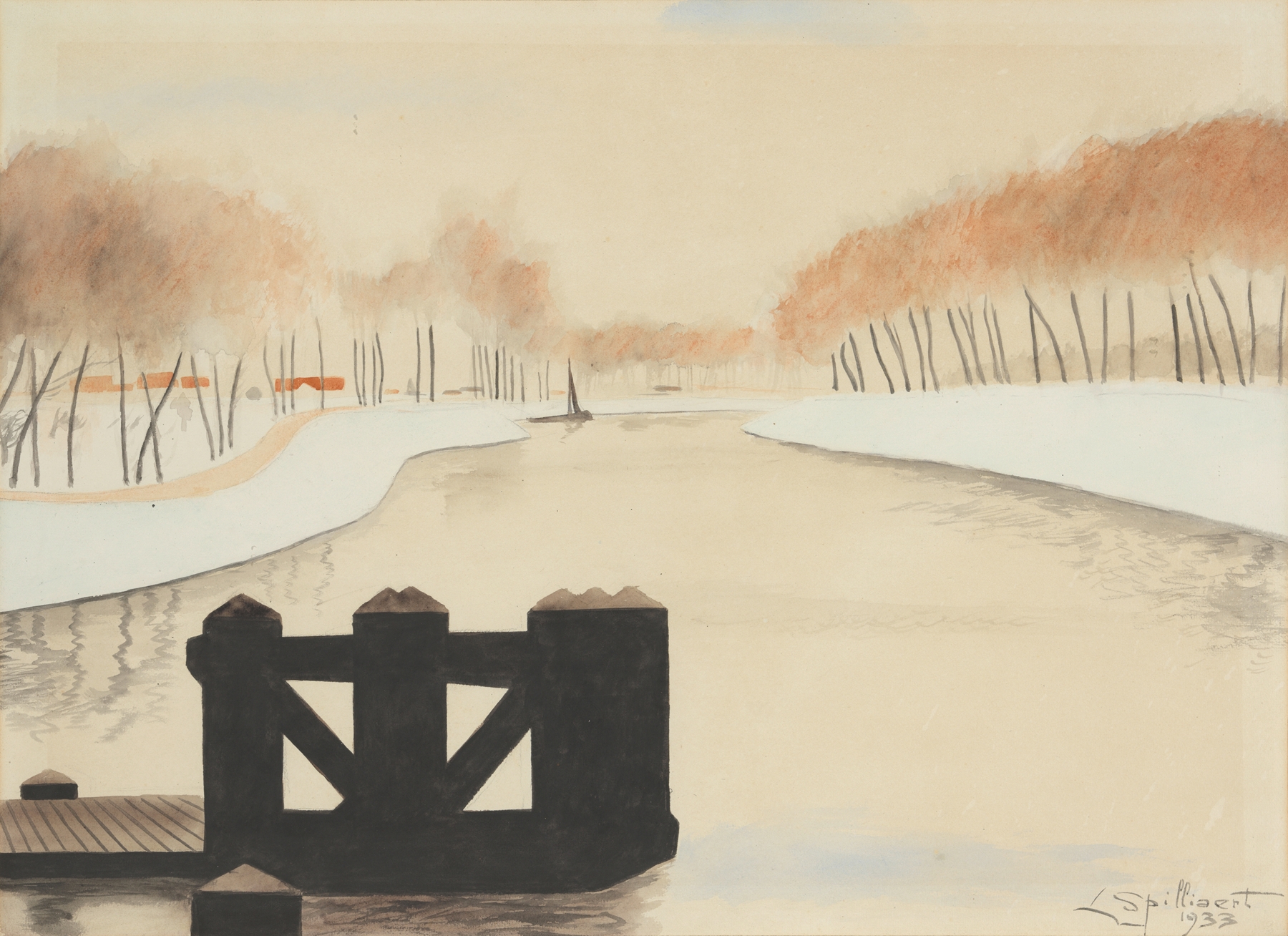
Vijgenboom in de winter, Grasse — History & Analysis
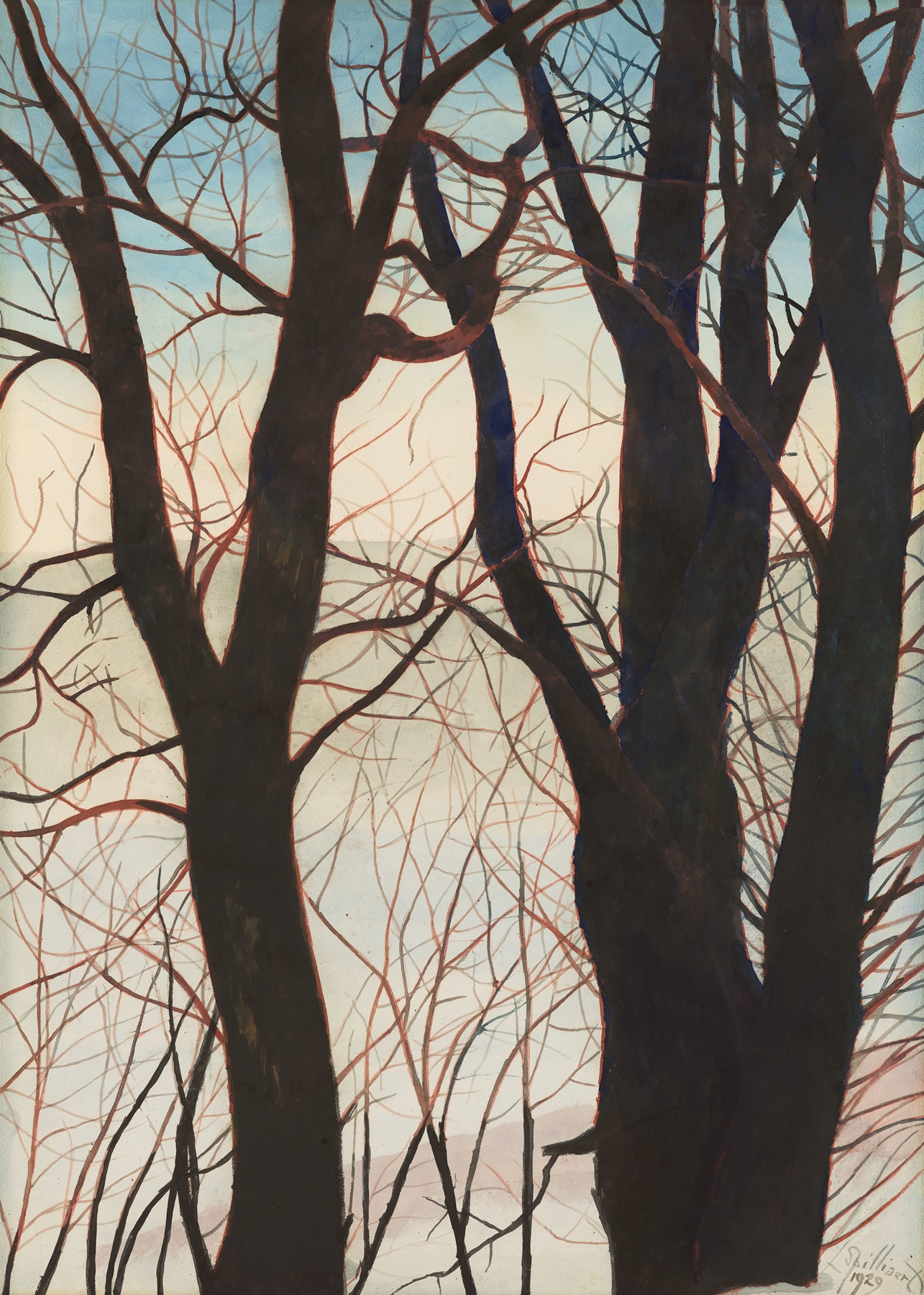
“Sometimes beauty is just pain, disguised in gold.” In this winter landscape, a solitary fig tree emerges from a void, commanding attention through its quiet resilience. Look to the left at the gnarled branches, their stark, twisted shapes reaching out against a background of muted blues and grays. Notice how the pale light bathes the scene, casting a haunting glow that emphasizes the tree’s skeletal form. The choice of color creates a somber atmosphere, as if the artist sought to capture a moment of stillness, where time rests heavy upon the canvas.
As you delve deeper, observe the juxtaposition between the starkness of the tree and the softness of the surrounding snow. This contrast invites reflection on the fragility of life in winter’s embrace, while the absence of greenery signifies a pause before renewal. The void encompassed in the composition speaks of loss, yet within that emptiness, there exists an indefinable strength—a beauty mingled with melancholy, evoking a profound sense of longing and introspection.
Léon Spilliaert painted this work in the tranquil town of Grasse in 1922. At this time, he was exploring themes of isolation and the human condition, grappling with personal struggles and a growing sense of existential reflection. The art world was undergoing a shift, and Spilliaert's unique style, deeply rooted in expressionism, sought to capture the emotional essence of his surroundings, resonating with the complexities of life amidst nature's stark beauty.
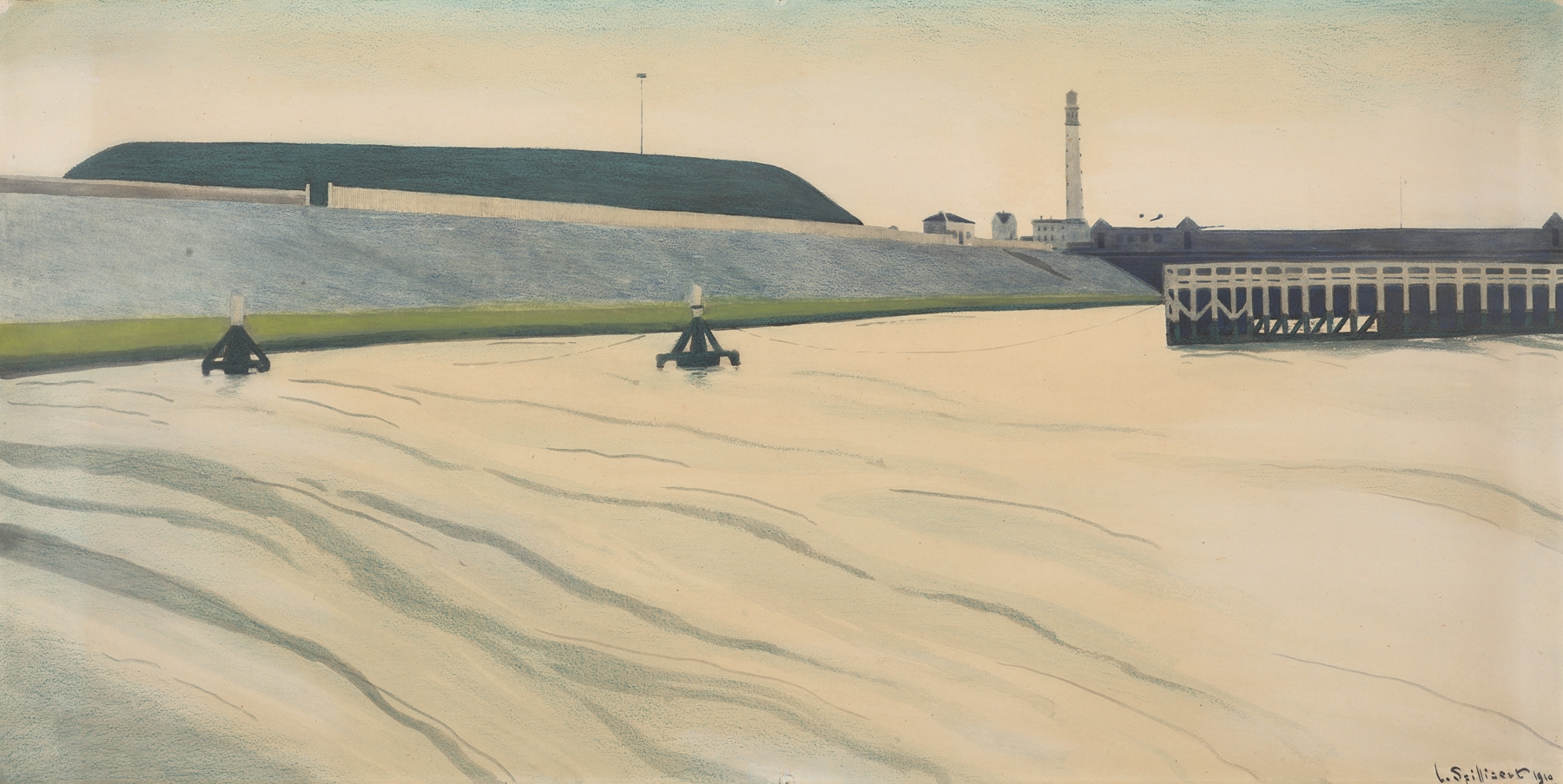
![Le Phare aux signaux [De vuurtoren], by Léon Spilliaert, public domain](https://froigstrpvutwqtqikzt.supabase.co/storage/v1/object/public/art-images/artworks/15c64ea88267bb2176f857ee48f253129140e660e1928d47acf6cab808d0226d.jpg)