Le Phare aux signaux [De vuurtoren] — History & Analysis
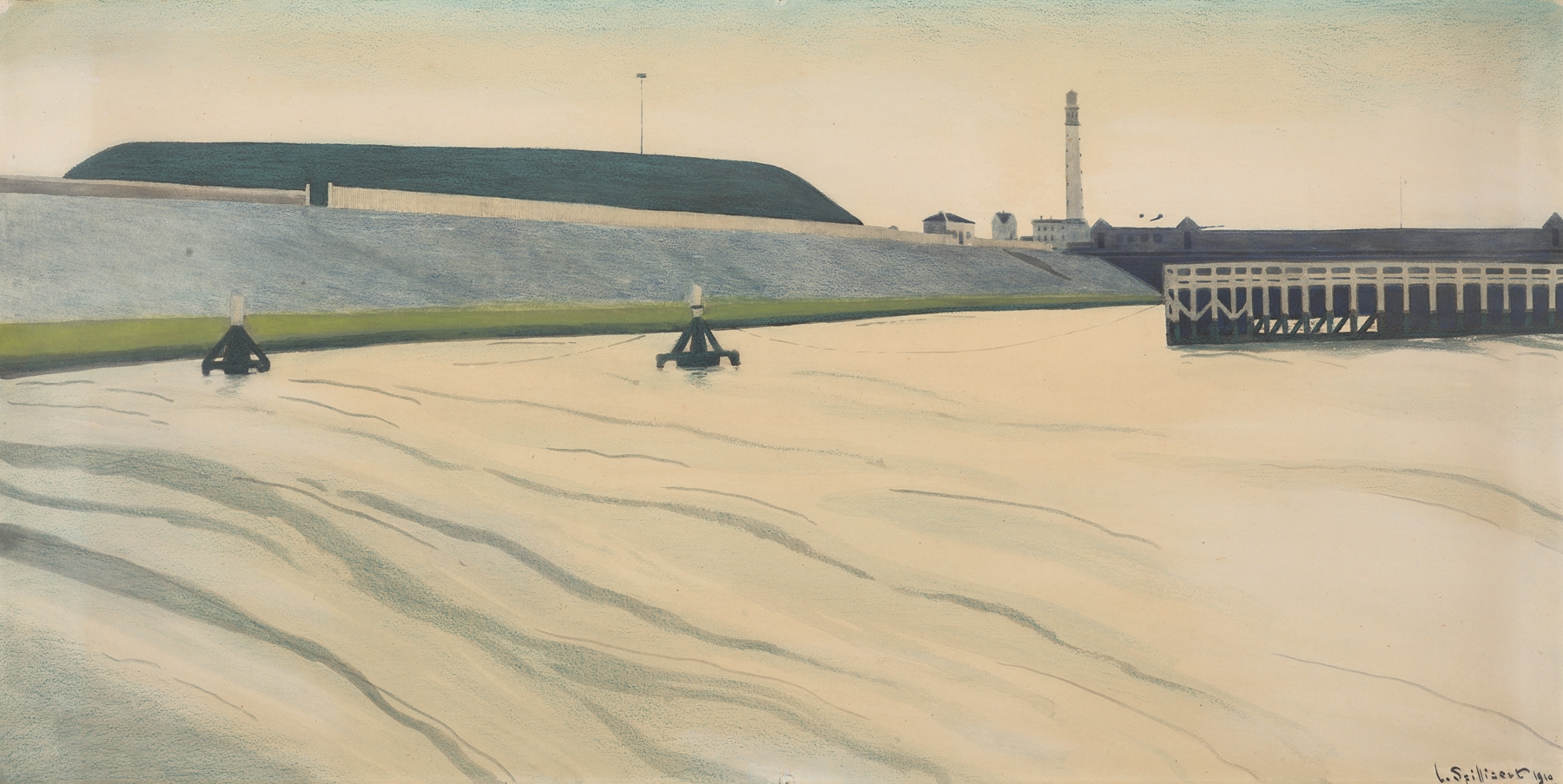
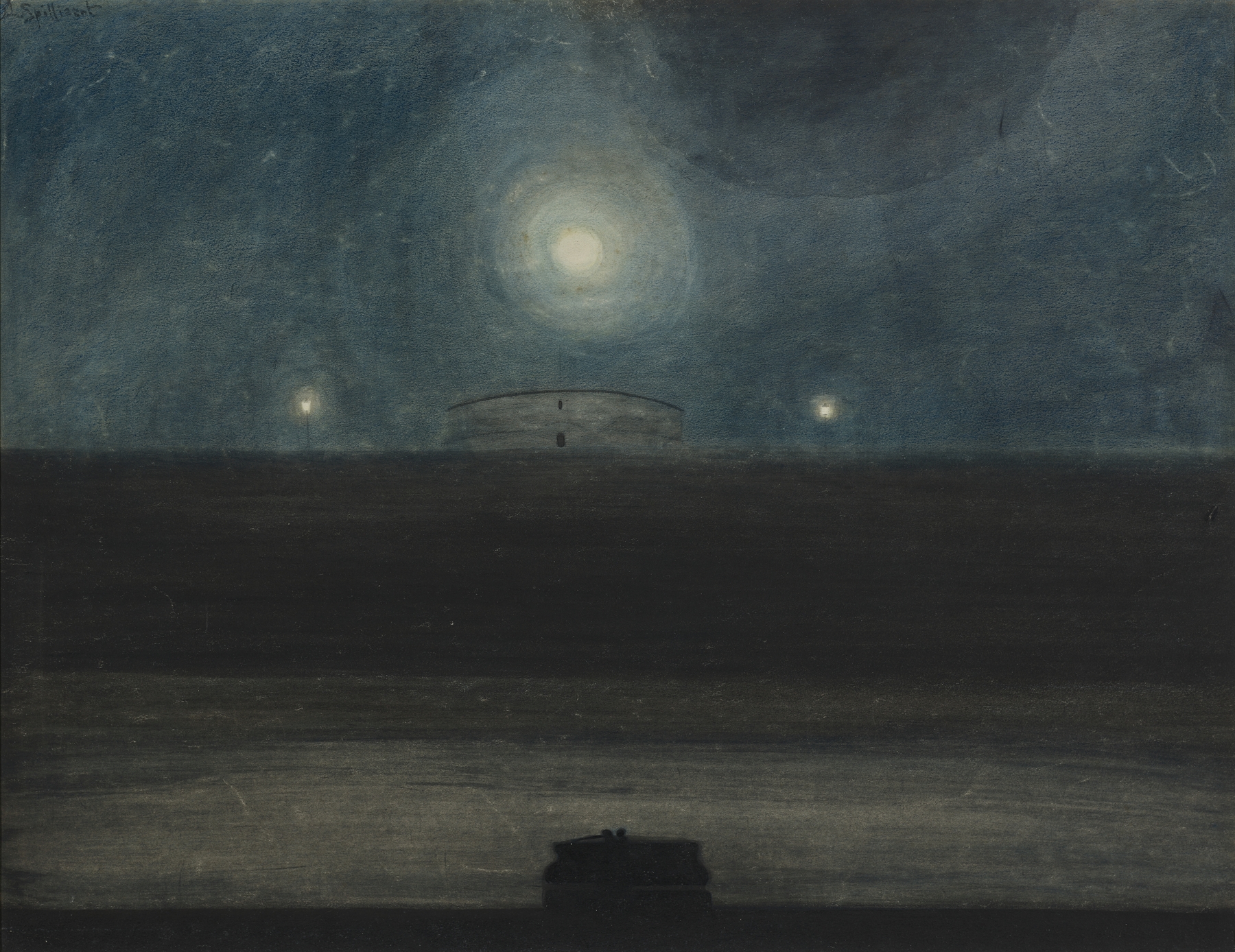
Can beauty exist without sorrow? In Le Phare aux signaux, the answer unfolds in the delicate interplay between light and shadow, revealing an illusion that beckons the viewer closer. Look to the center, where the lighthouse stands as a solitary sentinel against a backdrop of inky blue. The glow emanating from its top creates a stark contrast with the surrounding darkness, illuminating not just the structure, but also the sense of isolation it embodies.
Notice how the curved lines of the waves below embrace the base, while the shimmering reflection ripples across the water’s surface—each stroke echoes the tension between calm and turbulence. Dive deeper into the subtle details: the lighthouse, though radiant, is enveloped in solitude, a metaphor for the human condition. The juxtaposition of the brilliance atop the tower against the vast emptiness suggests the loneliness that often accompanies enlightenment. In the gentle undulation of the waves, one can perceive the resilience of nature, a reminder that beauty often thrives amidst struggle.
In 1909, Spilliaert was living in Belgium, immersed in the Symbolist movement, which sought to explore the depths of individual emotion and the subconscious. This was a time when art began to express the complexities of modern existence. The artist, influenced by his own experiences with melancholy, captured this moment with a haunting clarity, inviting the viewer to reflect on the delicate balance between light and dark in both nature and life.