Begrafenisstoet en bruiloftsoptocht — History & Analysis
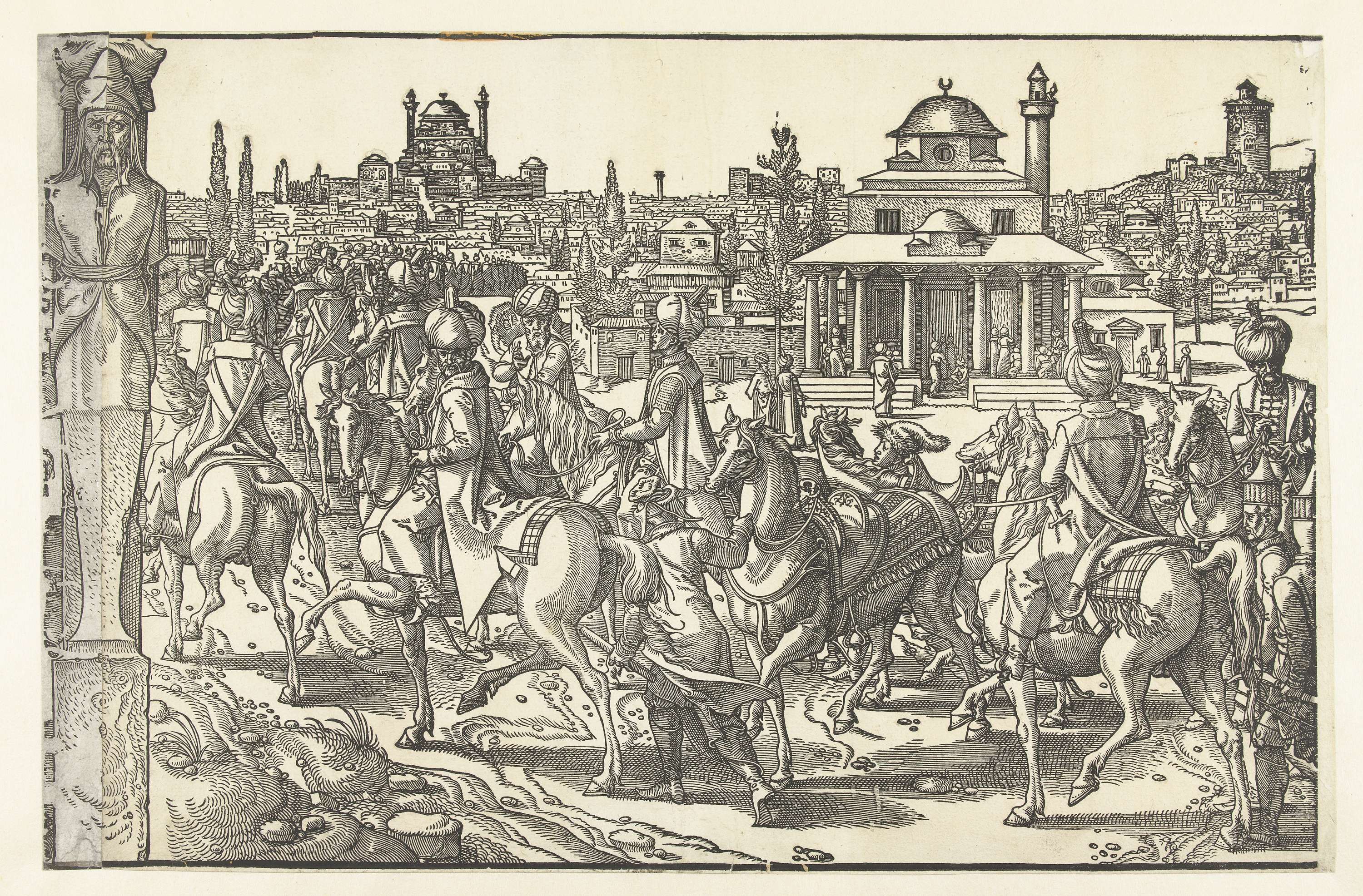
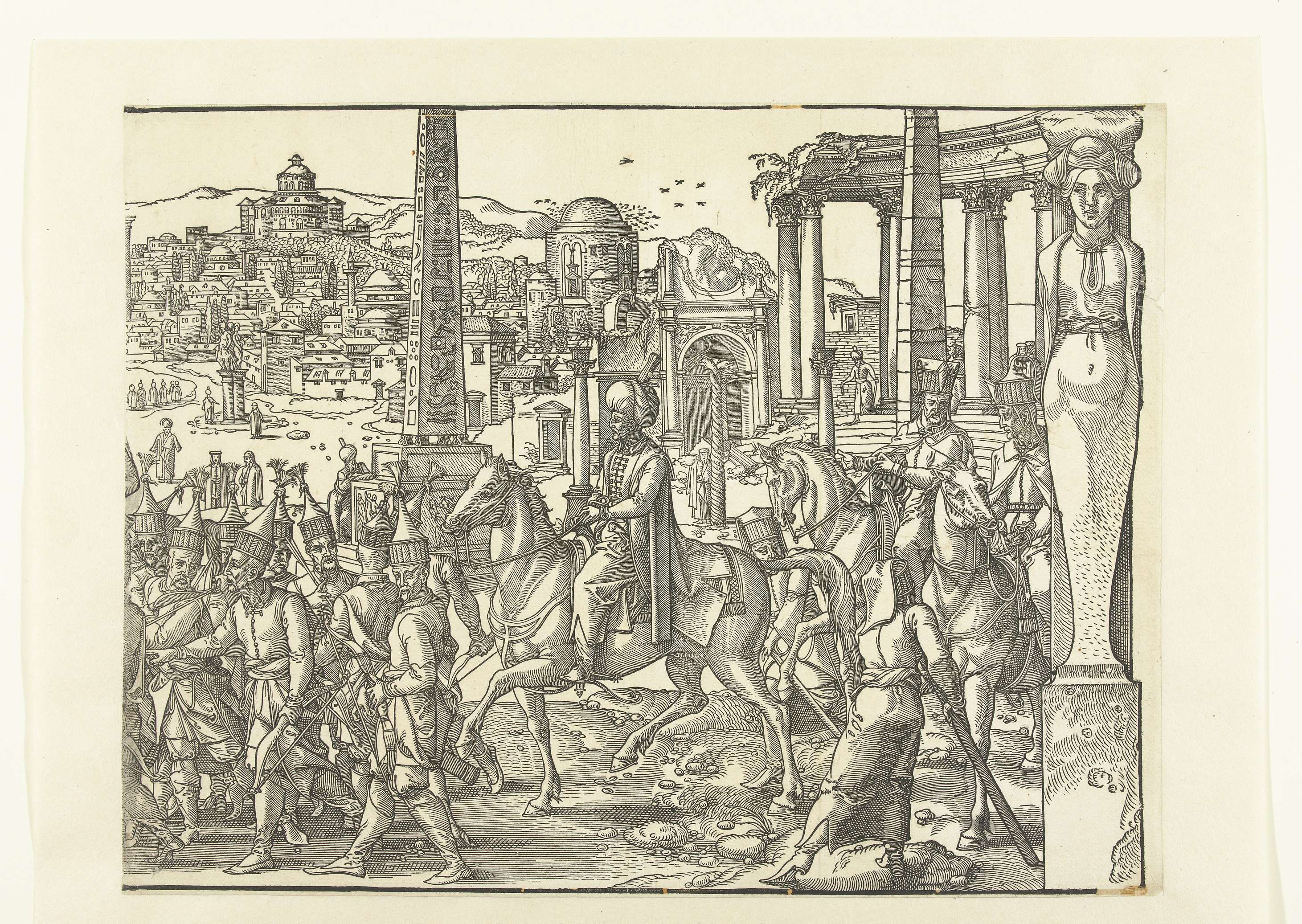
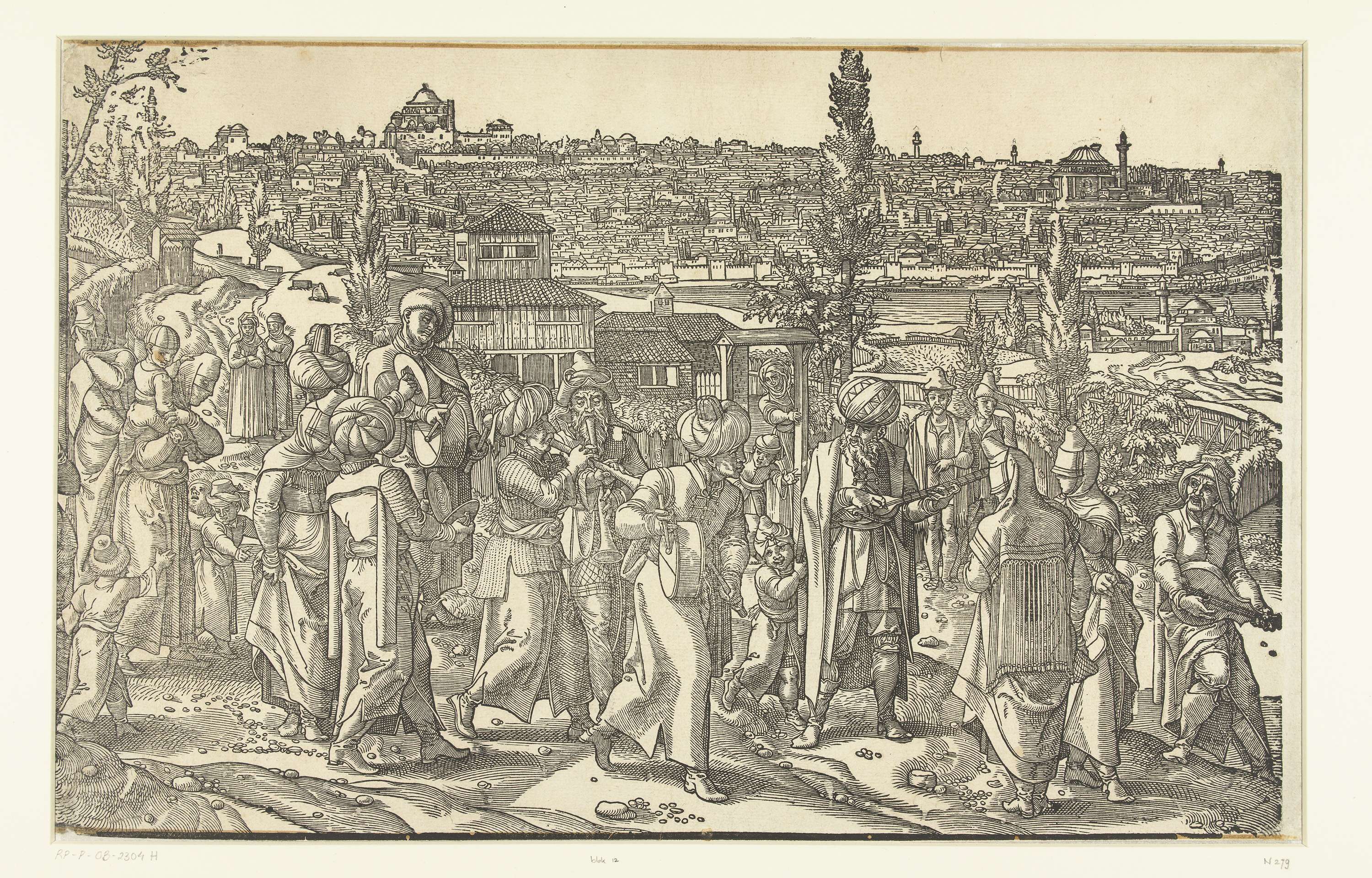
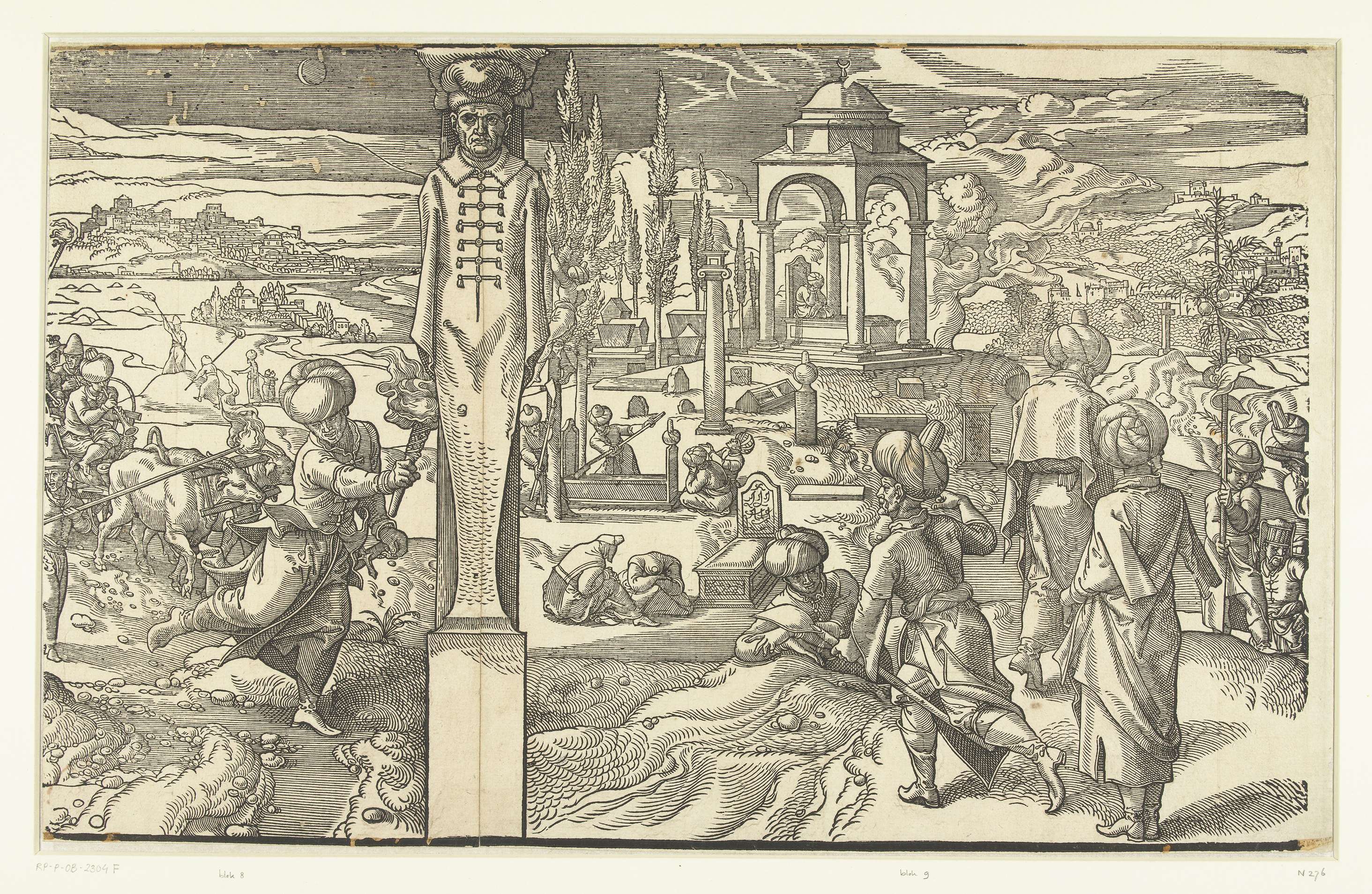
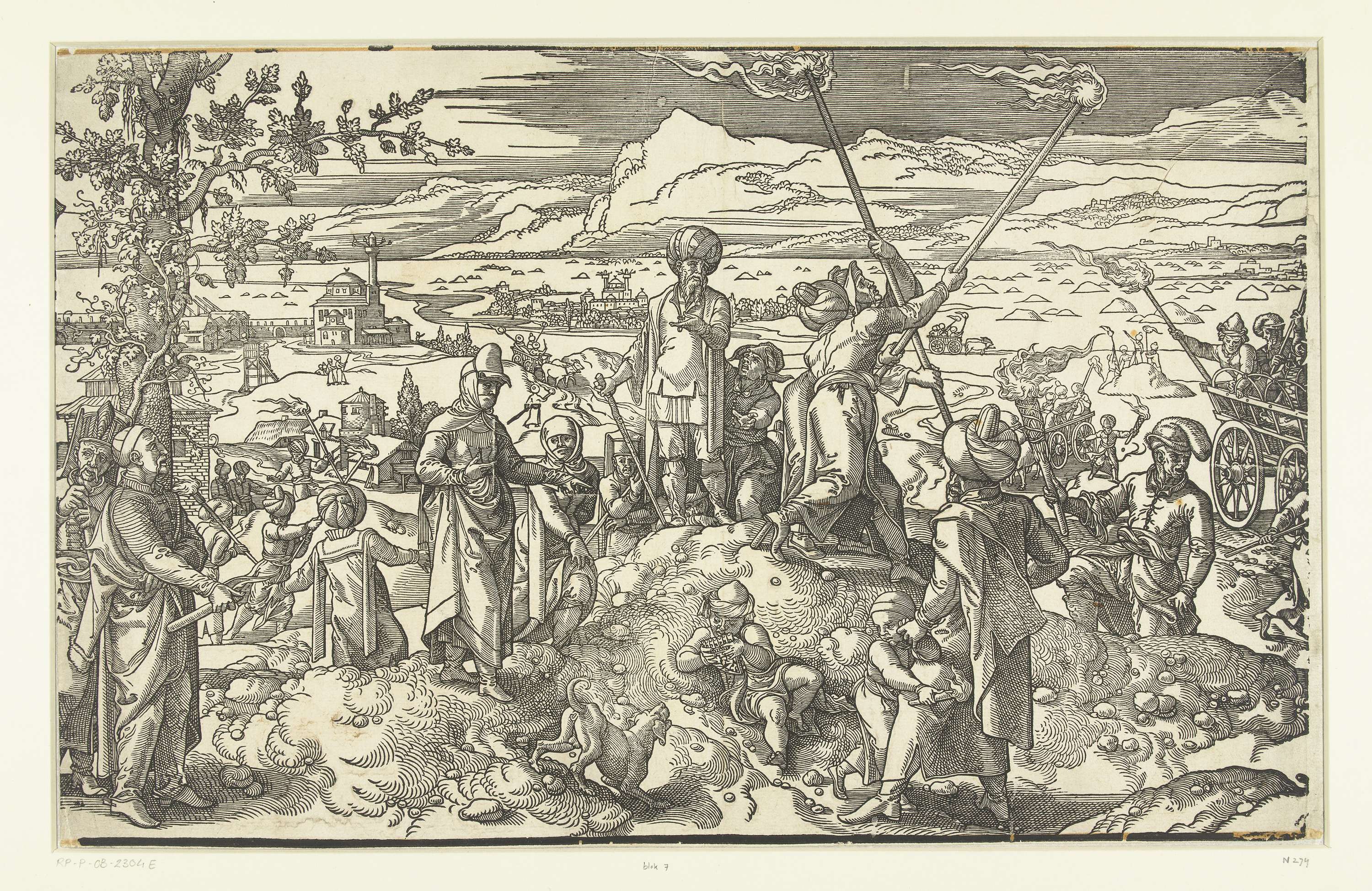
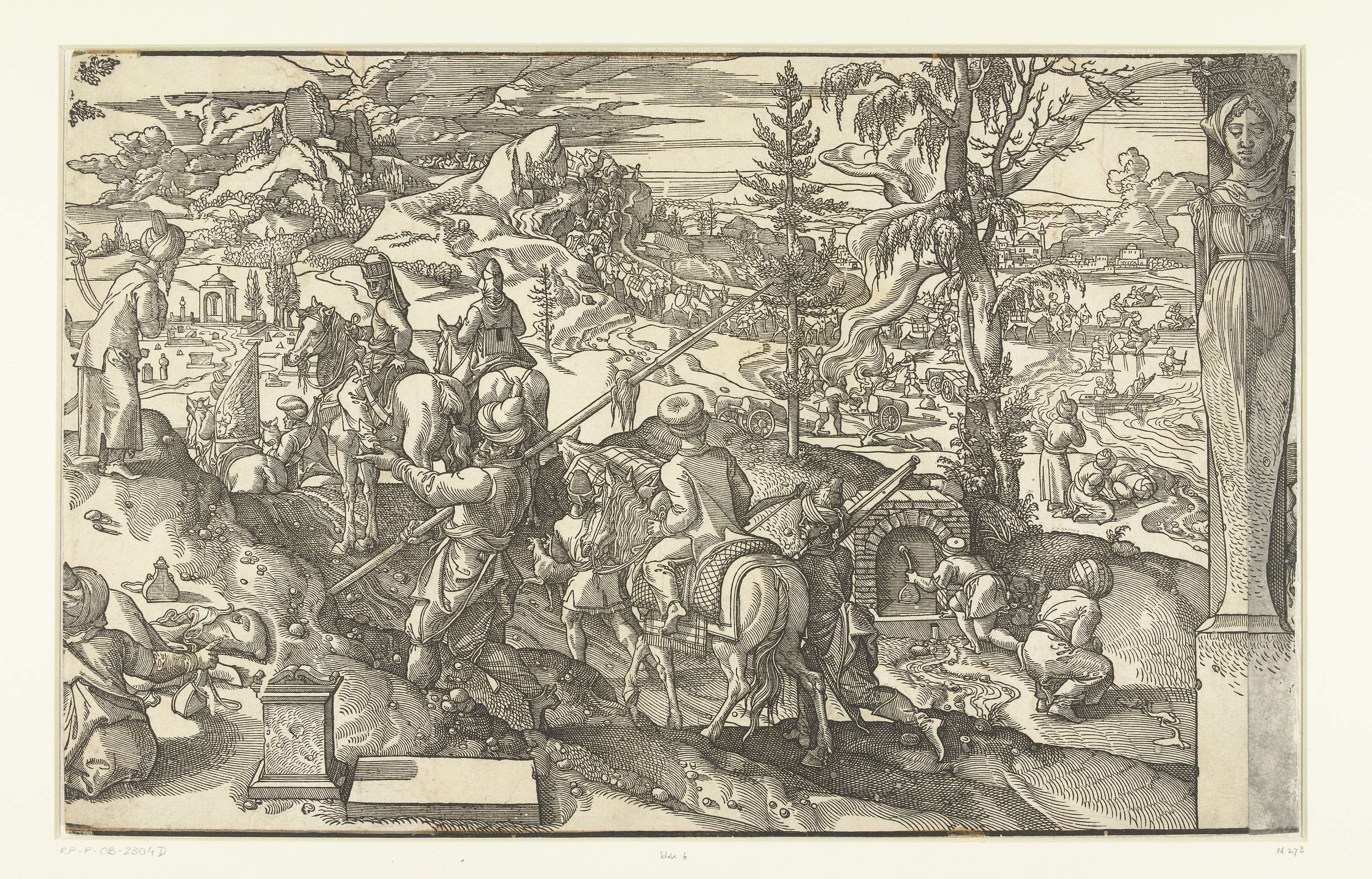
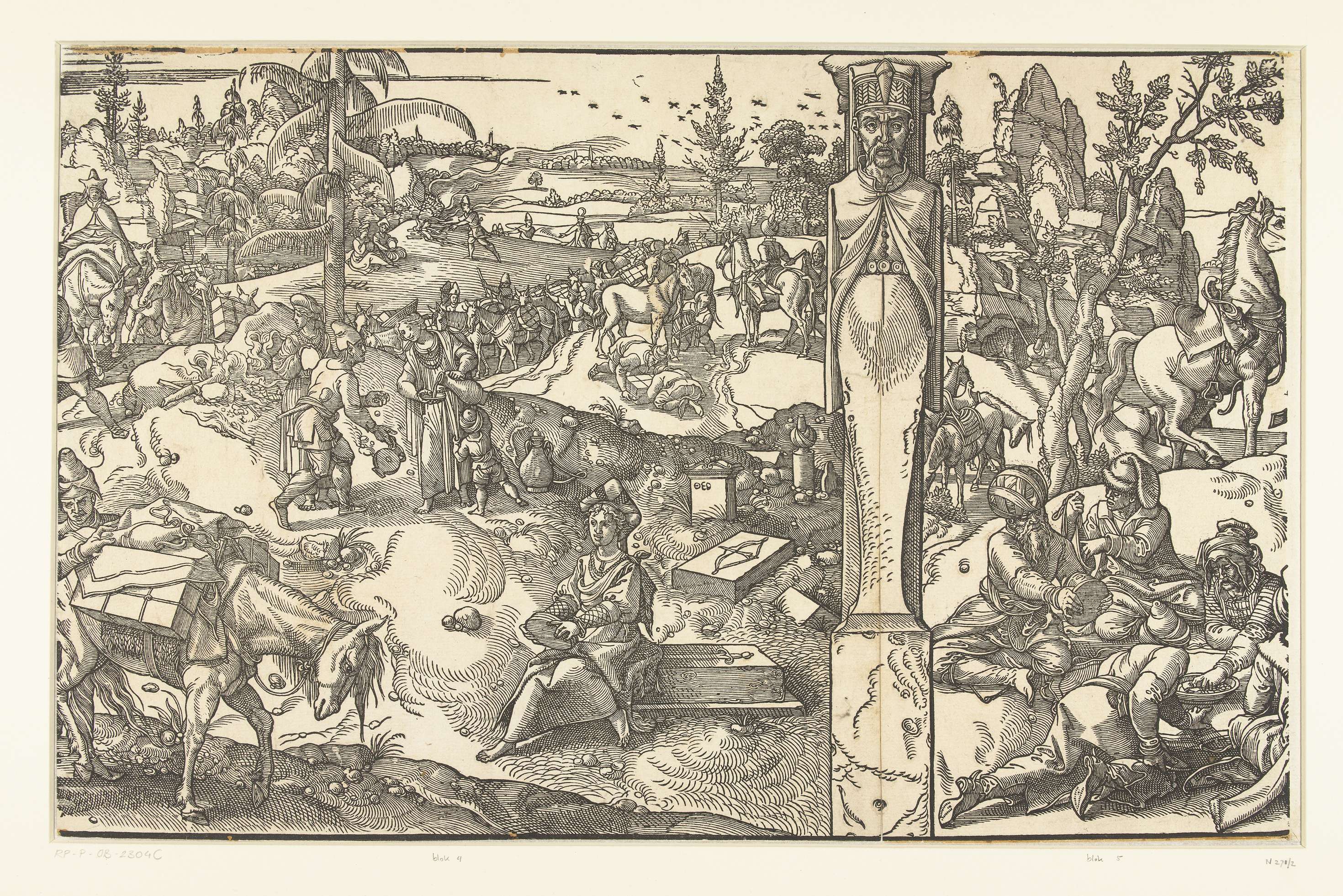
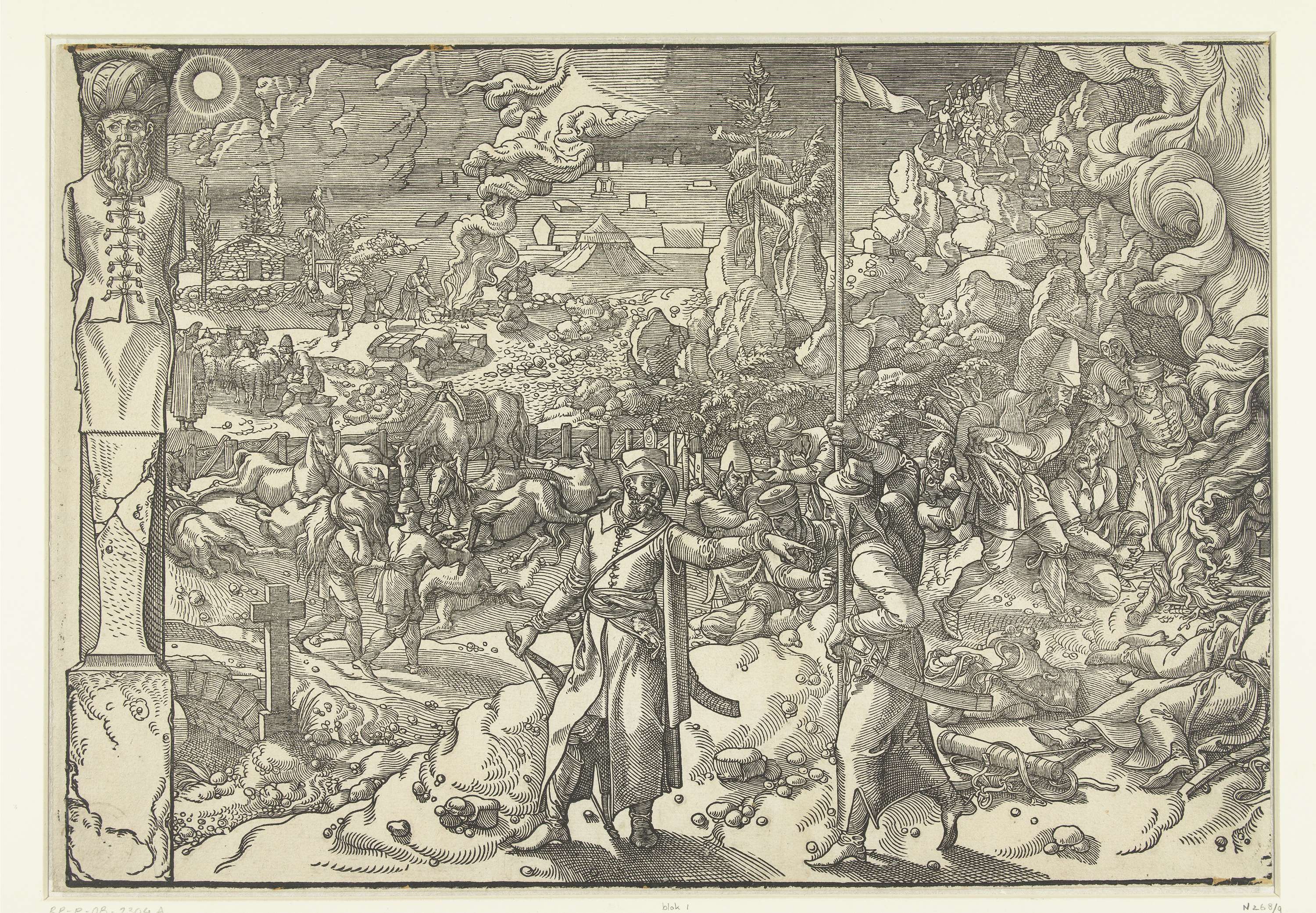
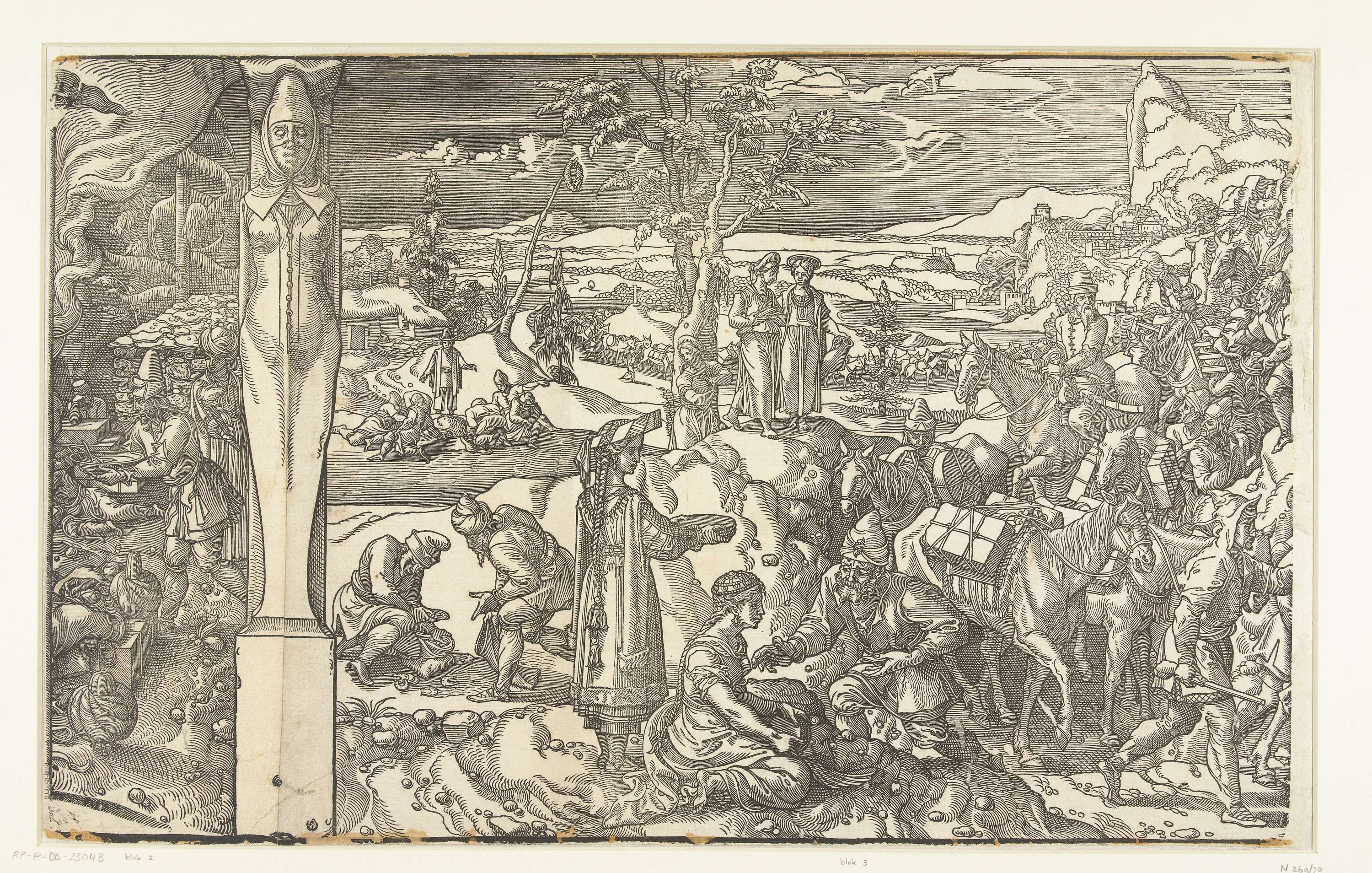
“Every silence here is a confession.” In the space between mourning and celebration, faith unites the two. It is this delicate balance that Pieter Coecke van Aelst examines, inviting the viewer into the heart of human experience where grief is intertwined with joy. Look closely at the lower portion of the artwork, where a procession of mourners is intricately rendered. Their somber expressions contrast sharply with the vibrant figures celebrating a wedding above. The artist masterfully employs a muted palette for the funeral attendees, allowing their dark garments to absorb light, while the wedding party bursts forth in brilliant colors, radiating warmth and life.
This spatial arrangement, with death at the bottom and life at the top, compels the viewer's eye to travel through the narrative of existence. Upon deeper inspection, subtle details emerge, amplifying the emotional tension. The mourners hold their heads low, draped in shadows, suggesting an internal struggle while the joyful couple is adorned with garlands of flowers, symbolizing hope and renewal. The juxtaposition of sorrow and elation invites contemplation on the cyclical nature of life, suggesting that within sadness lies the seed of future happiness.
The artist’s choice to present these contrasting events in a singular frame speaks to the complex human condition, where faith can offer solace amidst despair. Pieter Coecke van Aelst painted Begrafenisstoet en bruiloftsoptocht in 1553 during a time of social upheaval in the Netherlands, marked by religious changes and cultural shifts. As a prominent figure in Antwerp's artistic community, he was influenced by the rising tensions of the Reformation and the interplay of sacred and secular life. This work reflects both his mastery of technique and his deep engagement with contemporary themes, bridging the gap between personal loss and communal celebration.