Optocht van Süleyman I — History & Analysis
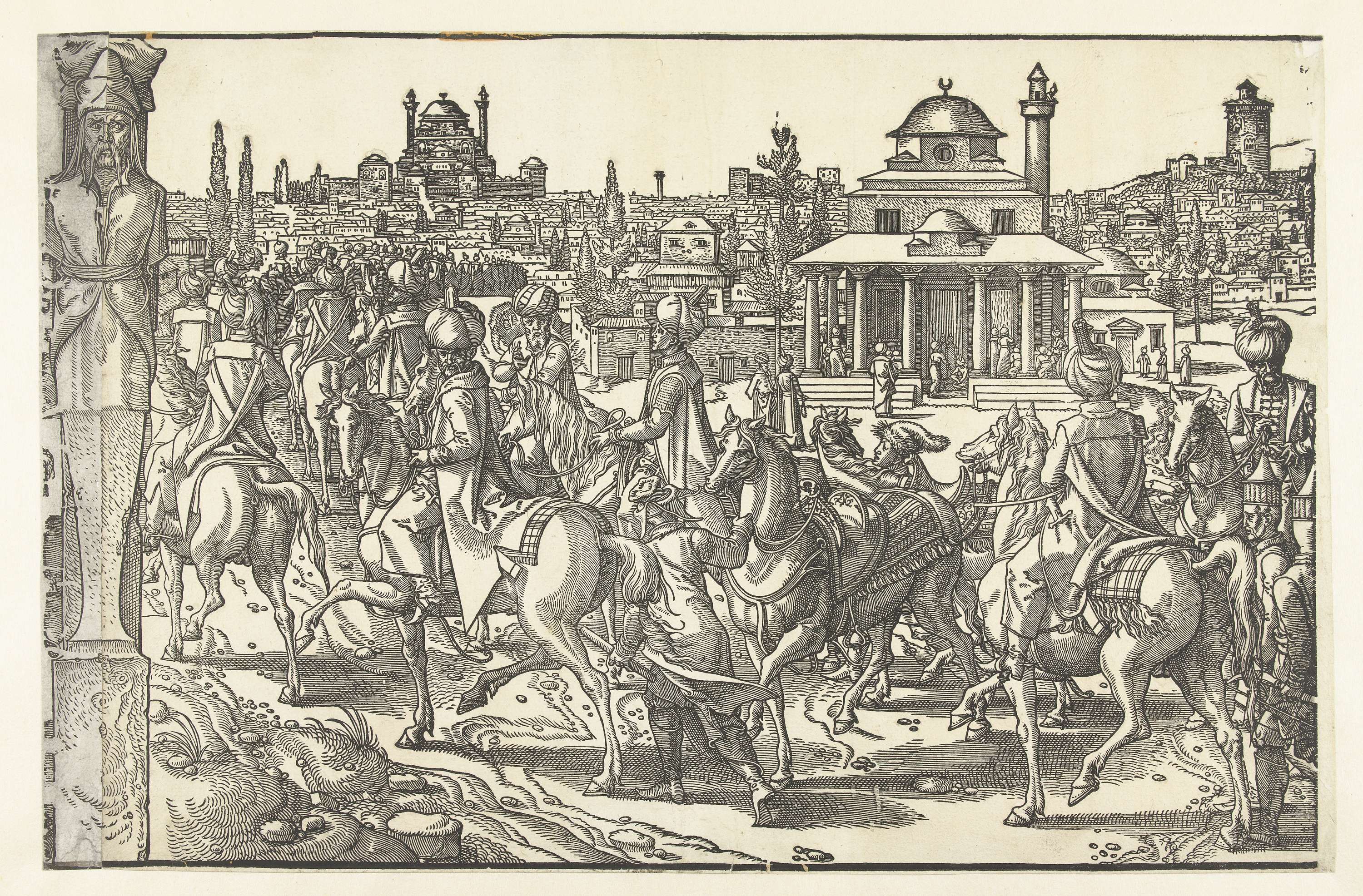
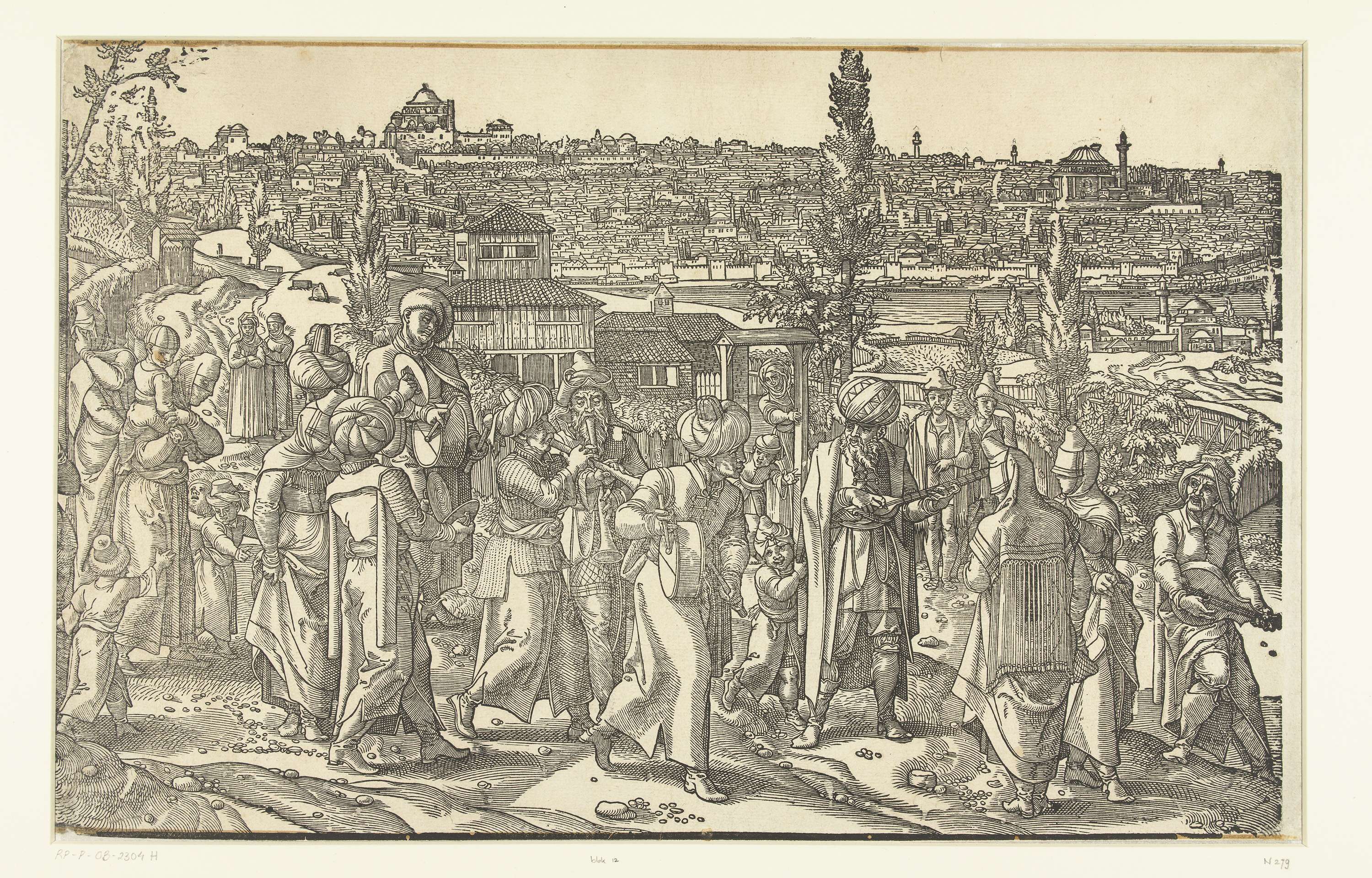
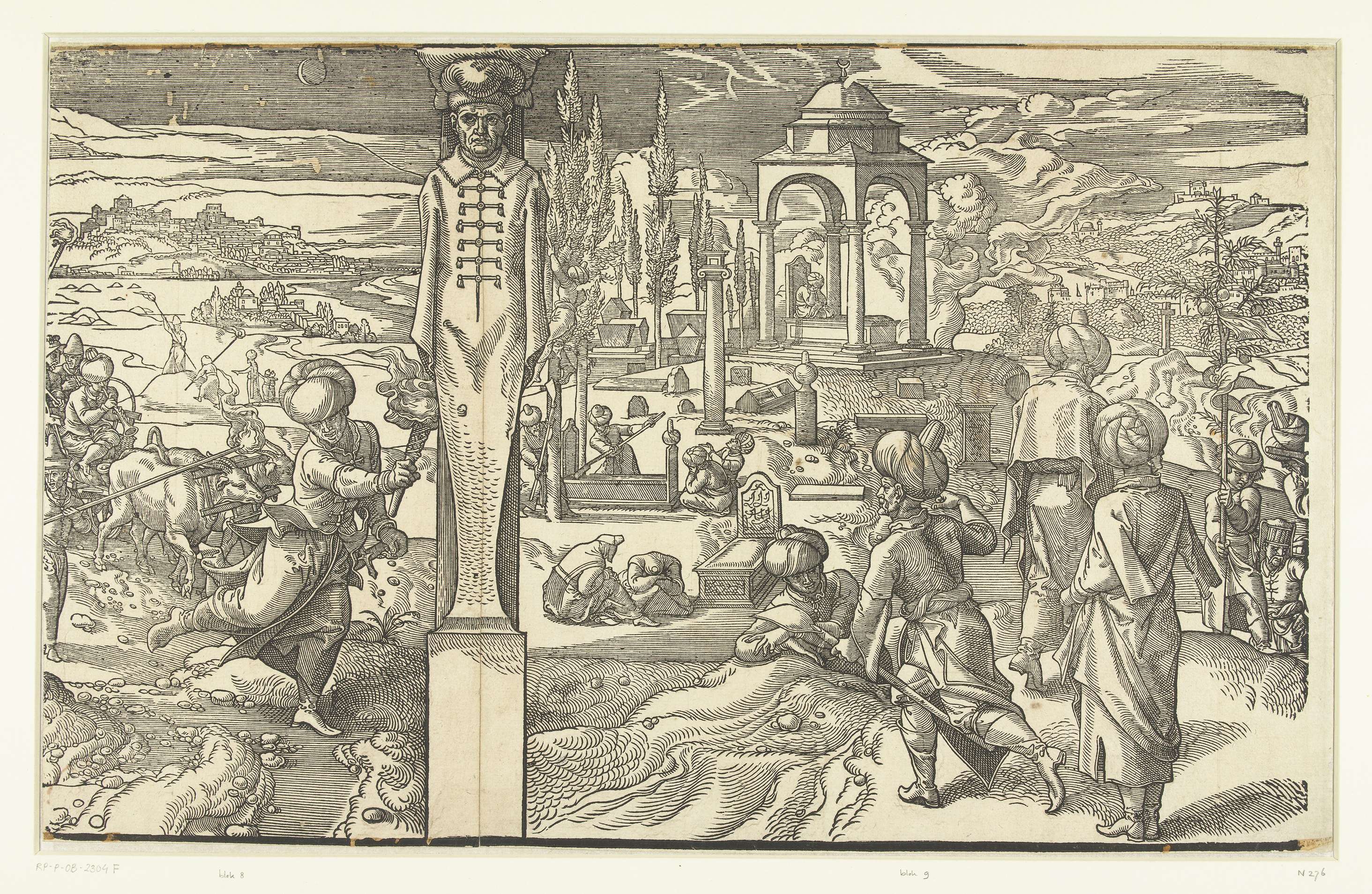
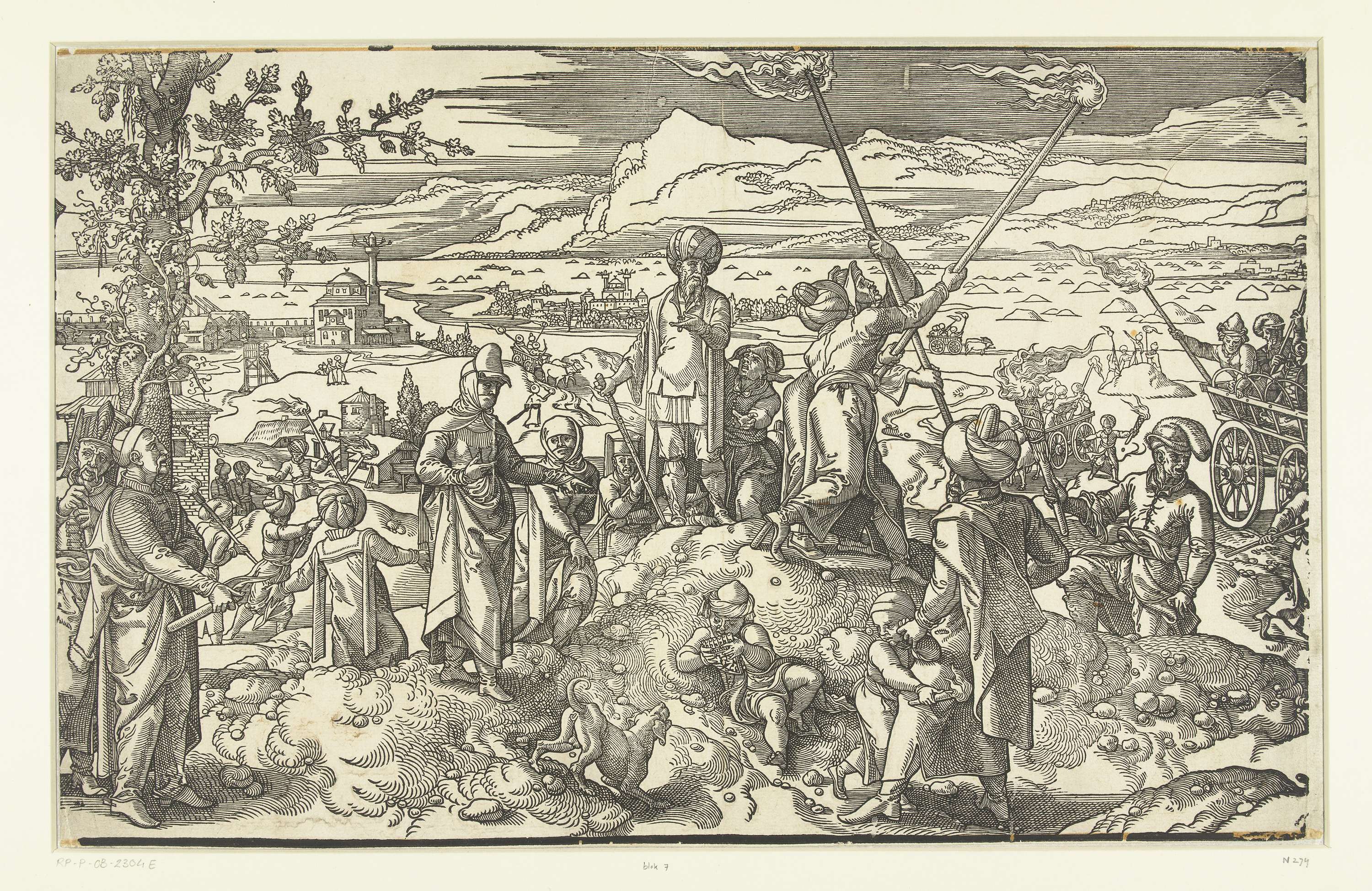
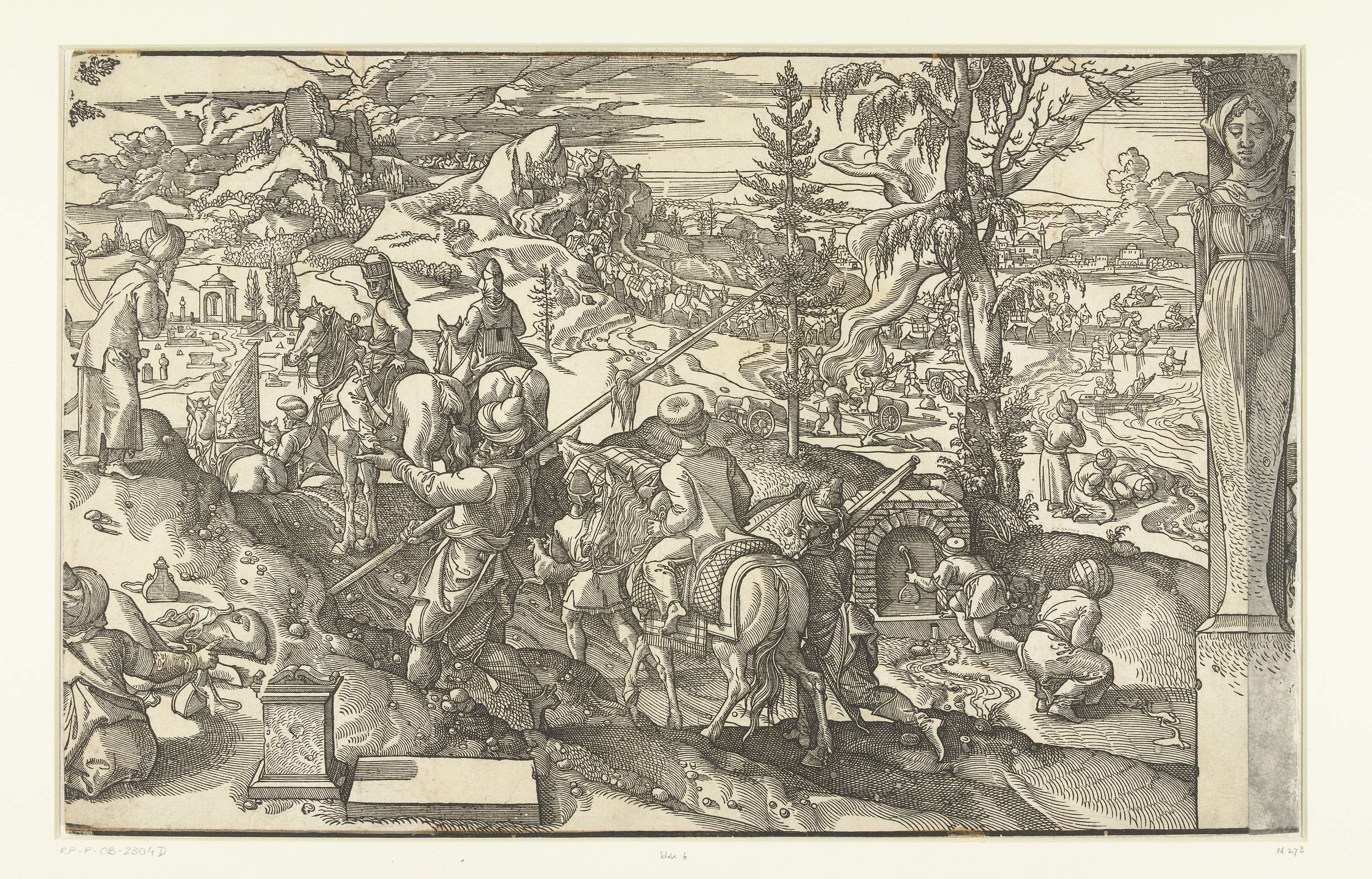
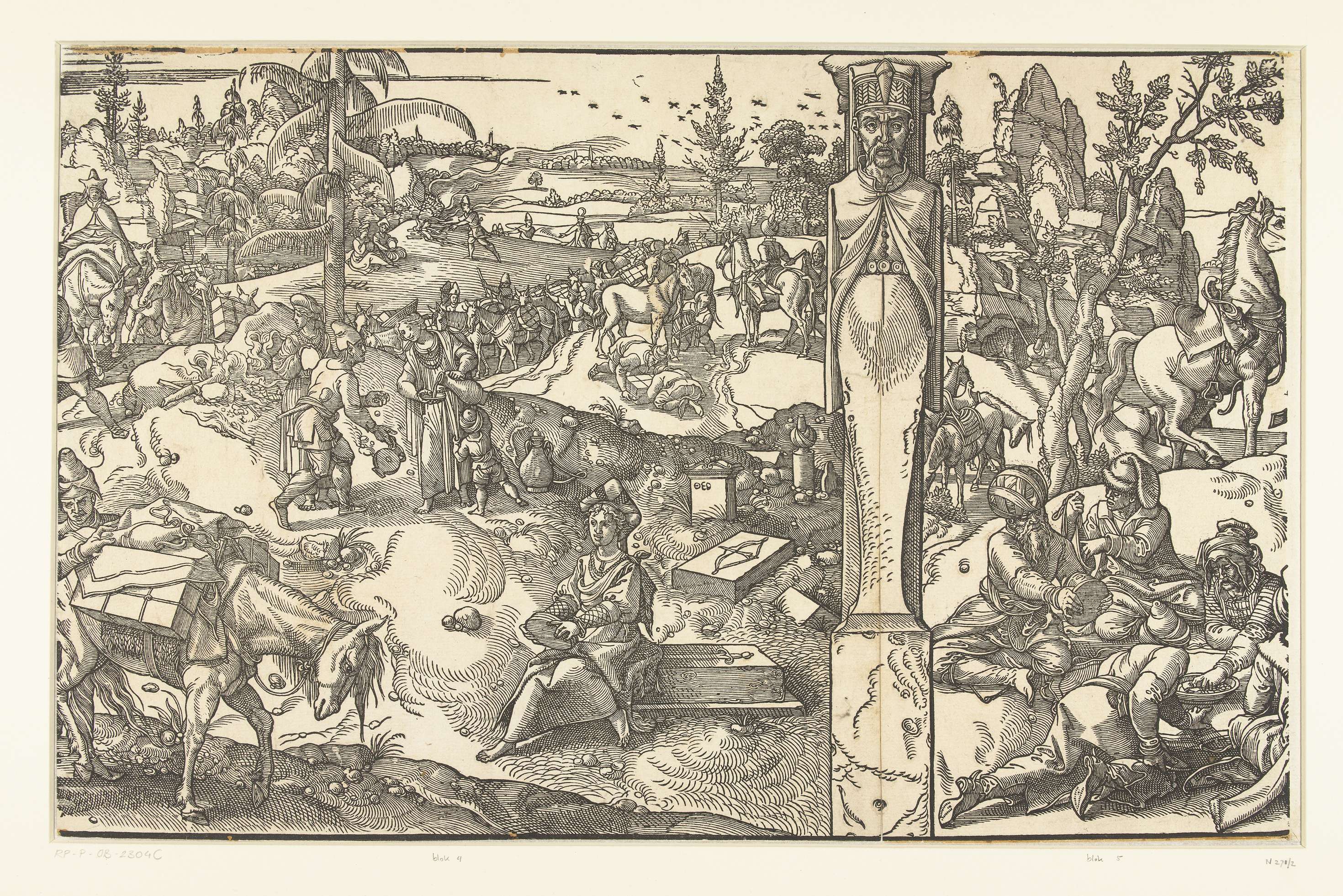
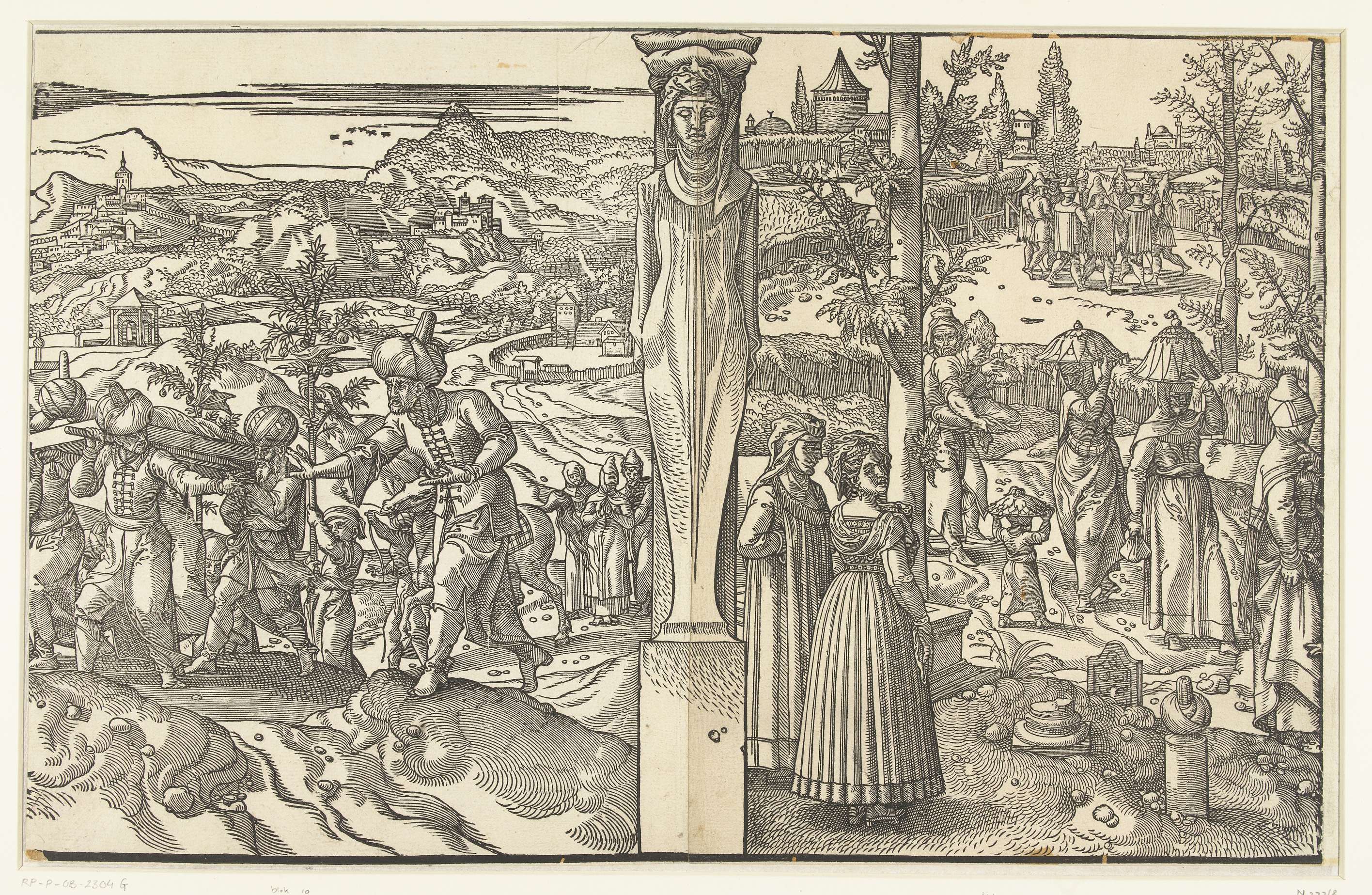
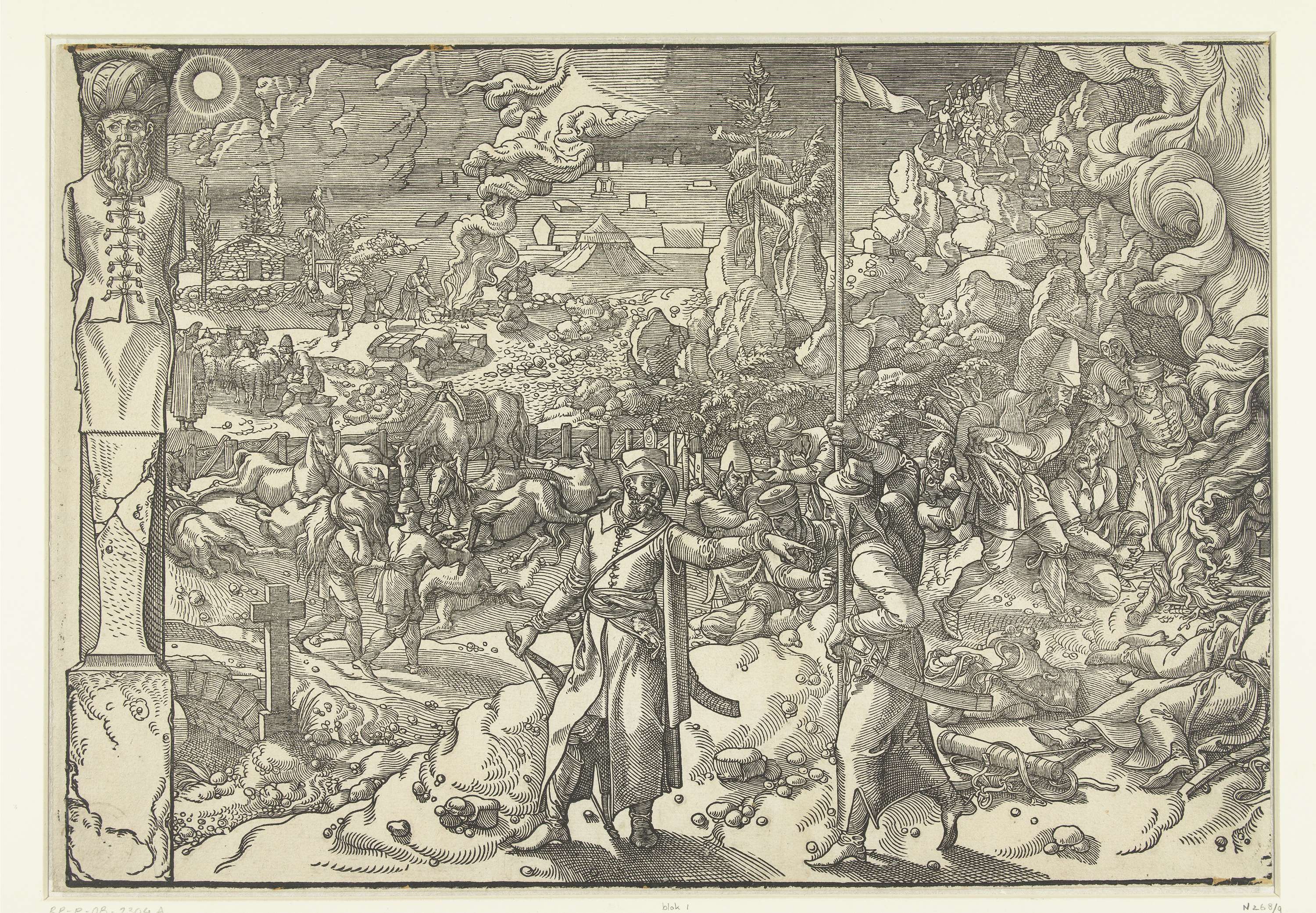
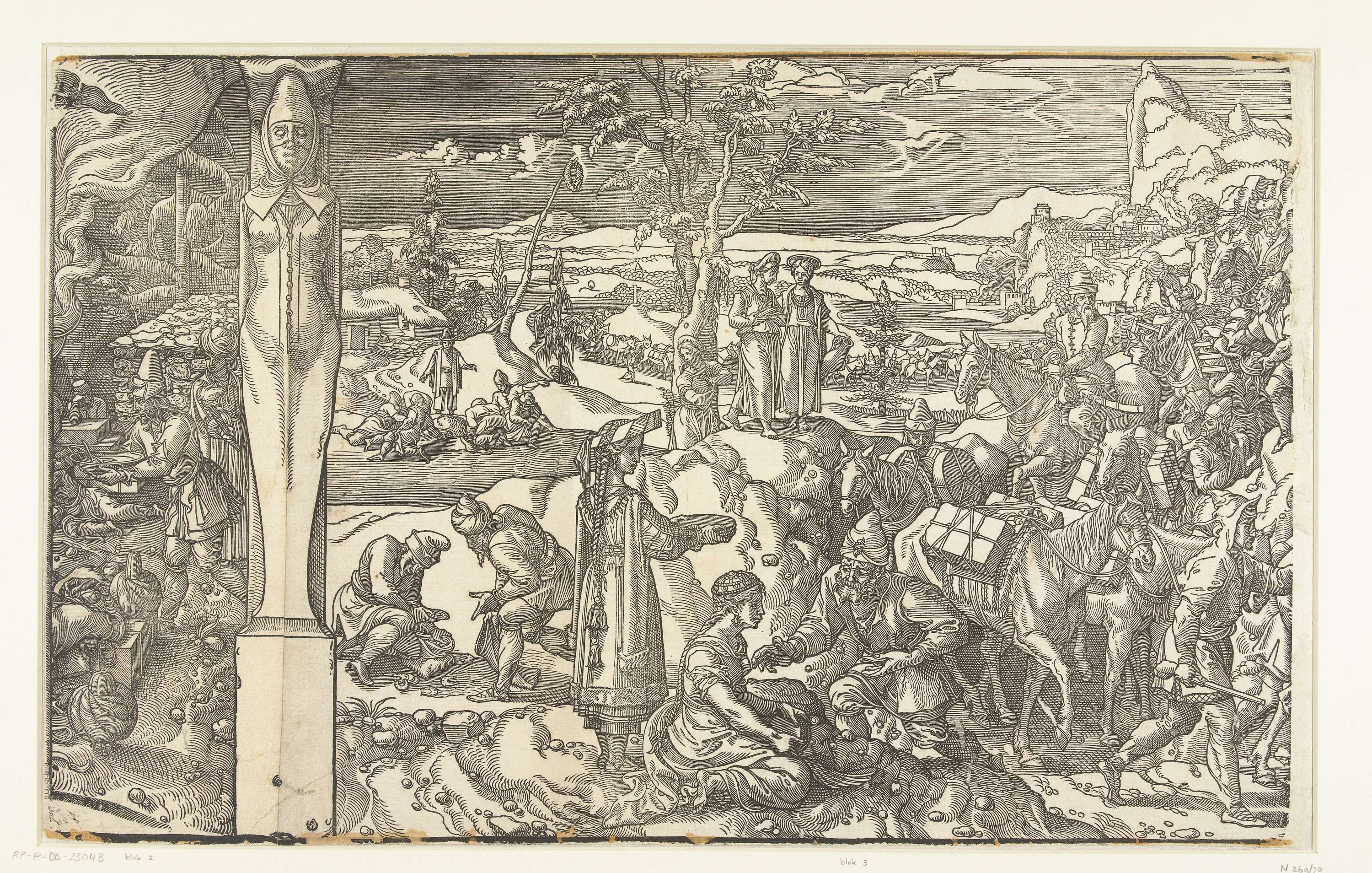
Is this a mirror — or a memory? In the vibrant tapestry of Optocht van Süleyman I, the artist captures not merely a moment in time, but a profound transcendence that draws viewers into a historical reflection. Look to the center of the canvas where a grand procession unfolds, each figure meticulously detailed in opulent costumes glistening with golds and rich hues. The rhythmic arrangement of soldiers and attendants leads the eye down a carefully orchestrated path, while the brilliant light illuminates their faces, hinting at a collective pride and purpose.
Notice how the artist utilizes a harmonious blend of colors, where warm reds and cool blues create a dynamic interplay, suggesting both unity and tension among the participants of this imperial display. Beyond the surface, the painting reveals a deeper narrative woven through its intricate details. The contrasting expressions of the onlookers—some in reverence, others in awe—speak to the complexities of power and spectacle. The ornate architecture in the background serves not only as a setting but as a symbol of the empire's vastness, mirroring the ambitions of its ruler.
Each layer of fabric and armor reflects a historical context fraught with both glory and subjugation, inviting contemplation on the cost of such grandeur. Created in 1553, this work emerged during a time of significant cultural flourishing in the Low Countries. Pieter Coecke van Aelst was deeply engaged with the court of Emperor Charles V, and this painting reflects the intersections of art, politics, and identity in a rapidly changing Europe. As the age of exploration expanded horizons, the artist's mastery offered a lens through which to examine both the splendor and the fragility of power.