Optocht van Süleyman I — History & Analysis
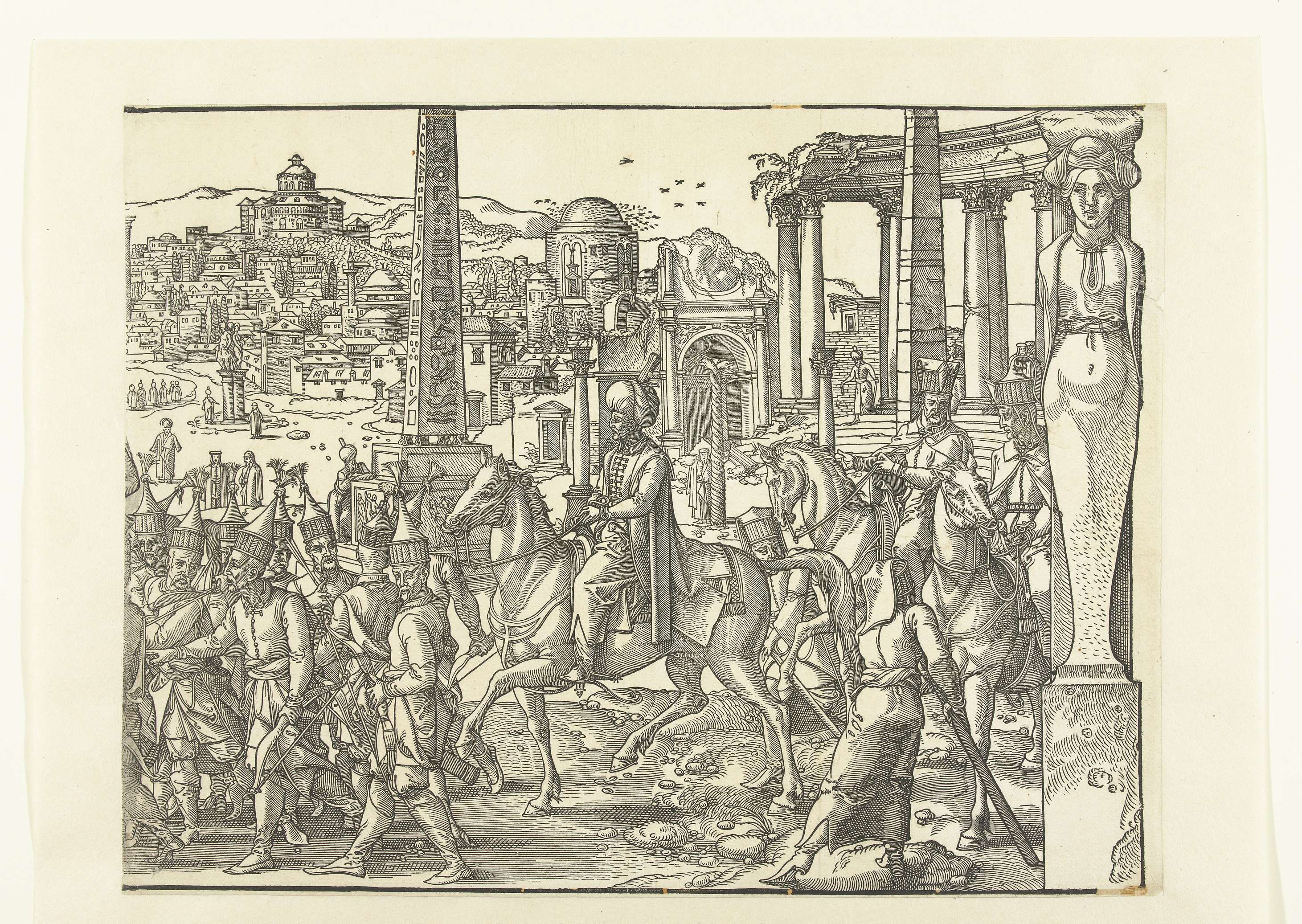
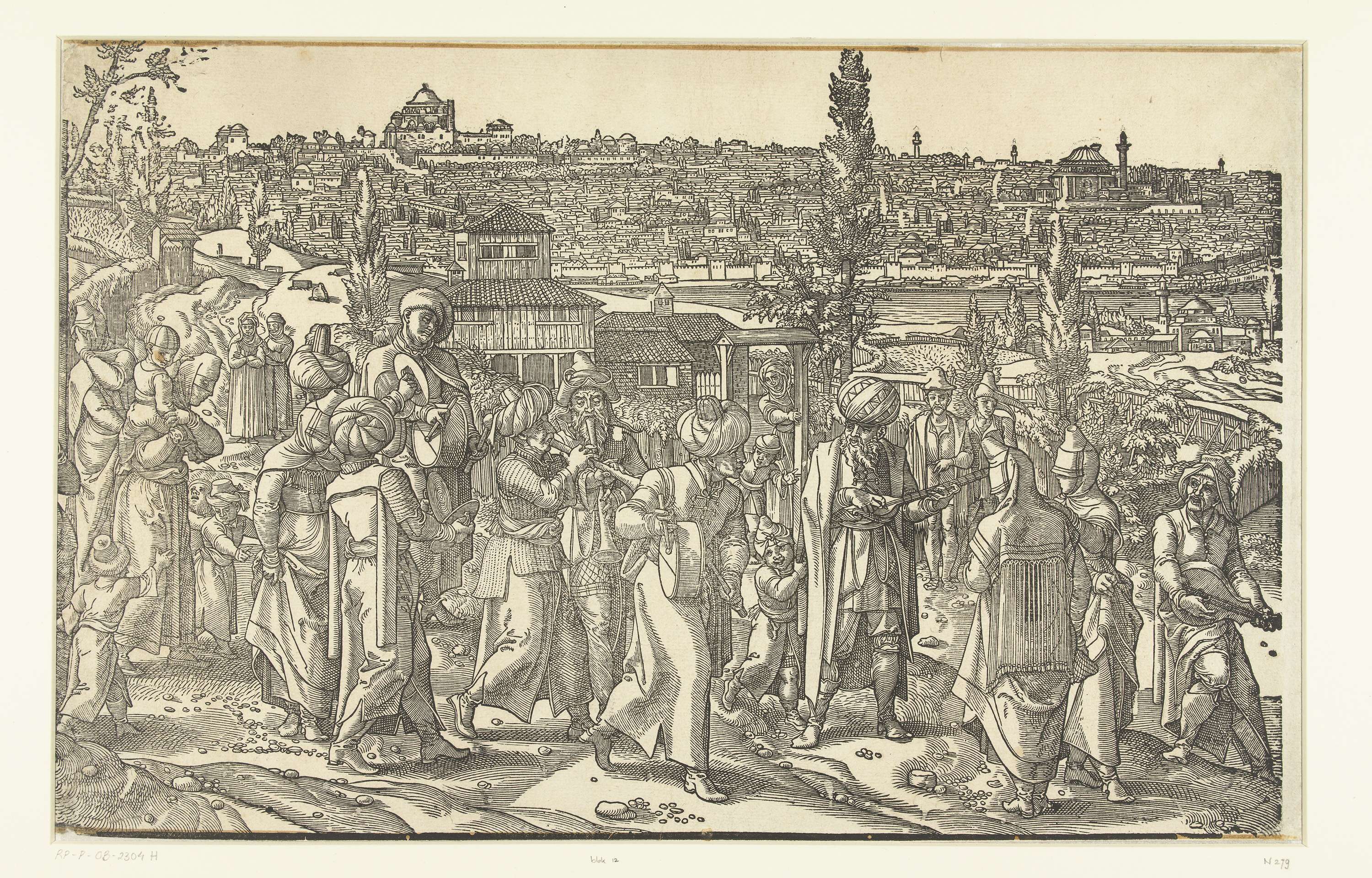
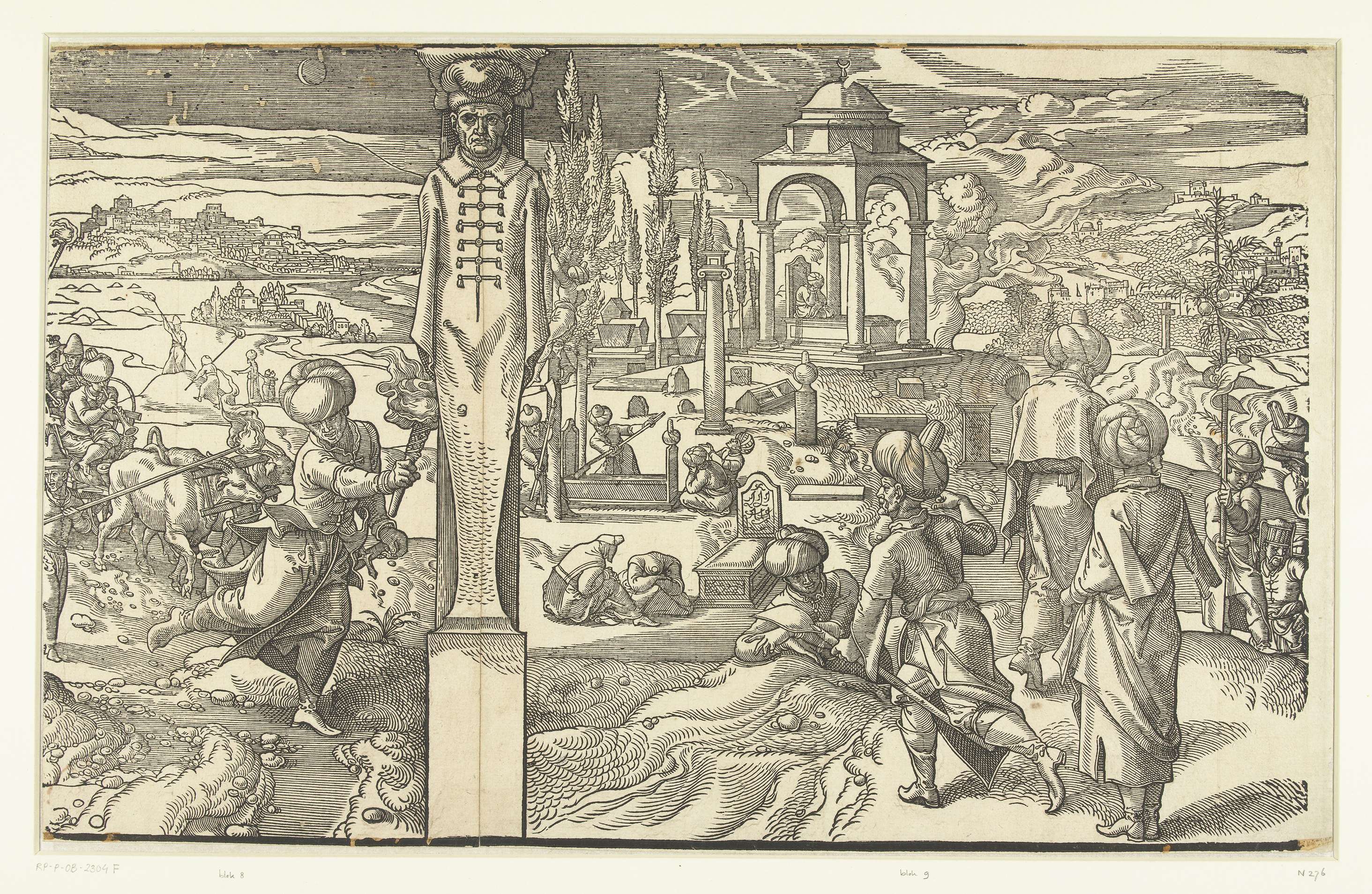
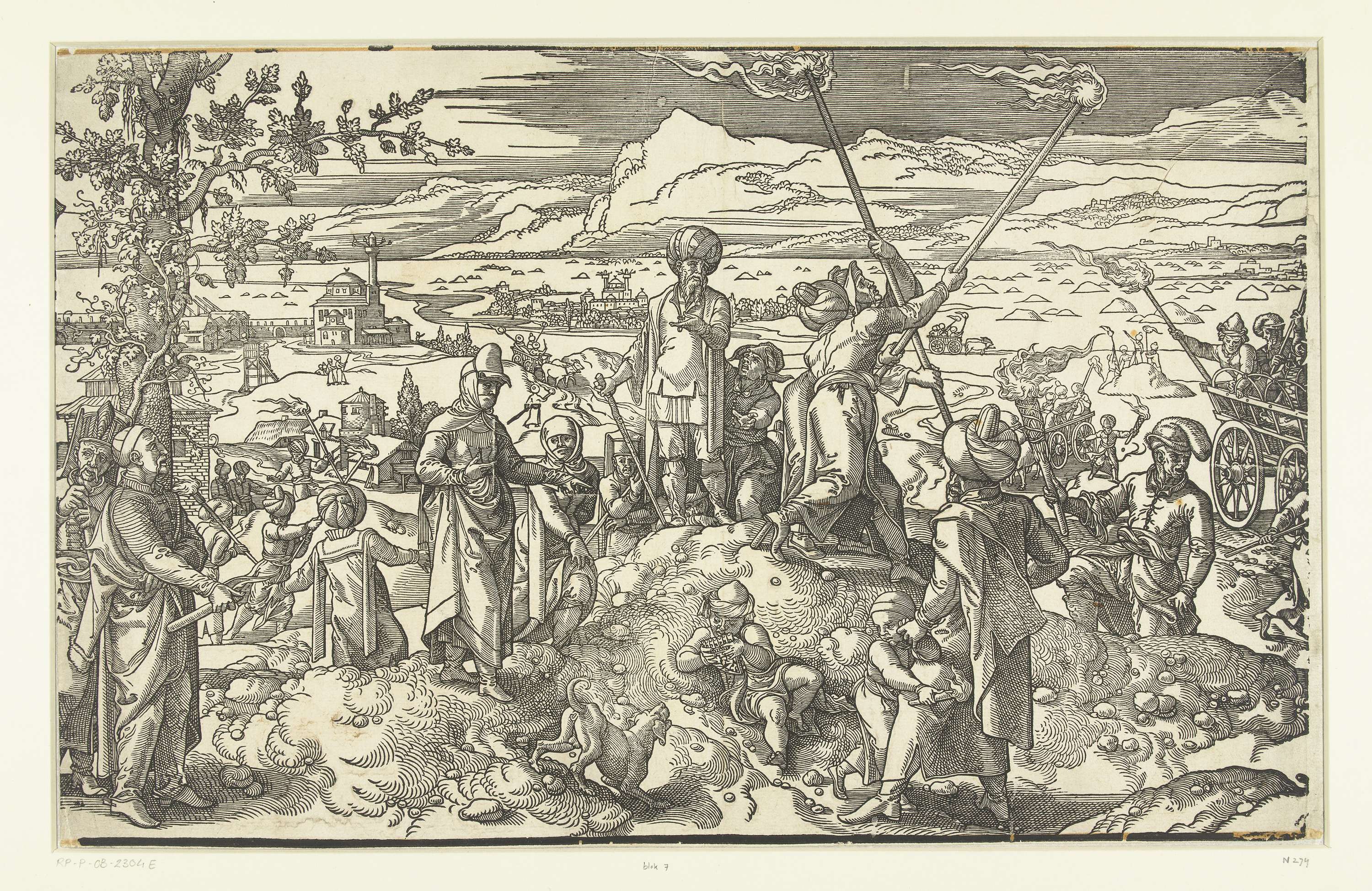
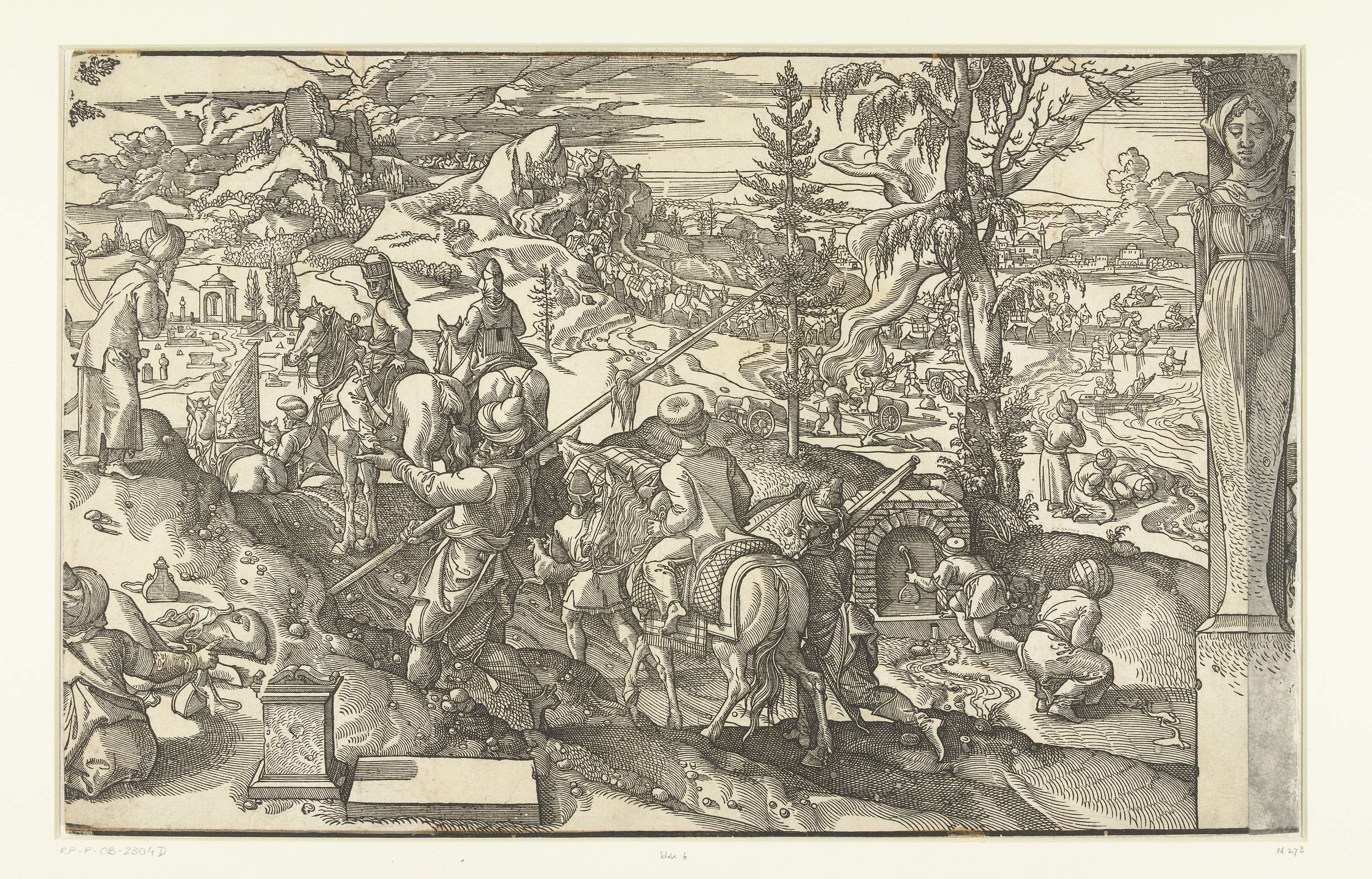
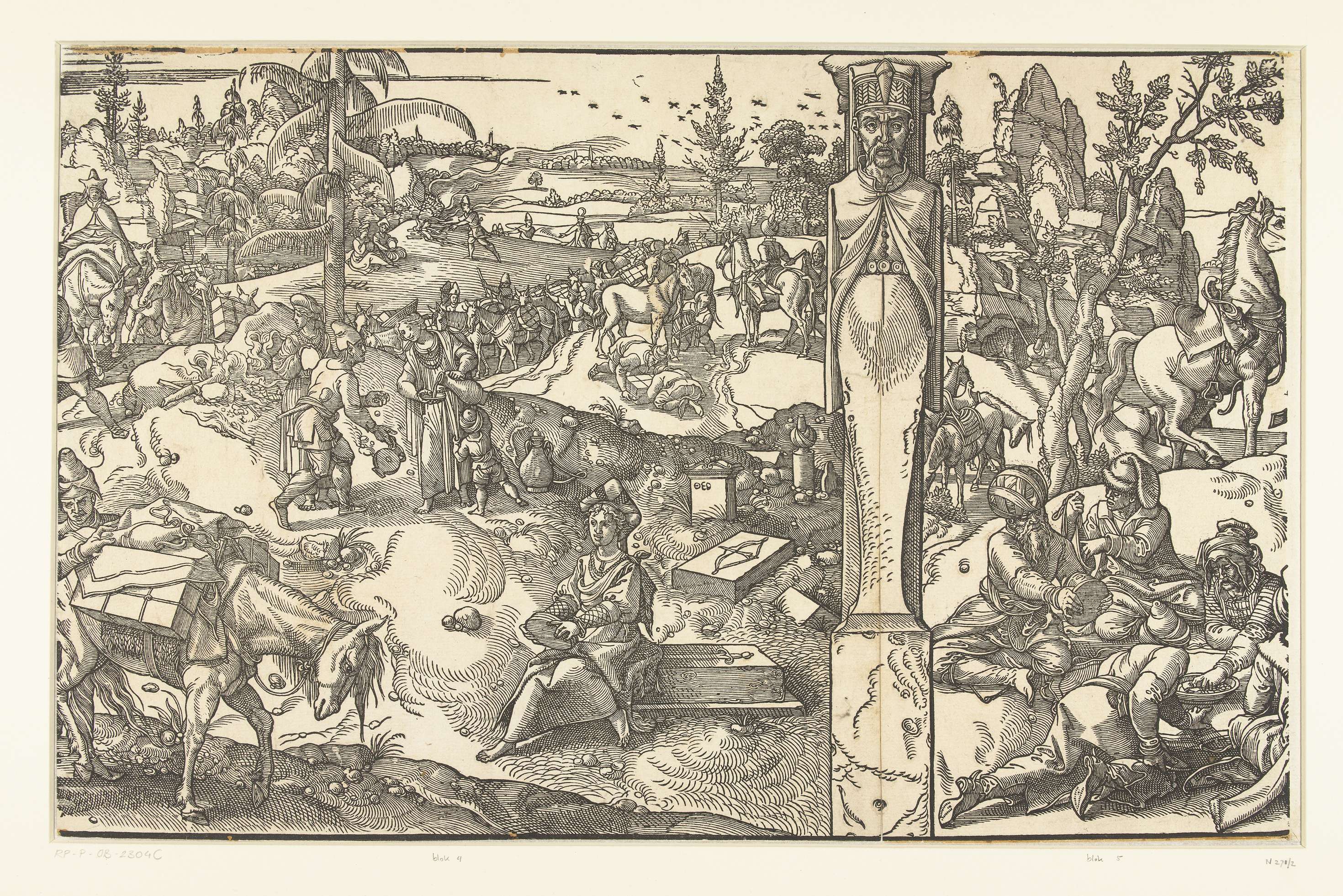
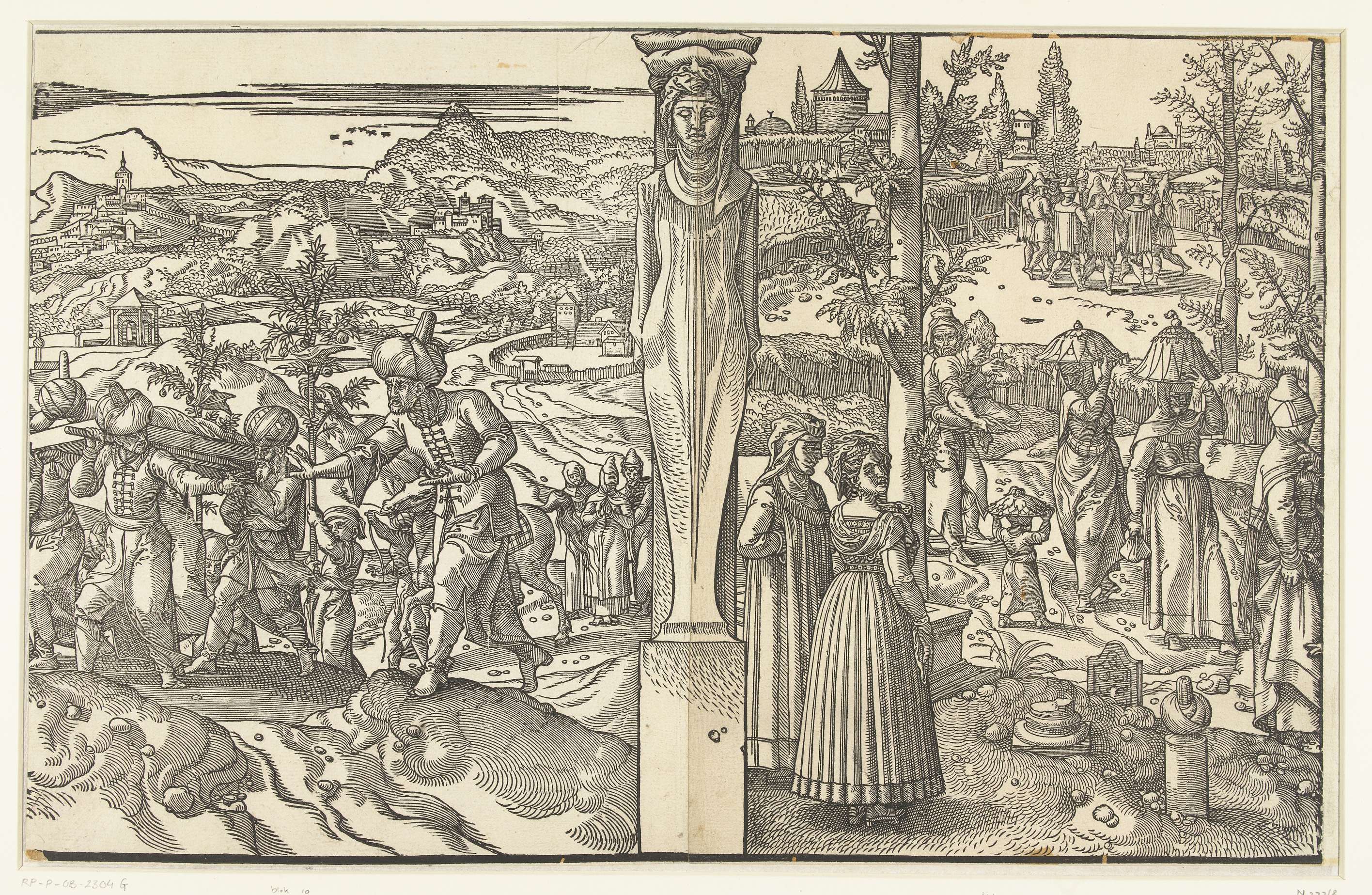
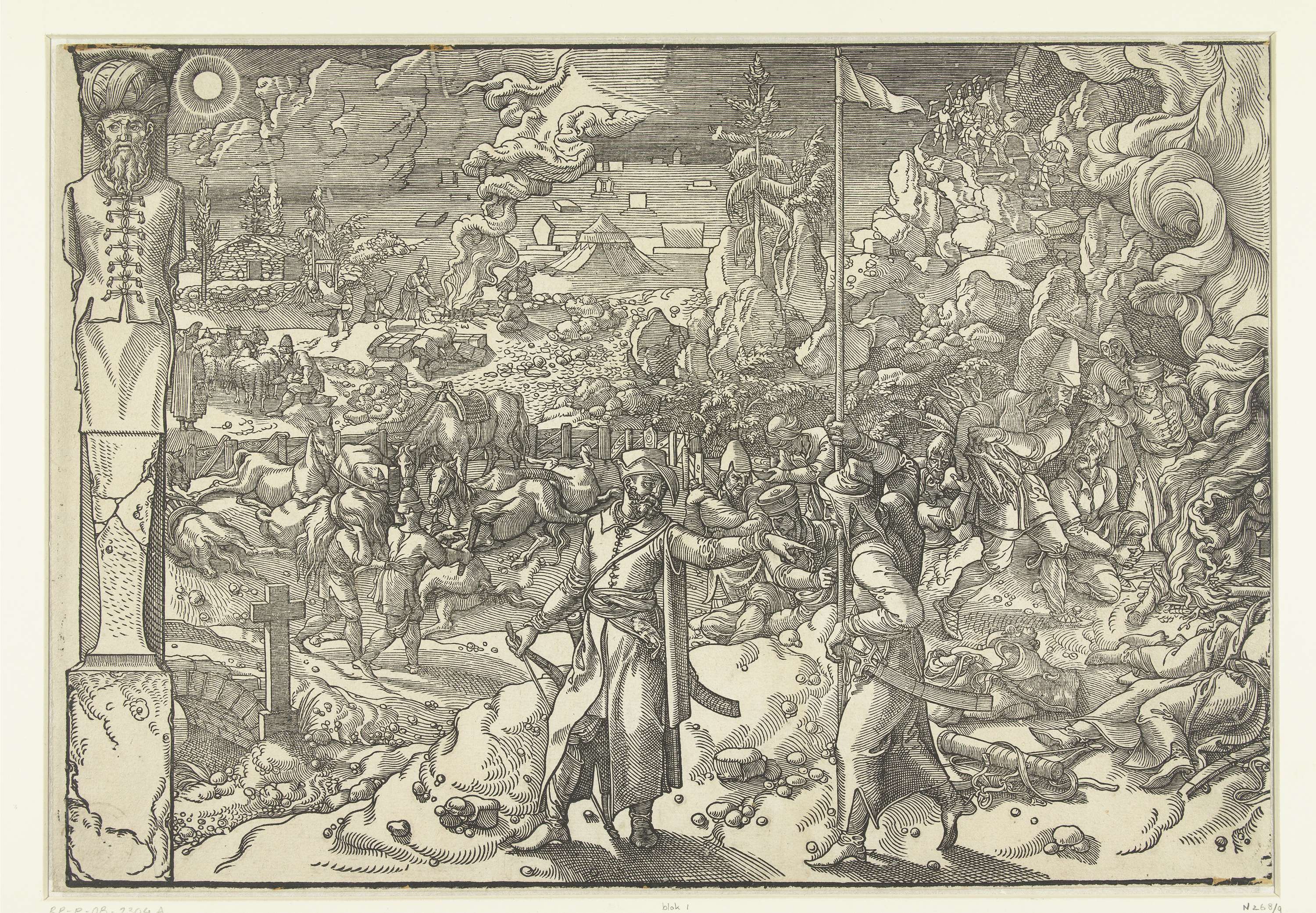
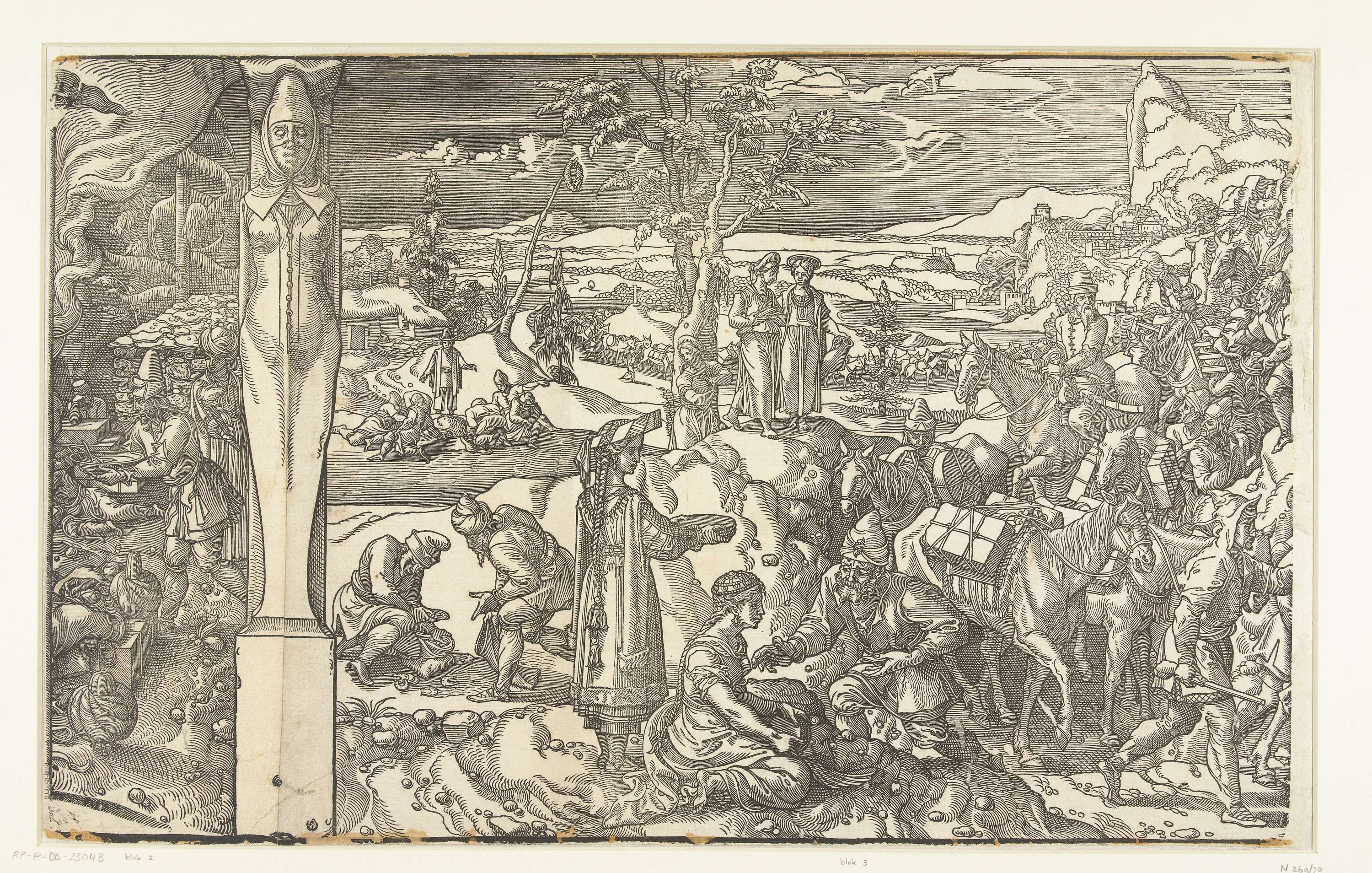
Did the painter know this moment would outlive them? In the swirling chaos of life, a single scene can resonate beyond its time, capturing the essence of an era’s triumphs and turmoil. Focus on the center of the composition, where a regal procession unfolds with a vivid display of opulence and authority. Notice the brilliant reds and golds that drape around the figures, illuminating the otherwise muted backdrop.
The meticulous detail of each garment invites the eye to linger, while the dynamic lines of movement draw you deeper into the heart of the celebration, suggesting a joyous yet tense atmosphere. Yet, amid the grandeur lies a palpable tension. The contrast between the jubilant expressions of the onlookers and the somber, reflective faces of the soldiers hints at the complex interplay of power and vulnerability. Look closer at the way light dances on the elaborate tapestry, revealing hidden motifs of conquest and conflict.
This celebration, teetering on the edge of chaos, speaks to the duality of human experience—where triumph and turmoil often coexist in a single moment. Pieter Coecke van Aelst painted this moment in 1553 during a time of both cultural flourishing and political upheaval in the Low Countries. As a prominent artist and a key figure in the Northern Renaissance, he was deeply influenced by the turbulent events surrounding the Habsburg dynasty. His works reflect an intricate blend of artistry and commentary on society, capturing not just beauty but the underlying chaos that defines the human condition.