Feest van de nieuwe maan — History & Analysis
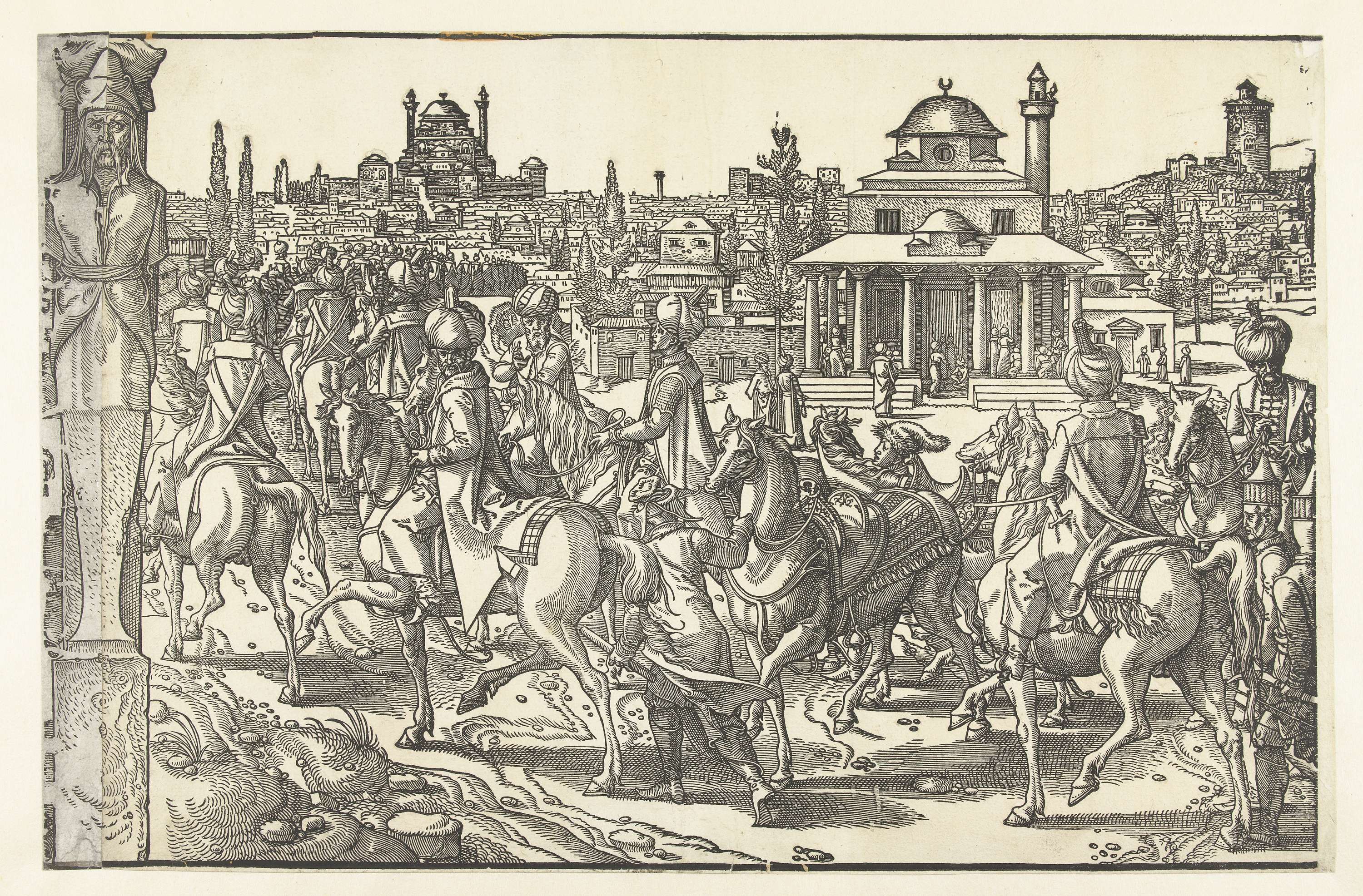
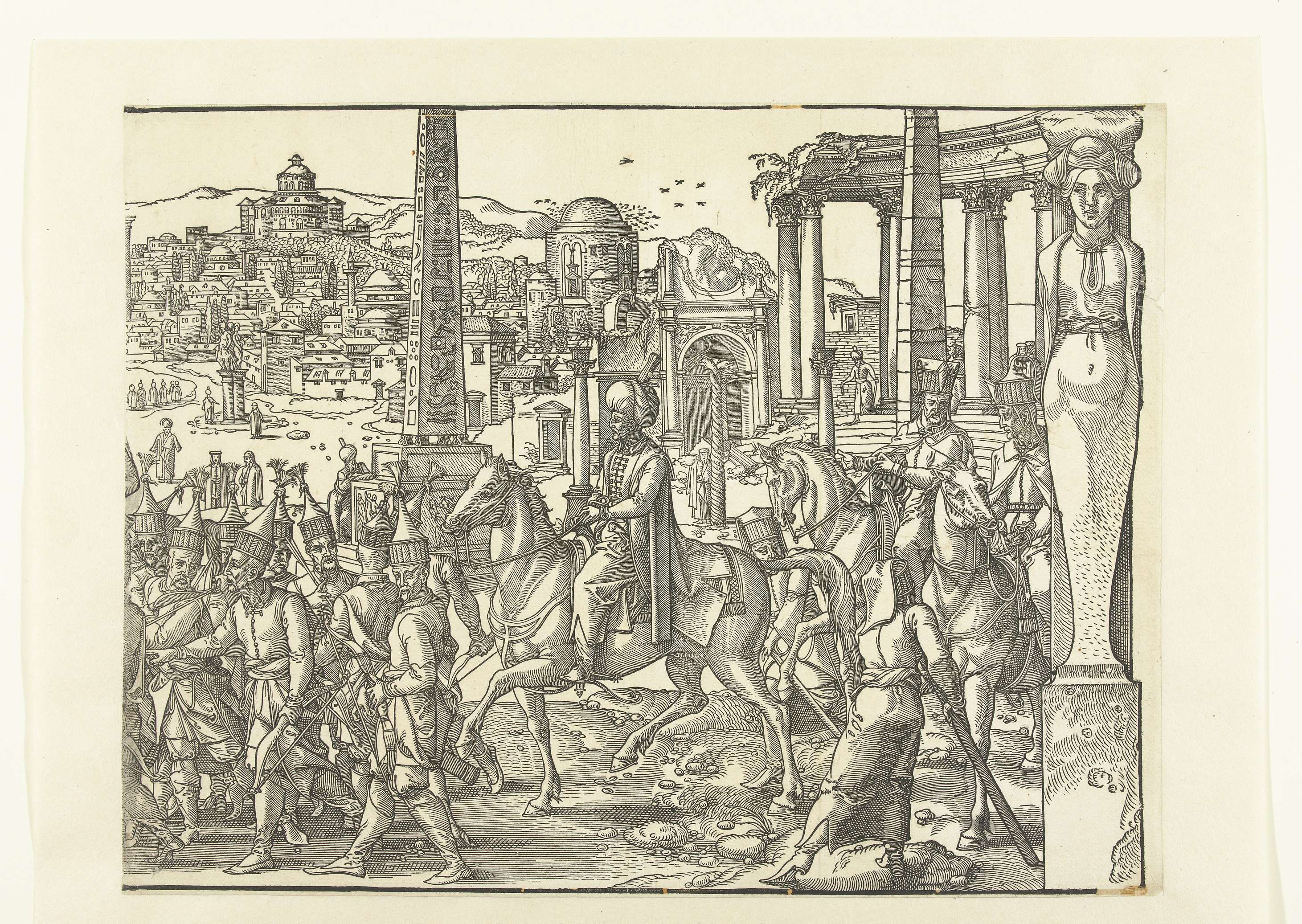
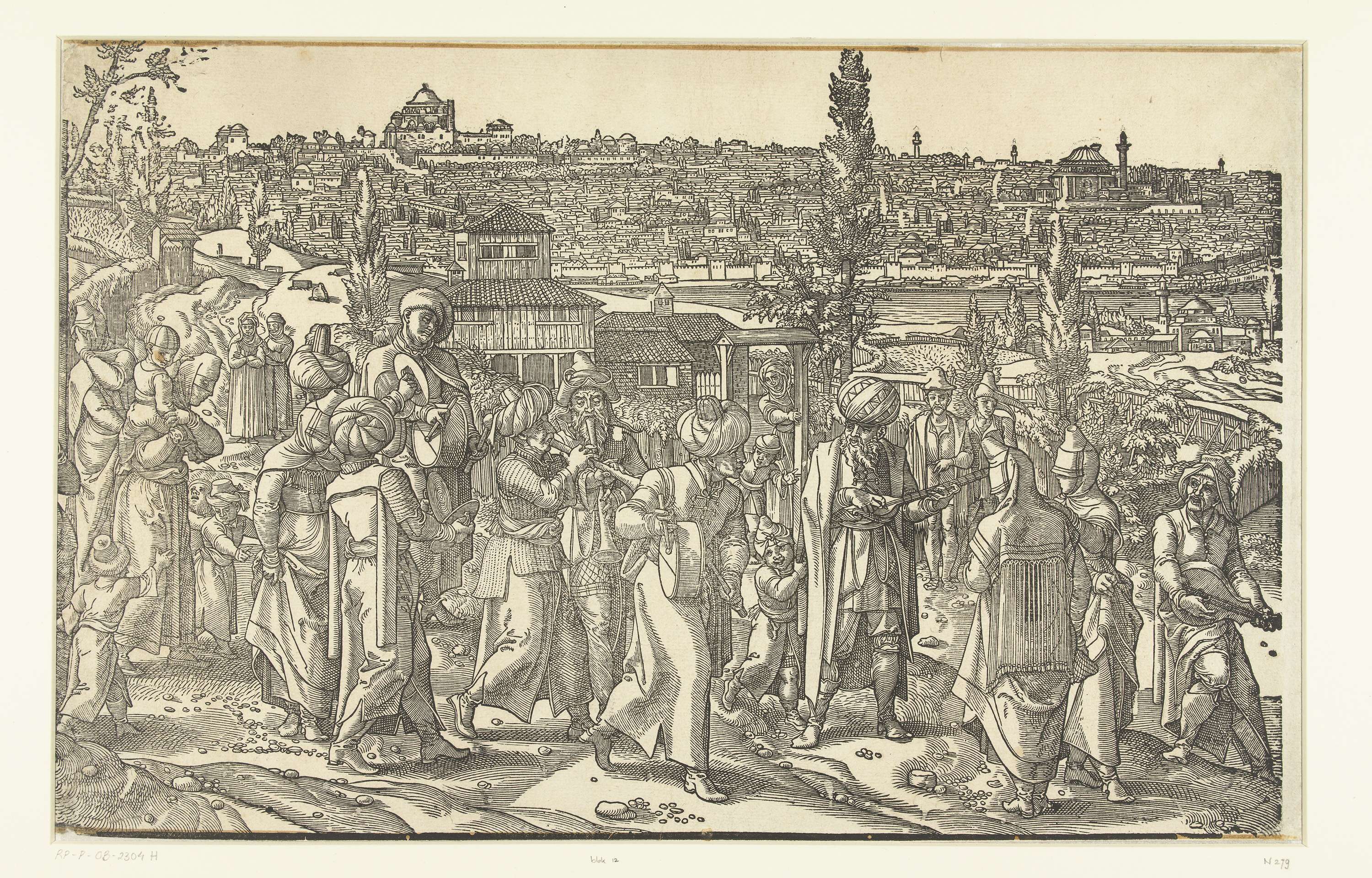
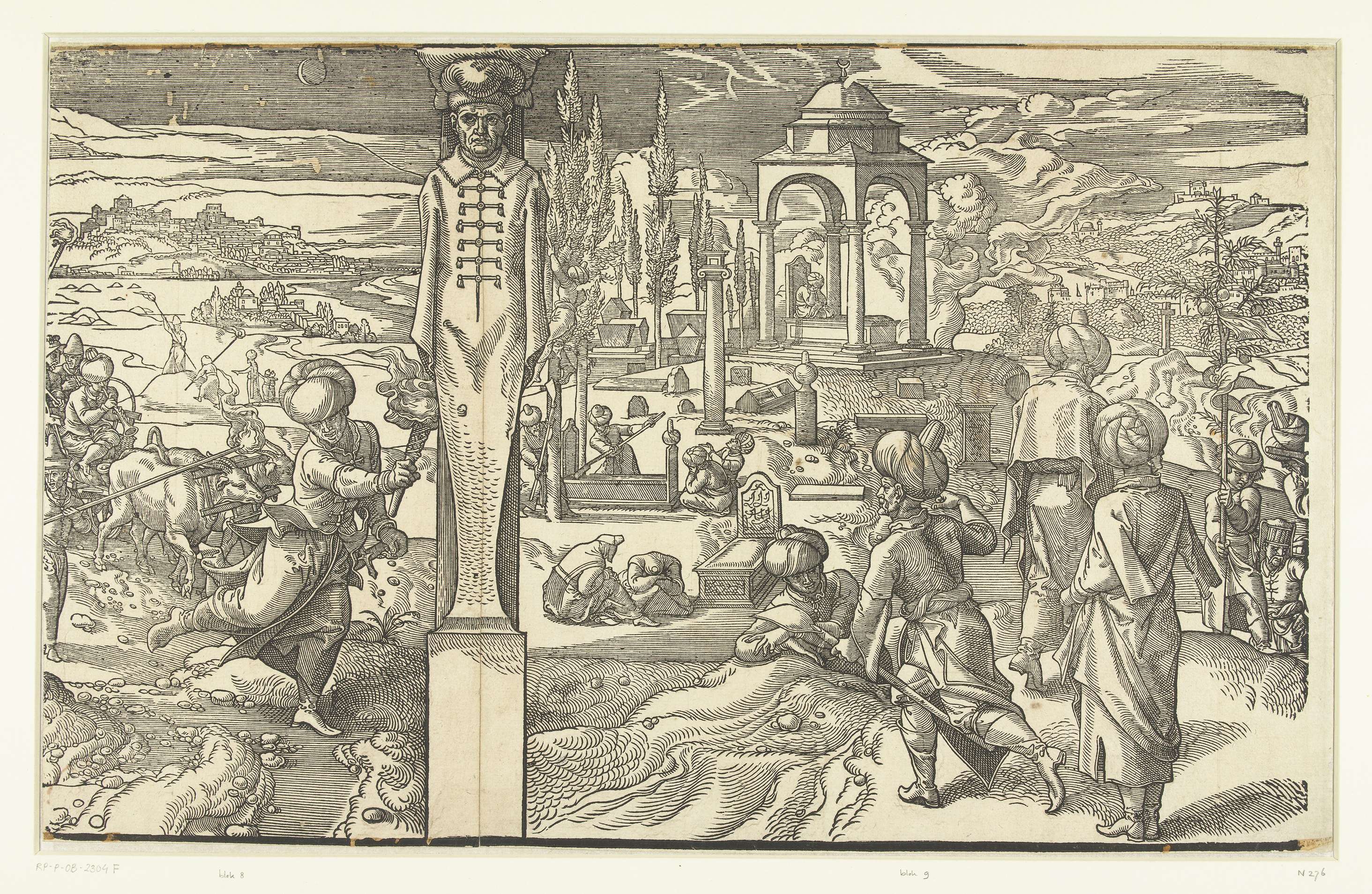
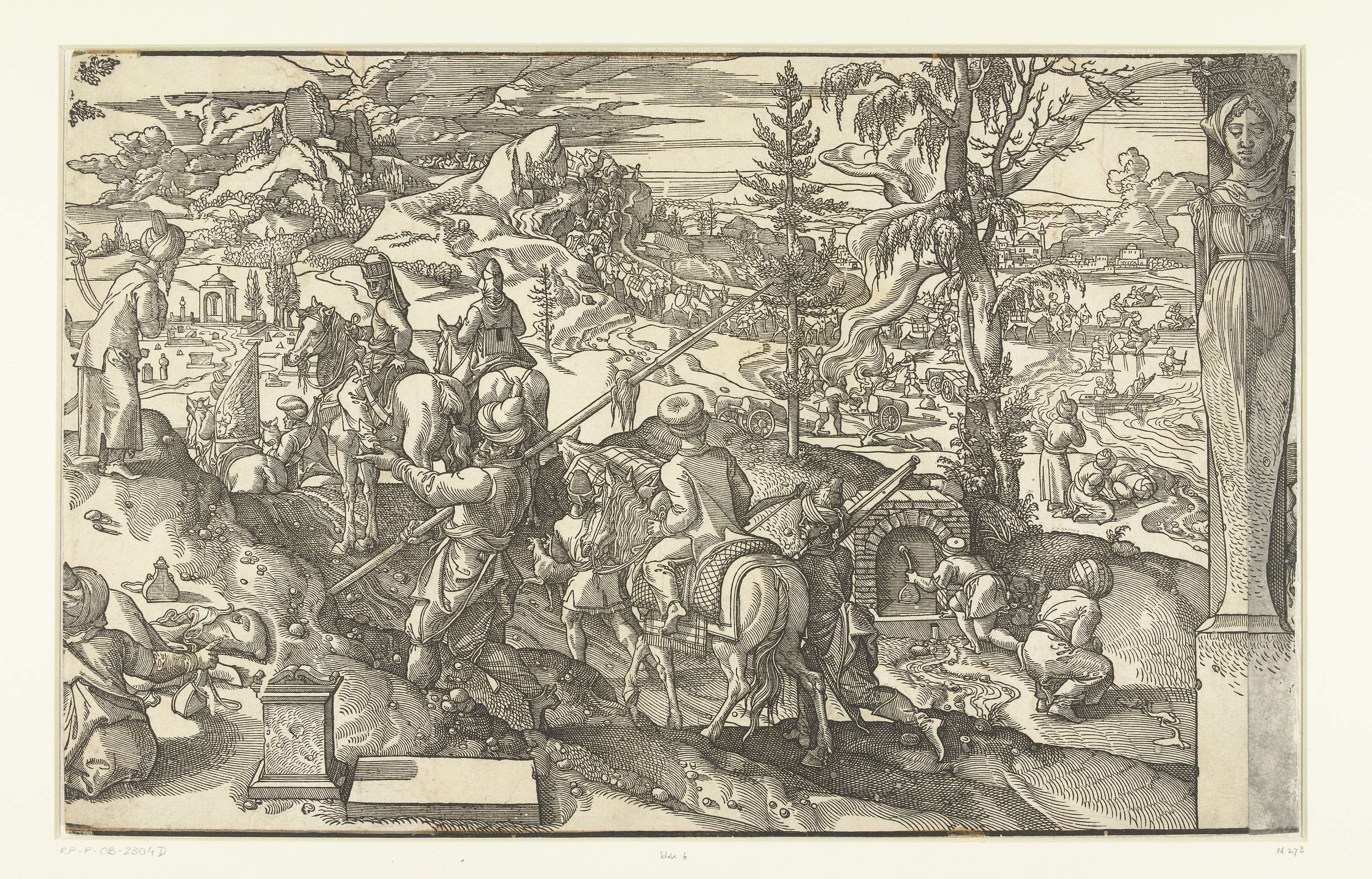
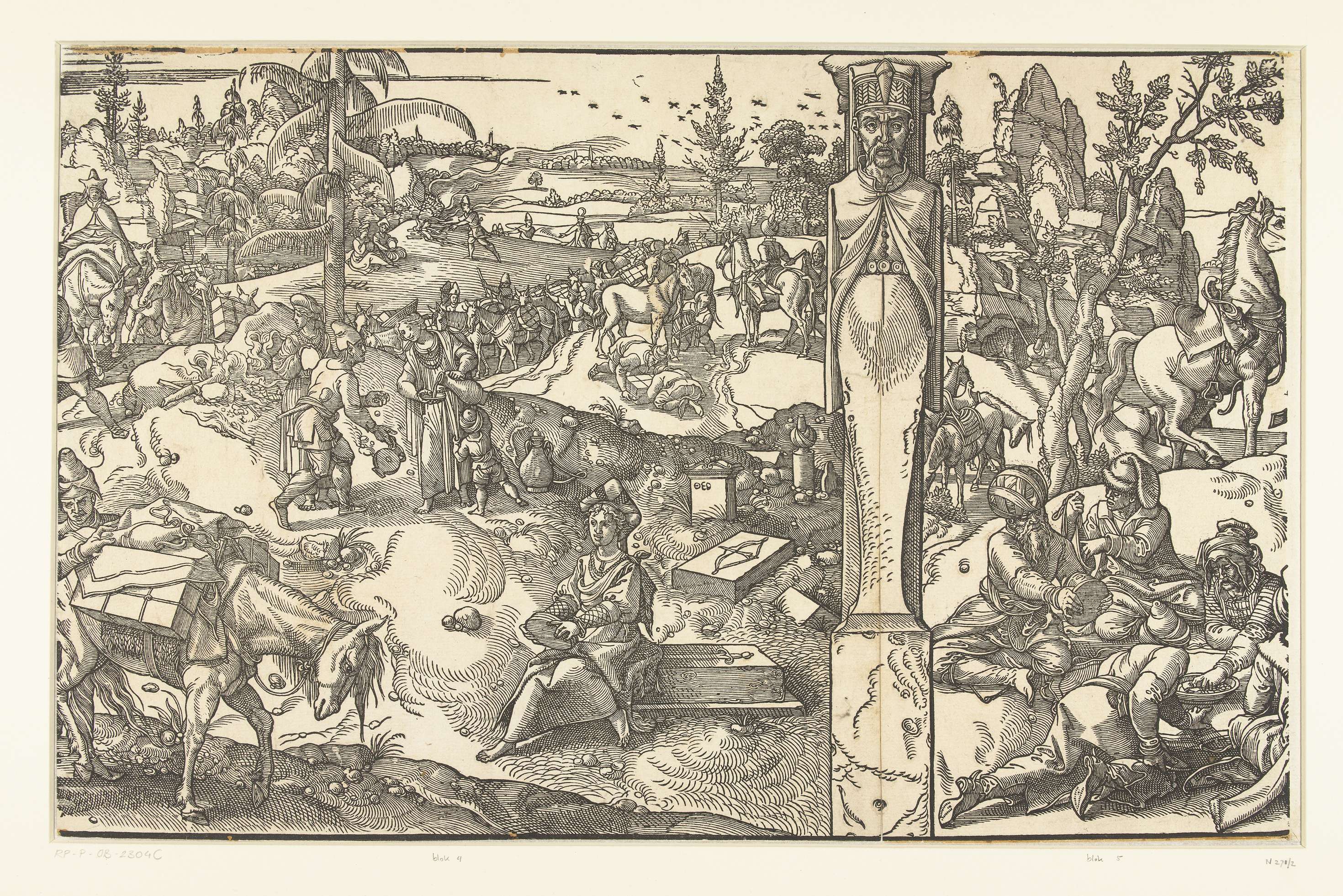
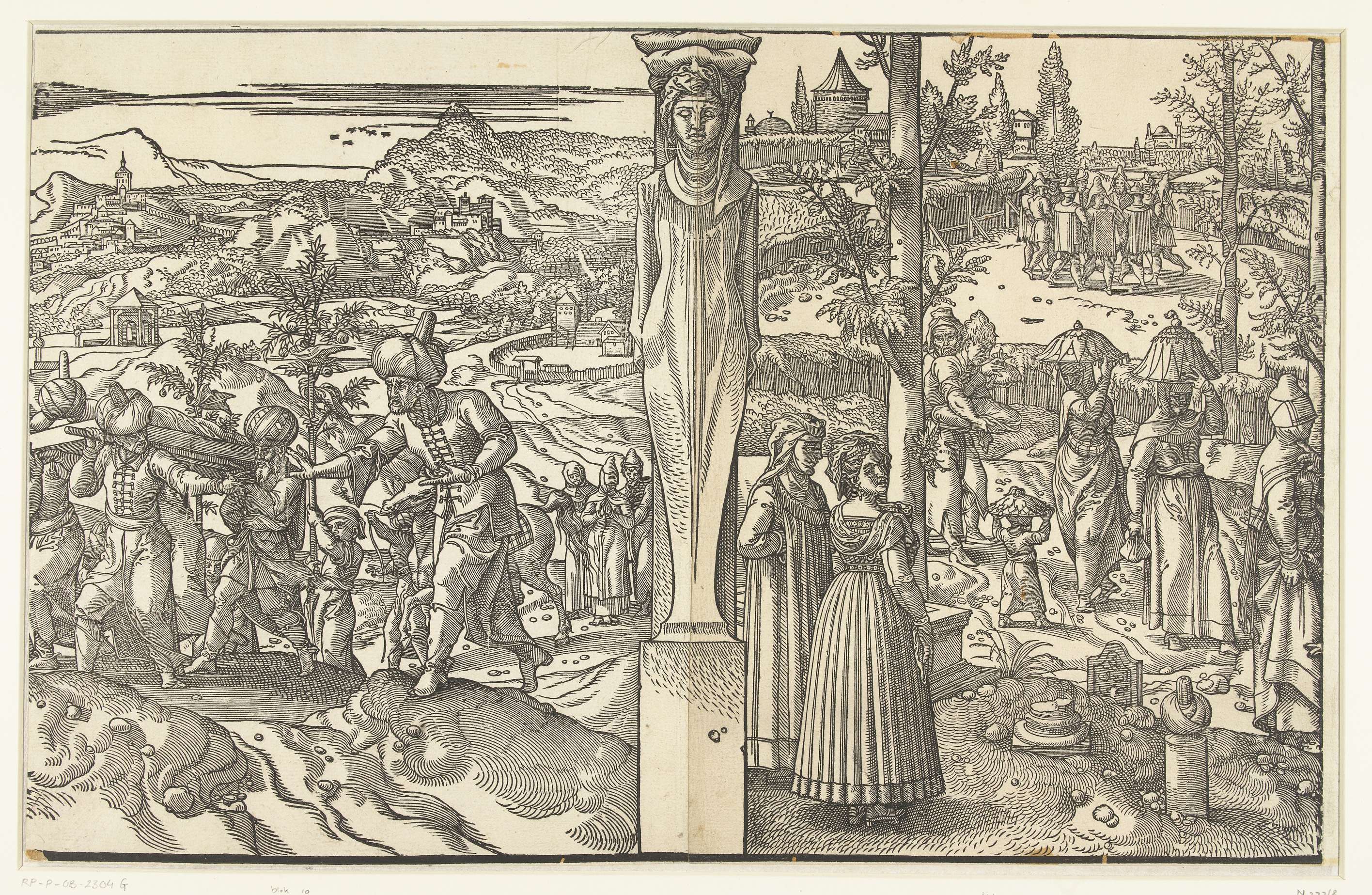
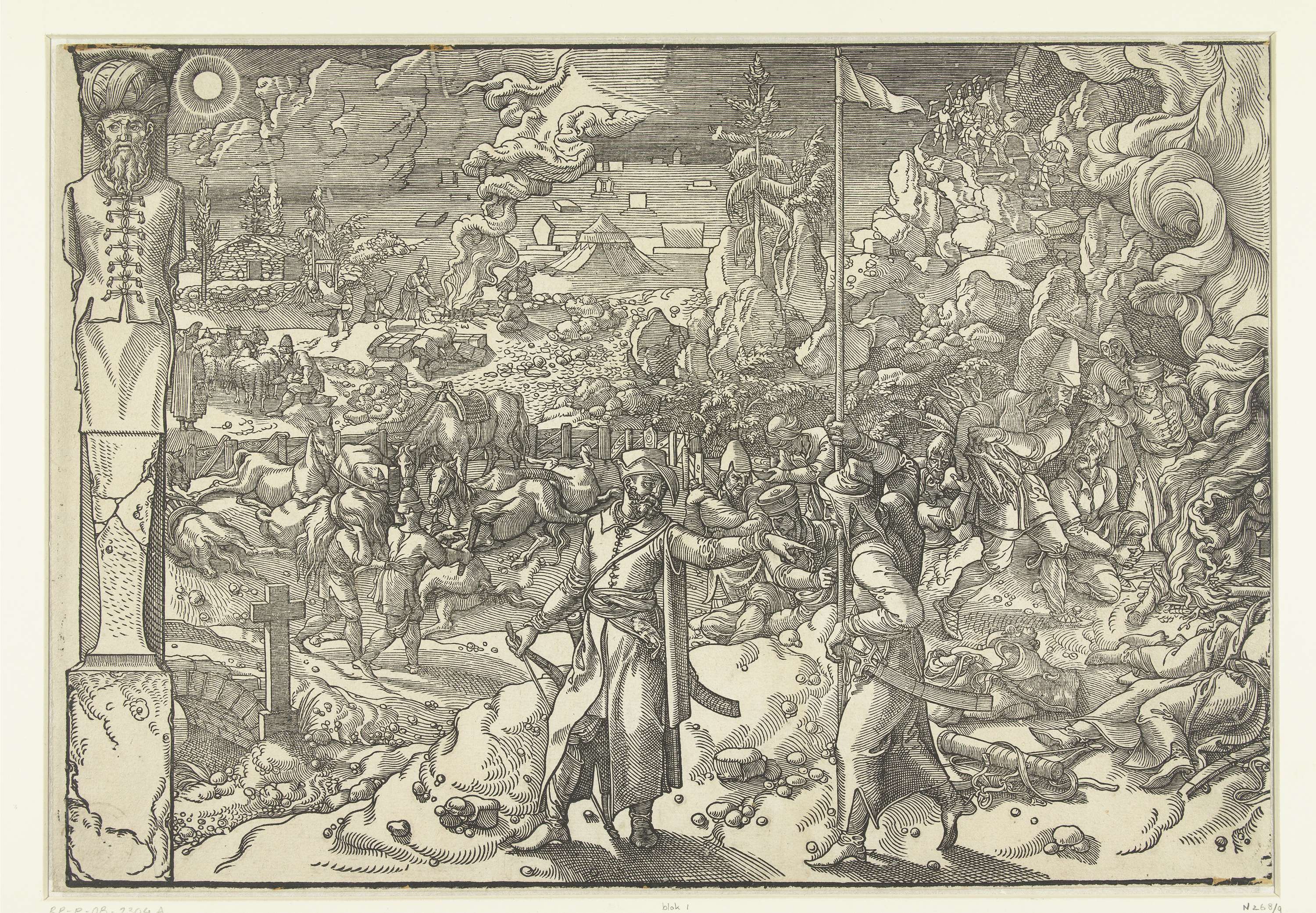
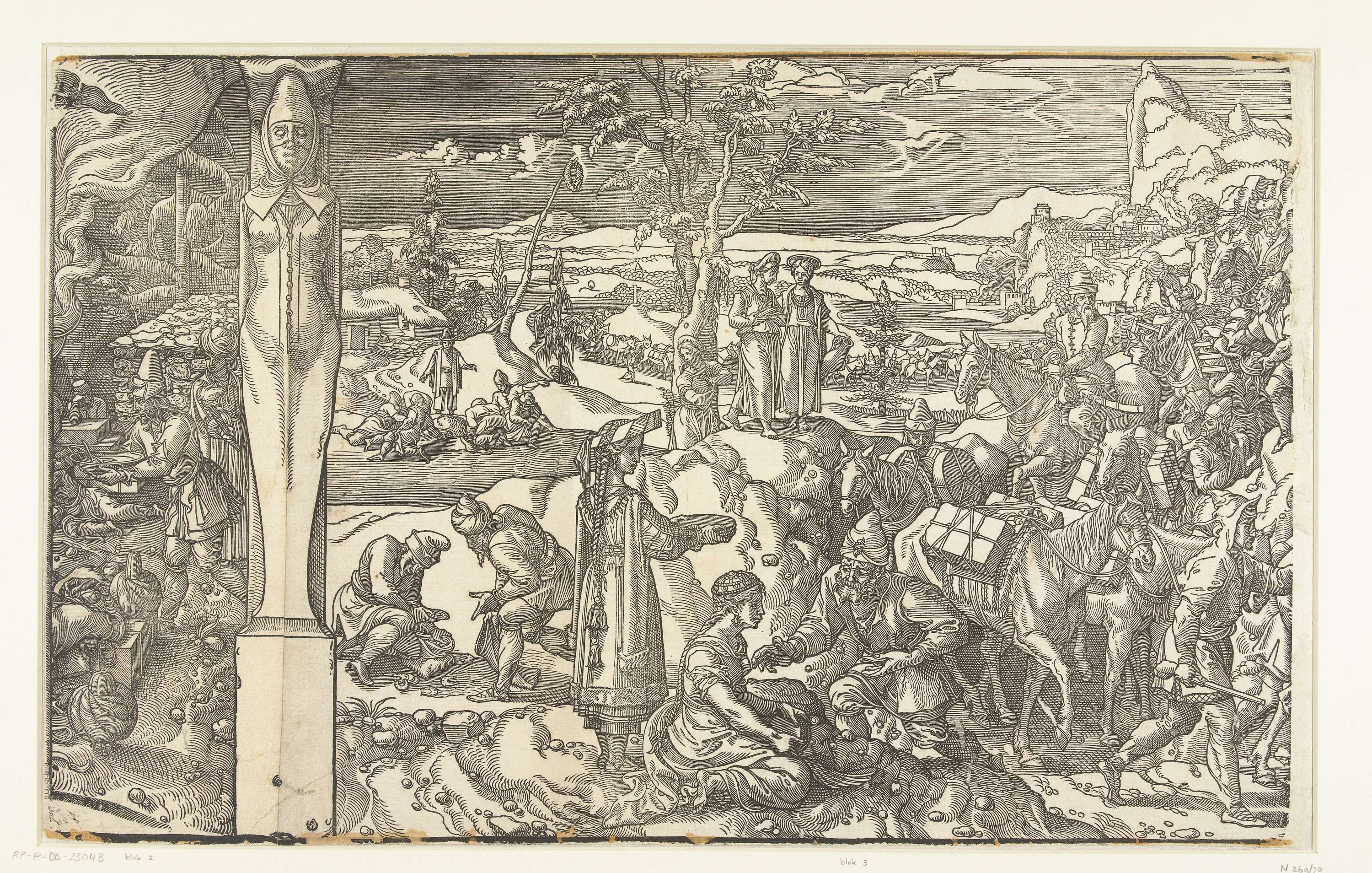
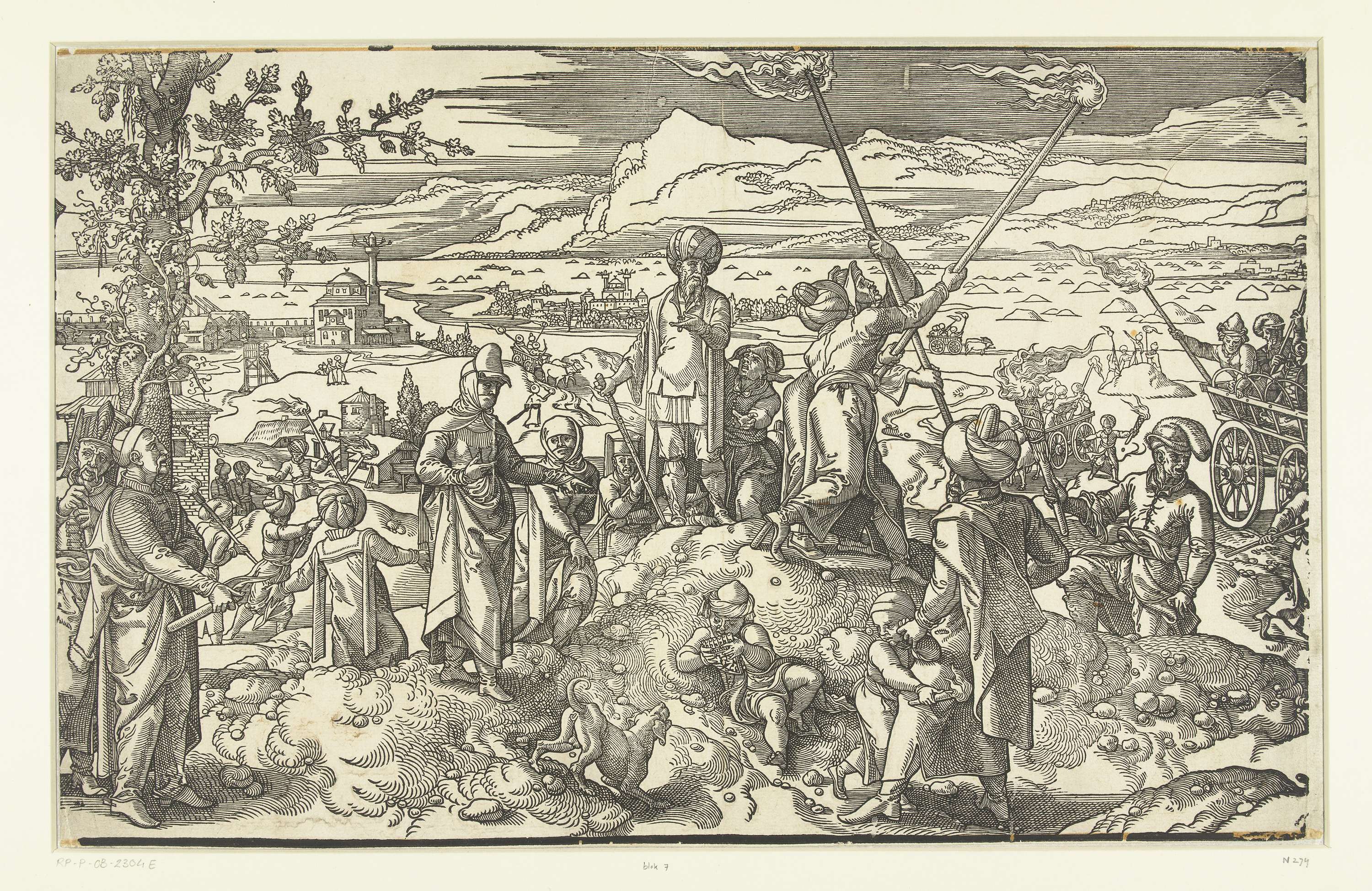
Could a single brushstroke hold eternity? As time flows like a river, it carries with it moments of joy, celebration, and connection—each captured vividly in the artwork of a master. Look to the center of the composition where the festivities unfurl in a vibrant display of color and movement. Brightly clad figures dance beneath a luminous sky, the shimmering hues of twilight blending into shades of deep blue and ochre.
Notice how the intricate details of their garments capture the light, each fold and drape alive with texture, drawing the eye into a scene that pulsates with energy. The careful arrangement of elements creates a tapestry of life, with the crowd merging into a harmonious whole, yet distinctly individual. This artwork presents a striking contrast between the ephemeral nature of the celebration and the eternal passage of time symbolized by the new moon above. The lively expressions and gestures of the figures suggest a fleeting moment of communal joy, while the moon's quiet presence reminds us of the continuity of life and its cycles.
The convergence of these themes evokes a deeper reflection on how moments of happiness can resonate through history, echoing long after the festivities have faded. In 1553, while living in Antwerp, Pieter Coecke van Aelst created this piece during a vibrant period for Flemish art, characterized by detailed realism and rich color. At this time, the artist was influenced by the burgeoning Renaissance and the rise of humanism, which celebrated both the beauty of the natural world and the complexity of human emotion. This blend of artistic and cultural currents enabled Coecke to convey profound themes within the joyous event he depicted, ensuring that Feest van de nieuwe maan remains a timeless exploration of celebration and continuity.