Stoet met ruiters en muilezels — History & Analysis
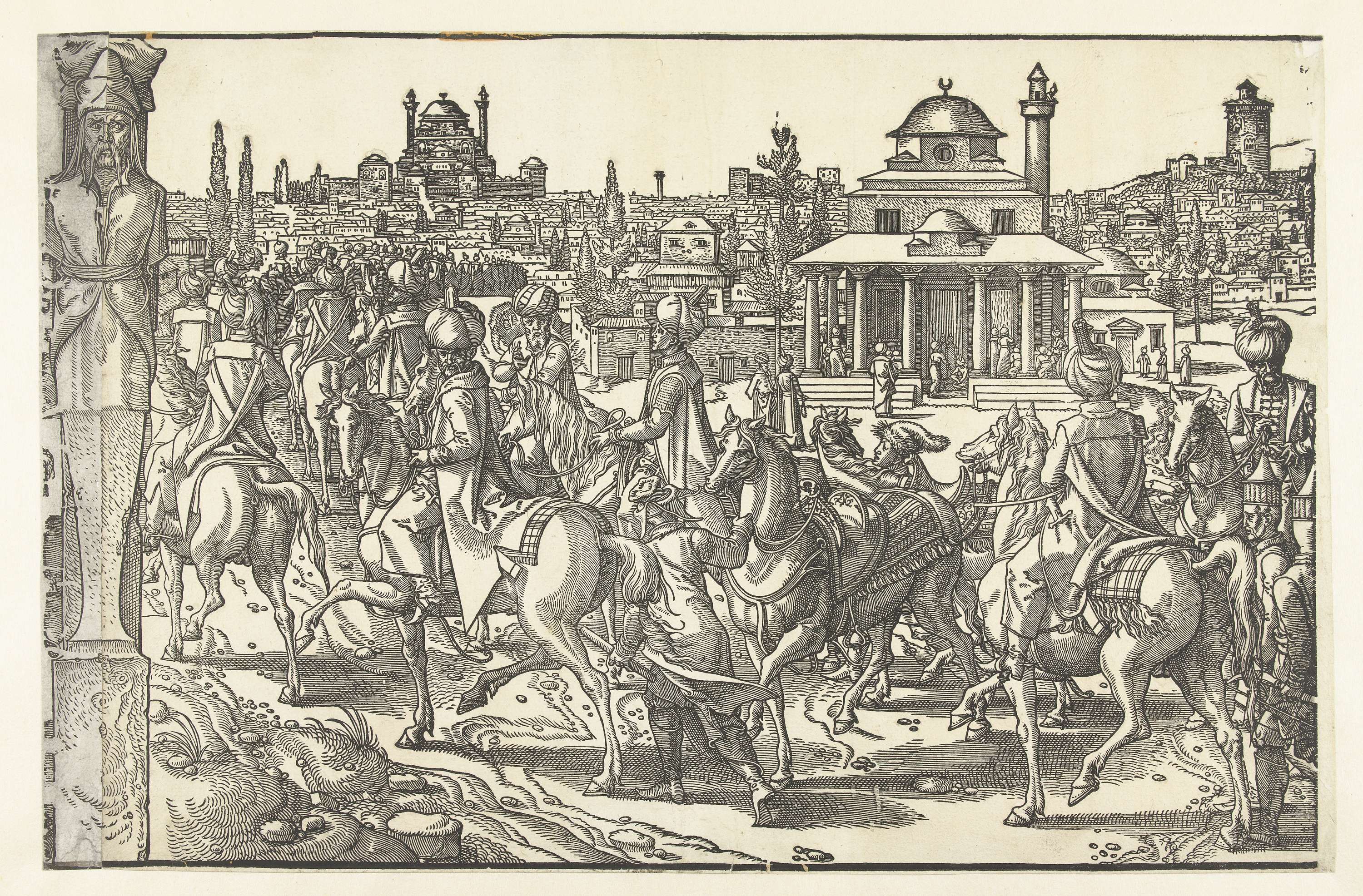
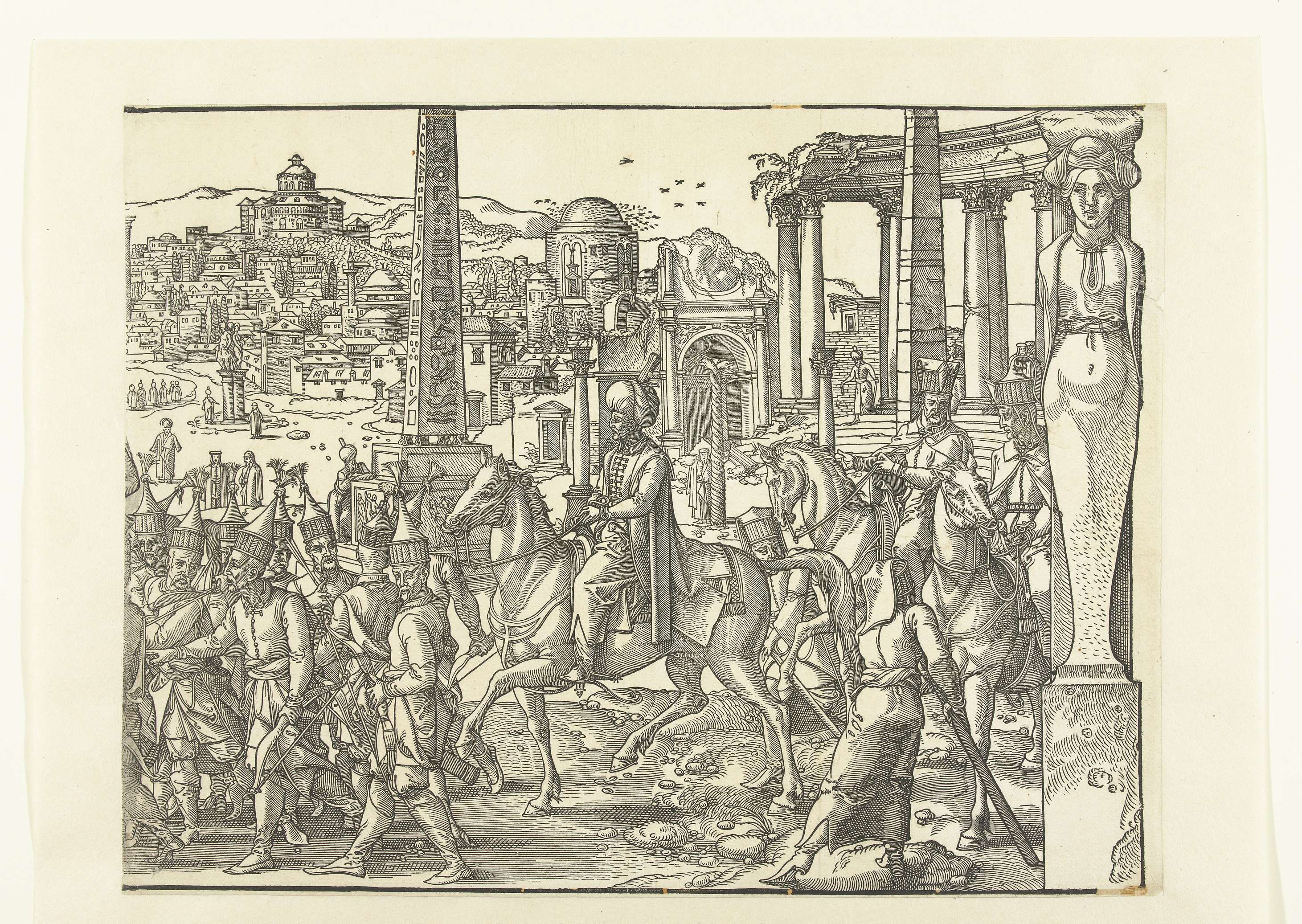
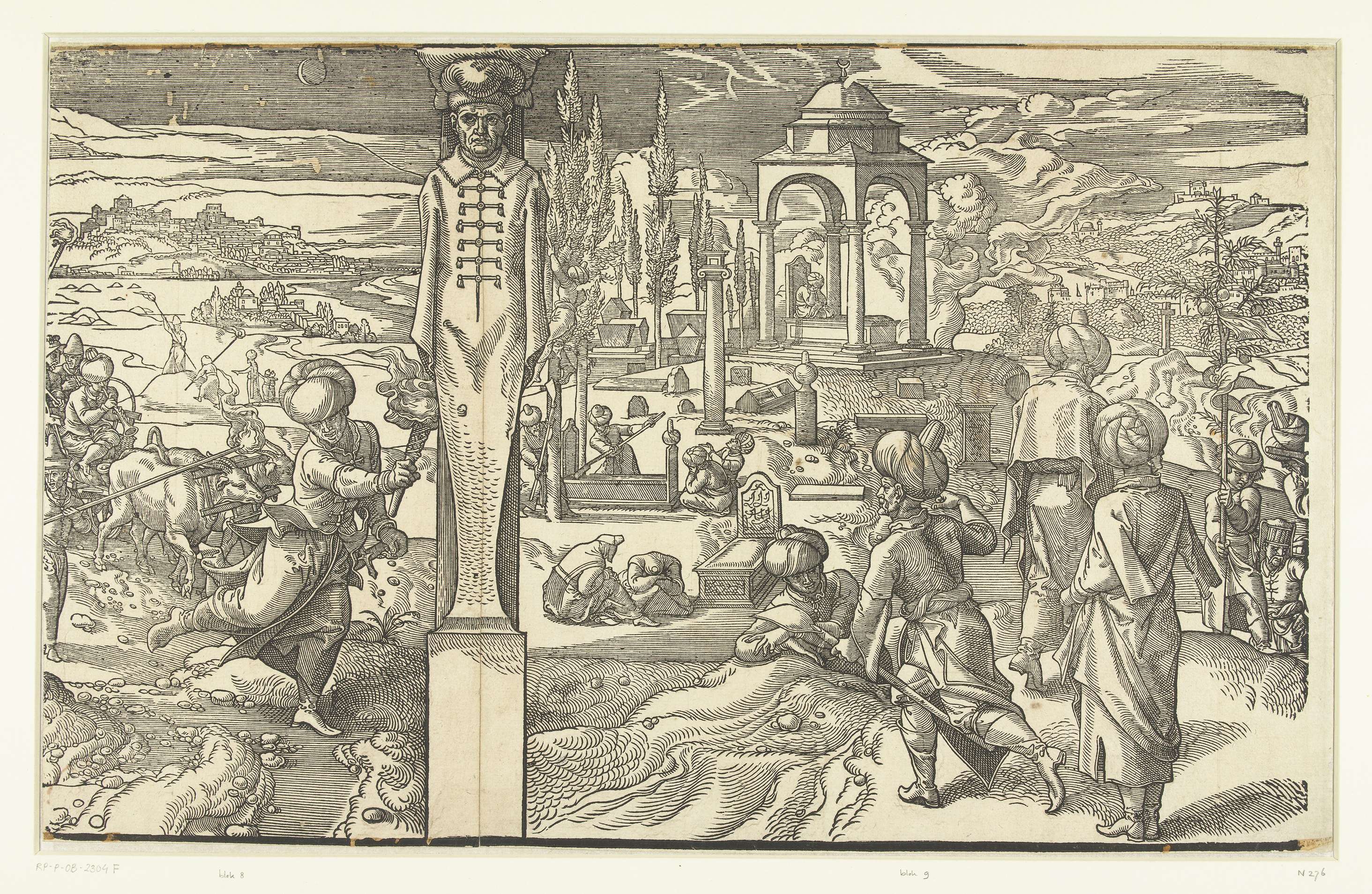
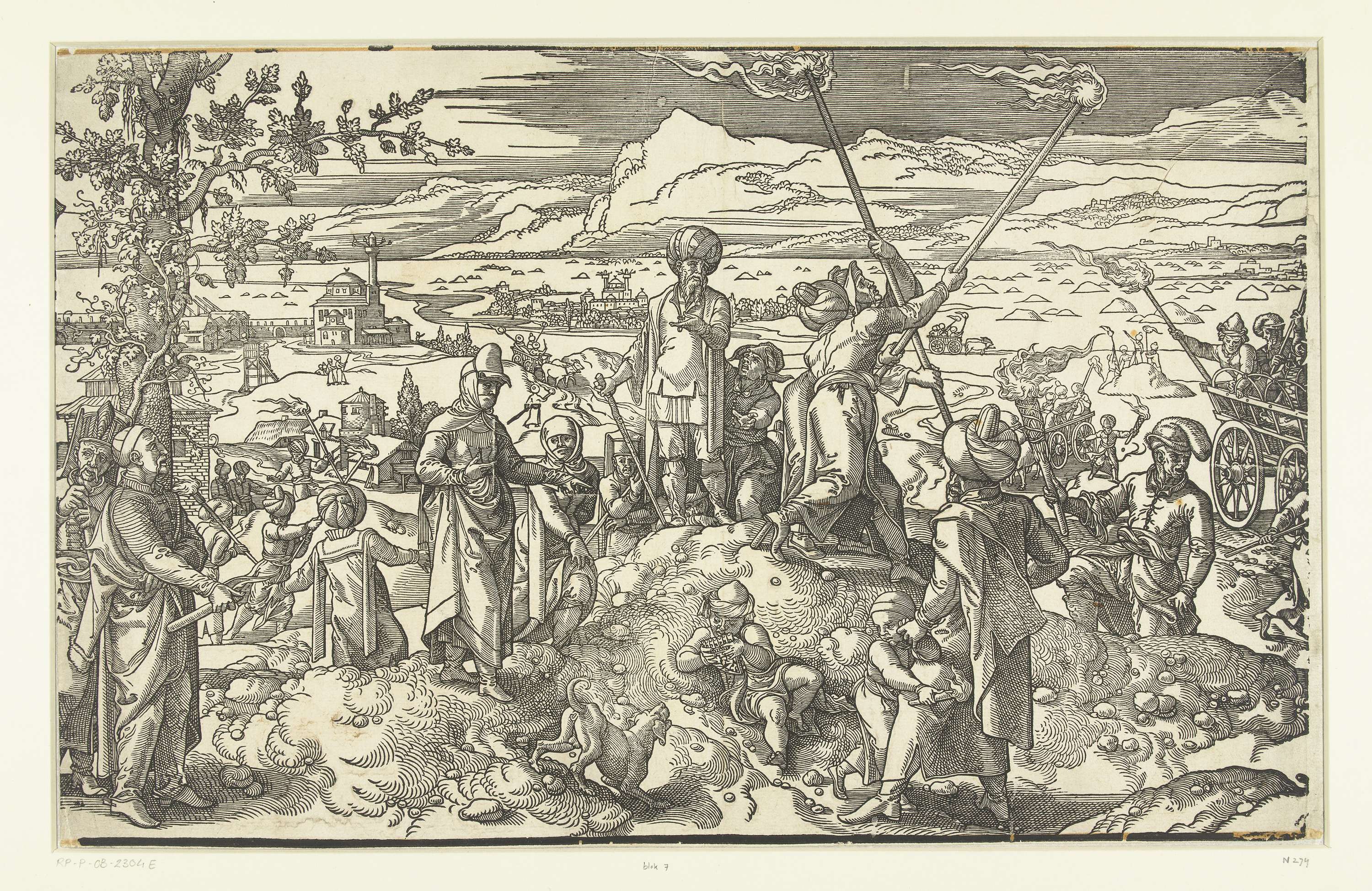
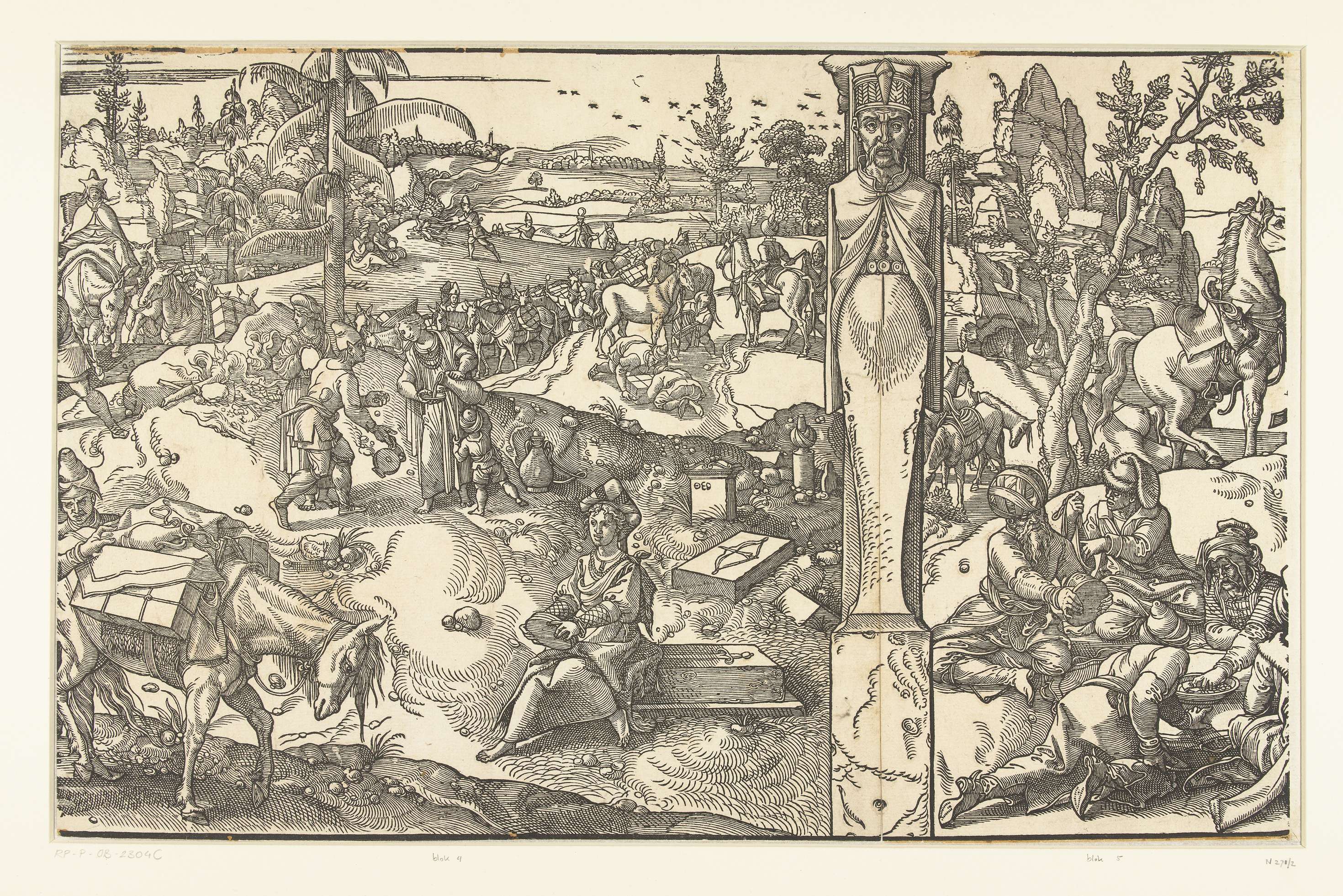
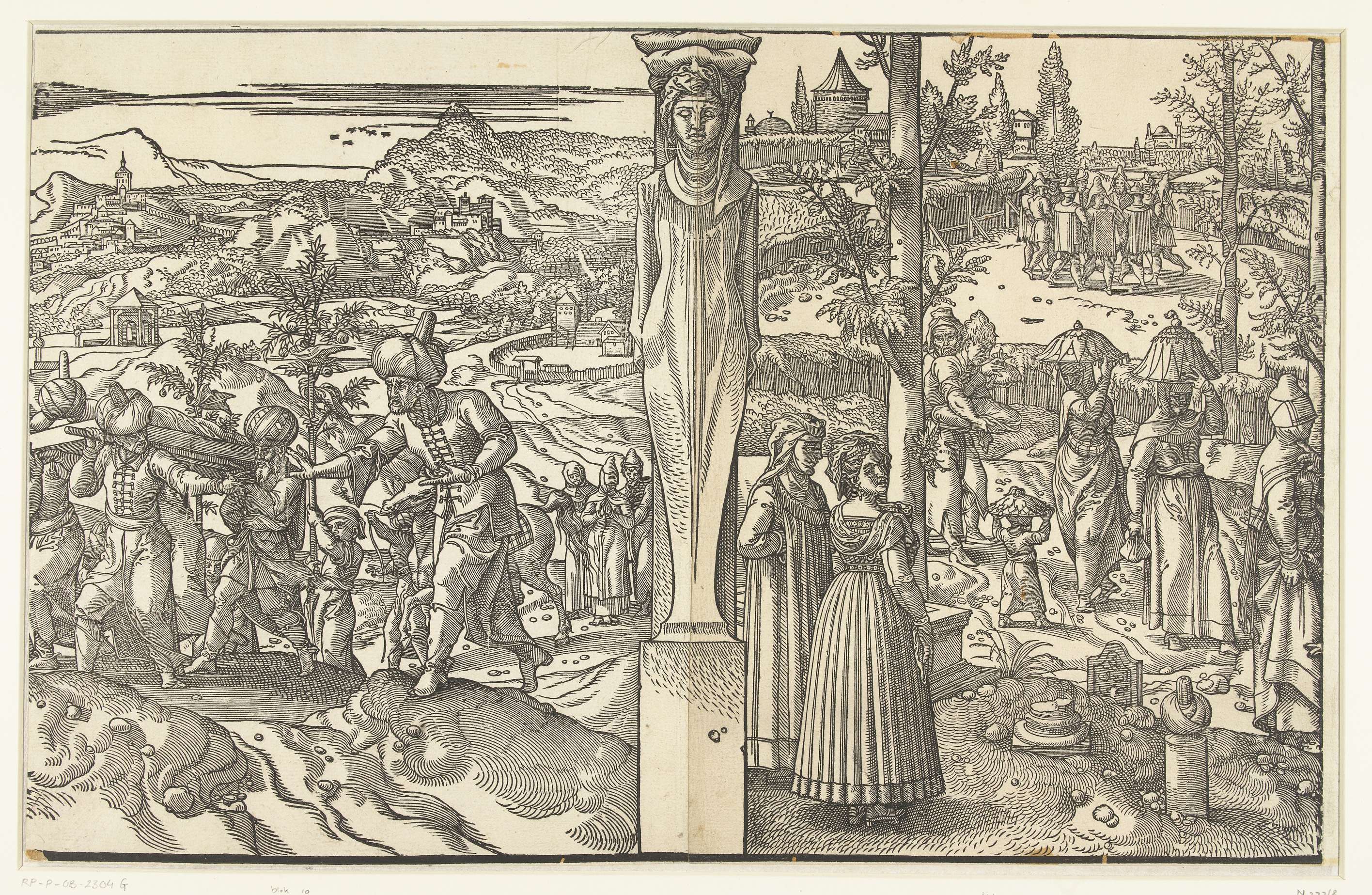
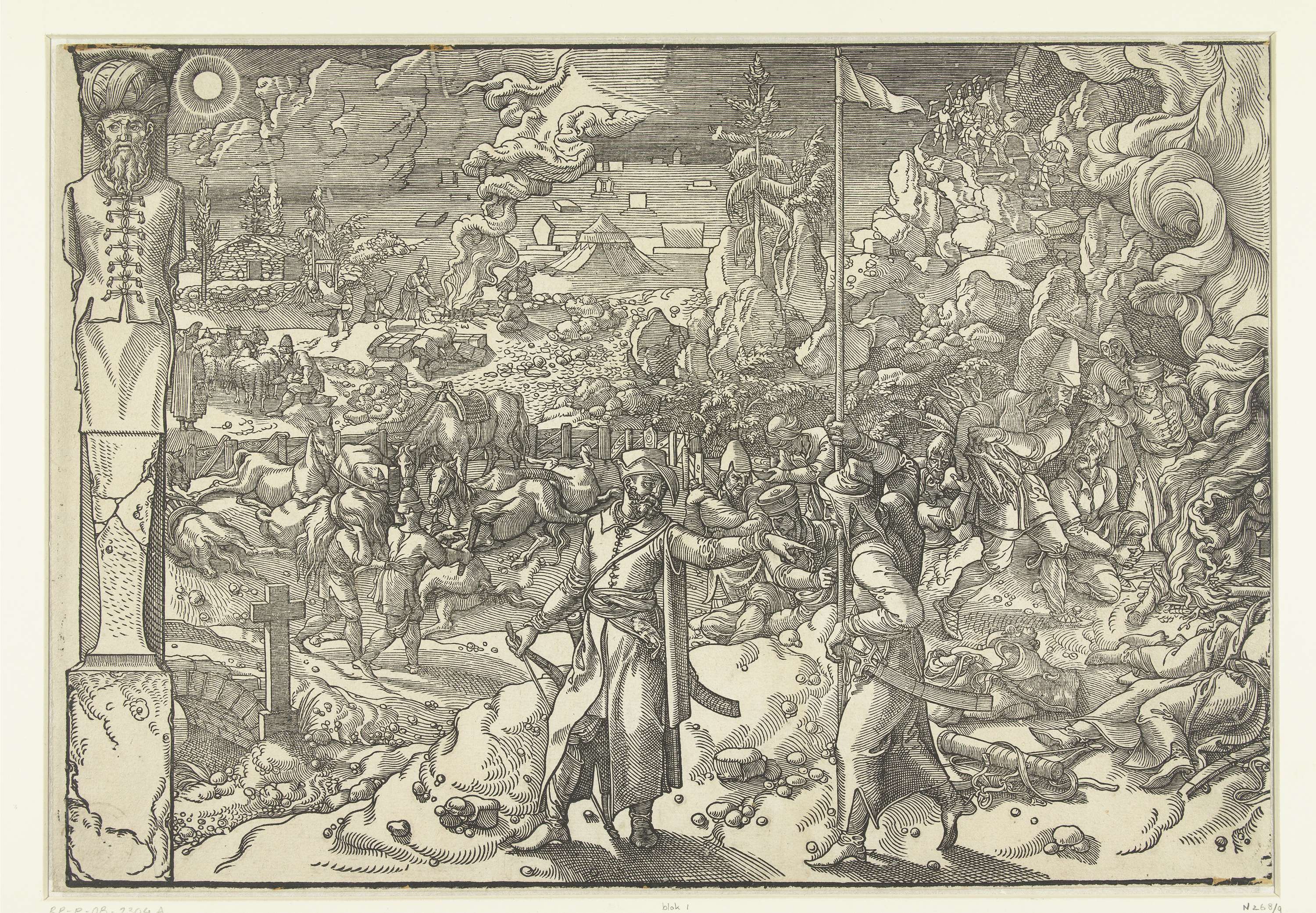
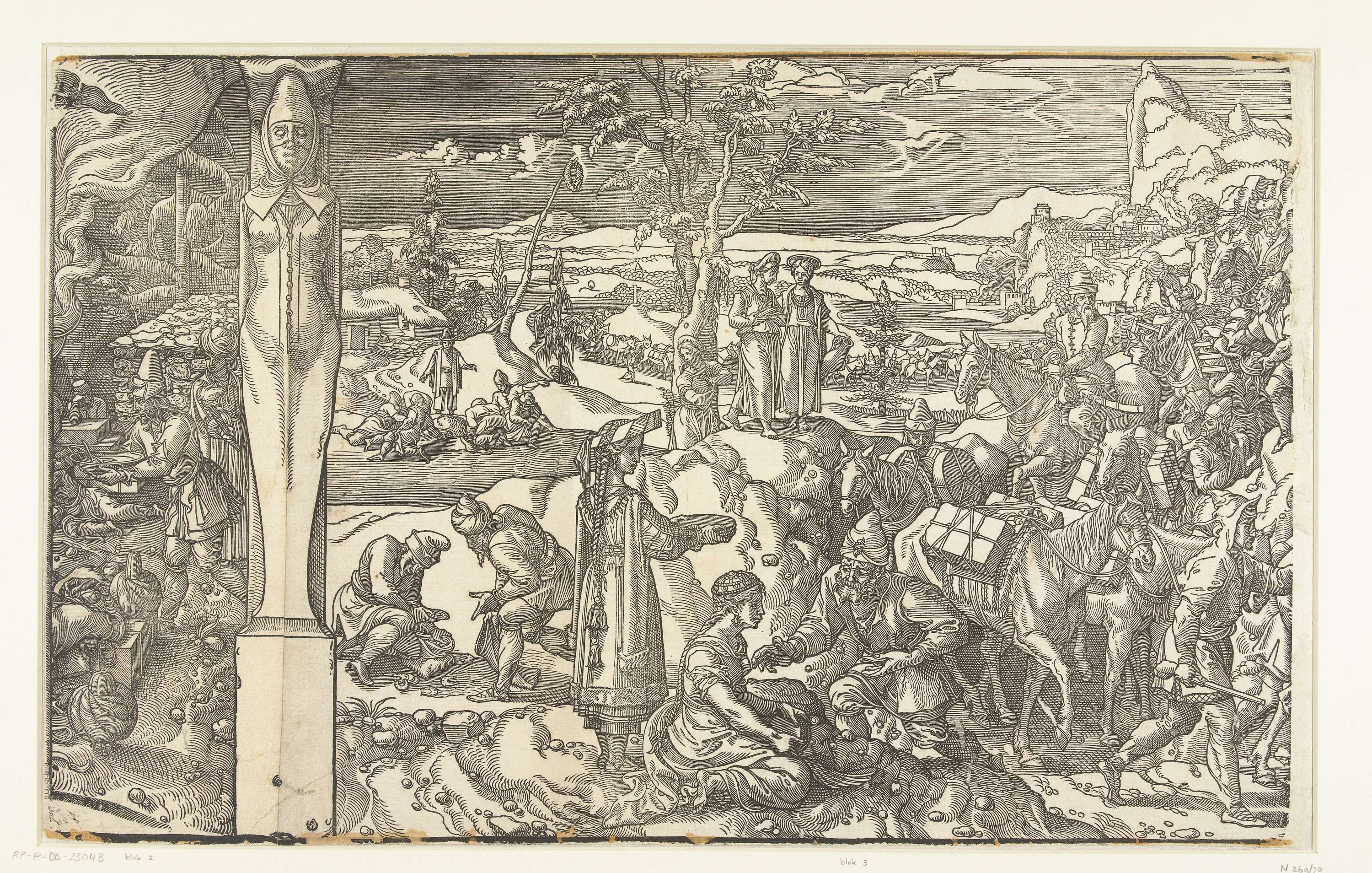
“Every silence here is a confession.” In the stillness of the scene, a silent dialogue unfolds, revealing the depth of human experience amidst the voids of life. The absence of sound echoes louder than any spoken word, provoking contemplation of what lies beneath the surface of existence. Look to the left at the vibrant colors of the horses and mules, their powerful forms leading the procession, while the riders sit poised atop them, draped in richly detailed garments. Notice how the artist employs a meticulous interplay of light and shadow, highlighting the textures of the animals’ fur and the sumptuous fabric of the riders’ attire.
The carefully balanced composition draws your eye across the canvas, inviting you to explore the nuances of each figure and their surroundings. Hidden within the tableau is a tension between movement and stillness, a juxtaposition that speaks to the precarious balance of life. The riders appear engaged in their journey, yet their expressions hint at deeper narratives—a sense of purpose tinged with uncertainty. Additionally, the muted background suggests an absence of destination, symbolizing the void that often accompanies the pursuit of ambition, echoing the internal struggles faced by each character.
Pieter Coecke van Aelst painted this work in 1553 during a time of social upheaval and cultural flourishing in the Low Countries. As a prominent figure in the Northern Renaissance, he was influenced by the evolving landscape of art, infusing his scenes with intricate details and vibrant life. This period marked a growing interest in capturing the human experience, which Coecke deftly illustrated through his keen observations and masterful technique.