Feest van de nieuwe maan en begrafenis — History & Analysis
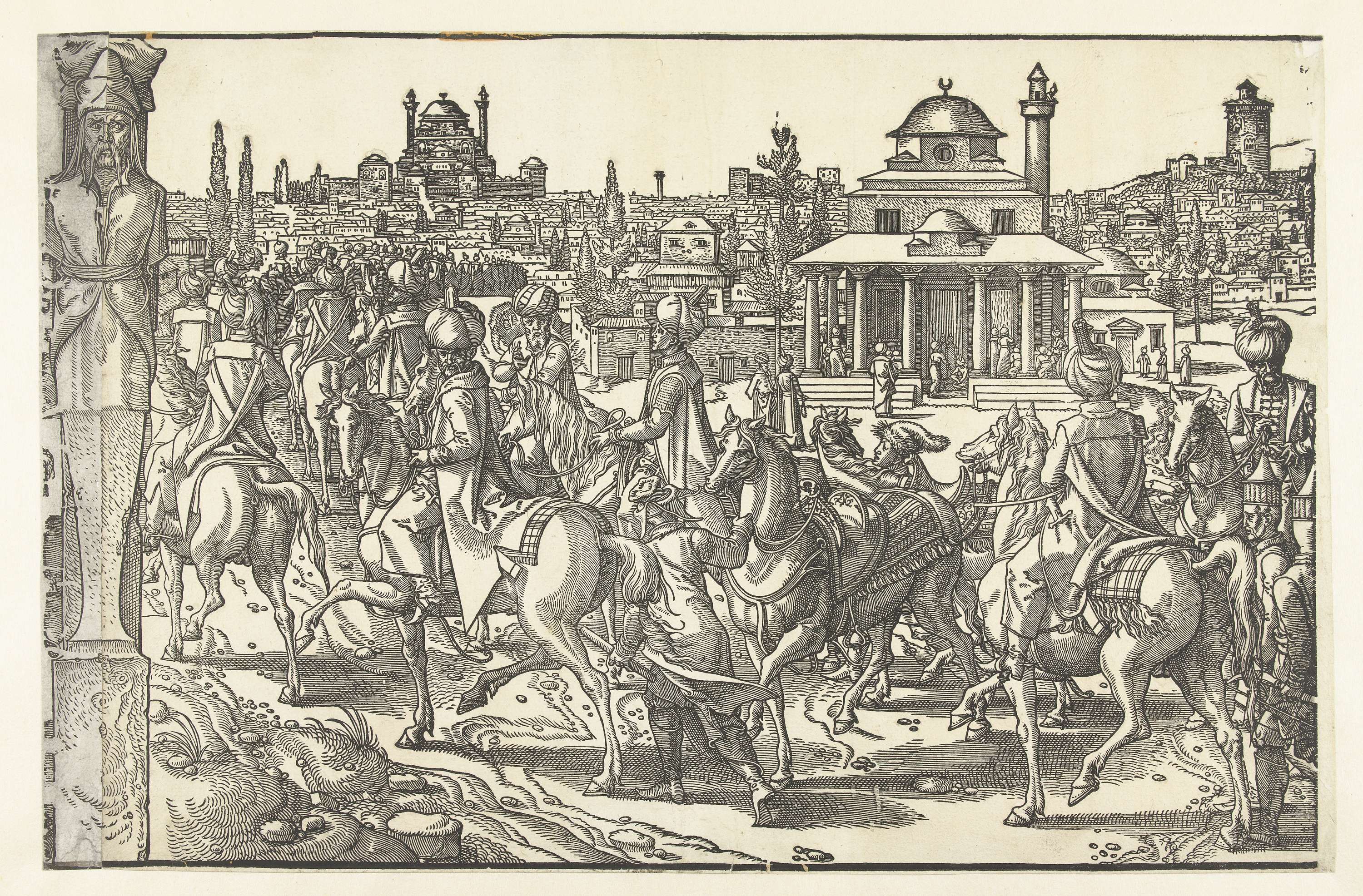
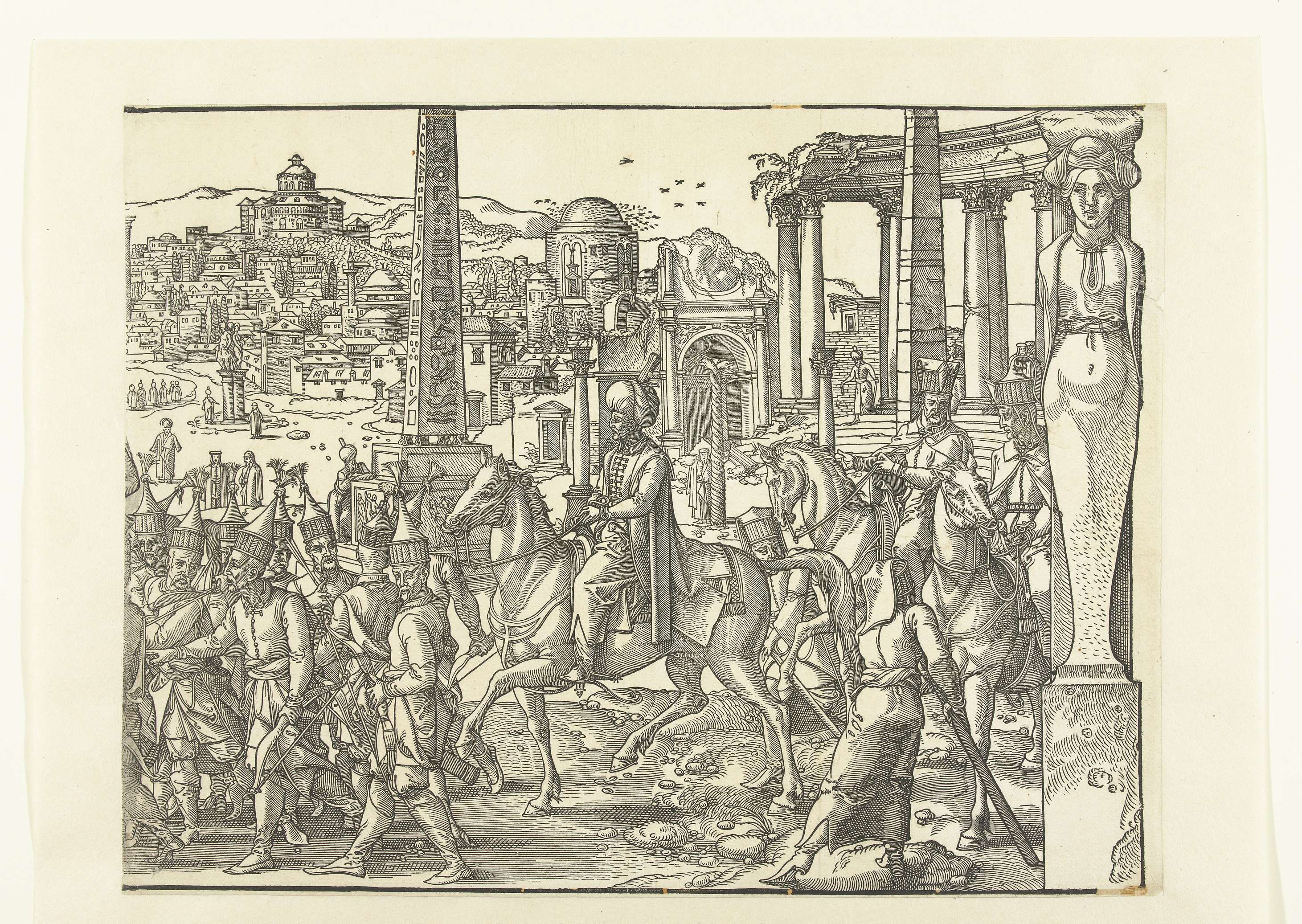
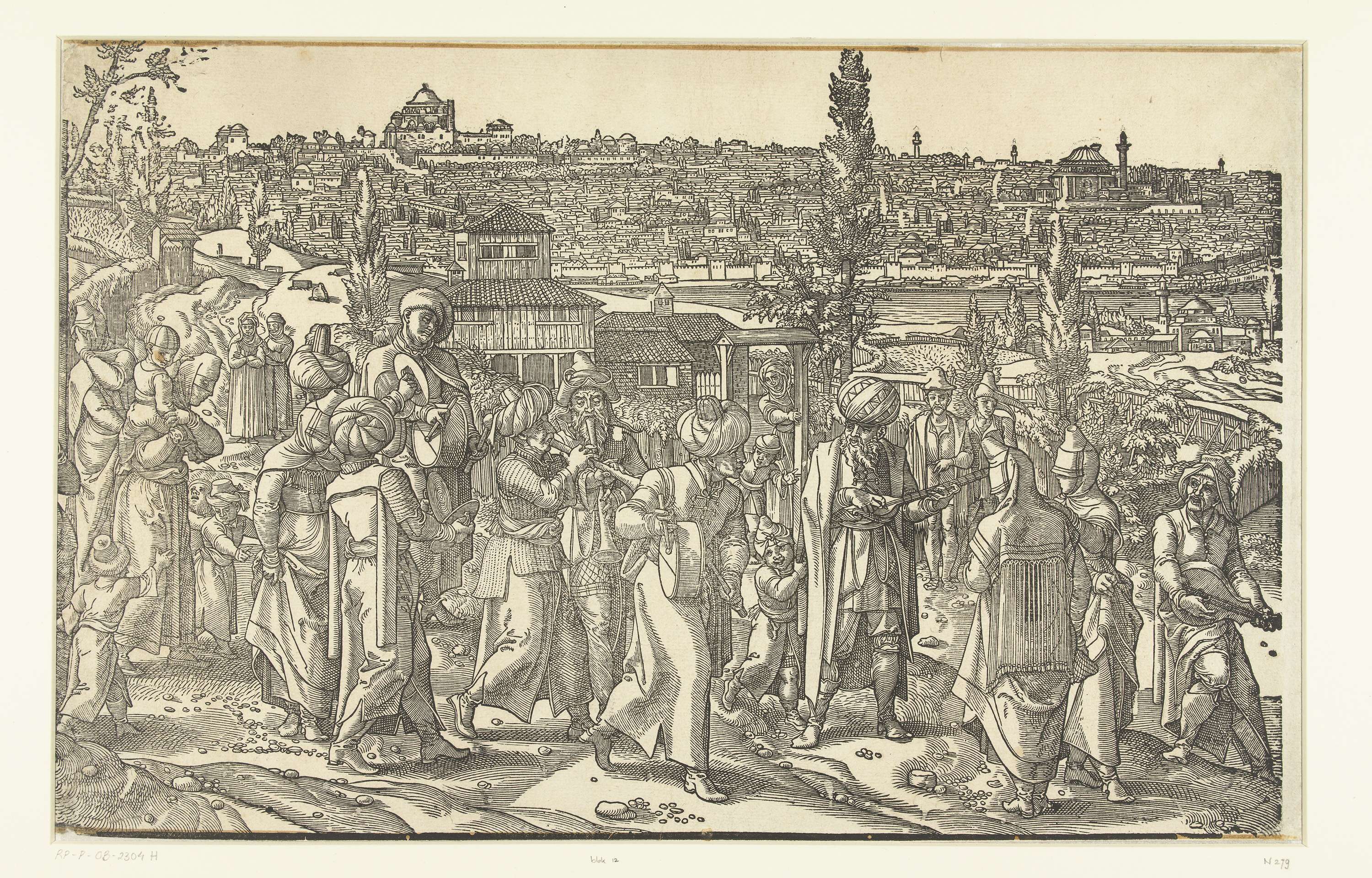
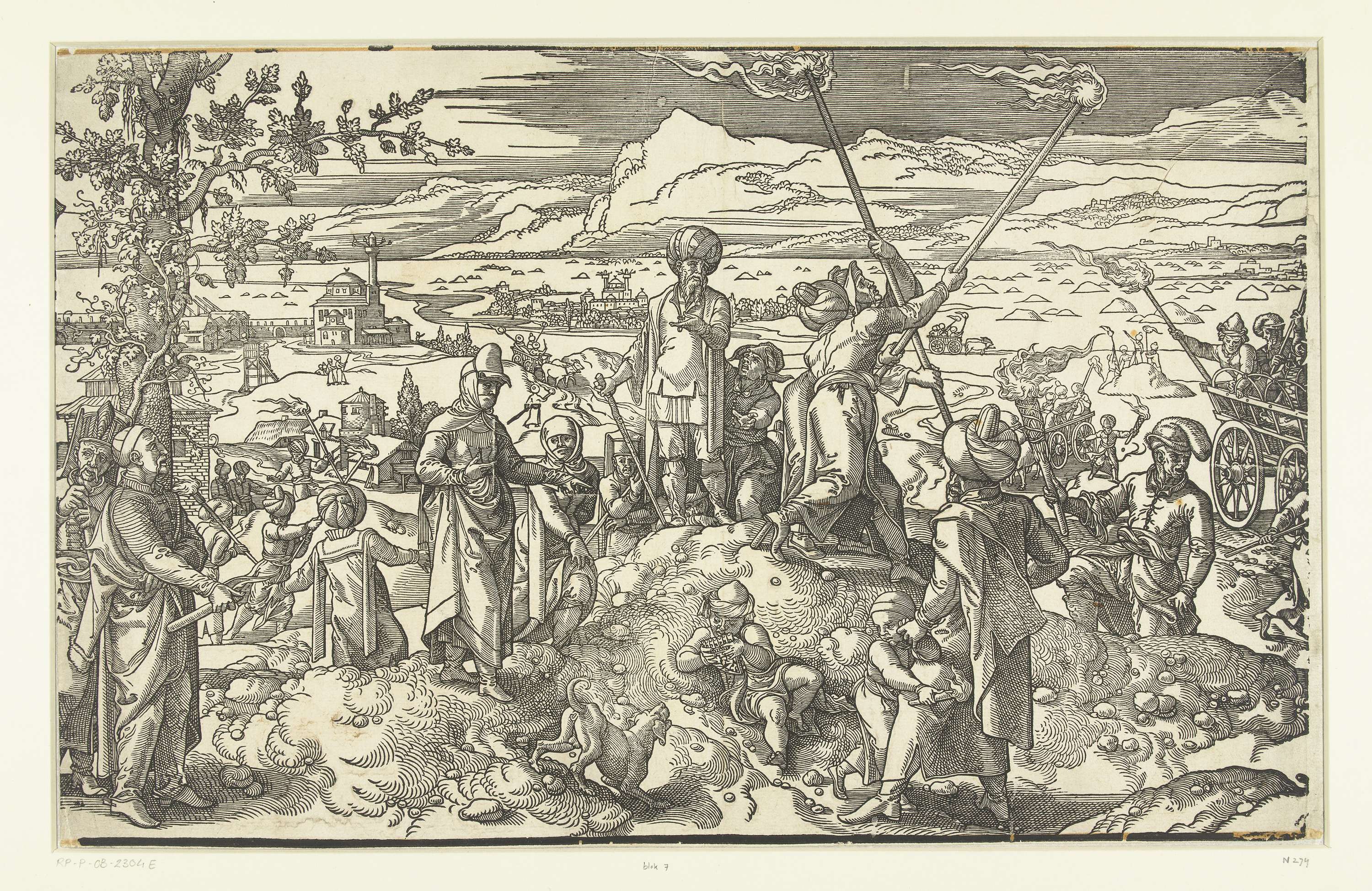
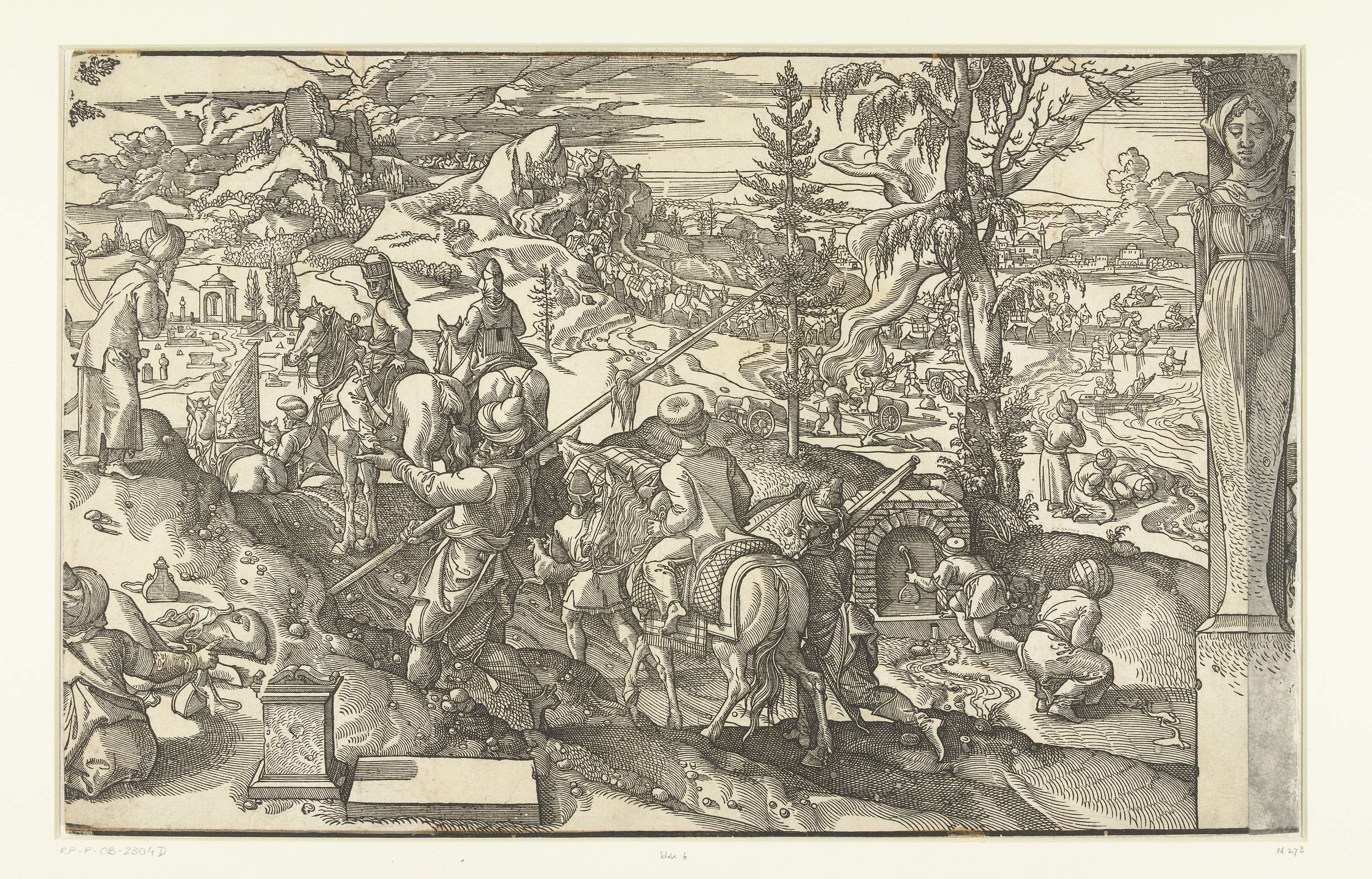
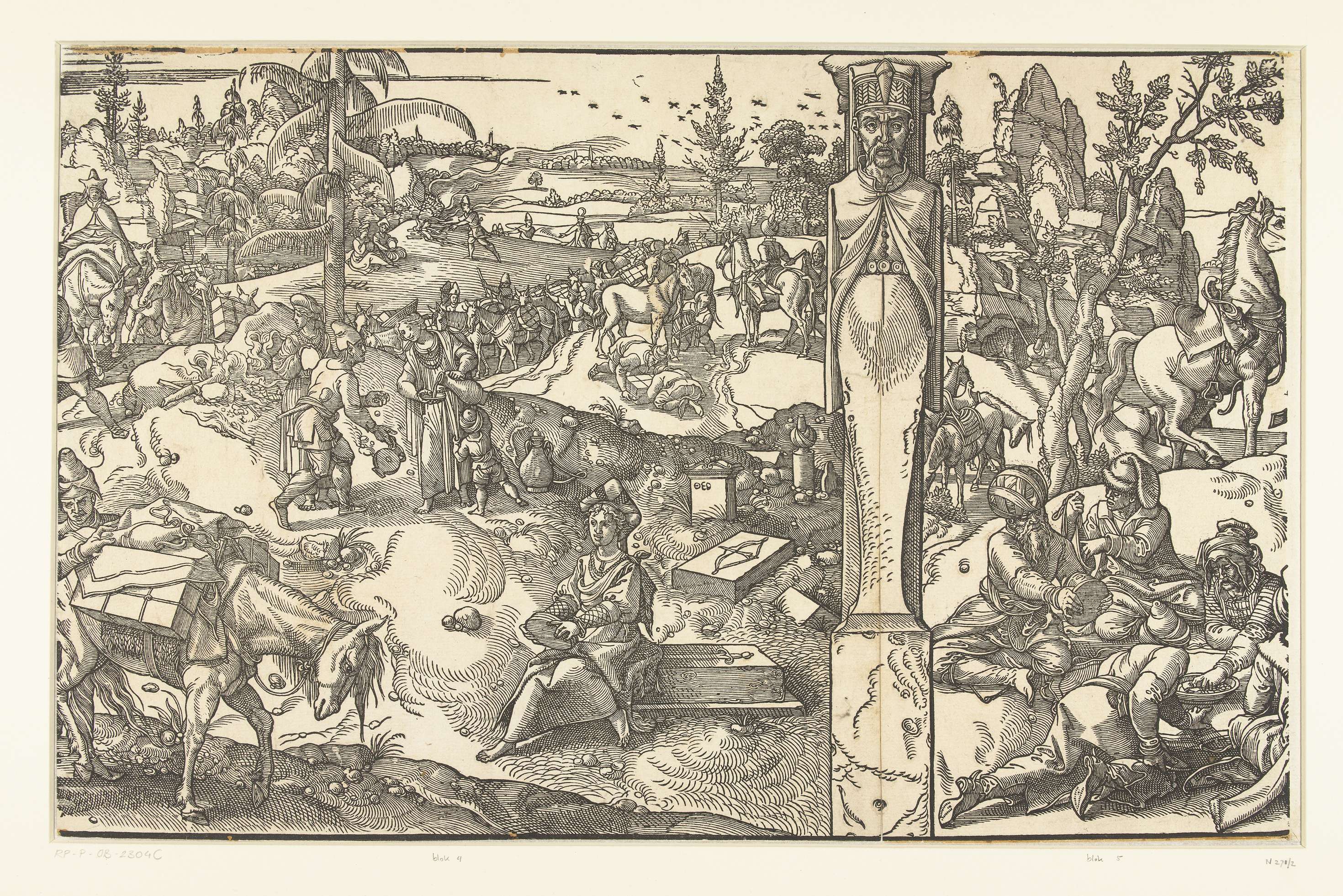
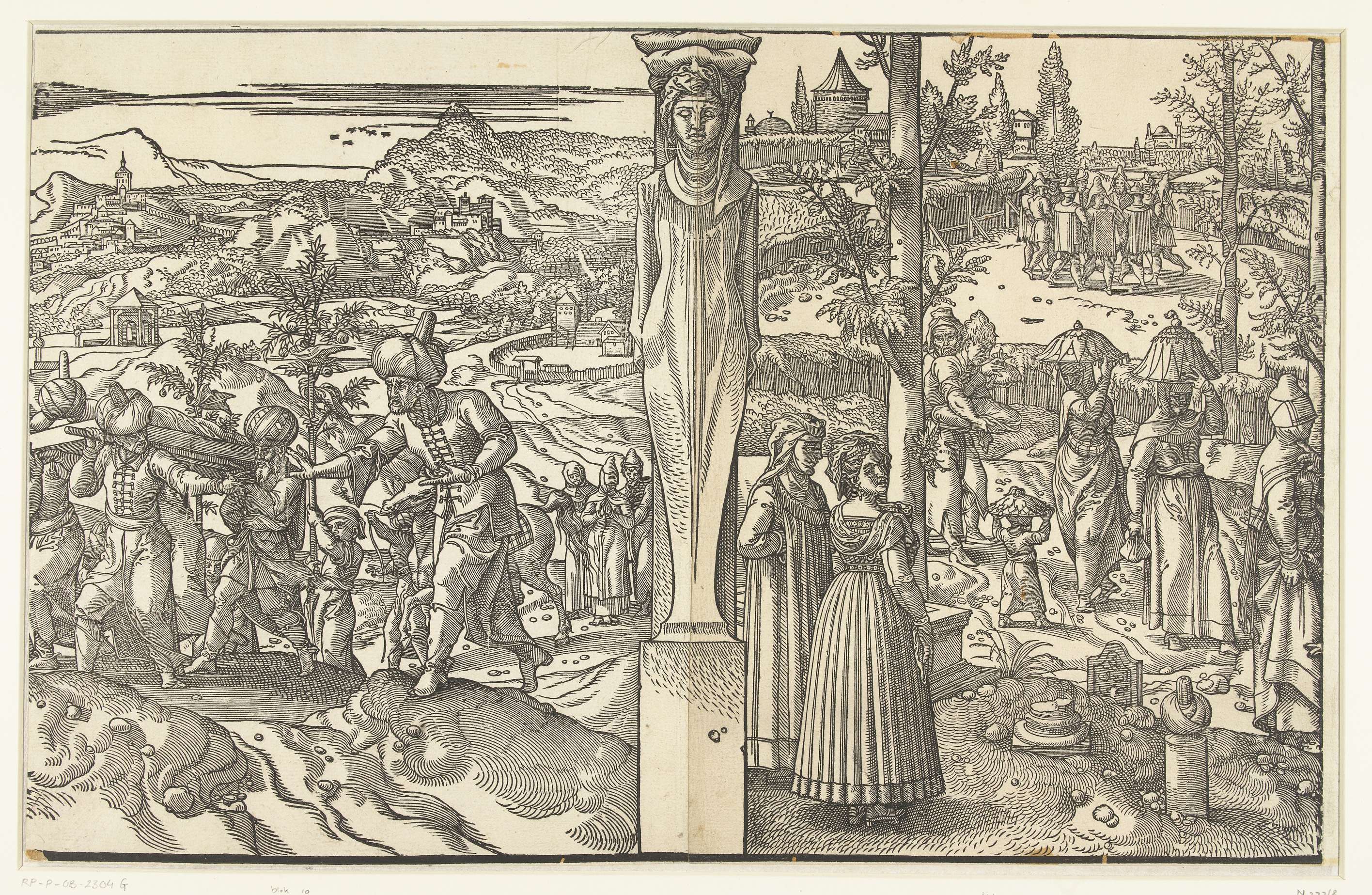
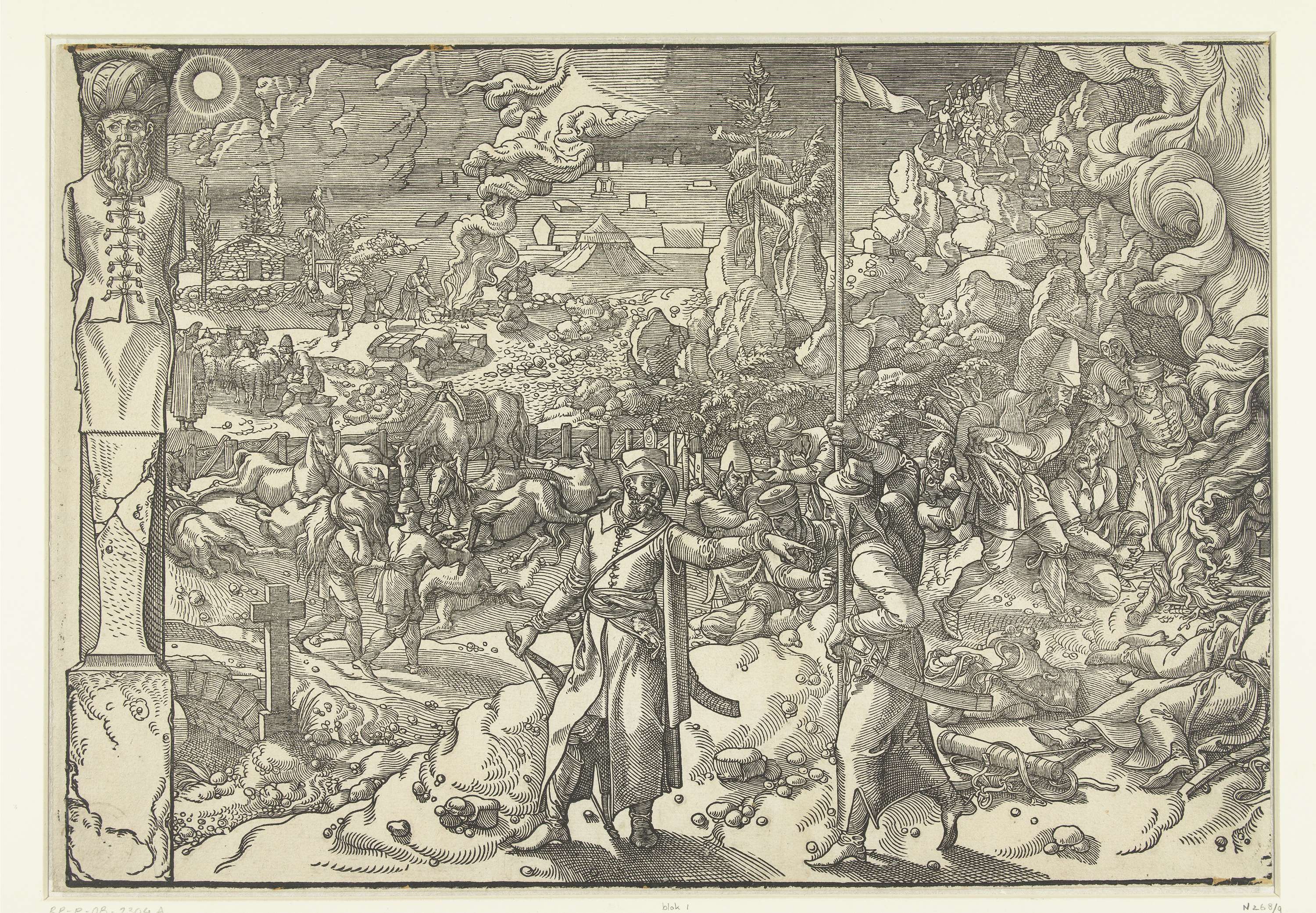
“The canvas doesn’t lie — it simply waits.” In the stillness of a moment captured across centuries, legacy unfolds in layers unknown and untold. What stories exist beyond the brushstrokes that define both celebration and sorrow? Here, the essence of life and death converge, inviting us to ponder our own narratives within the tapestry of existence. Look to the center of the canvas where the new moon glimmers, resonating with muted hues of blue and silver.
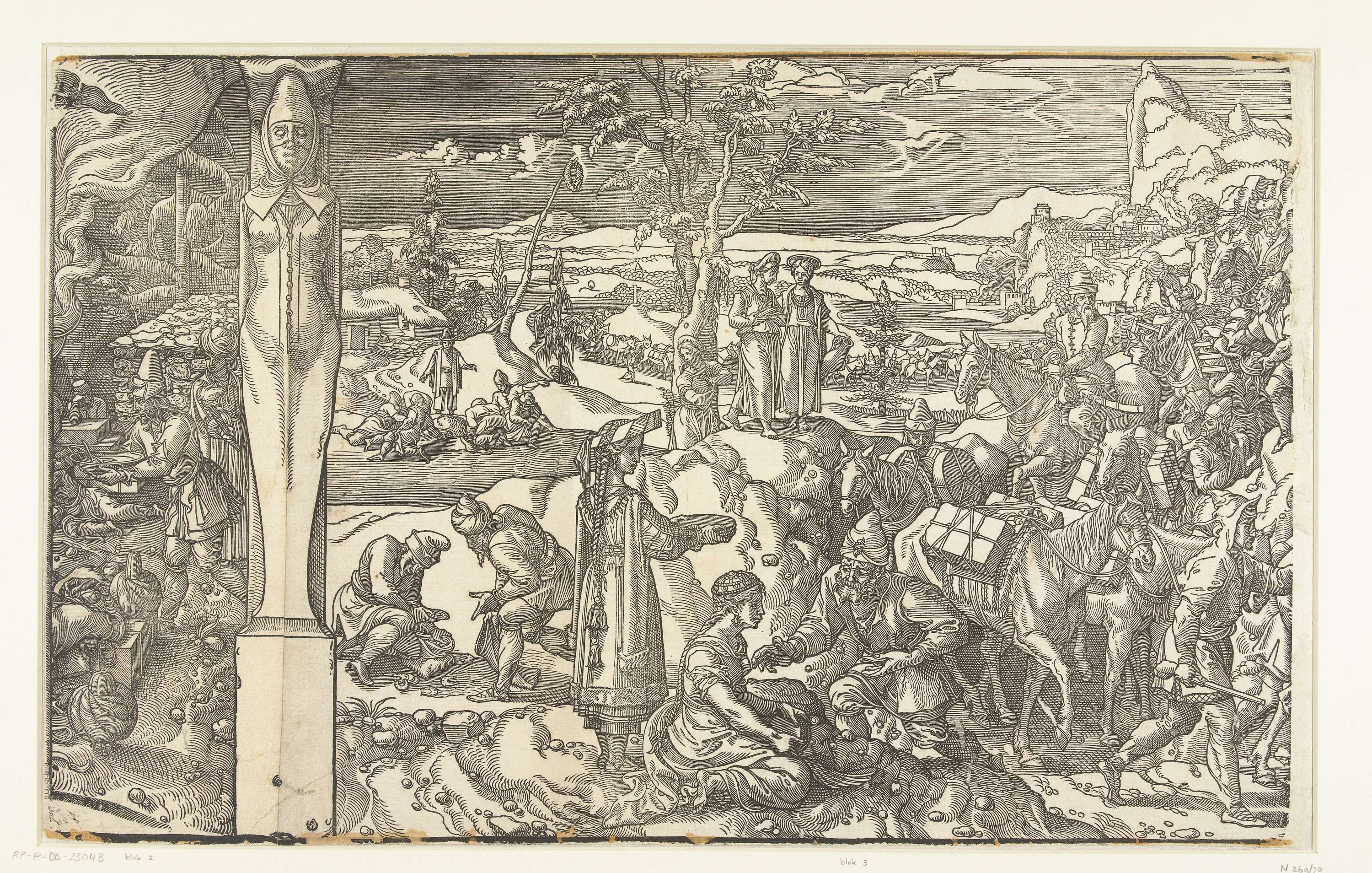
The orb's ethereal light bathes the scene, illuminating figures enveloped in ceremonial garb, their expressions a blend of joy and solemnity. Notice the juxtaposition of vibrant colors against the darkened corners, a deliberate choice that highlights the dichotomy of festivity and mourning, urging the viewer to navigate the emotional landscape. As the figures celebrate the new moon, small details reveal profound contrasts — a musician’s fingers poised in harmony, while an elder watches, perhaps grieving a recent loss. The tension between these moments creates an emotional pulse throughout the composition, suggesting an unbroken thread of tradition and memory.
This delicate balance of life’s jubilations and inevitable farewells resonates with viewers, prompting reflections on their own connections to legacy and time. Pieter Coecke van Aelst (I) created this work in 1553 while in Antwerp, a city bustling with artistic innovation and cultural exchange. At this time, the artist was influenced by the growing Humanist movement which intertwined themes of religion and human experience. His integration of both secular and spiritual elements in Feest van de nieuwe maan en begrafenis reflects the complex interplay of joy and sorrow that defined the era’s artistic narratives.